





Bevelled Edge Frame
A bevelled edge frame brings genuine depth and light into a room through angled glass, uniting period craftsmanship with functional wall decor.
Bevelled Edge Frame
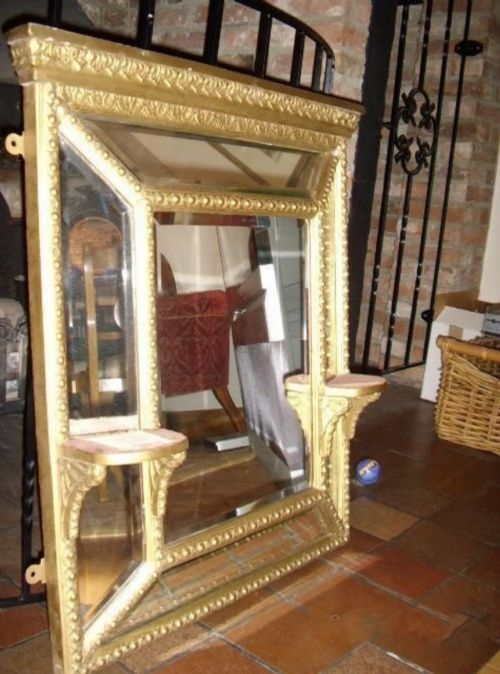
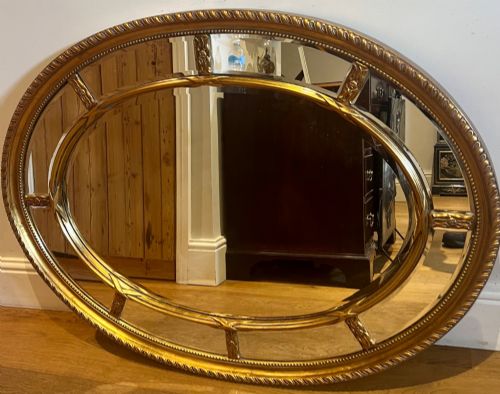
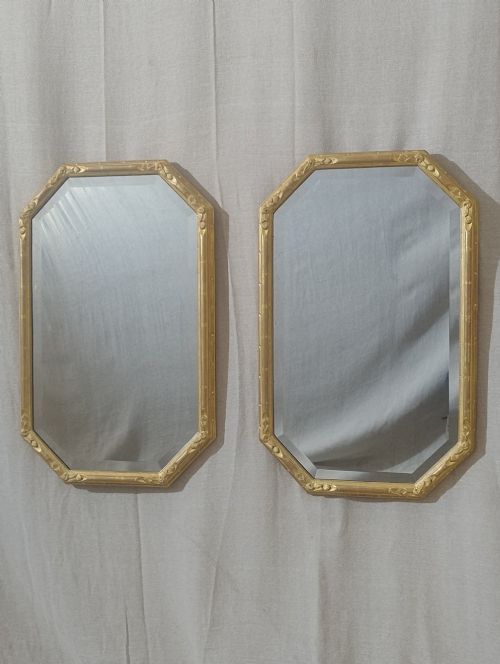
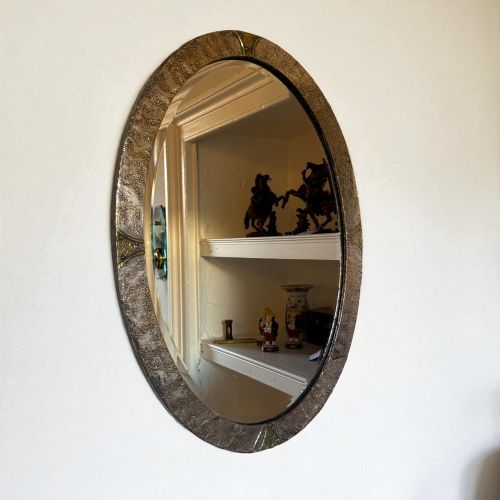
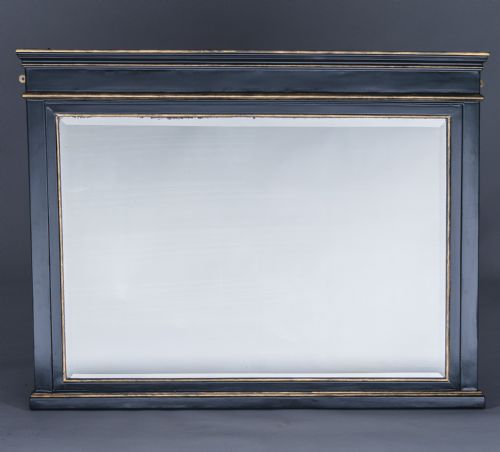
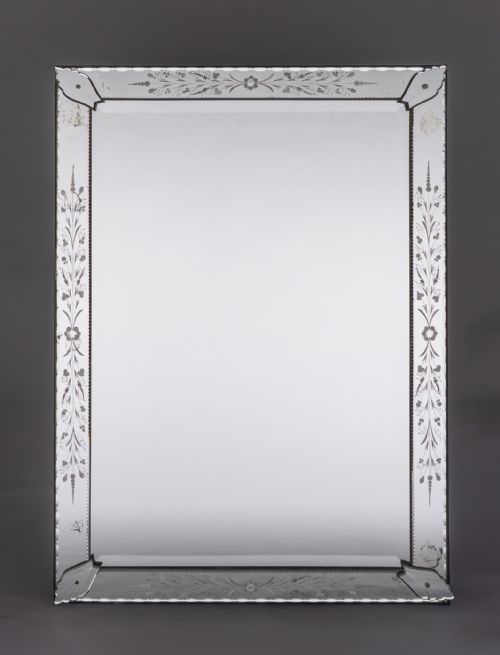
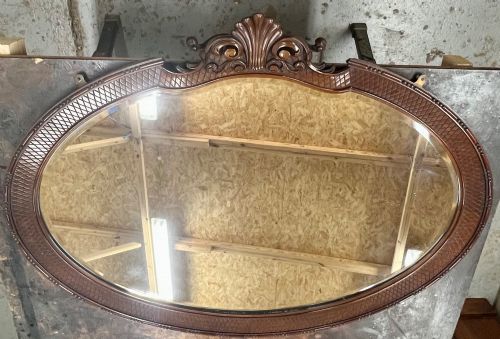
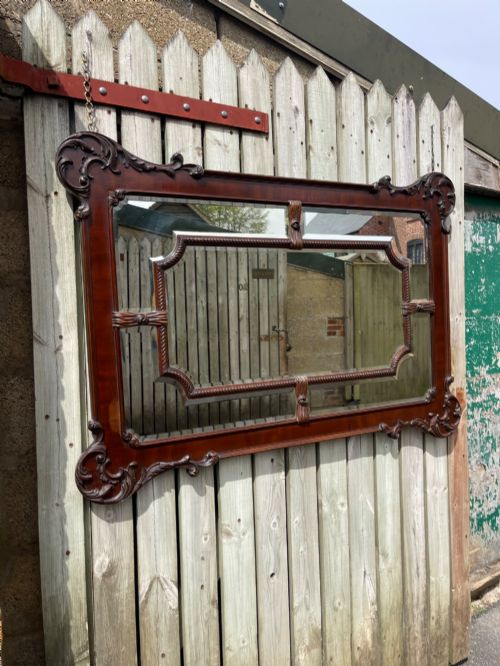
When you search for a bevelled edge frame, you encounter mirrors that function primarily as wall-hanging or overmantle pieces designed to catch and reflect light across a room. These items span various periods from the mid-nineteenth century through the Art Deco era, encompassing styles such as Victorian, Edwardian, and Arts & Crafts. The most common versions you meet on this page utilise wooden or gilt frames housing heavy glass plates with angled perimeters.
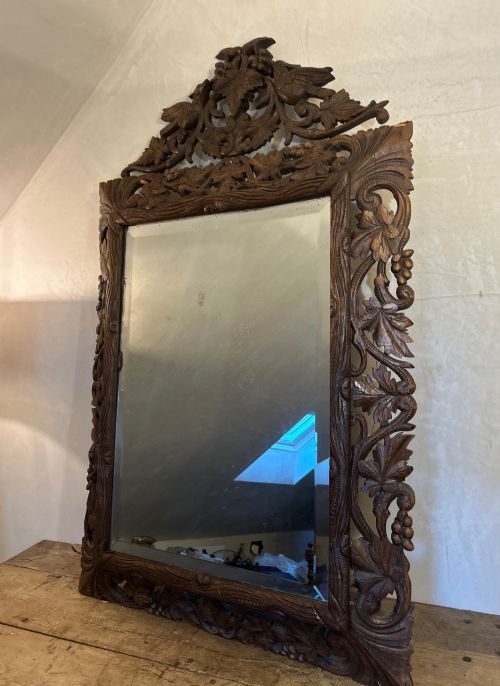
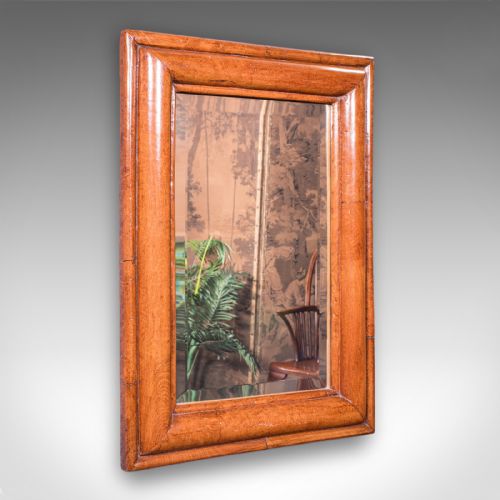
Makers from these diverse periods applied bevels to both rectangular and circular glass, fitting them into frames carved from oak, mahogany, and walnut, or finished with gesso and gold leaf. You find pieces ranging from simple hall mirrors to elaborate Venetian and Florentine gilt wood designs intended for principal reception rooms. The fundamental purpose remains the projection of light, achieved through the precise bevelling of the glass edge.
The selection includes specialised forms like sectional mirrors, overmantels, and vanity mirrors originating from English, French, and Italian workshops. Stylistic influences vary widely, drawing upon Renaissance revival motifs, Rococo carvings, and hammered metal Arts & Crafts executions. Each piece reflects the dominant interior aesthetic of its specific decade, from the heavy carving of the eighteen-eighties to the cleaner lines of nineteen-thirty.
Materials and Construction
Makers constructed the structural supports of these mirrors using solid timbers such as oak, mahogany, walnut, and ebonised woods. Frames frequently incorporate carved wood and gesso, often finished with gold leaf or water gilding to achieve a reflective metallic surface. Alternative executions utilise hammered metal, cast brass, and leather, demonstrating the diverse material palette available to period artisans.
Bevelled Edge Frame Retail Price Guide 2026
Typical asking prices for bevelled edge frame among the pieces listed under this phrase on Sellingantiques today, from the lower quarter to the upper quarter. They describe what is for sale here now, not the wider market.
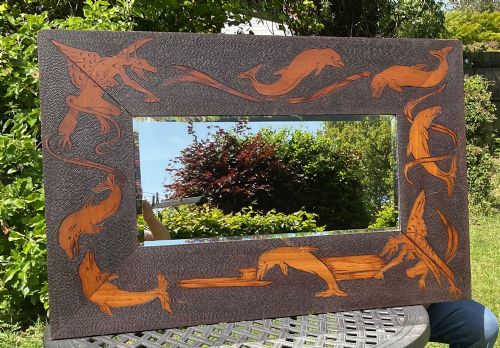
A nineteenth-century maker once carved a pair of dolphins and a dragon into a single mirror frame, proving that Victorian makers loved a mythical beast.
Judging Quality in Period Frames
The standard of carving and moulding execution largely determines the standing of a piece, separating machine-finished uniformity from the crisp depth of hand-tooled wood and gesso. Superior examples display sharply defined motifs in their Renaissance revival or Rococo carvings without the softening of detail often found in lesser reproductions. The quality of the water gilding or original painted surface further distinguishes finer workshop output from standard commercial production.
Glass selection and bevelling precision mark another distinction, as hand-ground bevels exhibit subtle variations and optical depth absent in modern float glass. The integrity of the internal joinery, including the stability of the frame corners and the appropriateness of the backing boards, indicates the original tier of manufacture. Pieces retaining their original cast brass fixings and untouched mercury or early silvered glass plates represent the higher end of surviving examples.
The Bevelled Edge Frame Glossary
- Bevel
- An edge ground and polished at an angle to the main surface of the glass. This technique creates a prismatic light-catching border that frames the reflection.
- Gesso
- A plaster-like mixture applied to wood frames to create a smooth surface for gilding or painting. Artisans carved intricate relief details directly into this layered medium.
- Overmantle
- A large mirror specifically designed to hang on the wall directly above a fireplace mantel. These pieces frequently match the width of the fireplace surround.
- Eglomise
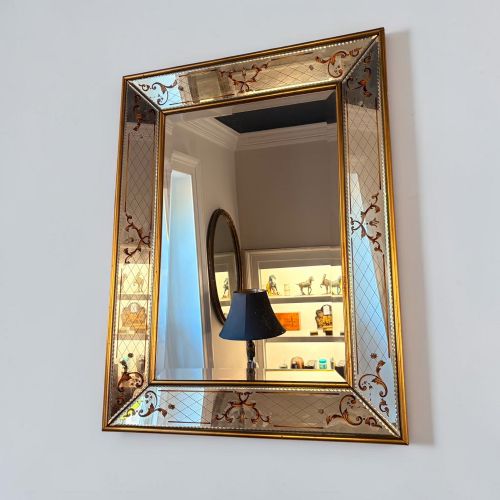
- A decorative technique involving the application of cold painting and gilding to the rear face of glass. It produces a reflective, metallic panel often used in decorative frames.
- Water Gilding
- A traditional method of applying gold leaf over wet gesso and bole. This process allows the gold to be burnished to a high, brilliant shine.
Bevelled Edge Frame: Frequently Asked Questions
How do I date a bevelled edge frame?
Dating relies heavily on the style of the wooden frame, the assembly methods visible on the reverse, and the characteristics of the glass itself. Victorian and Edwardian examples often feature distinct moulding profiles and specific timber choices that anchor them to a particular decade.
Examining the backing boards, screws, and hanging fixings provides further confirmation of the period. Older frames generally show hand-cut joinery and signs of age consistent with nineteenth or early twentieth-century workshop practices.
How were these mirrors hung originally?
Original hanging systems usually involved heavy iron rings or strap loops screwed directly into the timber frame. These were designed to take the substantial weight of both the wooden structure and the thick glass plate.
When living with these pieces today, secure wall anchors matching the weight capacity of the original hardware remain essential. Proper distribution of the load protects both the wall and the antique frame joints.
What is water gilding?
Water gilding is a traditional technique where gold leaf is applied to a prepared surface of gesso and clay bole using water as the adhesive. Once dry, the metal is rubbed with an agate stone to achieve a brilliant, deep lustre.
This method differs from oil gilding by offering a varied, reflective finish that patinates gracefully over time. It is commonly found on finer nineteenth-century gilt frames.