


Beveled Wood Mirror
A beveled wood mirror brings depth and light to a room through angled glass set within timber frames shaped across the nineteenth and early twentieth centuries.
Beveled Wood Mirror
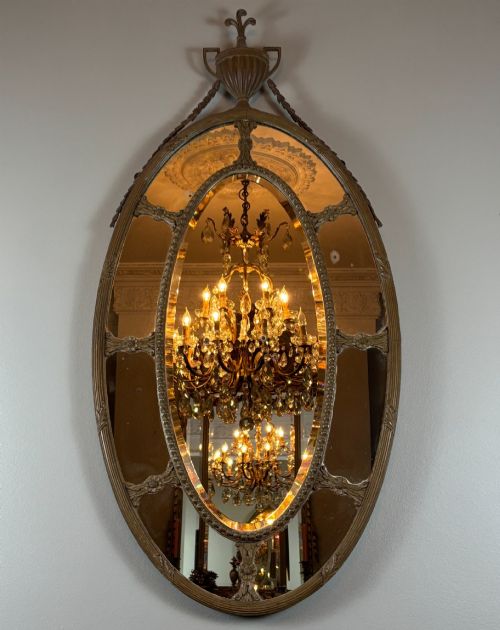
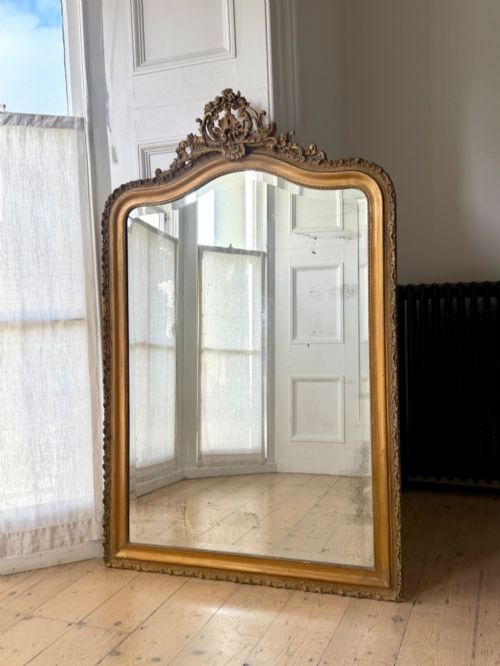
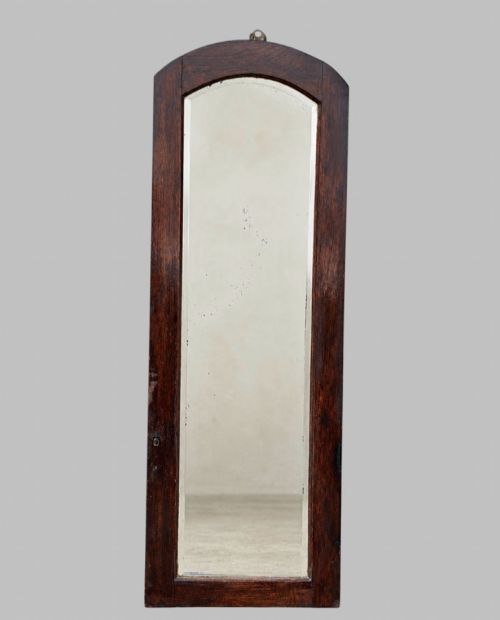
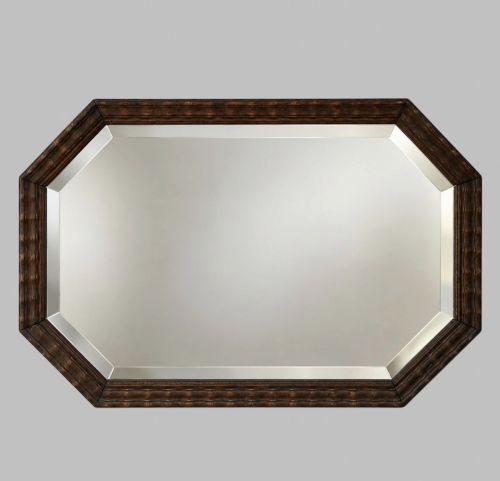
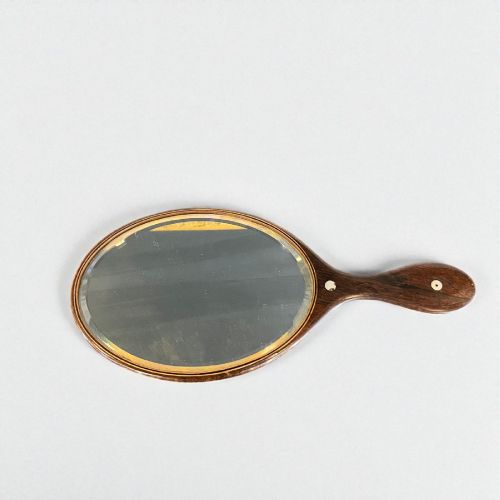
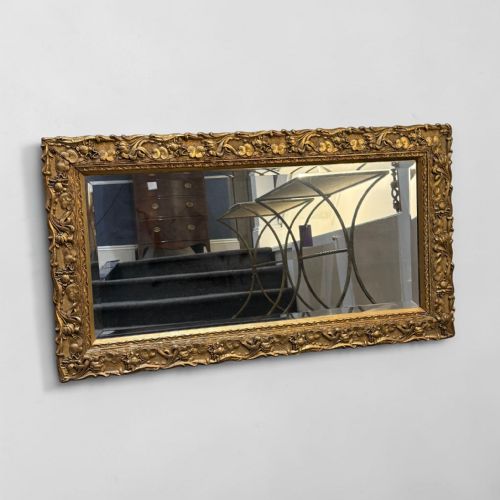
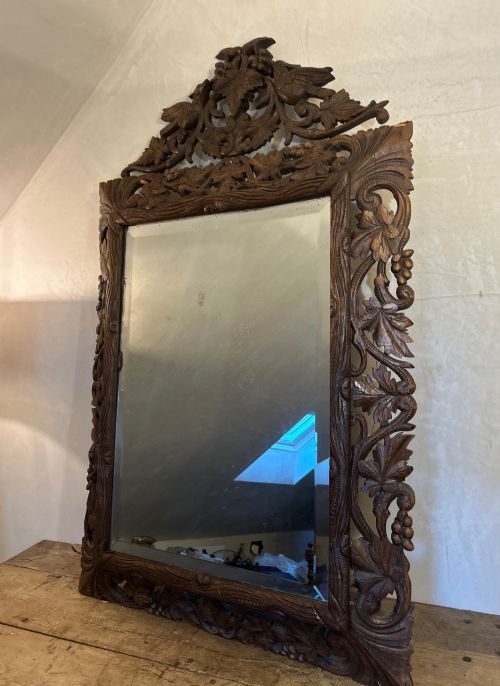
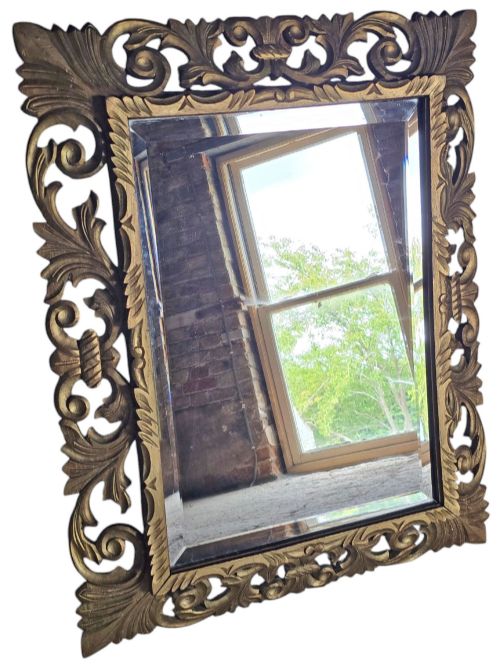
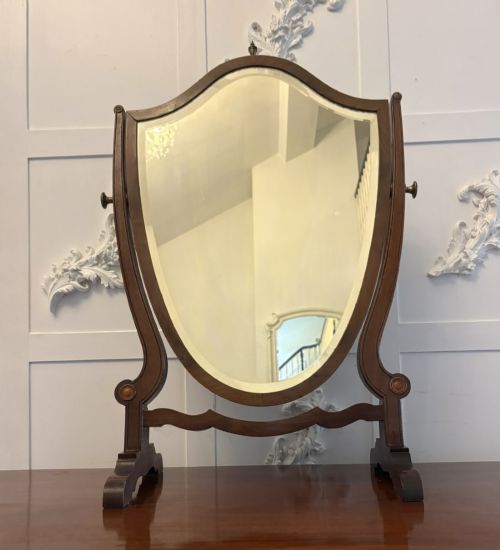
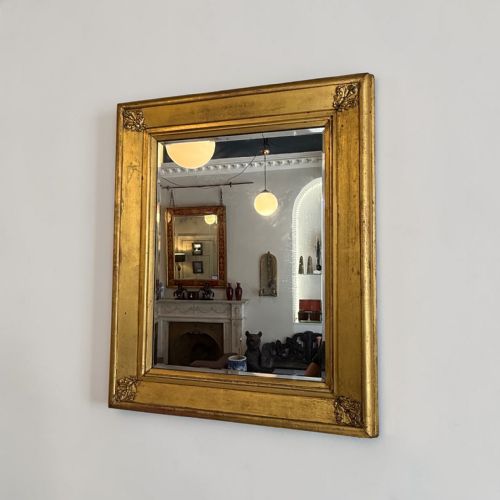
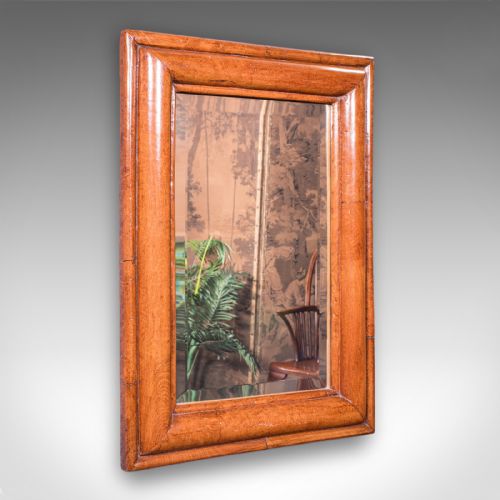
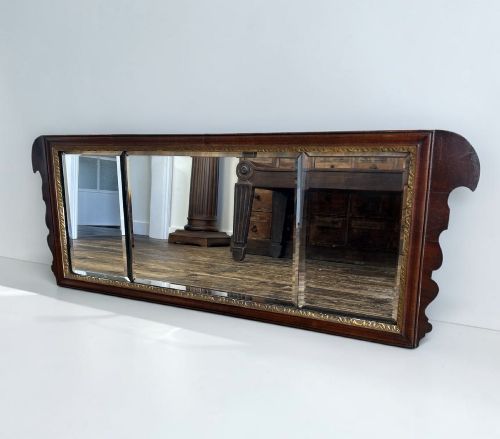
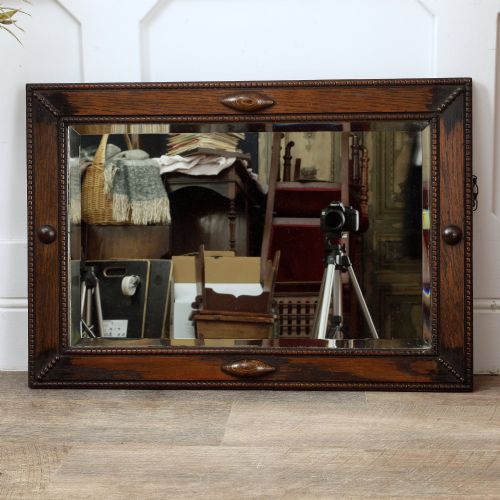
When you search for a beveled wood mirror, you encounter wall mirrors, overmantel mirrors, and dressing mirrors originating from periods spanning the Georgian era through the Edwardian years and the nineteen-twenties. The selection here leans heavily towards nineteenth-century examples and early twentieth-century designs shaped in oak, mahogany, walnut, and giltwood.
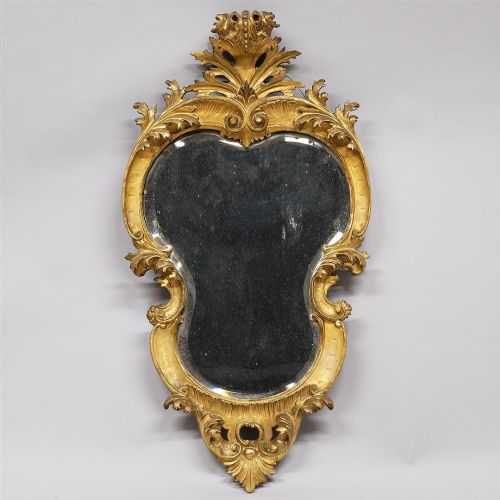
Makers shaped these frames in styles ranging from French Rococo Revival and Georgian Revival to Art Deco and Edwardian, producing oval, rectangular, and arched formats. You find wall-mounted pieces alongside vanity items and overmantels intended to sit above fireplaces or within reception halls.
Materials and Construction
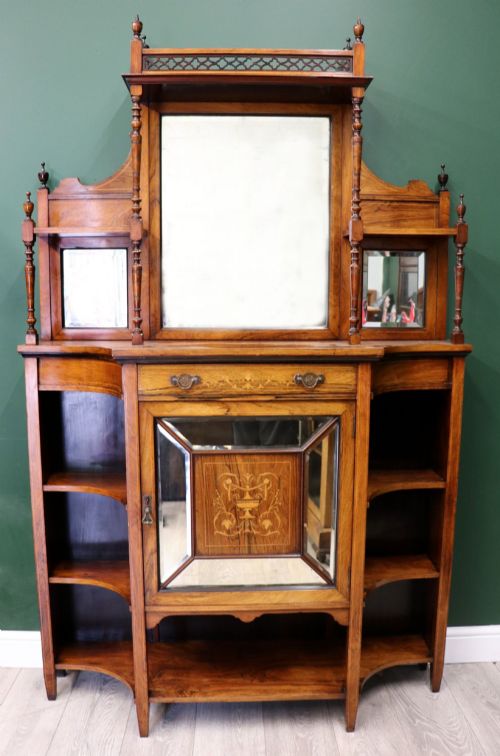
Carpenters constructed the primary frames using solid timbers such as oak, mahogany, and walnut, frequently applying gesso and giltwood overlays to create ornate carved surfaces. Rosewood and brass details appear alongside mother of pearl and marquetry inlay on dressing and wall variants.
The glass plates inside these frames feature distinctive angled edges produced by manual bevelling techniques. Carvers worked wood into cushion profiles, fret-cut outlines, and arched pediments to house the heavy glass securely.
Beveled Wood Mirror Retail Price Guide 2026
Typical asking prices for beveled wood mirror among the pieces listed under this phrase on Sellingantiques today, from the lower quarter to the upper quarter. They describe what is for sale here now, not the wider market.
One small mirror arrives decorated with floral barbola work, bringing a tactile splash of moulded composition flowers to the wall.
Distinctions in Quality
The standard of a frame rests upon the depth of the wood carving and the crispness of the gesso mouldings applied over the timber. Pieces with hand-carved relief work and well-preserved original gilding demonstrate superior craftsmanship compared to simpler moulded alternatives.
The quality of the mirror plate itself and the integrity of the timber joints determine the standing of an item. Frames that retain their original backing woods, secure glass bevels, and uncompromised structural joins hold greater merit.
Waring and Gillow·John Belchier
The Beveled Wood Mirror Glossary
- Bevel
- An angled edge ground along the perimeter of a glass mirror plate. This technique catches light and adds visual depth to the glass surface.
- Giltwood
- Timber coated with gold leaf or metallic paint over a prepared gesso base. It defines ornate nineteenth-century decorative frames.
- Overmantel
- A large mirror designed specifically to hang above a fireplace mantelpiece. These pieces often span horizontal proportions to match hearth dimensions.
- Gesso
- A plaster-like mixture applied to wood frames to create a smooth surface for carving or gilding. Artisans mould it into intricate decorative motifs.
- Fret-Cut
- Timber shaped by cutting intricate pierced designs through the flat board using a fine saw. This technique characterises Georgian Revival mahogany frames.
Beveled Wood Mirror: Frequently Asked Questions
How do I hang a heavy overmantel mirror safely?
Secure the piece directly into wall studs using heavy-duty brackets designed to support the combined weight of the timber frame and thick glass plate. Distribute the load evenly across multiple fixing points.
Avoid relying solely on plaster walls without appropriate anchors, as antique frames carry substantial weight from their solid wood construction and glass.
What defines an Edwardian dressing mirror?
Edwardian dressing mirrors typically feature mahogany or walnut frames designed to sit atop vanity tables or chests of drawers. They often incorporate pivoting mechanisms supported by upright arms.
These pieces match the domestic interior styles of the early twentieth century, frequently displaying subtle marquetry or inlaid details.
How do I clean antique mirror glass?
Wipe the glass gently with a soft microfibre cloth slightly dampened with distilled water or a mild vinegar solution. Apply the liquid to the cloth rather than spraying the mirror directly.
Prevent moisture from seeping behind the glass plate or into the wooden frame joints, which can damage the silvered backing or cause timber warping.
Can I place these mirrors in a bathroom?
Bathrooms expose antique wood and silvered glass to high humidity and temperature fluctuations that can degrade the frame and cause foxing on the mirror plate. Dry environments suit these pieces best.
If placed near moisture, ensure adequate ventilation to protect the antique gesso, gilding, and timber construction from long-term deterioration.