



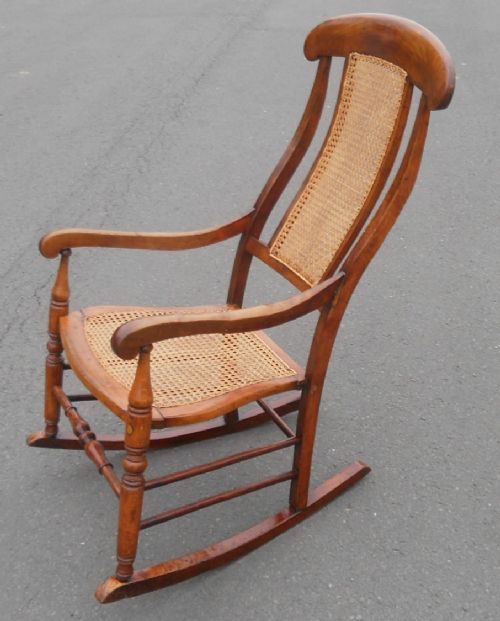
Beechwood Armchair
A beechwood armchair brings resilient timber frames and diverse Revival styles straight from the nineteenth and early twentieth centuries into a modern interior.
Beechwood Armchair
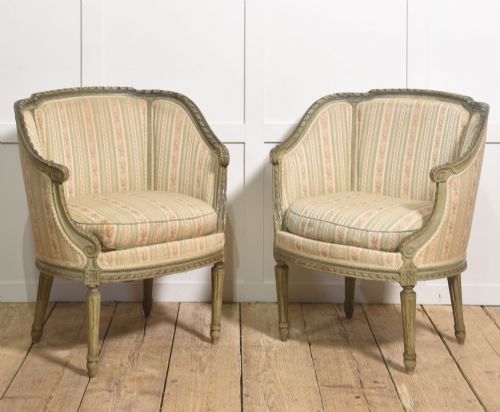
A beechwood armchair spans nineteenth century forms, Edwardian examples, and pieces from 1900 up to 1930, encompassing everything from salon suites and rocking chairs to Windsor designs and tub chairs. These sturdy seats reflect periods like the Victorian era, Edwardian years, and French Louis XV Revival, French Neoclassical, French Rococo, Art Nouveau, and Victorian Gothic movements.
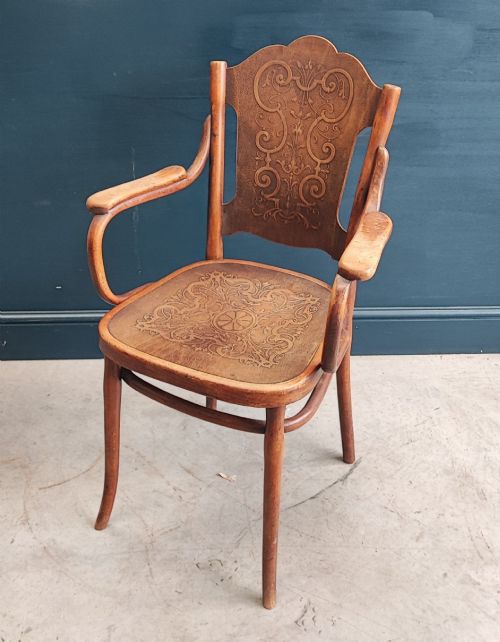
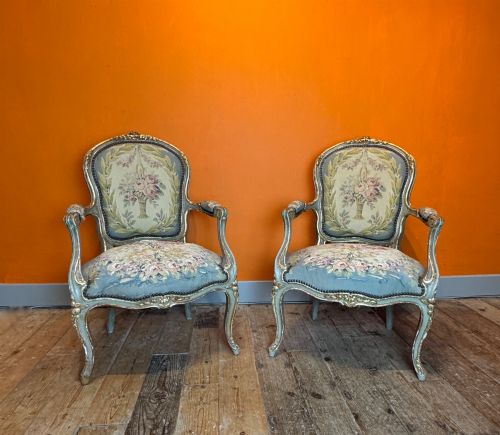
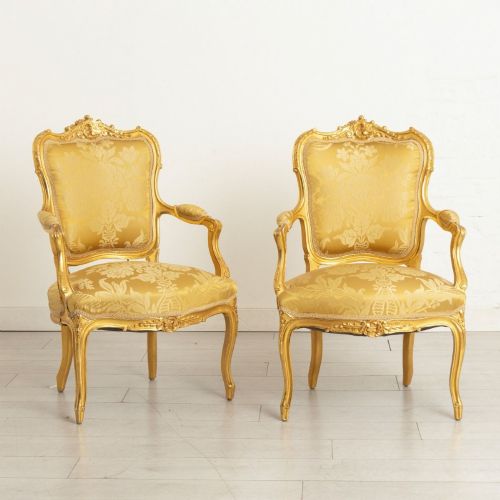
The version most commonly met on this page is the French framed armchair or the bentwood rocking chair, often originating from makers like Thonet and Baumann. Buyers encounter painted beechwood, giltwood highlights, and plain beech frames paired with cane, brass, leather, fabric, and tapestry upholstery.
How they were made
Craftsmen utilised solid beech and beechwood for frames due to the timber's reliable density and receptiveness to turning, bending, and carving. Steam bending allowed makers to shape continuous curves for bentwood rocking chairs and salon suites.
Surfaces were frequently painted, parcel gilt, or left natural, while upholstery methods incorporated traditional fabric, silk, leather, and cane work secured with brass details.
Beechwood Armchair Retail Price Guide 2026
Typical asking prices for beechwood armchair among the pieces listed under this phrase on Sellingantiques today, from the lower quarter to the upper quarter. They describe what is for sale here now, not the wider market.
An apprentice or Teddy's Windsor armchair proves that nineteenth-century woodworkers occasionally practiced miniature joinery for smaller occupants.
What varies in quality
The standard of a beechwood armchair is determined by the crispness of carved details on French Revival frames and the integrity of steam-bent components by makers like Thonet. Superior examples retain original painted finishes, parcel gilding, and tightly woven cane or correct period upholstery.
Baumann·Thonet
The Beechwood Armchair Glossary
- Bentwood
- Wood shaped by applying steam to render it pliable, allowing makers to form smooth, continuous curves for chairs and rocking furniture. This technique defines iconic pieces produced by Thonet and Baumann.
- Cane
- Woven rattan or plant material used for seating panels and backrests, offering a lightweight and flexible support. It frequently appears alongside beechwood frames in Victorian and Edwardian chairs.
- Parcel Gilt
- A decorative treatment where portions of a wooden frame are selectively gilded with gold leaf while other areas remain painted or exposed. This finish highlights carved details on French Revival armchairs.
- Windsor
- A traditional chair construction featuring a solid wooden seat into which the legs and stick back are wedged directly. Beechwood and elm are typical timbers found in these robust seating forms.
Beechwood Armchair: Frequently Asked Questions
How do I identify a bentwood rocking chair?
Bentwood rocking chairs feature curved wooden components shaped via steam rather than traditional joinery. They often bear maker attributions and display continuous flowing lines.
Look for Thonet or Baumann production methods, lightweight yet sturdy beech frames, and cane or upholstered seat inserts dating from the nineteenth or early twentieth centuries.
What is a French Revival armchair?
French Revival armchairs copy earlier court aesthetics like Louis XV and Rococo styles during the nineteenth century. They typically showcase carved beechwood, painted surfaces, and fine upholstery.
These pieces bring decorative curves and parcel gilt details into domestic interiors, contrasting with simpler Windsor or bentwood seating.
Where were beechwood armchairs used?
These chairs served multiple domestic functions across parlours, reading rooms, halls, and salons. Rocking variants suited nurseries and sitting rooms, while salon suites furnished formal entertaining spaces.
Their versatility stems from the durable nature of beech timber combined with diverse aesthetic movements ranging from Victorian Gothic to Art Nouveau.