



Beech Wood Chair
A beech wood chair brings honest timber grain and dependable structure into a room, spanning rustic Windsor forms and elegant bistro seating.
Beech Wood Chair
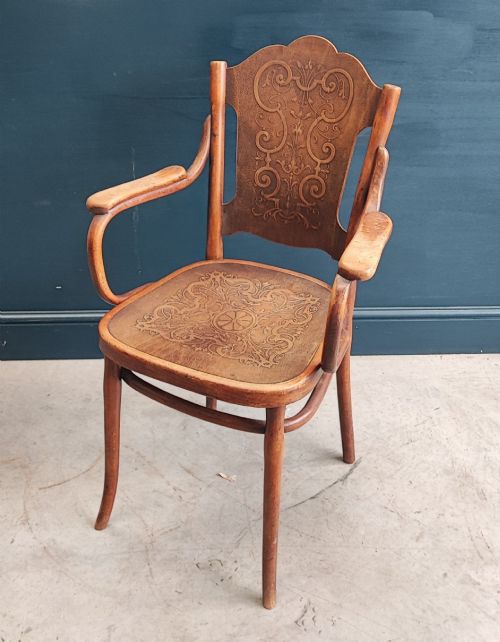
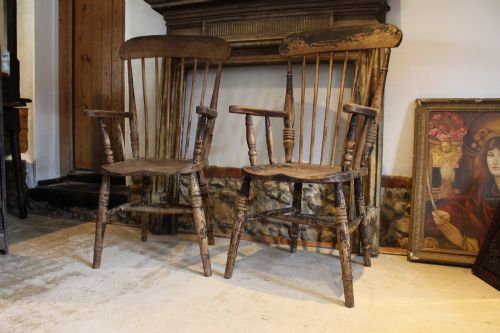
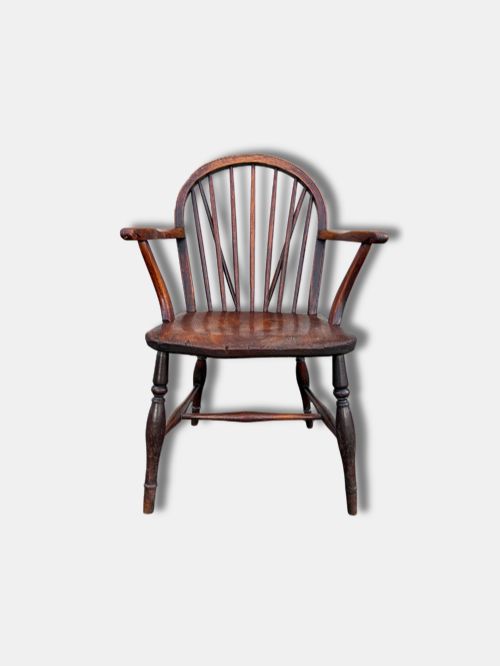
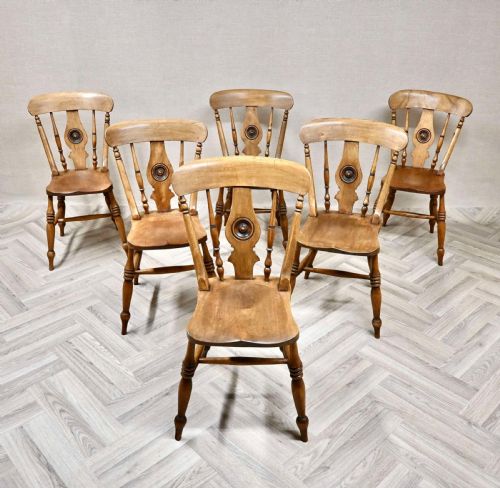
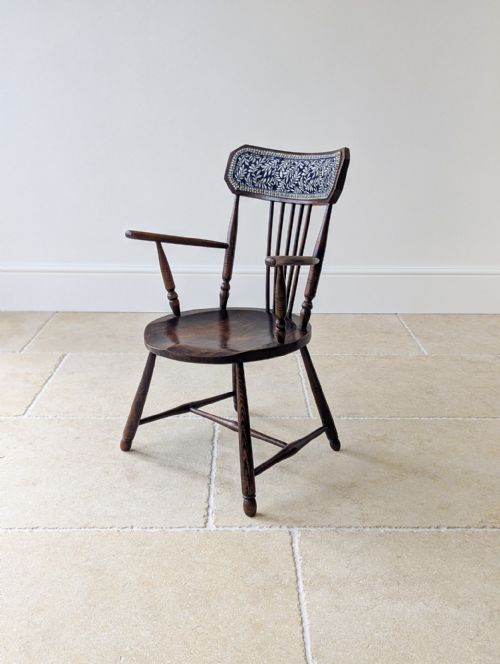
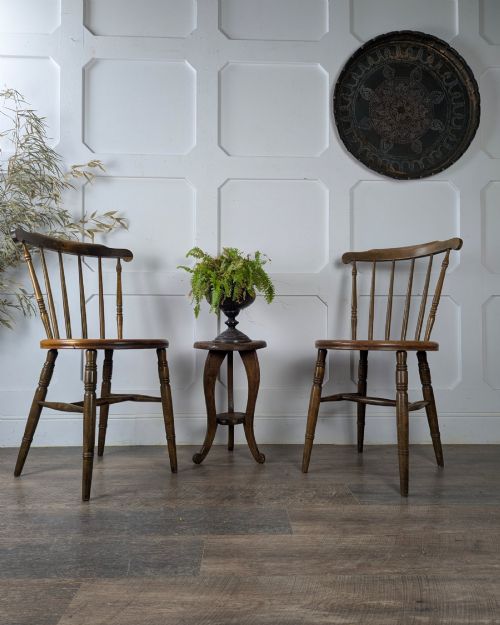
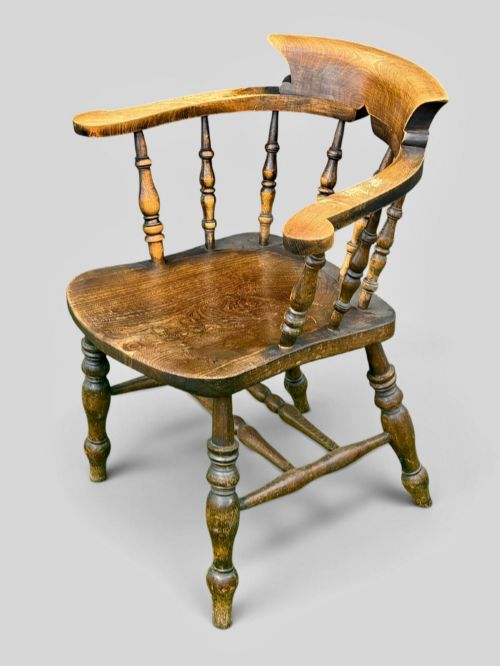
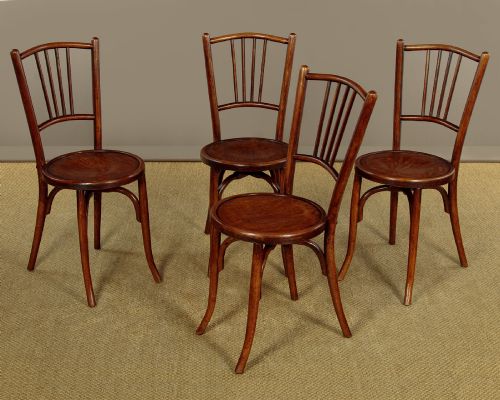
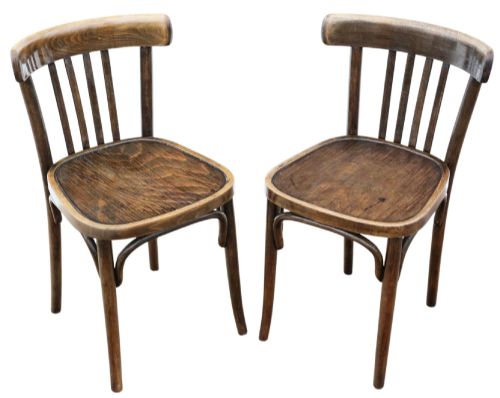
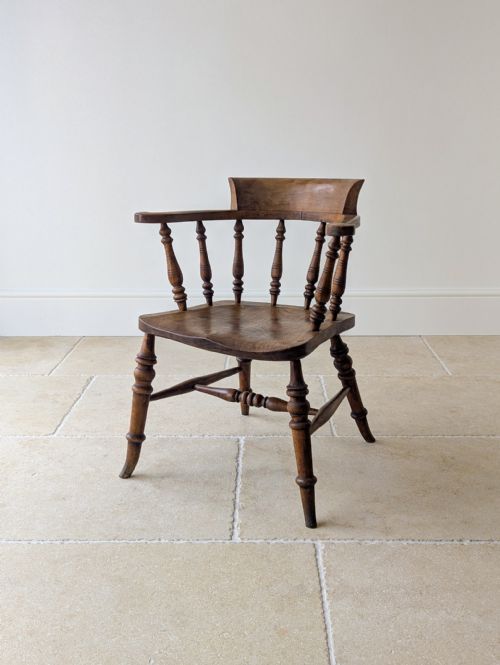
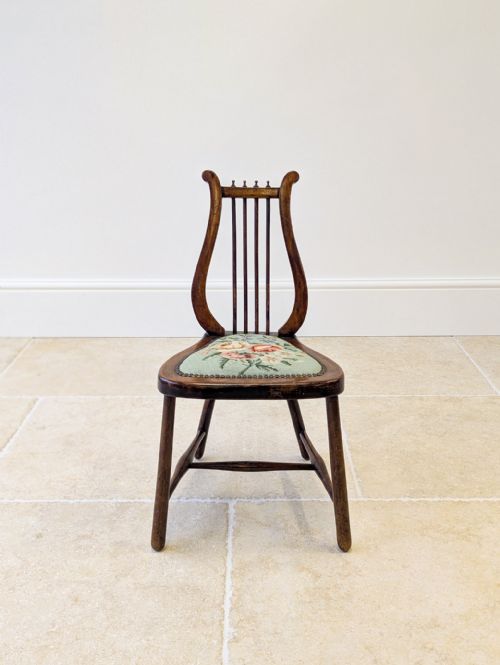
A beech wood chair encompasses a diverse array of seating forms, ranging from sturdy kitchen dining chairs and Windsor armchairs to lightweight bentwood bistro models. When searching for a beech wood chair, buyers encounter pieces originating from the nineteenth century through the Edwardian period, often paired with elm, ash, or rush.
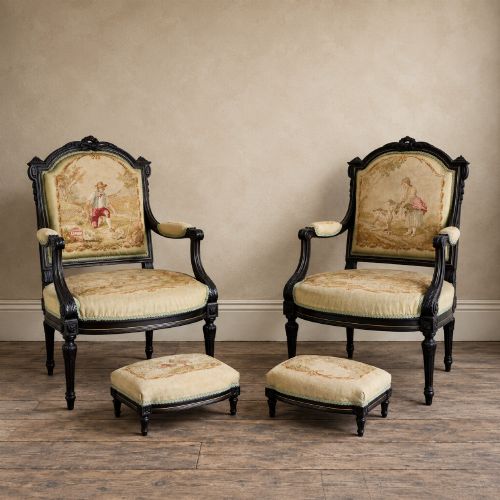
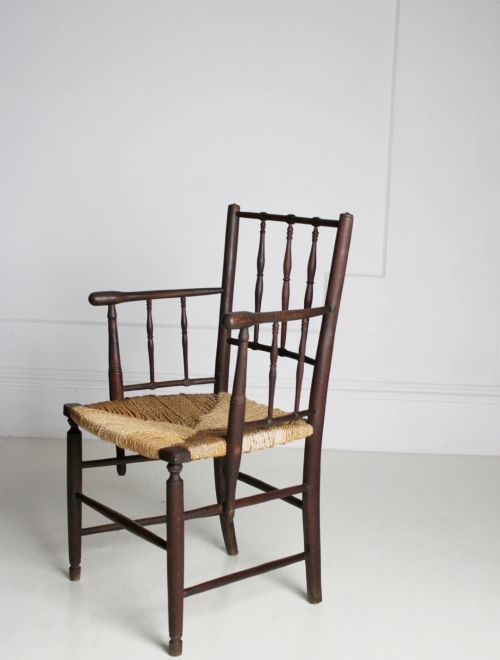
The selection on this page demonstrates various regional styles, including English country windsor designs, French salon armchairs, and Arts and Crafts spindle-back seating. Dining chairs, side chairs, and rocking chairs dominate the current listings, alongside occasional chairs and captains desks chairs.
How They Were Made
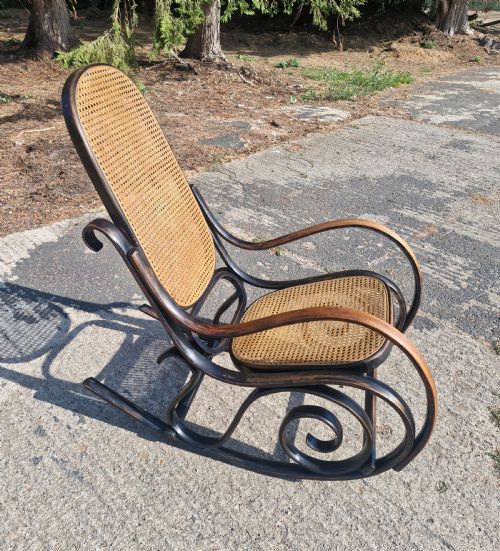
Makers utilised the dense, tight grain of solid beech for framing, frequently combining it with elm or ash seats for added resilience in heavy-use kitchen and Windsor chairs. Steam-bending techniques allowed craftsmen like Thonet and Kohn to curve solid beech rods into fluid, continuous lines for bistro and rocking chairs.
Surface treatments range from clear polishes that highlight natural timber to ebonised finishes, stained surfaces, and later painted applications. Additional materials such as woven rush, plywood, brass hardware, and fabric upholstery appear across specific styles like the Sussex chair and Victorian salon seating.
Beech Wood Chair Retail Price Guide 2026
Typical asking prices for beech wood chair among the pieces listed under this phrase on Sellingantiques today, from the lower quarter to the upper quarter. They describe what is for sale here now, not the wider market.
Several chairs double as historic rock stars, having spent a century keeping restless sitters safely in motion.
What Varies in Quality
The integrity of the timber joints and the retention of original components dictate the standing of each piece. Chairs that retain their factory stamps, such as Thonet or Kohn signatures, demonstrate documented workshop provenance.
The fineness of turning on spindle backs, the tightness of steam-bent curves, and the preservation of original rush or wood seats separate standard utility seating from finer artisan pieces.
Jacob and Josef Kohn·Codina·Thonet·Morris and Co·Philip Webb
The Beech Wood Chair Glossary
- Bentwood
- Wood softened by steam and bent into curved shapes. This technique defines the lightweight cafe and rocking chairs produced by major nineteenth-century makers.
- Windsor
- A chair built with a solid wooden seat into which the legs and back spindles are inserted directly. These country pieces frequently combine beech with elm and ash.
- Rush
- A wetland plant material twisted into cords and woven to form supportive seats. It appears frequently on Arts and Crafts and Sussex style chairs.
- Carver
- An armchair designed to match a set of dining side chairs, usually placed at the head of a table. They often feature open arms integrated into the back structure.
Beech Wood Chair: Frequently Asked Questions
What periods do these chairs cover?
The listings span from the early nineteenth century through the Edwardian era and into the early twentieth century. Victorians and Edwardians produced a vast output of these timber seats.
Craftsmen adapted traditional country patterns alongside industrial steam-bent innovations during these decades.
How do I identify a bentwood chair?
Bentwood chairs rely on solid rods of timber shaped through steaming rather than joined geometric cuts. They present continuous curved frames.
This method created remarkably lightweight yet resilient seating popular in European cafes and homes.
Where were Windsor chairs used?
Windsor chairs served primarily as practical seating in kitchens, farmhouses, and vernacular dining spaces. Their robust multi-wood construction handled daily domestic demands.
Makers typically paired beech frames with durable elm seats and flexible ash spindles.
What is an Arts and Crafts chair?
Arts and Crafts seating emphasises visible construction, honest materials, and simple geometric lines without excessive ornamentation. Simplicity of form guided the makers.
Pieces like the Sussex chair utilised stained beech frames paired with natural woven rush seats.