



Beech Spindle Chair
A beech spindle chair brings honest vernacular utility and turned wooden grace into a room.
Beech Spindle Chair
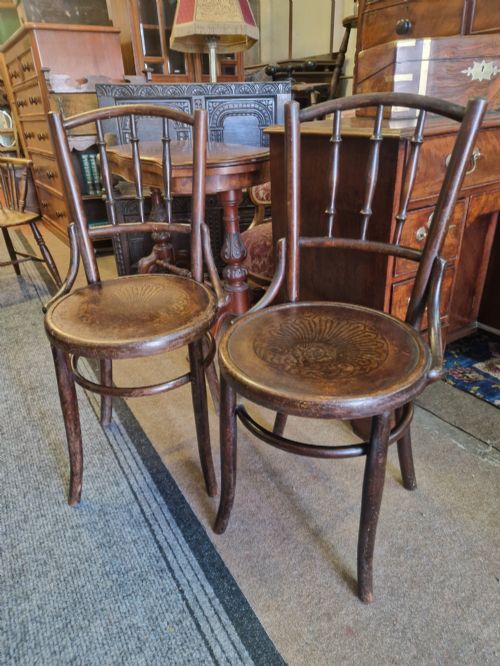
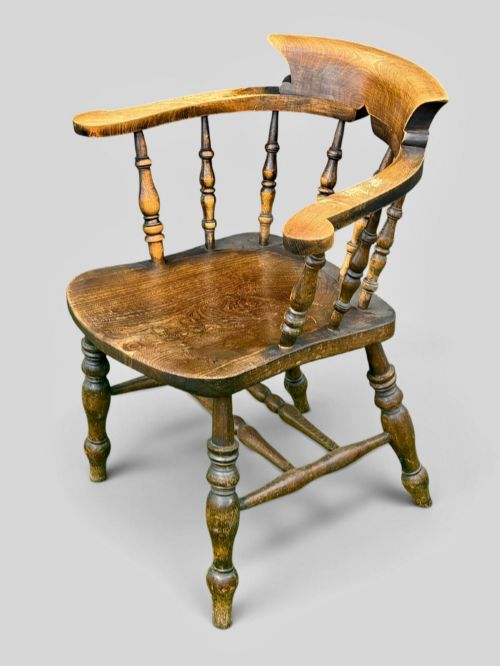
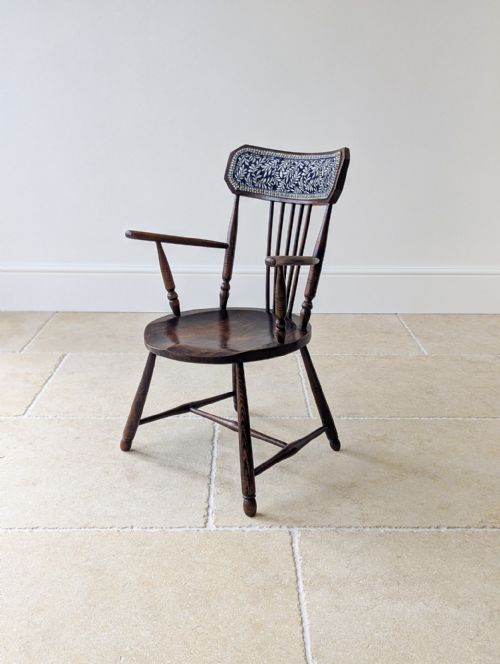
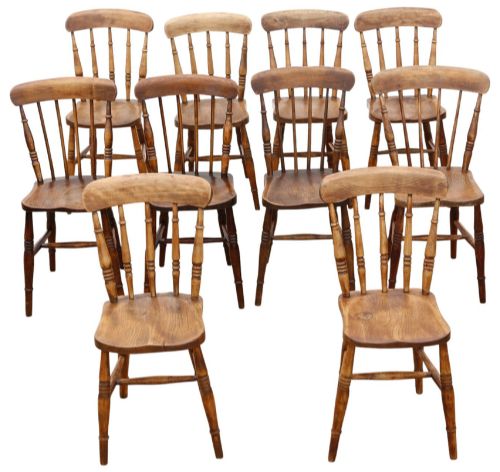
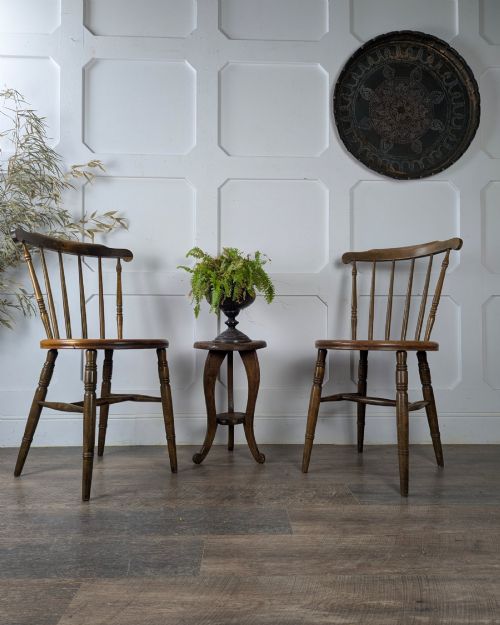
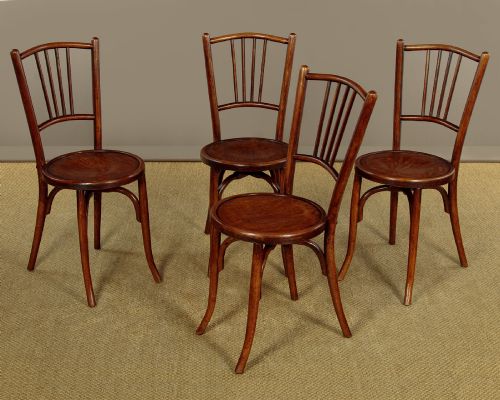
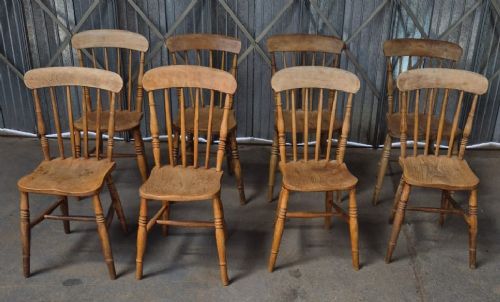
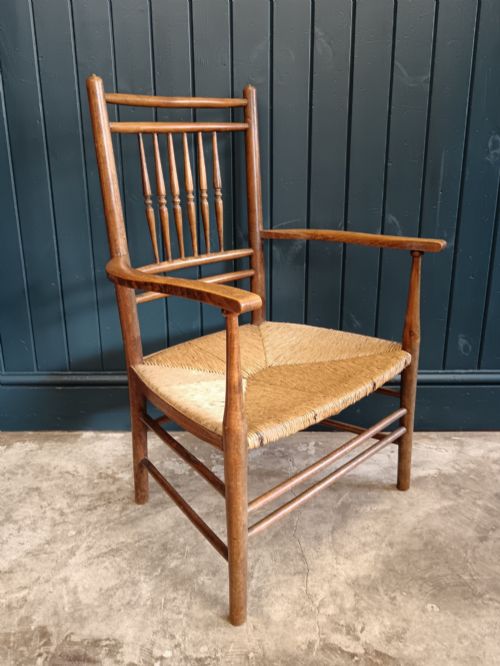
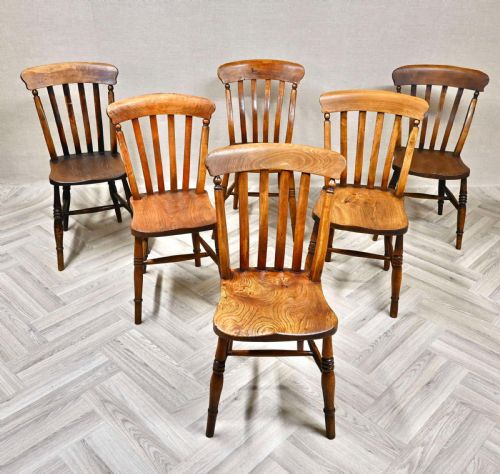
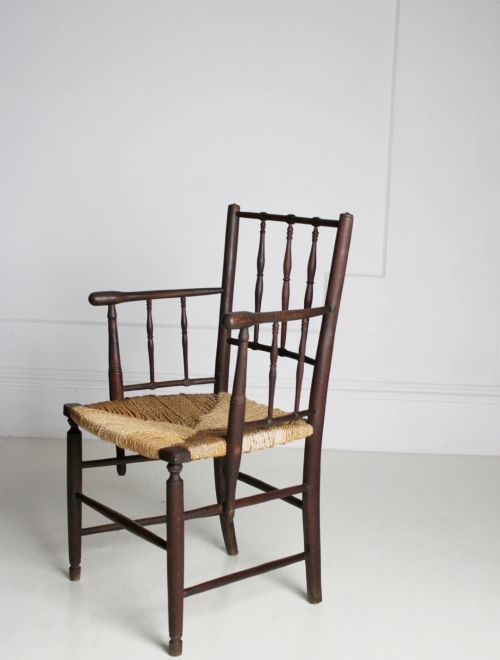
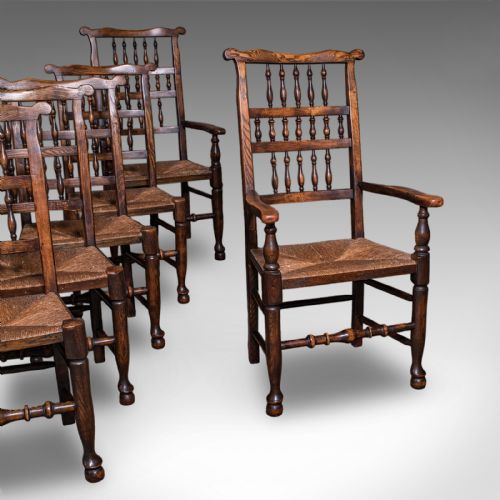
A beech spindle chair encompasses a diverse range of vernacular seating, from kitchen Windsor chairs and smokers bows to Arts and Crafts armchairs and bentwood dining seats. When searching for a beech spindle chair, buyers most frequently encounter Victorian and Edwardian examples that combine turned wooden uprights with solid elm or rush seats.
The selection ranges from robust office desk chairs and revolving library seats to dainty children's high chairs, rocking chairs, and miniature furniture. Many pieces reflect regional English traditions, including Thames Valley stick backs, Lancashire dining chairs, and the iconic Sussex design associated with Philip Webb.
These forms served utilitarian purposes in kitchens, country houses, farmhouses, and offices before becoming celebrated for their simple construction and structural rhythm. The enduring appeal lies in the visible turning of the spindles and the contrasting tones of beech frames paired with elm, ash, or oak.
How they were made
Makers utilised straight-grained beech for its superior turning qualities, shaping the structural legs and vertical back spindles on a lathe. This timber was routinely combined with tough elm for saddle seats, ash for bowed rails, and occasional oak or brass reinforcement.
Construction relied on traditional joinery techniques such as mortise and tenon joints, steam bending for curved captain's bows, and steam-curved backrests. Seats were often deeply moulded from a single slab of elm or fitted with woven rush, seagrass, or tan hide.
Surface finishes range from stained or ebonised treatments seen in Arts and Crafts pieces to natural patinas developed through generations of domestic use.
Beech Spindle Chair Retail Price Guide 2026
Typical asking prices for beech spindle chair among the pieces listed under this phrase on Sellingantiques today, from the lower quarter to the upper quarter. They describe what is for sale here now, not the wider market.
Listings feature Victorian and Edwardian examples alongside pieces from the 1870s to the 1920s, constructed predominantly in beech, elm, and rush.
What varies in quality
The integrity of the structural turning and the crispness of the spindle profiles set exceptional examples apart from standard utility seating. Superior pieces display well-proportioned components where spindles retain their full thickness and original lathe marks remain sharp.
The choice and figuring of the timber significantly influence the character of the piece, particularly where rich elm saddle seats contrast against pale beech frames. Original surfaces, untouched patinas, and intact woven rush or seagrass seats elevate the standing of a chair compared to heavily stripped or later painted alternatives.
Codina·Liberty of London·Morris and Co·Philip Webb
The Beech Spindle Chair Glossary
- Spindle back
- A chair back constructed from a series of slender, turned wooden uprights rather than a solid splat. These members offer lightweight strength and visual transparency.
- Smoker's bow
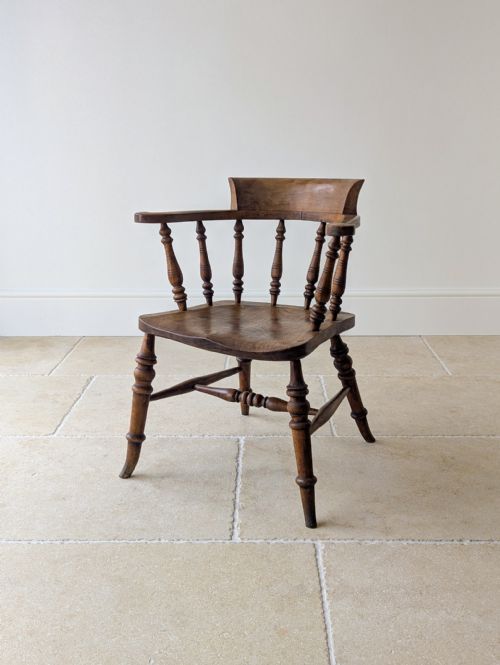
- A low-backed Windsor armchair featuring a continuous curved armrail supported by turned spindles above a saddle seat. Originating in the nineteenth century, it served as a comfortable seat for smoking and reading.
- Rush seat
- A seating surface woven from dried marsh rushes around a wooden frame. This traditional technique provides a resilient and pliable base.
- Windsor chair
- A chair built with a heavy solid wooden seat into which the legs, back spindles, and arms are separately bored and wedged. This vernacular construction method yields high durability.
- Sussex chair
- An Arts and Crafts seating form inspired by traditional Sussex cottage chairs featuring ebonised or stained frames and rush seats. Philip Webb and Morris and Co popularised the design.
Beech Spindle Chair: Frequently Asked Questions
How do I care for a rush seat?
Rush seats require a stable indoor environment protected from excessive moisture and direct sunlight, which can cause the natural fibres to become brittle. Regular dusting with a soft brush helps prevent dirt accumulation between the weaves.
Applying moisture directly should be avoided, as water can weaken the dried marsh plant material over time.
Are these chairs comfortable for daily use?
Many spindle-backed designs incorporate ergonomically sculpted elm saddle seats and raked backrests that offer surprising support for everyday seating. Dining chairs, desk chairs, and rocking chairs from this tradition remain practical for daily sitting.
Adding a loose cushion can increase comfort on wooden seats without altering the historic character of the piece.
How do I distinguish Victorian from Edwardian chairs?
Victorian examples often display heavier turned components, darker stained finishes, and traditional country vernacular forms like deep Windsor bows. Edwardian pieces frequently lean towards lighter proportions, simplified Arts and Crafts lines, or brighter beech frames.
Examining the construction methods, screw types, and overall silhouette helps clarify the period of manufacture.