
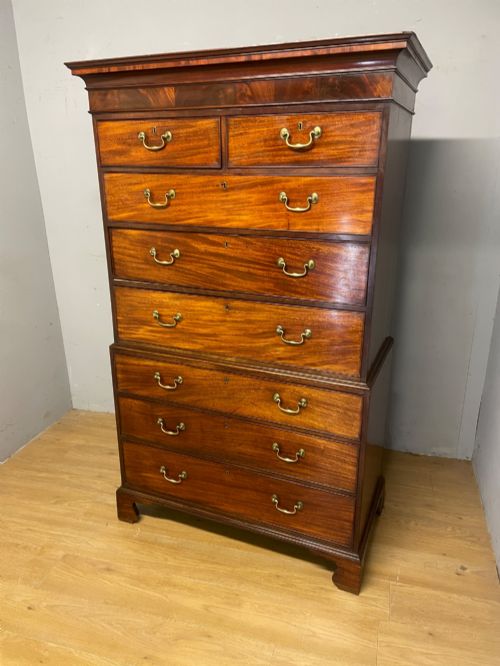
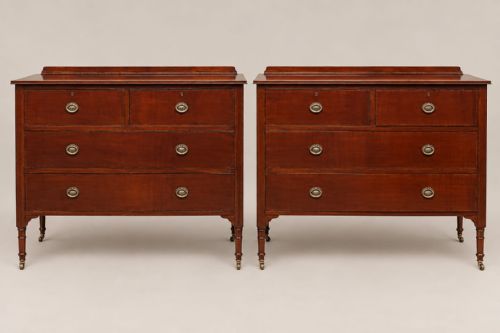
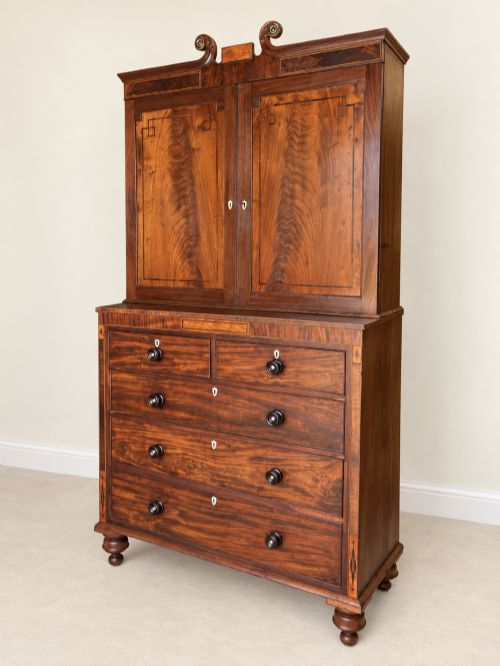
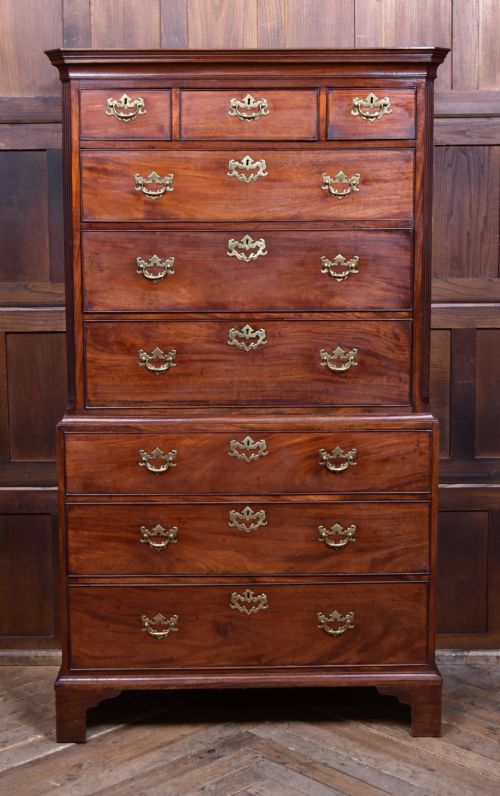
Bedroom Tallboy Chest
A bedroom tallboy chest delivers substantial vertical storage through stacked drawers, combining practicality with period character.
Bedroom Tallboy Chest
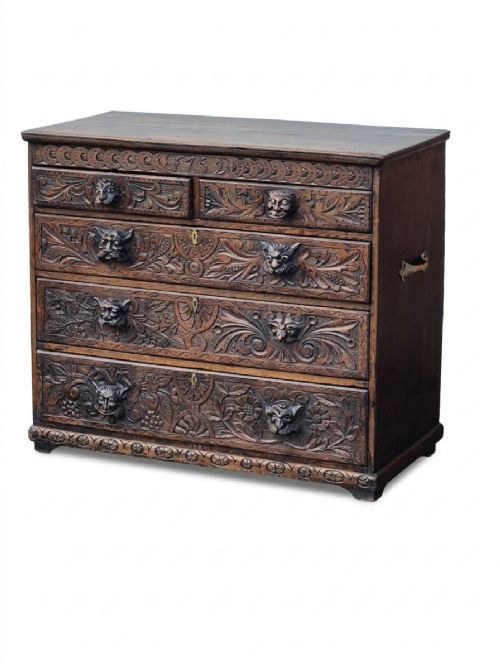
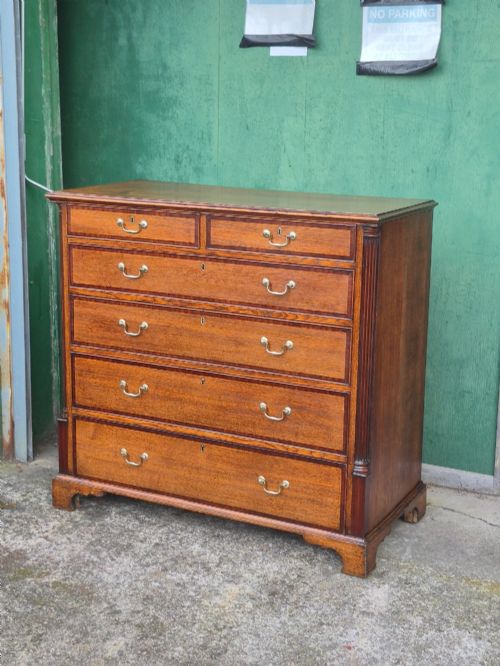
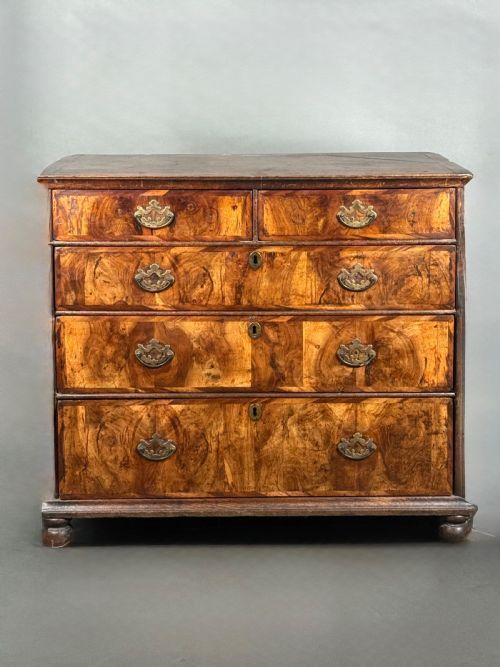
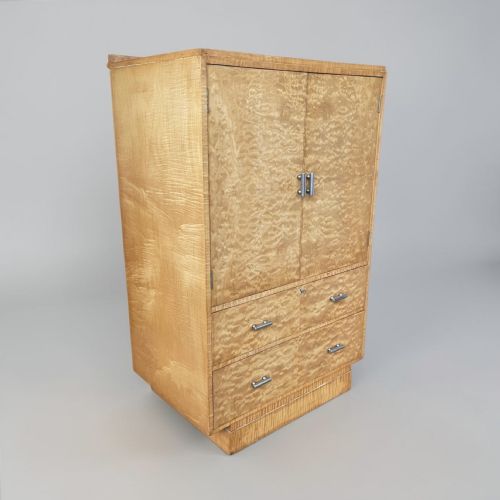
When you search for a bedroom tallboy chest, you encounter tall, vertical storage solutions designed to maximise capacity while occupying a compact floor footprint. The pieces span periods from the eighteenth century through the Edwardian era, Victorian times, and the nineteen-thirties.
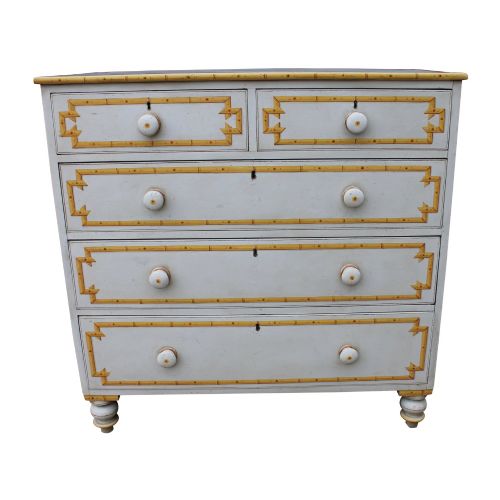
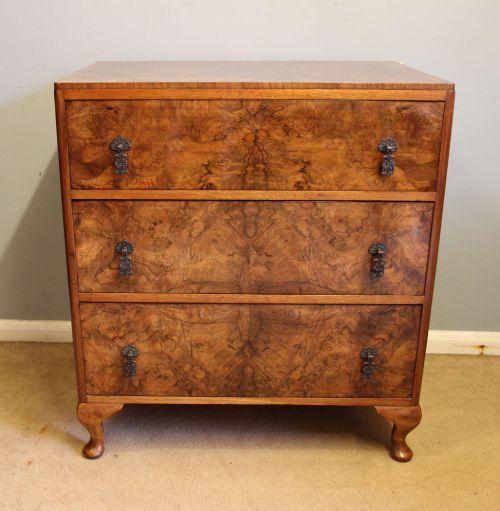
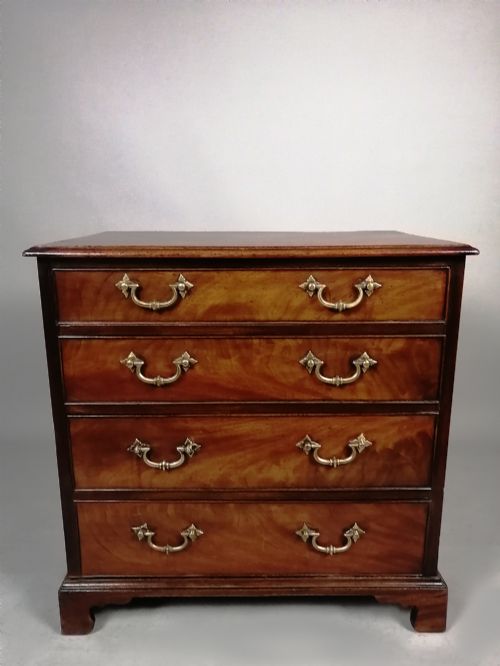
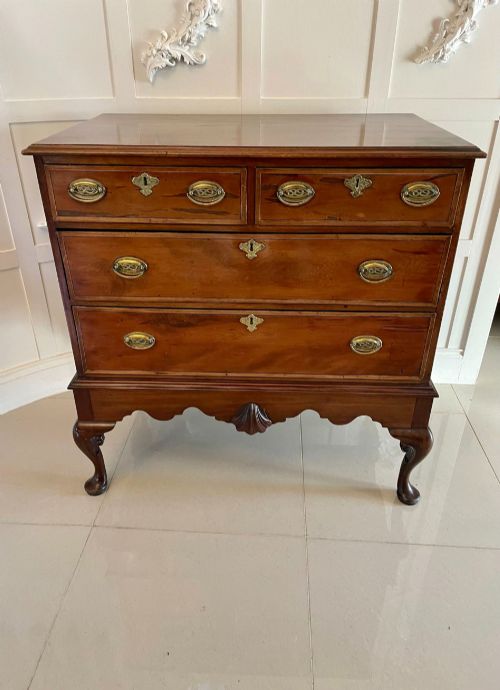
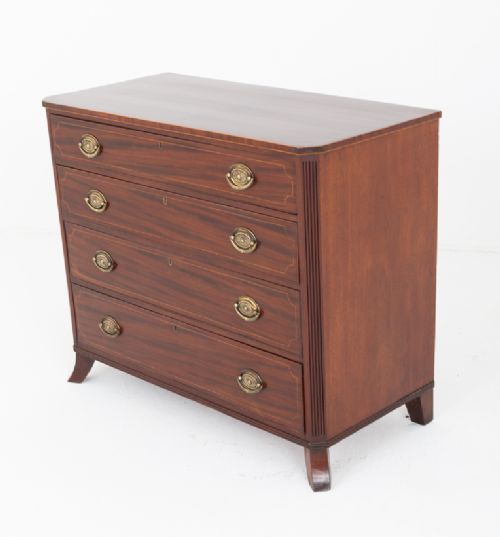
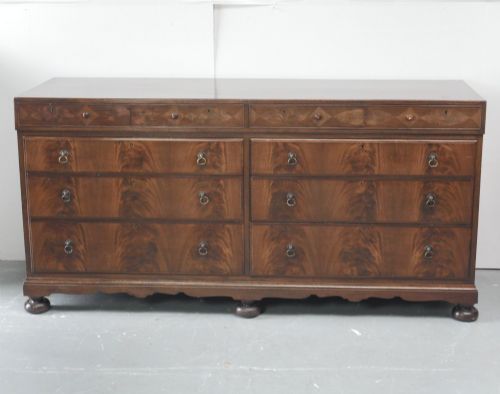
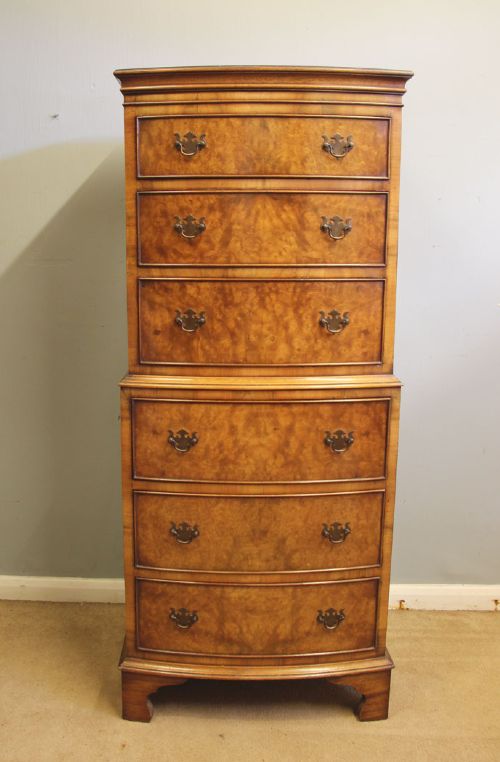
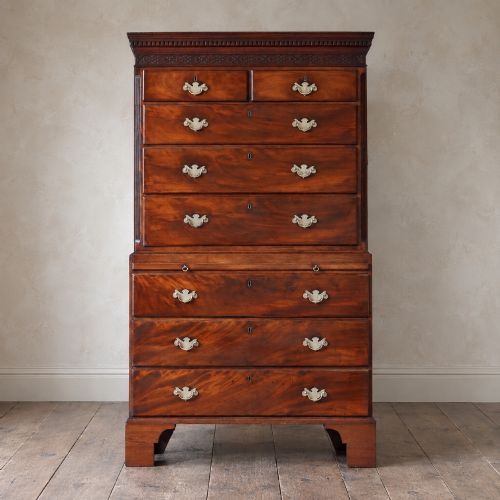
The selections you meet most frequently on this page include Georgian mahogany designs, Victorian pine and oak items, and nineteen-thirties burr walnut art deco examples. Formats vary between traditional single-carcass tallboys, chests on chests, and narrow Wellington chests.
Originating primarily from English workshops, these items serve as primary clothes storage in domestic settings. The evidence encompasses linen presses, compactums, and multi-drawer chests tailored for bedroom use.
What varies in quality
The degree of refinement in timber selection dictates visual appeal, with figured grains, book-matched veneers, and satinwood banding separating standard utilitarian pieces from exceptional examples. Detail work in drawer linings, brass mounts, and carved elements indicates the maker's skill level.
Proportion and execution define the hierarchy of these items, where balanced drawer graduations and integrated brushing slides elevate the utility and aesthetic value. The integrity of original surfaces and patination influences the character of each piece.
Some nineteenth-century chests conceal candle sconce mounts for late-night illumination.
Whytock & Reid·T & G Seddon
The Bedroom Tallboy Chest Glossary
- Tallboy
- A tall chest of drawers, often built as two sections stacked one upon another. This configuration provides high storage capacity within a narrow floor plan.
- Brushing slide
- A pull-out shelf integrated into the cabinet facade just above the top drawers. It historically served as a surface for sorting garments or grooming.
- Wellington chest
- A tall, narrow chest featuring a single hinged locking stile on one side that secures all drawers simultaneously. The design originated in the nineteenth century.
- Bow front
- A cabinet front curved convexly outward in a smooth arc. This shape frequently characterises Regency and Georgian mahogany chests.
- Linen press
- A tall cupboard or chest featuring upper doors enclosing sliding trays for textiles, positioned above lower storage drawers. They functioned as domestic wardrobes before hanging spaces became standard.
Bedroom Tallboy Chest: Frequently Asked Questions
What is a bedroom tallboy chest?
A bedroom tallboy chest is a vertical storage unit designed with multiple stacked drawers to hold clothing while taking up minimal floor space. These cabinets combine height with compartmentalised storage.
They appear across various historical periods, incorporating styles from Georgian proportions to art deco walnut finishes.
How do tallboys differ from standard chests?
Tallboys provide greater vertical height, often utilising a chest-on-chest format or narrow proportions to increase drawer capacity without widening the footprint.
Standard chests of drawers remain lower, sometimes doubling as dressing surfaces with attached mirrors.
What woods were used for tallboys?
Cabinet makers utilised solid hardwoods such as mahogany and oak alongside pine for utility pieces. Decorative veneers like burr walnut and flame mahogany enhanced front-facing surfaces.
Inlays in satinwood and brass hardware frequently completed the ornamentation.
How do I date a tallboy chest?
Dating relies on identifying characteristic timber choices, handle styles, and construction techniques associated with periods like the Georgian era or the nineteen-thirties.
Formats such as bow fronts or specific veneer applications offer clear chronological markers for attribution.
Where were tallboys placed?
Bedrooms served as the primary location for these chests, providing essential storage for linens, garments, and personal items before fitted wardrobes became common.
Their vertical design made them suitable for rooms with limited wall space.