







Beaded Gold Oval Frames
These beaded gold oval frames bring together centuries of craftsmanship, housing everything from delicate portrait miniatures to grand wall mirrors.
Beaded Gold Oval Frames
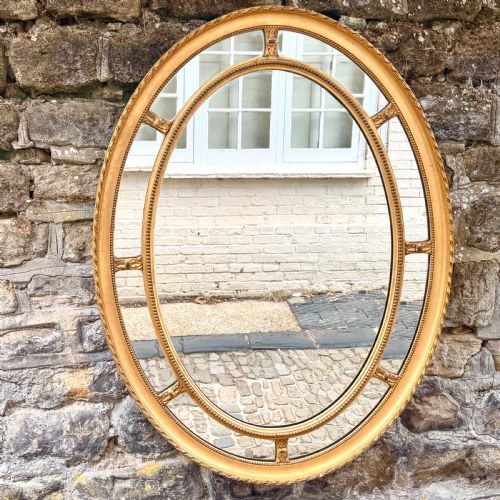
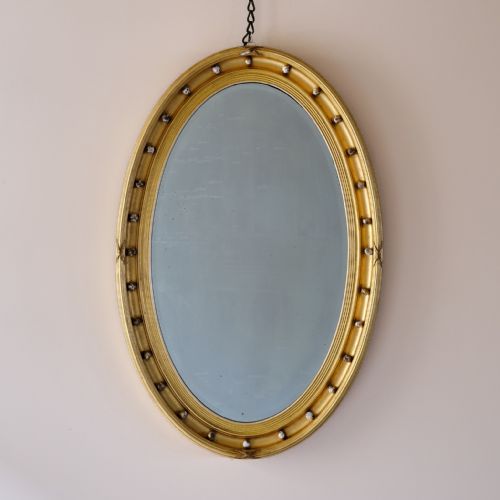
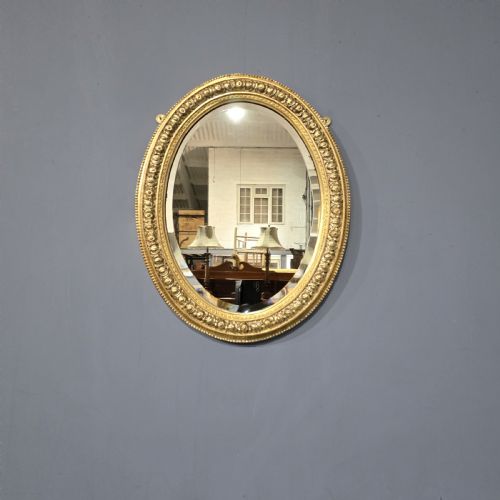
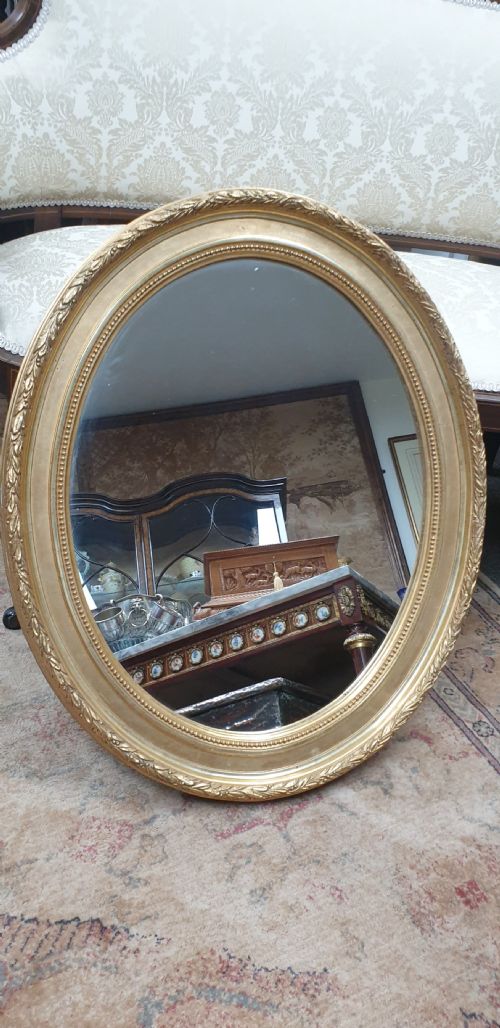
When you search for beaded gold oval frames, you encounter a distinct selection of decorative wall art, mirrors, and portrait miniatures. The offerings range from small nineteenth-century pieces to substantial Regency and Victorian wall mirrors.
The most common examples on this page are nineteenth-century gilt oval mirrors, often featuring detailed gesso work and composition ornaments. Alongside these hang miniature frames enclosing portrait miniatures, needleworks, and butterfly prints from the eighteenth and nineteenth centuries.
Pieces span various historical periods, including the Georgian, Regency, Victorian, and Edwardian eras. Each format displays the curved silhouette characteristic of traditional oval framing techniques.
Materials and construction methods
The foundation of these pieces relies primarily on wood, gesso, and composition applied to create the characteristic curved shapes and beaded details. Artisans shaped these substrates before applying layers of gold leaf or water gilding to achieve a reflective surface.
Moulded composition ornaments frequently accent the wooden bases, particularly on nineteenth-century examples where intricate relief work was desired. Glazing materials protect fragile contents such as paper prints, textiles, and pastels within the smaller frames.
Beaded Gold Oval Frames Retail Price Guide 2026
Typical asking prices for beaded gold oval frames among the pieces listed under this phrase on Sellingantiques today, from the lower quarter to the upper quarter. They describe what is for sale here now, not the wider market.
The material selection incorporates traditional giltwood alongside delicate paper prints, textiles, and glass.
Factors influencing quality
The depth and definition of the carved or moulded beadwork along the inner or outer edges distinguish finer examples from simpler production. Crisp execution in the gesso and composition reveals the skill involved in the original manufacturing process.
The integrity of the original gold leaf surface and the preservation of the underlying gesso heavily impact the overall character of each piece. Surviving historical finishes display a warmer patina compared to later interventions or re-gilding.
JAMES SHARPLES·Henry Jacob Burch
The Beaded Gold Oval Frames Glossary
- Gesso
- A plaster-like mixture applied to wood frames as a base for gilding. It allows craftsmen to carve fine details and relief patterns before applying gold leaf.
- Giltwood
- Timber that has been covered with gold leaf or gold paint. This material forms the primary structure of many traditional decorative frames.
- Composition
- A mixture of whiting, resin, oil, and glue pressed into moulds to create decorative ornaments. It provides an efficient alternative to hand carving.
- Water gilding
- A traditional technique using water-based size to adhere gold leaf to a gesso surface. This method permits burnishing to a high shine.
- Girandole
- A branched wall mirror designed to hold candles. These fixtures reflect light to illuminate interiors during the eighteenth and nineteenth centuries.
Beaded Gold Oval Frames: Frequently Asked Questions
What periods do these frames represent?
The selection spans from the eighteenth century through the Georgian, Regency, and Victorian eras into the early twentieth century.
Each period brings distinct stylistic nuances to the gilder's art, reflecting the shifting tastes in interior decoration over two hundred years.
How were these oval frames used historically?
They served primarily as wall mirrors, decorative surrounds for portrait miniatures, and enclosures for delicate needleworks or prints.
Their curved profiles added softness to panelled rooms and reflected ambient light from windows and candles.
How do I distinguish nineteenth-century frames?
Nineteenth-century pieces often utilise moulded composition ornamentation applied over wooden carcases, finished with gold leaf or gilt paint.
Closer inspection of the gesso layers and the joinery at the oval's apex reveals the manufacturing techniques typical of the Victorian and Regency periods.
Can I hang these mirrors in modern rooms?
Their classic oval forms and gilded finishes allow them to integrate successfully into contemporary interior schemes as focal points.
Their varied sizes make them adaptable for placement above mantelpieces, in hallways, or among collections of mixed wall art.