





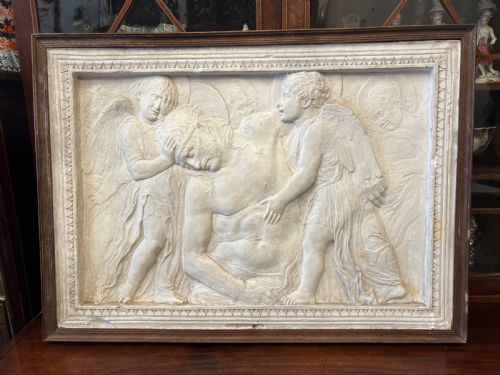


Bas Relief Panel
A bas relief panel brings sculptural depth to a wall, offering figures and scenes cast or carved across bronze, wood, plaster, and terracotta.
Bas Relief Panel
A bas relief panel presents sculptural imagery raised just above a flat background, designed for wall display as a plaque, frieze, or wall sculpture.
You will most frequently encounter pieces fashioned from bronze, wood, and plaster, reflecting periods from the eighteenth century through to the mid-twentieth century.
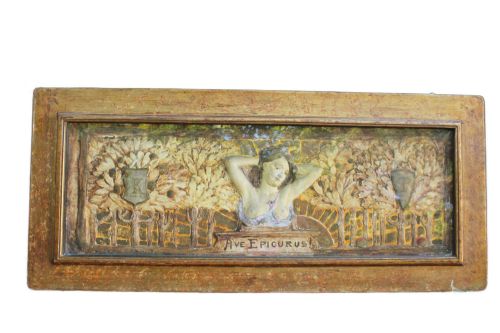
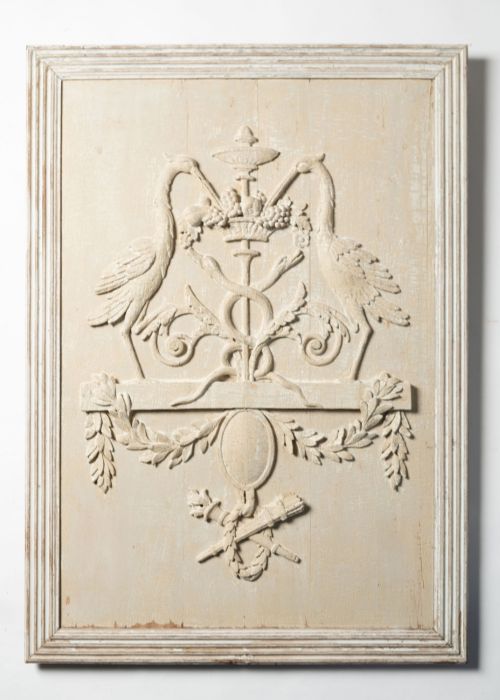
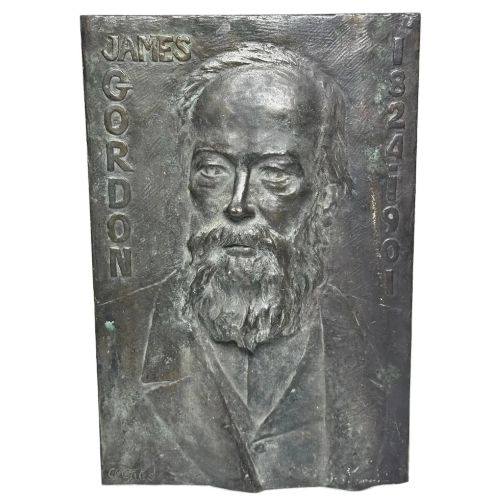
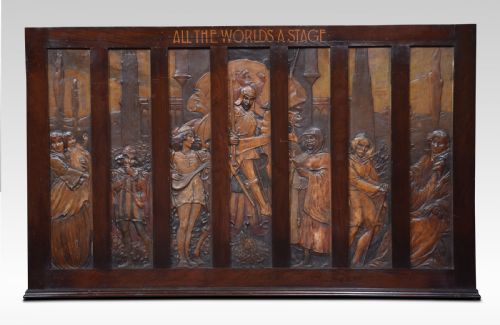
The aesthetic vocabulary spans Renaissance Revival, Neoclassical, and Arts and Crafts movements, translating classical portraits, literary quotes, and religious scenes into compact wall art.
Materials and construction methods
Metal panels rely on casting techniques, utilising bronze and copper to capture fine facial details and lettering, sometimes with applied patination or bronzed finishes.
Wooden examples utilise timber, oak, and walnut, shaped through hand carving to create relief depth directly into the grain.
Plaster and gesso pieces depend on moulding and casting, occasionally augmented with polychrome paint or framing to support the composition.
Bas Relief Panel Retail Price Guide 2026
Typical asking prices for bas relief panel among the pieces listed under this phrase on Sellingantiques today, from the lower quarter to the upper quarter. They describe what is for sale here now, not the wider market.
Listings feature works spanning the eighteenth, nineteenth, and twentieth centuries, executed in bronze, plaster, wood, terracotta, and marble.
Distinctions in quality
The standard of a piece rests on the precision of the modelling and the clarity of the cast or carve, where crisp definition distinguishes accomplished work from softer interpretations.
Signatures by identified sculptors or makers elevate the standing of a panel, as do original frames and period patination that remain undisturbed by later restoration.
Alice Gates·Eugene Canneel·Kasper Hendrik Roskam
The Bas Relief Panel Glossary
- Bas relief
- Sculpture in which the figures project only slightly from the background plane, creating a shallow three-dimensional effect.
- Patina
- The surface sheen and coloration developed naturally over time or applied chemically to metals and woods.
- Polychrome
- The decoration of objects in a variety of painted colours, often seen on plaster and wooden reliefs.
- Maquette
- A small preliminary model or sketch made by a sculptor prior to executing a finished work in its final scale and material.
Bas Relief Panel: Frequently Asked Questions
How do I hang a heavy bronze panel?
Bronze and cast metal panels require secure wall fixings suited to their weight, often utilising integrated loops or substantial wooden framing to distribute the load evenly.
Avoid relying on simple picture wire for dense metal or marble reliefs, and consult a professional if mounting onto fragile plaster walls.
Are these panels meant for interior display only?
Most pieces recorded are designed for indoor environments, where fluctuating outdoor temperatures and moisture cannot damage vulnerable materials like plaster, gesso, and unsealed wood.
Bronze and treated metals tolerate ambient indoor humidity well, but porous mediums require stable conditions away from direct heat sources.
How do I clean a carved wooden panel?
Dust wooden carvings gently with a dry, soft-bristled brush or a lint-free cloth to remove particles from recessed crevices without disturbing the grain or finish.
Refrain from using liquid polishes, household detergents, or water, as moisture can penetrate aged timber and cause warping or cracking.
What is the difference between bronze and bronzed copper?
Solid bronze panels consist of a copper and tin alloy cast through traditional foundry methods, possessing substantial weight and deep metallic substance throughout.
Bronzed copper or plaster items feature a surface coating applied to simulate the appearance of solid bronze over a lighter or alternative base material.