
Barware Glass Decanter
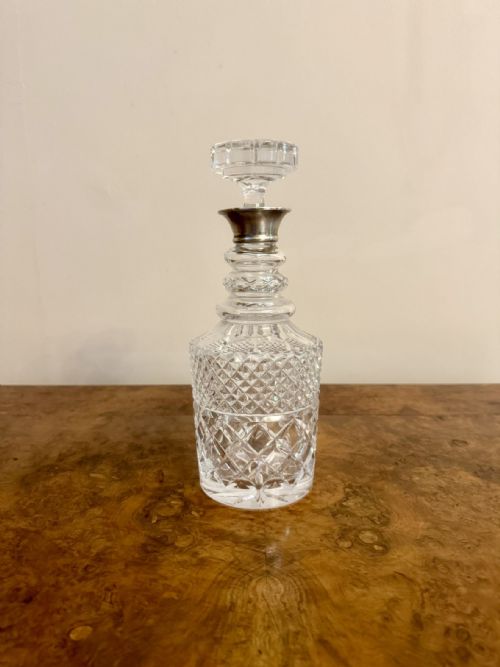
A barware glass decanter brings period craft to the table, holding spirits in cut crystal, coloured glass and silver mounts.
Barware Glass Decanter
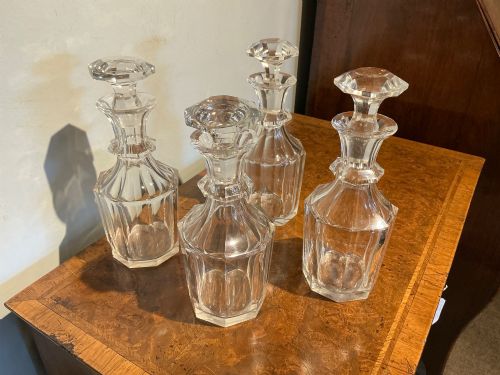
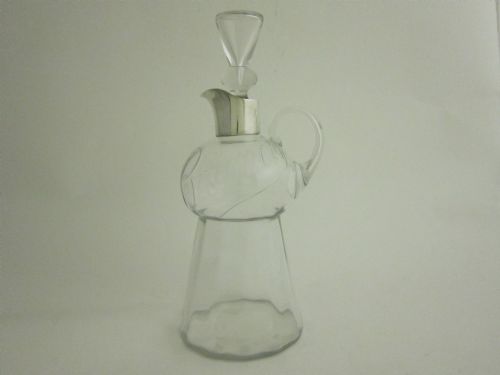
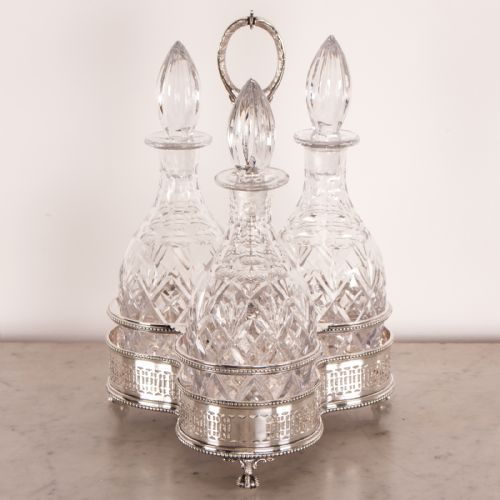
A barware glass decanter is a vessel designed to hold and pour wine, spirits and liqueurs, appearing across nineteenth and twentieth century periods in diverse forms. Buyers searching for a barware glass decanter frequently encounter Victorian cut glass examples, Edwardian vessels, and sets housed in tantalus frames.
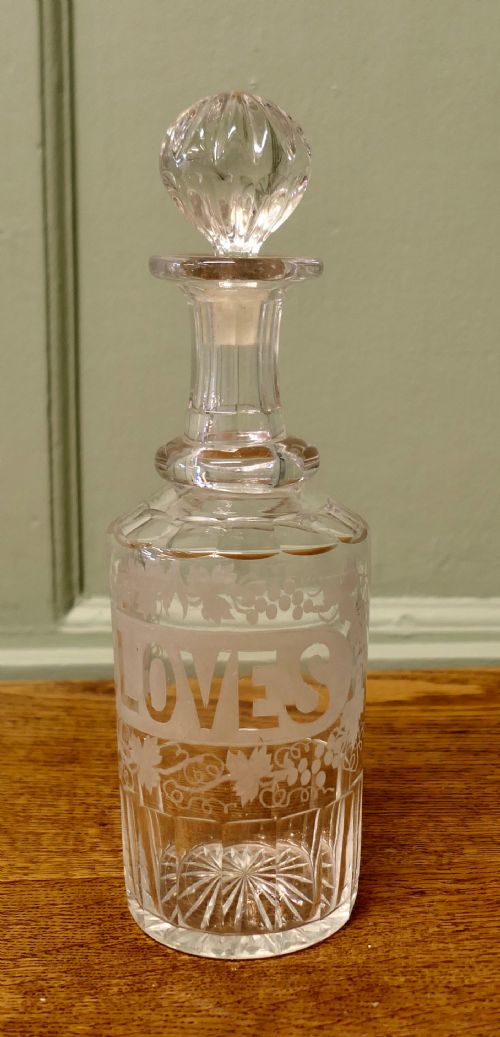
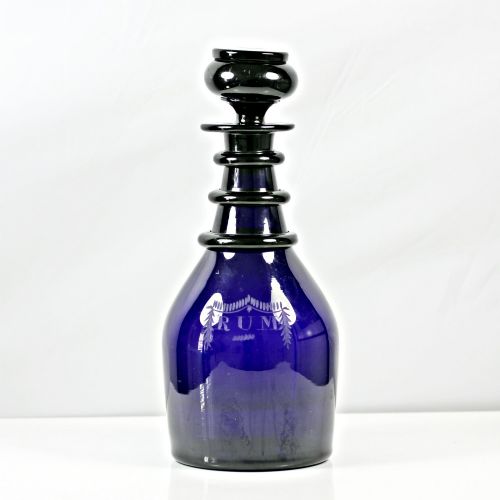
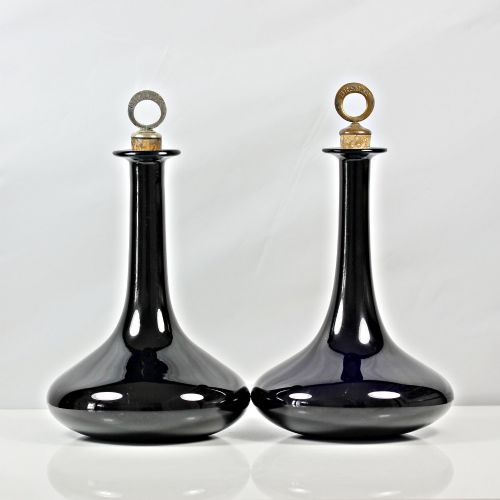
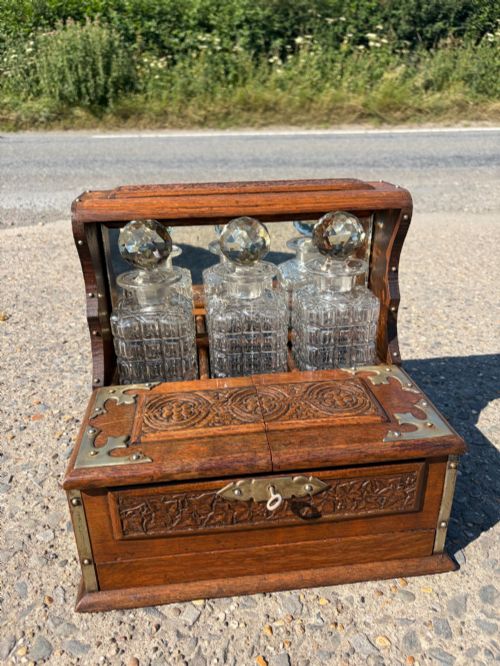
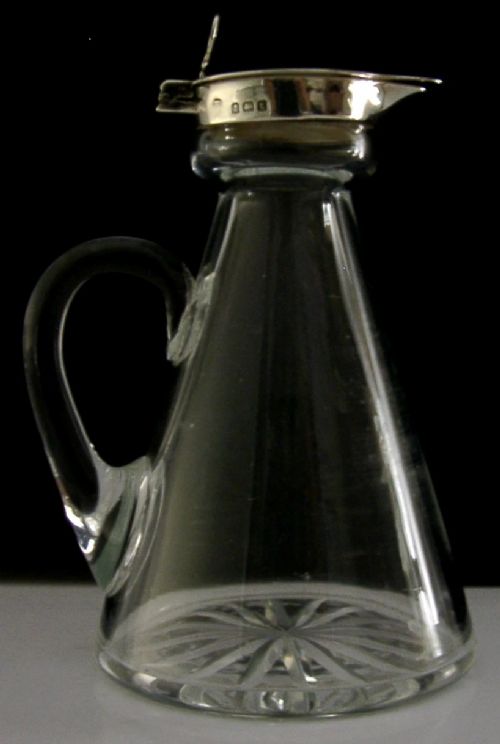
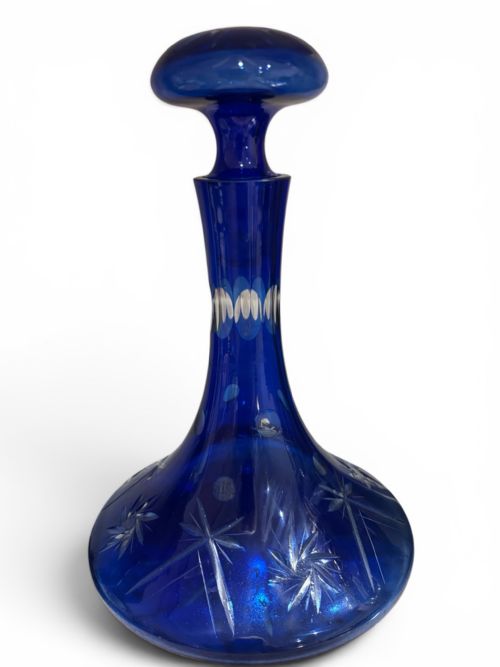
The selections span simple spirit flasks and whisky noggins to elaborate three bottle tantalus sets with locking mechanisms and games boxes. Coloured glass versions in Bristol blue, ruby, and bohemian cobalt sit alongside clear lead crystal pieces engraved or etched with floral and geometric motifs.
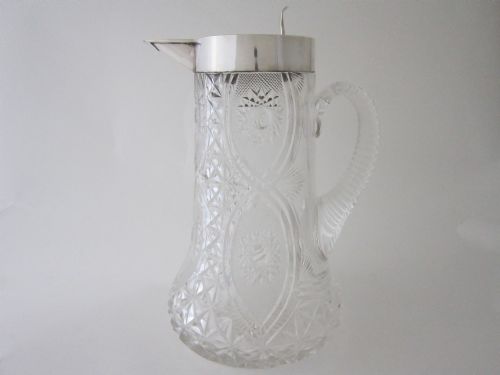
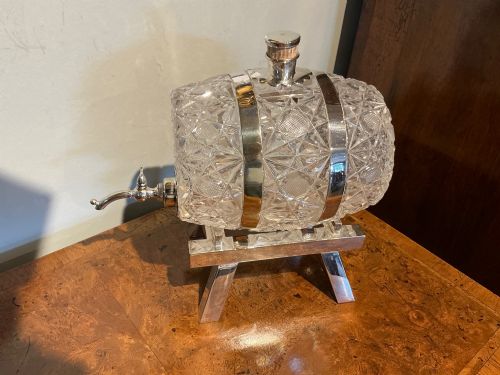
Originating from British and continental workshops, these pieces include claret jugs, barrel dispensers, and liqueur sets designed for dining rooms and drawing rooms. The surviving inventory reflects domestic entertaining customs spanning the Georgian era through to Art Deco designs of the nineteen thirties.
Materials and production
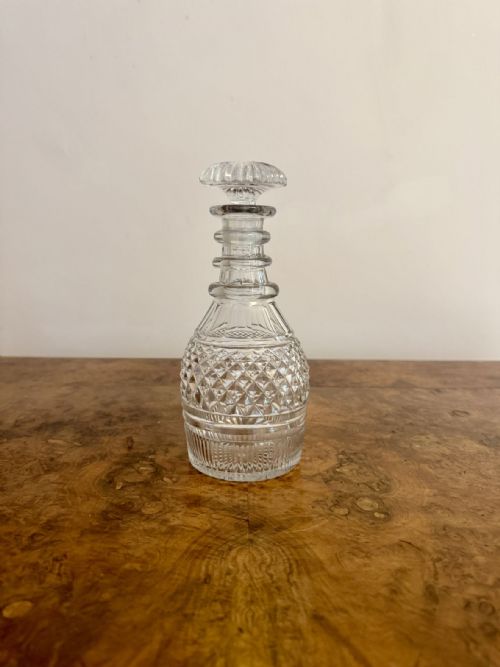
Makers utilised heavy lead crystal and cut glass, shaping vessels through blowing and wheel cutting to catch the light. Surfaces display deep facets, ringed necks, and engraved labelling such as Madeira or spirit names.
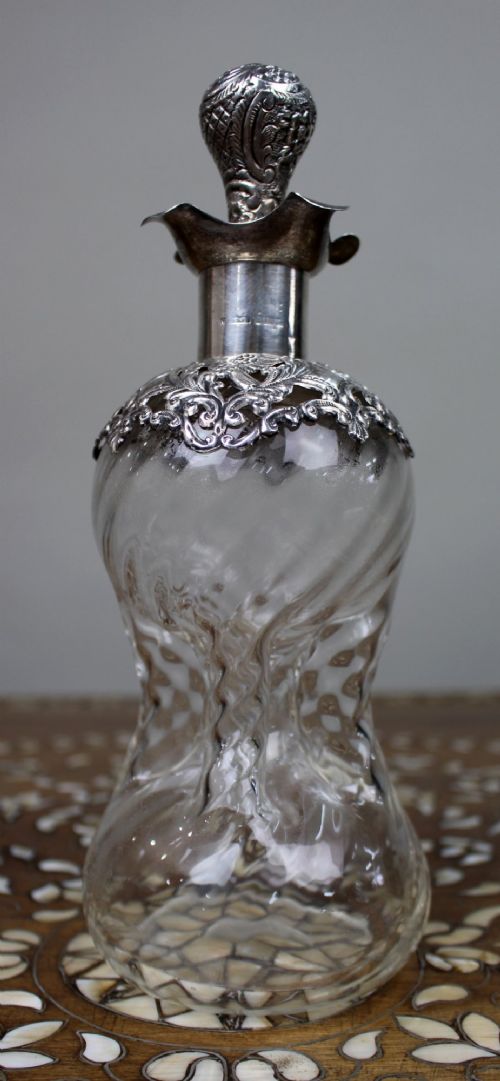
Metal mounts in sterling silver, silver plate, and brass provide collars, stoppers, and hinged handles. Oak, coromandel, and satinwood supply the housing for tantalus frames and liqueur boxes, secured with locks.
Pigeon blend whisky once filled an enamelled Scottish decanter, proving our ancestors took their evening dram very seriously indeed.
Judgement of quality
The weight and clarity of the crystal distinguish finer vessels, alongside the crispness of wheel cut facets. Heavy lead content yields a clear ring and deep refraction, separating superior glass from simpler moulded alternatives.
The integration of metal elements defines the standard of the piece, from hallmarked sterling silver collars to fitted wooden frames with functioning locks. Original matching stoppers and intact silver mounts complete the integrity of the object.
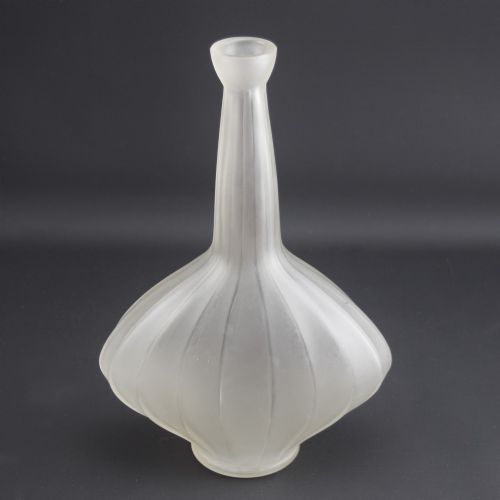
Walker And Hall·Rene Lalique·Liberty Co·Archibald Knox
The Barware Glass Decanter Glossary
- Tantalus
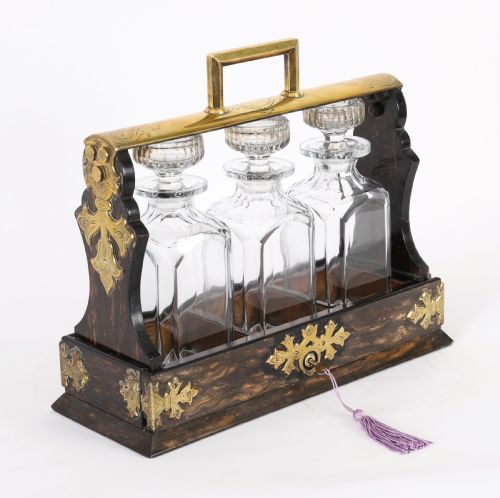
- A locked wooden frame holding decanters securely while displaying the contents, preventing unpermitted access. The mechanism typically lifts by a bar when a key is turned.
- Noggin
- A small vessel or jug for holding a single measure of spirits, frequently fitted with a sterling silver mount and handle. These small decanters often accompany whisky sets.
- Claret jug
- A pouring vessel specifically formed for serving red wine, combining a glass body with a silver plated or silver hinged mount and handle. Victorian examples frequently display naturalistic engraved foliage.
- Lead crystal
- Glass containing heavy metal oxide that increases brilliance, weight, and refractive index. This material permits deep wheel cutting without compromising structural stability.
- Mell decanter
- A specific bottle shape featuring a rounded body and tapering neck, historically used for port and wine storage. These vessels sit low on the table.
Barware Glass Decanter: Frequently Asked Questions
How do I date a decanter?
Dating relies on the shape of the neck rings, the depth of the glass cutting, and any accompanying metal hallmarks. Sterling silver mounts frequently bear date letters and maker marks that pinpoint the exact year of production.
Secondary indicators include the presence of pontil marks on older vessels and the prevailing style of engraving. Victorian and Edwardian pieces show distinct shifts from heavy hand cutting to lighter geometric motifs.
What is a tantalus set?
A tantalus is a locking cabinet or frame that holds two or three decanters securely in place. The frame prevents guests or servants from accessing the contents without a key.
These sets gained popularity in the late nineteenth century and were placed in smoking rooms, studies, and dining parlours. Oak and coromandel wood housings often incorporated games compendiums beneath the bottles.
Are stoppers usually original?
Matching the stopper to the decanter requires examining the ground glass neck and the lower peg of the stopper. Hand-ground stoppers often feature matching numbers or fit the specific contours of the individual vessel.
Replacements are common due to breakage over decades of domestic use. A correct original stopper sits flush and shares the same degree of glass wear and clarity as the body.
How should I clean antique glass?
Cleaning requires warm water and mild detergent, avoiding sudden temperature changes that can crack aged crystal. Soft brushes and bottle cleaning beads help remove internal residue without scratching the surface.
Silver mounts and collars need separate care using appropriate metal cleaners to prevent tarnish reaching the glass. Stored decanters benefit from leaving stoppers slightly ajar to maintain air circulation.