




Baroque Woven Tapestry Panels
Baroque woven tapestry panels bring deep 17th-century craftsmanship into a room, offering rich textures and historic narrative scenes through wool and silk.
Baroque Woven Tapestry Panels
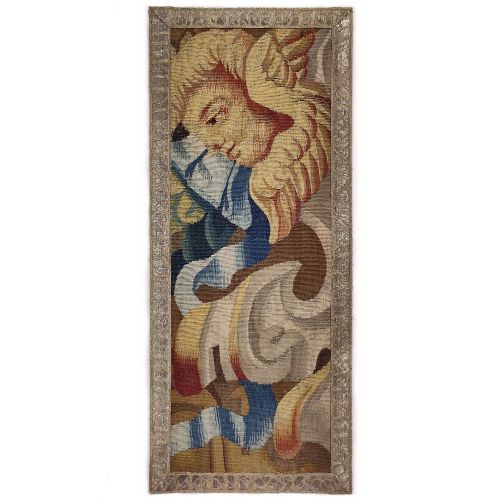
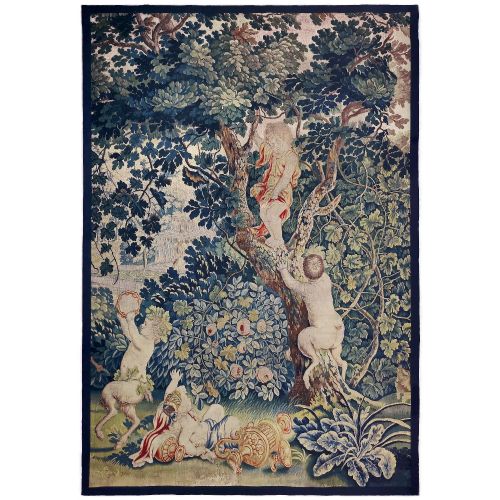
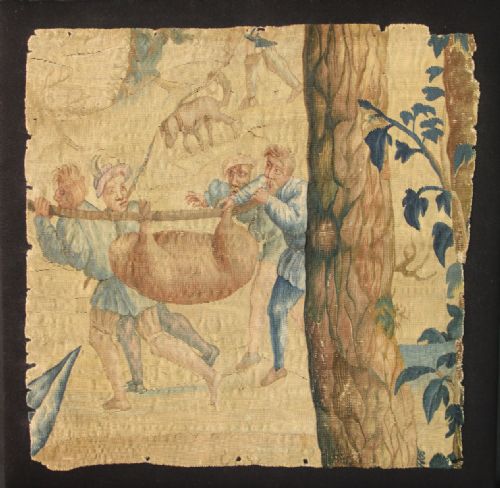
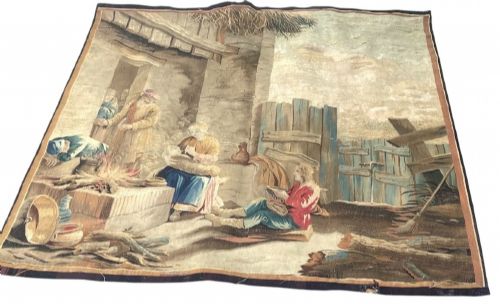
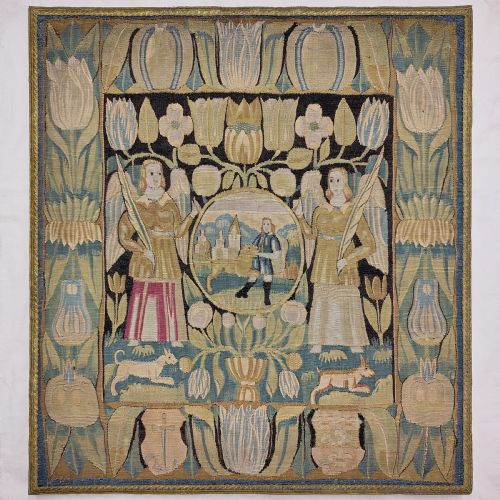
Baroque woven tapestry panels encompass substantial wall hangings, framed textile art, and smaller cushions or cushion covers originating from the 17th century and around 1700. These textiles capture the decorative ambition of the period through elaborate depictions, foliage, and figural compositions.
Buyers encountering this page will frequently find verdure tapestries alongside historic Flemish fragments and specific regional works. The selection ranges from expansive wall displays to domestic furnishings like tapestry cushion covers.
Materials and Construction
These textiles rely on a combination of wool, silk, and linen yarns woven together to build complex imagery and structural integrity. Master weavers utilised these organic materials to achieve varying textures and depth across each composition.
Many surviving panels exist as fragments or mounted wall hangings, sometimes incorporating wood and glass for framing or preservation. The interplay of silk and wool allowed makers to introduce subtle highlights against heavier woollen grounds.
Baroque Woven Tapestry Panels Retail Price Guide 2026
Typical asking prices for baroque woven tapestry panels among the pieces listed under this phrase on Sellingantiques today, from the lower quarter to the upper quarter. They describe what is for sale here now, not the wider market.
The listings feature 17th-century works produced across Flemish, French, and North German weaving centres, utilising wool, silk, and linen.
Distinguishing Quality in Period Textiles
The sophistication of the weave and the complexity of the design separate different examples within this category. Verdure panels with dense botanical detailing or works after specific artists demonstrate higher artistic ambition.
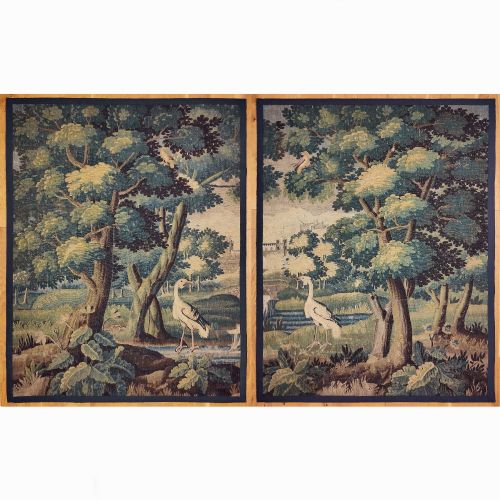
Condition and completeness also define the piece, distinguishing intact wall tapestries and pairs from individual fragments or adapted cushion covers. The survival rate of the original silk threads and the clarity of the verdure foliage indicate the primary skill of the workshop.
The Baroque Woven Tapestry Panels Glossary
- Verdure
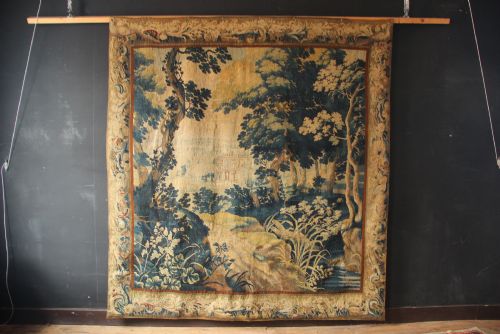
- A type of tapestry featuring a landscape background dominated by green plants, trees, foliage, and often birds or animals. These scenes formed a staple output for weaving centres during the seventeenth century.
- Flemish Baroque
- A regional artistic style characterised by dynamic movement, rich colour, and lush naturalism originating from Flanders. This aesthetic heavily influenced the production of large-scale wall tapestries.
- Tapestry Fragment
- A surviving portion of a larger wall hanging, preserved and sometimes reframed as a standalone textile work. Such pieces demonstrate the endurance of the weave despite the loss of the original composition.
- Cushion Cover
- A domestic furnishing item fashioned from historic woven textile panels, utilising decorative sections for everyday utility. These items repurposed older materials into functional home accessories.
- Wall Hanging
- A large textile art piece designed to be suspended directly onto interior surfaces for decoration and insulation. They represent the primary large-scale format of historical weaving.
Baroque Woven Tapestry Panels: Frequently Asked Questions
How do I hang a heavy tapestry panel?
Hanging large textile panels requires distributing the weight evenly across the upper edge to prevent distortion of the weave and yarns. Professional conservators often recommend a velcro mounting system or a custom-built padded batten.
Avoid using direct nails or pins through the fabric itself, as this places undue stress on the historic wool and silk threads. Ensure the wall selected remains away from direct sunlight and damp environments to protect the fibres.
What is a verdure tapestry?
A verdure tapestry depicts a stylised landscape dominated by trees, foliage, plants, and occasionally small animals or distant architecture. These leafy compositions served as popular decorative wall coverings in European interiors.
The word derives from the French term for green, reflecting the predominant colour palette used by weavers to mimic lush woodlands and gardens.
Are these panels from the seventeenth century?
The examples on this page date primarily from the 17th century and around 1700, reflecting Flemish, French, and North German weaving traditions. Stylistic elements such as verdure borders and figural compositions align with this period.
Specific dating relies on stylistic analysis of the weave structure, motifs, and material composition compared against documented historical examples.