







Baroque Woven Art
Baroque woven art brings theatrical 17th century mythology and lush verdure landscapes straight onto the wall.
Baroque Woven Art
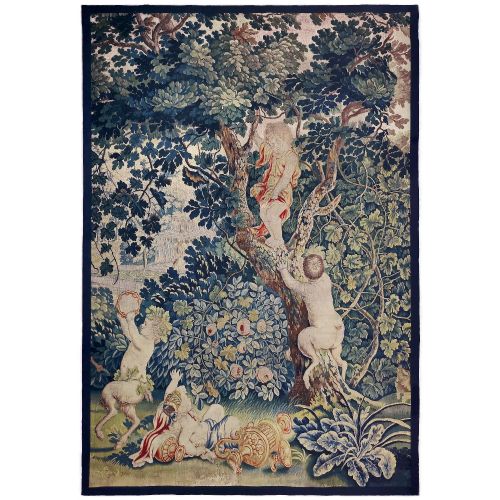
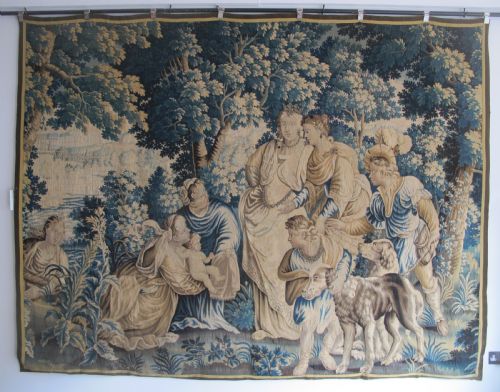
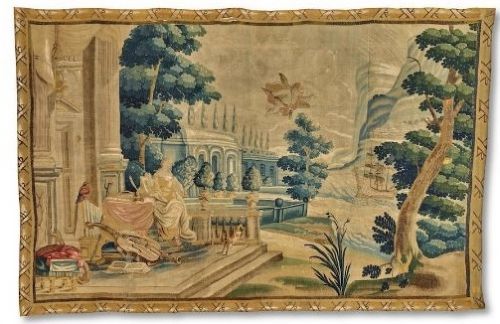
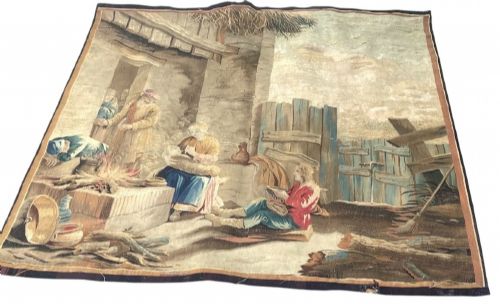
Baroque woven art encompasses substantial wall hangings, verdure panels, and textile fragments originating in the seventeenth century. These textile works depict mythological scenes, game parks, and biblical narratives woven in wool, silk, and gold thread.
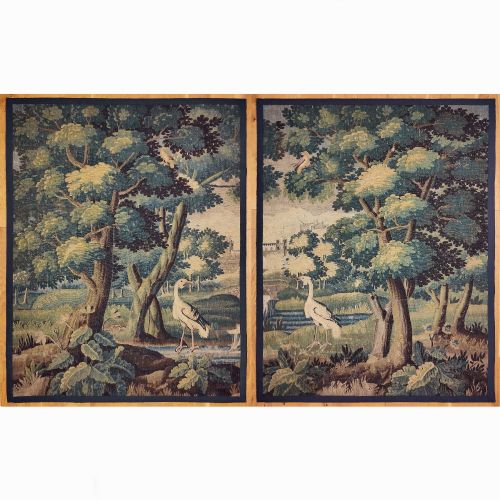
Most pieces encountered on this page belong to the Flemish and French baroque traditions, spanning wall tapestries, pairs of pilaster hangings, and smaller cushion covers. The inventory leans heavily toward seventeenth century Flemish verdure designs and Aubusson outputs.
How they were made
These textiles rely on intricate hand weaving utilising a combination of wool, silk, linen, and occasional gold thread. The warp threads form the structural base while coloured weft threads build the pictorial imagery.
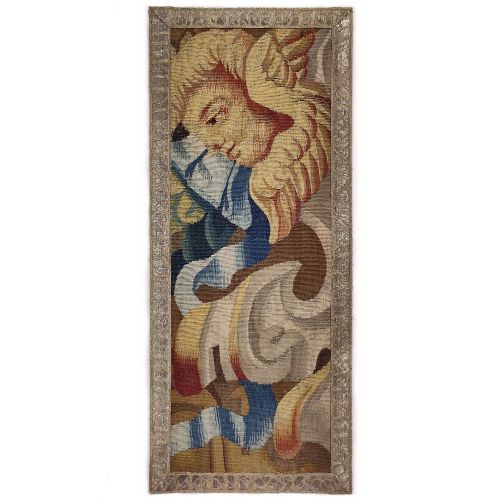
Many examples incorporate specialised framing or backing involving wood and velvet, particularly smaller items like cushion covers and framed fragments. Master weavers constructed these large scale compositions on vertical or horizontal looms during the seventeen hundreds and earlier decades.
Baroque Woven Art Retail Price Guide 2026
Typical asking prices for baroque woven art among the pieces listed under this phrase on Sellingantiques today, from the lower quarter to the upper quarter. They describe what is for sale here now, not the wider market.
The inventory records multiple regional origins including Brussels, Aubusson, and North Germany within seventeenth century dates.
What varies in quality
The distinction between standard and exceptional baroque woven art lies in the fineness of the thread work and the complexity of the narrative scene. Grand scale mythological Flemish tapestries demonstrate superior artistic ambition compared to simpler verdure panels.
Material composition also dictates the grade of the piece, with silk and gold thread inclusions commanding greater visual depth than basic wool and linen constructions. Preservation of the original colour palette and the integrity of the weave separate museum grade survivors from fragmentary pieces.
The Baroque Woven Art Glossary
- Verdure
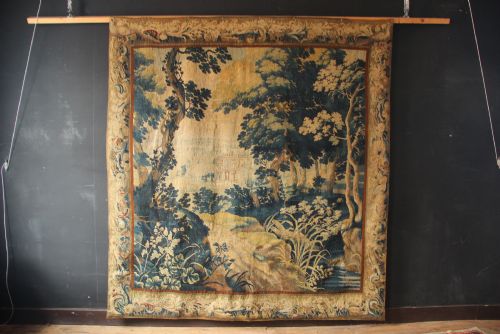
- A tapestry style featuring lush foliage, trees, plants, and often birds or animals. These landscape scenes dominated seventeenth century Flemish production.
- Pilaster hanging
- A long, narrow vertical tapestry designed to fit between architectural wall panels or windows. They often display symmetrical ornamentation or vertical botanical motifs.
- Tapestry fragment
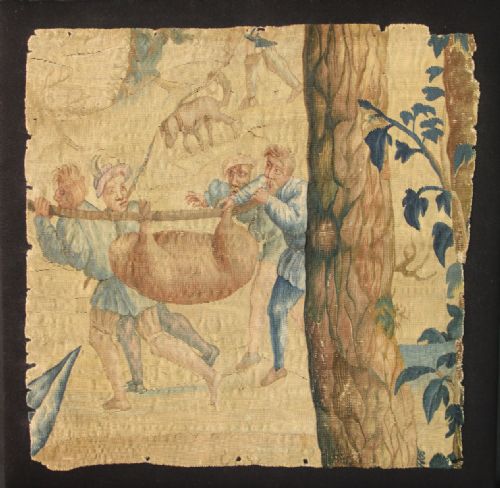
- A surviving section of a larger wall hanging that has been separated from its original composition. These pieces are frequently mounted and framed for modern display.
- Warp
- The stationary vertical threads stretched tightly on a loom that receive the interwoven coloured weft. They provide the structural foundation of the textile.
Baroque Woven Art: Frequently Asked Questions
How do I hang a heavy tapestry?
Large seventeenth century wall hangings require even distribution of weight across a sturdy wooden batten or hidden metal bar. Sewing a robust Velcro strip or hanging sleeve to the reverse prevents undue stress on the ancient wool and silk fibres.
Direct contact with nails or hooks damages the textile structure over time. Professional mounting ensures the weave remains unsupported by isolated tension points.
Where were these tapestries made?
Primary production centres for these textiles include Flanders, particularly Brussels, alongside French workshops in Aubusson. Regional variations emerge in the density of the verdure backgrounds and the stylistic execution of figures.
Flemish weavers excelled at dense forest landscapes, while French manufacturers often favoured mythological narratives and refined floral borders.
Can I use tapestry cushions daily?
Seventeenth century cushion covers utilise durable wool and silk weaves intended for functional furnishing, but surviving examples require gentle treatment. Placing them in low traffic areas protects the fragile historic threads from excessive friction and wear.
Rotating the cushions periodically prevents uneven fading from natural light exposure in living spaces.
How do I identify a Flemish piece?
Flemish baroque textiles typically showcase dense woodland canopies, referred to as verdure, populated by game parks, foliage, and occasionally small animals or figures. The palette relies on deep greens, blues, and browns that have mellowed over centuries.
Aubusson alternatives from France often present lighter mythological or pastoral scenes with distinct floral framing borders.