



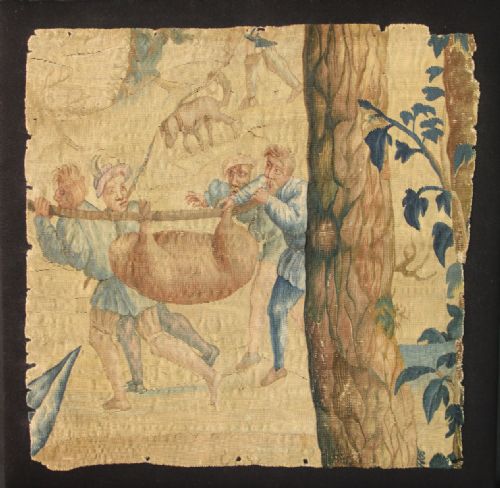


Baroque Wool Tapestry
A baroque wool tapestry brings grand seventeenth and eighteenth century narratives, verdure landscapes, and mythological scenes directly onto interior walls.
Baroque Wool Tapestry
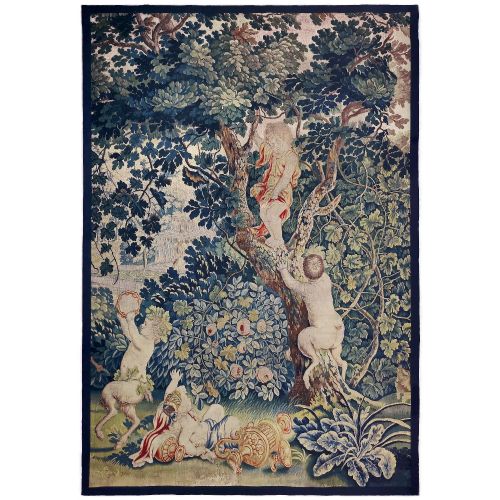
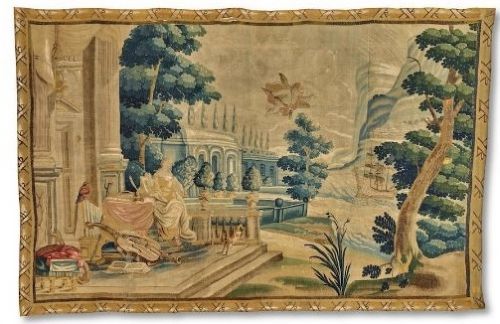
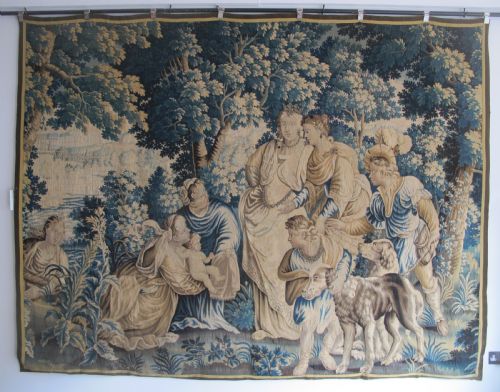
A baroque wool tapestry represents heavy textile art designed for grand wall display, featuring woven scenes from Flemish, French, German, and continental European workshops. These textiles span the seventeenth and eighteenth centuries, capturing mythological subjects, biblical narratives, game parks, and verdure foliage.
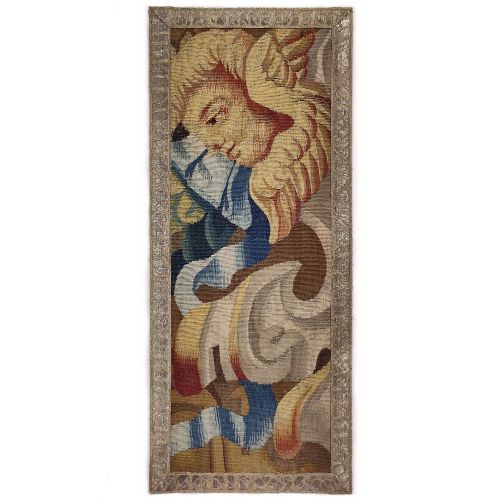
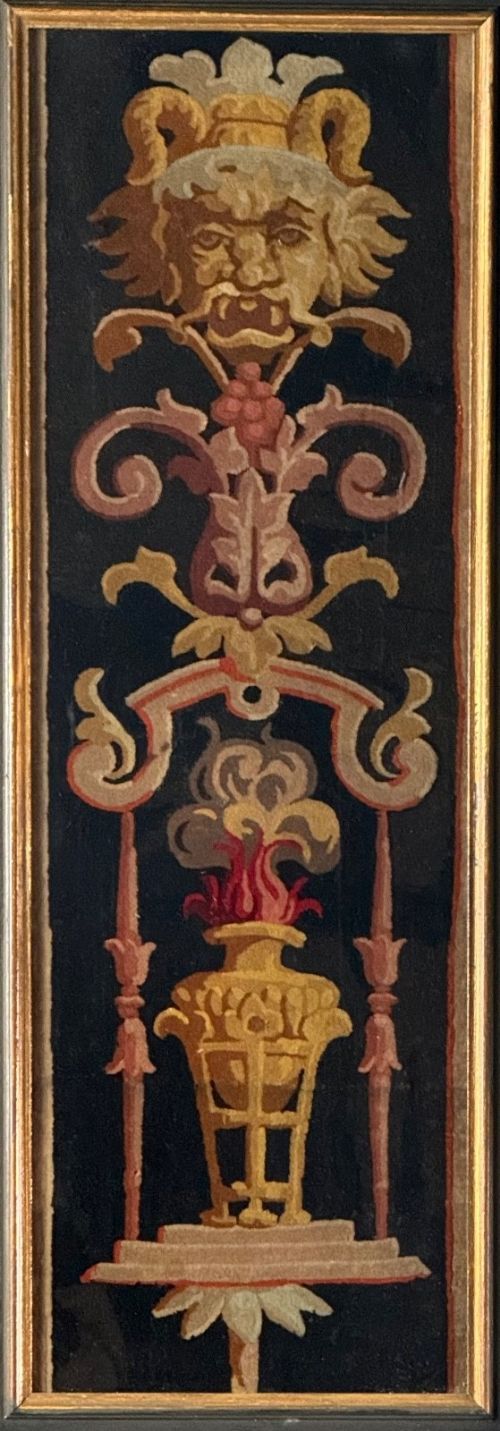
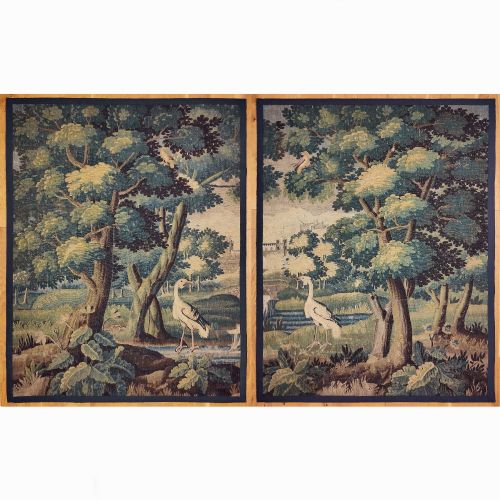
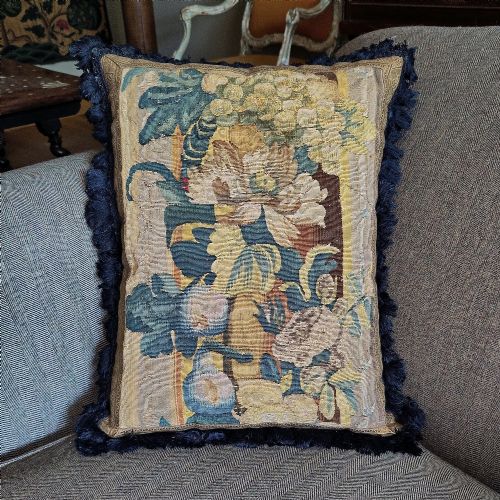
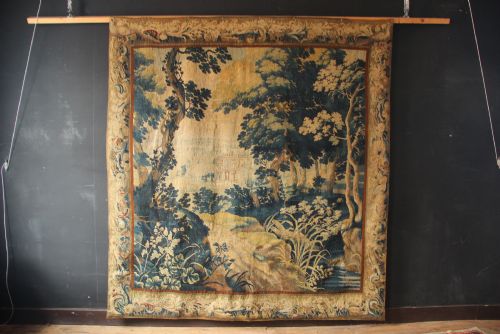
Buyers frequently encounter large-scale wall hangings alongside smaller fragments and adapted cushions made from historic borders. Verdure landscapes dominated by stylised foliage and trees appear regularly alongside architectural panels and figural compositions.
Formats vary from expansive room-sized hangings down to intimate cushion covers and needlework panels. Origin centres on established weaving hubs in Flanders, France, and northern Germany, utilising wool alongside supportive threads.
Materials and construction methods
These textiles rely principally on heavy wool paired with silk, linen, cotton, and canvas foundations. Weavers worked on high-warp or low-warp looms to build complex pictorial surfaces thread by thread.
Structural framing often incorporates wood or glass for panels and fragments mounted for display. Cushion covers utilise textile elements backed by supplementary fabrics and stuffed for soft furnishings.
Baroque Wool Tapestry Retail Price Guide 2026
Typical asking prices for baroque wool tapestry among the pieces listed under this phrase on Sellingantiques today, from the lower quarter to the upper quarter. They describe what is for sale here now, not the wider market.
Seventeenth-century weavers occasionally hid tiny domestic dogs and startled rabbits deep within the dense leafy foliage of grand mythological game park scenes.
Factors determining quality
Pictorial depth and narrative clarity distinguish superior examples from simpler pieces. The intricacy of the verdure foliage, the definition of human or animal figures, and the survival of original borders dictate the visual impact.
The integrity of the woven structure and the preservation of the material over centuries govern the condition. Intact scale in grand wall hangings commands attention compared against fragmentary survivals.
The Baroque Wool Tapestry Glossary
- Verdure tapestry
- A wall hanging dominated by landscape scenery, featuring trees, foliage, plants, and often birds or animals. These scenes create a lush, forest-like atmosphere within an interior space.
- Flemish tapestries
- Woven textiles originating from historical Flanders, renowned for complex mythological, biblical, and verdure designs produced during the seventeenth century. Flemish workshops set high standards for European weaving.
- Aubusson tapestry
- Works produced in the French town of Aubusson, noted for refined pastoral and architectural compositions. These pieces reflect French baroque design sensibilities.
- Tapestry fragment
- A surviving section of a larger historical wall hanging, often salvaged and mounted or turned into smaller domestic items like cushions. Fragments preserve detailed portions of lost grand narratives.
- Needlework panel
- A stitched textile piece created by hand with wool or silk threads on a canvas foundation rather than on a loom. These panels mirror the pictorial themes found in woven wall hangings.
Baroque Wool Tapestry: Frequently Asked Questions
How were these tapestries used historically?
Large historical wall hangings insulated stone castle and mansion walls against winter drafts while visually demonstrating the status and wealth of the owner through costly materials and intricate mythological or biblical stories.
Smaller panels and borders were often repurposed into cushion covers or decorative screens for domestic comfort in elite European households.
Where should I hang a large tapestry?
Grand wall hangings require substantial flat wall space away from direct, strong sunlight to protect the fragile wool and silk threads from fading over time. They look best mounted on a discreet wooden batten or hidden hanging rod that distributes the weight evenly across the top edge.
Ensure the room has stable humidity levels to maintain the integrity of the historic fibres and backing materials.
How do I tell seventeenth-century pieces apart from eighteenth-century ones?
Seventeenth-century examples often feature denser, darker palettes with heavy mythological or biblical figures framed by robust architectural borders. The compositions tend to be tightly packed and dramatic.
Eighteenth-century panels frequently introduce lighter verdure tones, more open pastoral landscapes, and refined French influences reflecting shifting decorative tastes.
Can I use tapestry cushions on everyday furniture?
Historic cushion covers made from seventeenth-century tapestry fragments benefit from gentle, decorative placement rather than heavy daily use. The aged wool and silk threads require careful handling to prevent friction wear.
Pairing them with supportive inner pads and keeping them in low-traffic seating areas helps preserve the historic needlework.