



Baroque Wooden Chest
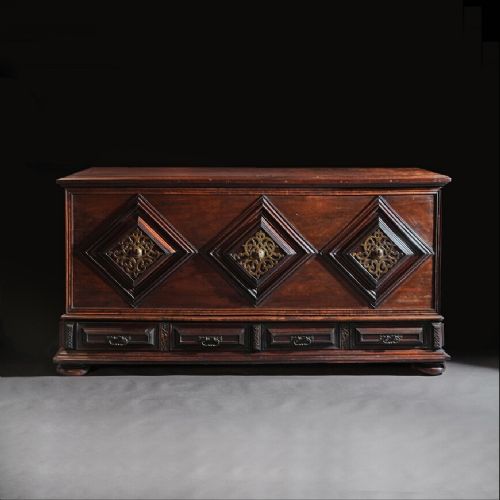
A baroque wooden chest brings grand continental presence to a room, offering rich surfaces and heavy timber construction.
Baroque Wooden Chest
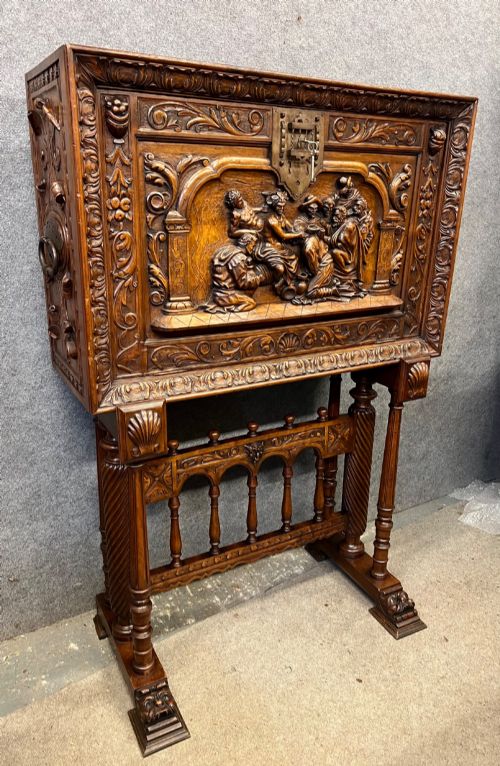
A baroque wooden chest encompasses heavy case furniture and smaller caskets originating across seventeenth and eighteenth century Europe. These pieces combine substantial timber carcasses with ornate surface decoration, drawing from Italian, Dutch, German, Flemish and Spanish traditions.
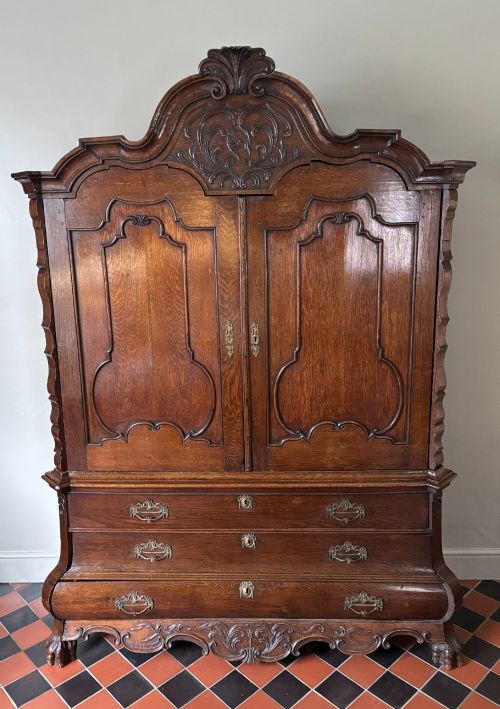
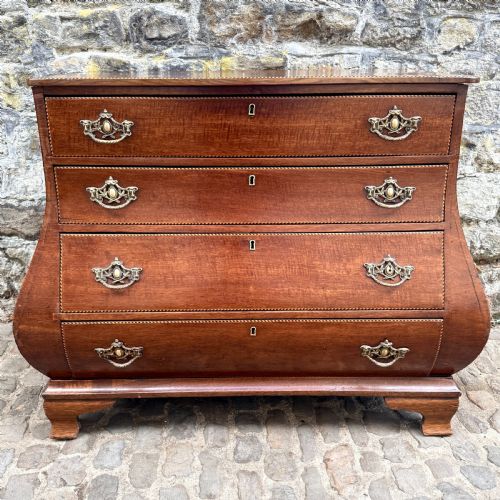
Chest of drawers, commodes, cabinets on stand and table caskets dominate the selection available here. Walnut, oak and exotic veneers shape the primary forms, frequently displaying serpentine fronts or bombé profiles.
The seventeenth and eighteenth centuries provide the core period output, alongside nineteenth century revival iterations. Buyers encounter substantial storage commodes alongside intricate tabletop boxes and miniature pieces.
Materials and construction methods
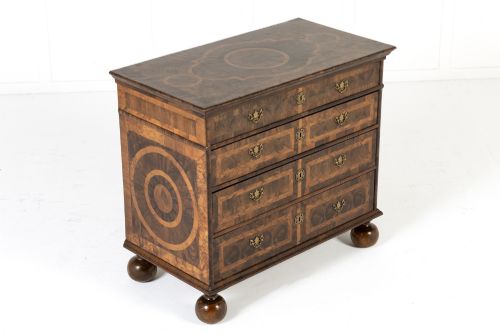
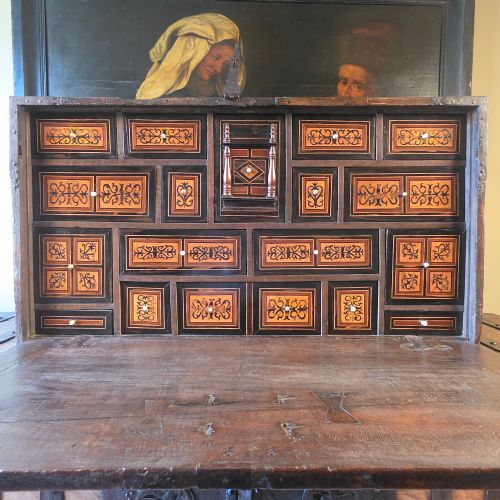
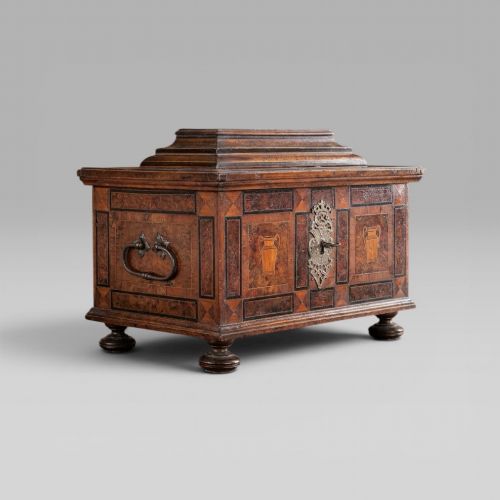
Cabinetmakers built solid timber frames using oak, walnut and fruitwood, applying elaborate veneers across drawer fronts and top panels. Oyster veneers, seaweed marquetry and geometric parquetry created dense visual textures on the primary surfaces.
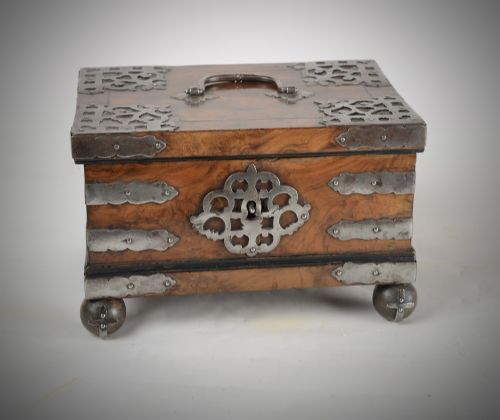
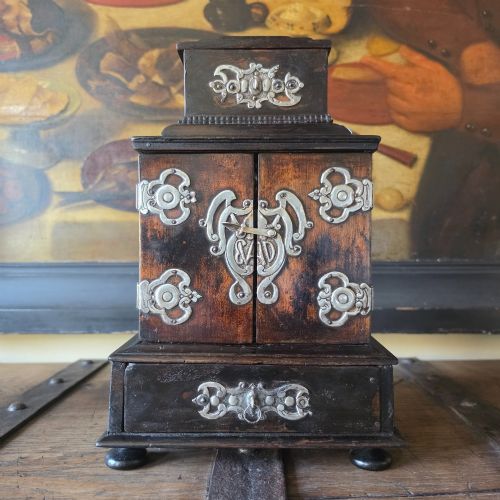
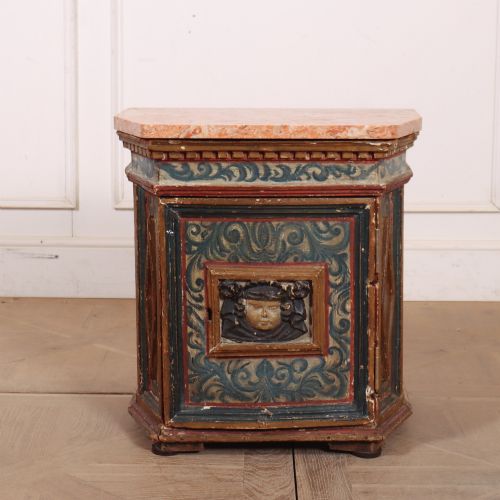
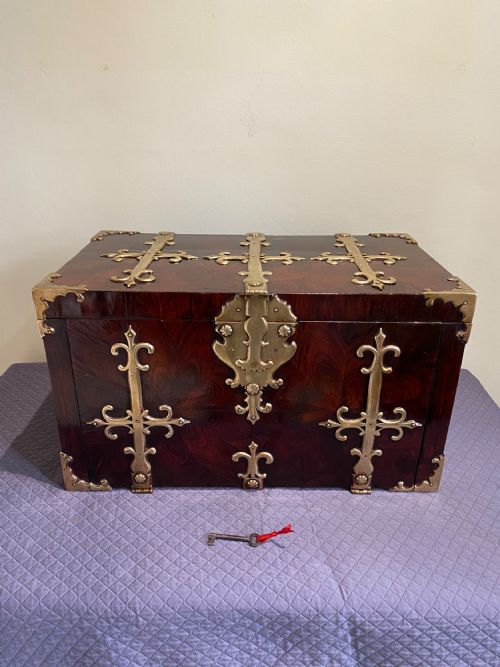
Iron and brass hardware served structural and decorative roles, providing heavy hinges, carrying handles and key escutcheon plates. Paint and gilding finished specific regional pieces, notably Italian apothecary cabinets and Scandinavian iron-bound boxes.
Baroque Wooden Chest Retail Price Guide 2026
Typical asking prices for baroque wooden chest among the pieces listed under this phrase on Sellingantiques today, from the lower quarter to the upper quarter. They describe what is for sale here now, not the wider market.
Several seventeenth century chests include hidden compartments designed for concealing family documents and small valuables from unexpected visitors.
Assessing quality in construction and surface
Execution of the veneer work and marquetry defines the upper tier of these pieces. Precise matching of grain patterns, such as oyster cut circles or intricate floral inlay, signals skilled workshop production.
The integrity of the structural joinery and the retention of original brass or iron mounts dictate overall execution standards. Retaining the original painted finishes or untouched patinated surfaces elevates historical integrity.
The Baroque Wooden Chest Glossary
- Bombe
- A swollen or bulging convex shape characteristic of continental case furniture. This profile requires advanced carpentry to curve the drawer fronts and side panels smoothly outward.
- Marquetry
- Decorative patterns formed by inserting pieces of wood, metal or ivory into a veneered surface. Craftsmen used contrasting timbers to create floral or geometric designs.
- Oyster veneer
- Slices cut transversely across small branches or roots to produce circular or oval patterns resembling oyster shells. This technique gained popularity during the seventeenth century.
- Commode
- A low chest of drawers introduced from France during the baroque period. These pieces typically stand on short legs and feature shaped fronts.
- Coffre fort
- A strongbox or portable chest reinforced with iron straps and complex locking mechanisms. Wealthy households utilised these heavy boxes for securing valuables.
- Cassone
- A large Italian storage chest often decorated with carving, painting or gilding. Historically used for holding bridal trousseaus.
Baroque Wooden Chest: Frequently Asked Questions
How do I date a wooden chest?
Examination of the secondary timbers inside drawer linings and the construction methods used for the dovetails reveal the period of manufacture.
Changes in hardware styles and the complexity of the exterior veneers also help narrow down the decade or century.
Where were baroque chests made?
Workshops across Italy, the Netherlands, Germany, Flanders, Spain and Scandinavia produced distinct regional variations of these pieces.
Italian examples often favour carved walnut and painted surfaces, while Dutch makers excelled in floral marquetry and bombé curves.
How should I clean wood surfaces?
Maintenance requires gentle dusting with a dry lint-free cloth to protect the historic patina and delicate veneer work.
Harsh chemical polishes and modern sprays damage aged finishes and should be avoided entirely.
What is a cabinet on stand?
This form pairs a primary enclosed storage cabinet with a separate matching support base featuring legs and stretchers.
Elevating the main compartment allowed easier access to contents and created a lighter architectural silhouette in grand rooms.