




Baroque Wooden Chairs
Baroque wooden chairs combine dramatic carved detail with robust frames, offering a striking seat that anchors a room with historic gravitas.
Baroque Wooden Chairs
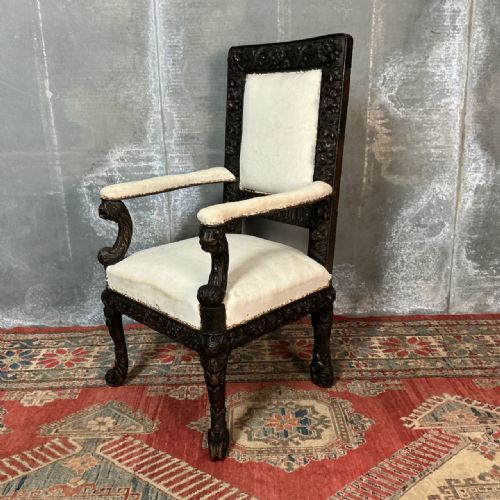
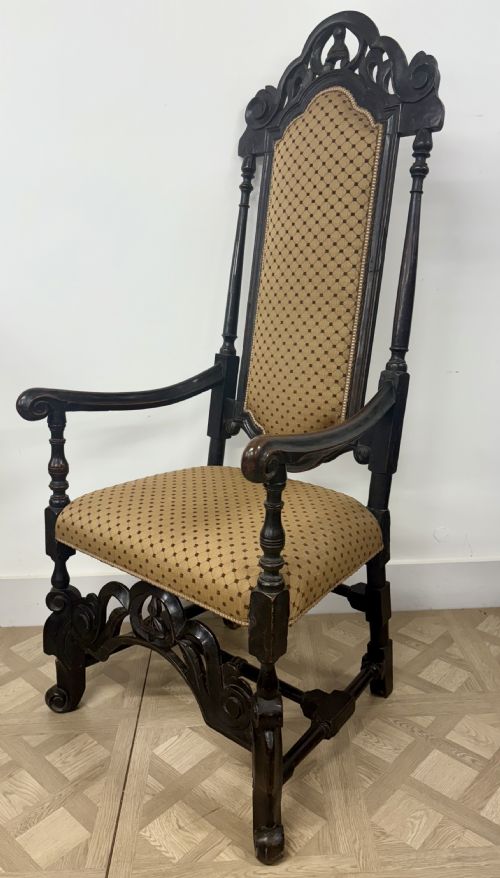
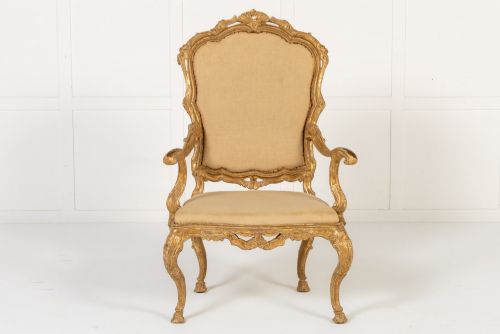
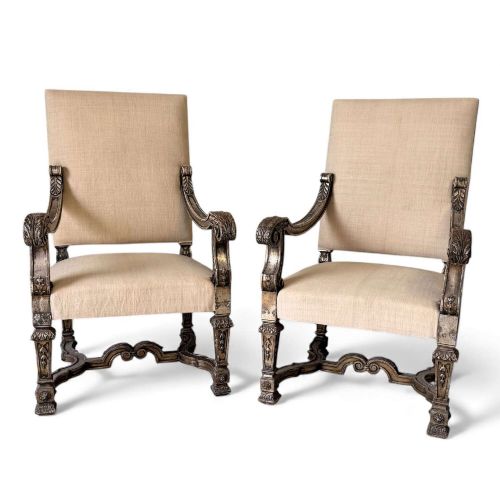
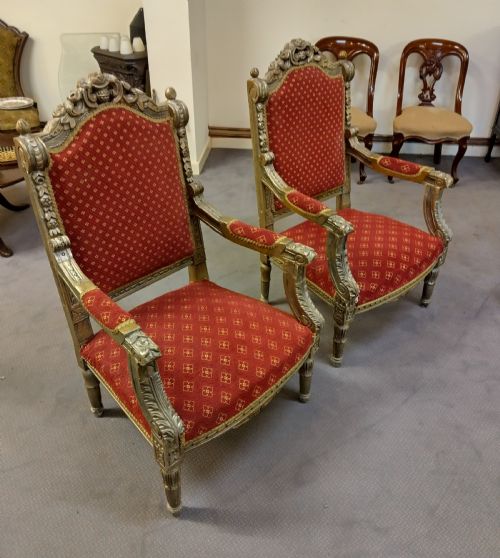
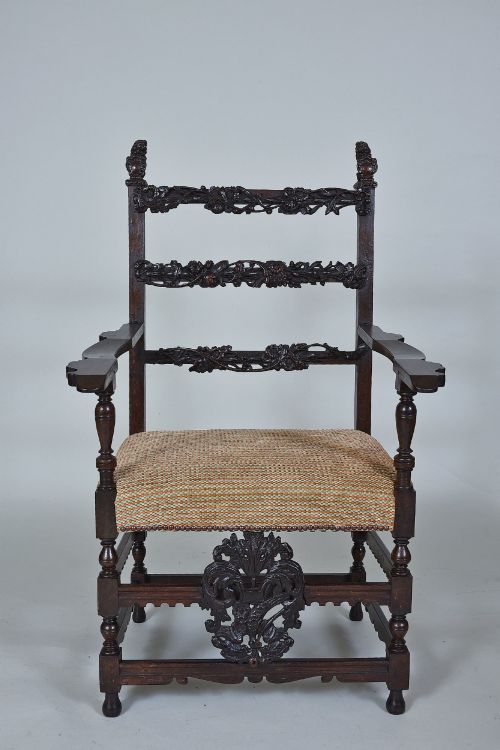
When you search for baroque wooden chairs, you encounter a mix of genuine period survivals and enthusiastic nineteenth-century revivals. The forms span from sturdy oak hall chairs and Carolean armchairs to grand Italian and French giltwood throne seats.
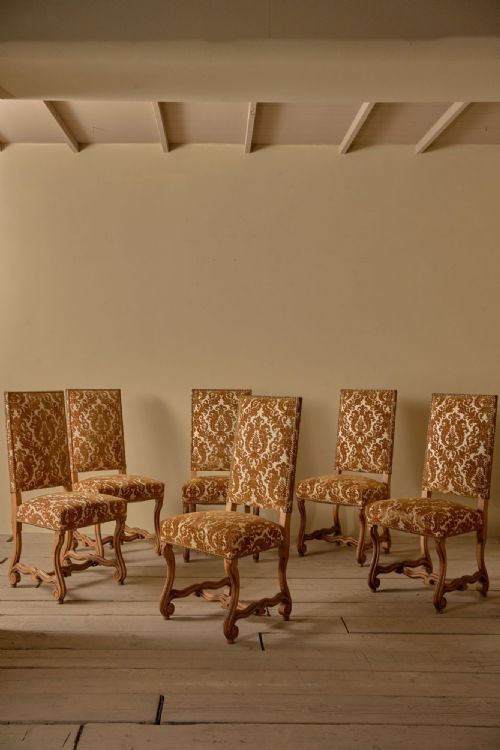
Armchairs and side chairs dominate the selection, often upholstered in heavy textiles like tapestry, velvet, linen, and needlework. Walnut and oak form the structural backbone of these pieces, alongside giltwood and occasional padouk wood.
The aesthetic bridges seventeenth-century origins and nineteenth-century revivals, including Italian and French baroque styles alongside Venetian rococo influences. Buyers most frequently meet nineteenth-century revival interpretations alongside genuine eighteenth-century examples.
Materials and construction
The construction relies heavily on dense timbers such as walnut and oak, which support deep and intricate carving. Giltwood surfaces provide a brilliant metallic sheen, while ebonised finishes offer a dark, uniform appearance.
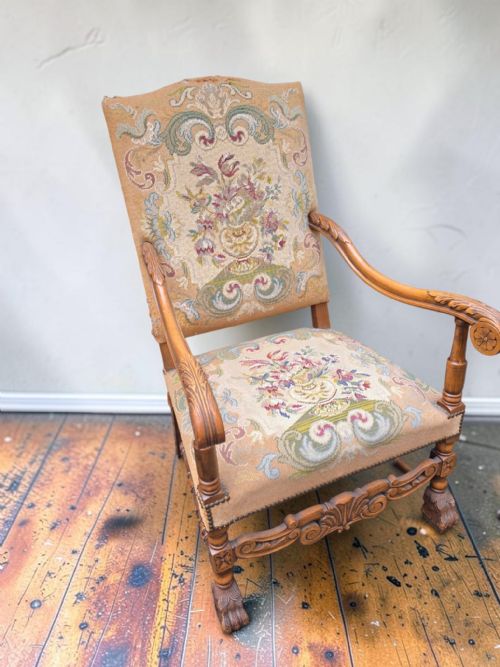
Upholstery materials range from luxurious velvet and tapestry to tactile linen, fabric, and needlework. These textiles are secured to the wooden frames to provide both comfort and visual richness.
Baroque Wooden Chairs Retail Price Guide 2026
Typical asking prices for baroque wooden chairs among the pieces listed under this phrase on Sellingantiques today, from the lower quarter to the upper quarter. They describe what is for sale here now, not the wider market.
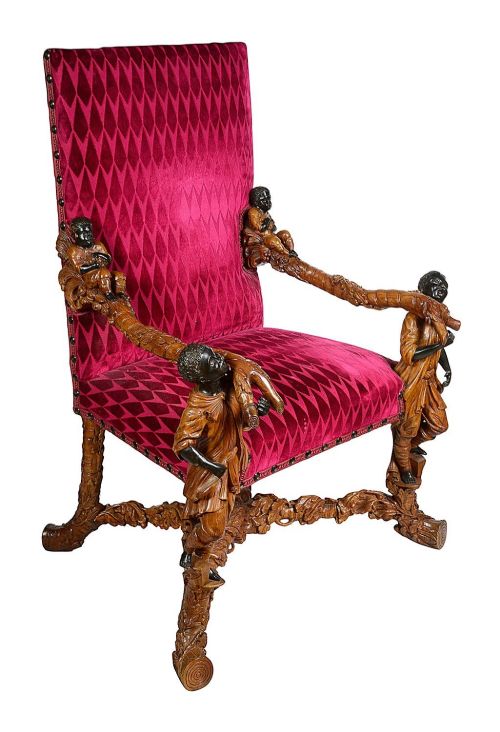
A solitary gondola chair sneaks into the lineup, proving that even Venetian watercraft enthusiasts needed a comfortable place to sit.
Assessing quality
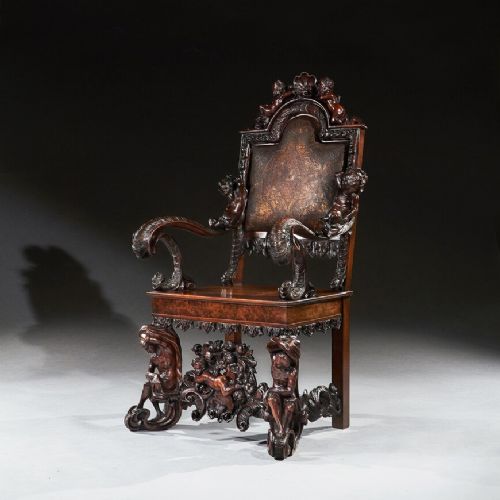
The depth and crispness of the wood carving distinguish exceptional examples from standard production. Work attributed to specific makers or inspired by master carvers often displays superior anatomical and ornamental precision in the walnut or giltwood.
The integrity of the frame and the quality of the textile covering dictate the overall character. Original upholstery or finely executed period needlework elevates a piece above those with later, mismatched replacements.
Andrea Brustolon
The Baroque Wooden Chairs Glossary
- Baroque revival
- A nineteenth-century style that imitates the dramatic curves and heavy ornamentation of the seventeenth-century original period. It draws heavily on French and Italian design vocabulary.
- Giltwood
- Wood that has been coated with gold leaf or a gilt finish to create a brilliant, metallic surface. This technique highlights the elaborate carved details on throne armchairs.
- Carolean
- An English style spanning the reign of Charles II, characterised by rich walnut frames, cane work, and ornate crown and scroll carvings. It forms a key precursor to later baroque expressions.
- Tapestry
- A heavy, hand-woven textile featuring pictorial designs used for upholstery on grand armchairs. It provides a tactile and colourful contrast to the dark wood frames.
- Ebonised
- Wood treated with a finish to imitate expensive ebony, creating a dark, uniform surface. This technique appears on nineteenth-century pieces seeking a sombre, formal aesthetic.
Baroque Wooden Chairs: Frequently Asked Questions
What defines baroque wooden chairs?
These seats are defined by exuberant carved decoration, robust wooden frames in walnut or oak, and commanding proportions. They use dynamic forms and rich upholstery to project status and theatrical presence.
Origins stretch from seventeenth-century workshops through to nineteenth-century revival movements in England, France, and Italy. Their silhouettes include open armchairs, throne seats, and sturdy hall chairs.
How were these chairs used?
Historically, such grand seats served as principal furnishings in halls, reception rooms, and high-status parlours. They functioned both as functional seating and as visual assertions of wealth and taste.
Upholstered variants provided comfort for long periods, while side chairs and hall chairs lined the walls to be moved into position when guests arrived.
How do I live with them?
Integrating these pieces into a modern interior works best by letting them act as focal points against neutral backgrounds. Their heavy carving and rich textiles add texture and historical contrast to minimalist spaces.
Positioning an armchair in a study or hallway allows the carved walnut or giltwood to catch the light without overcrowding the room.
How do I tell periods apart?
Differentiating period pieces from later revivals requires examining the tool marks, timber ageing, and construction joints. Seventeenth and eighteenth-century examples exhibit authentic wear patterns and construction methods specific to their era.
Nineteenth-century revival pieces, while often finely made, display machine-assisted precision or timber characteristics consistent with Victorian or Edwardian production methods.