



Baroque Style Artwork
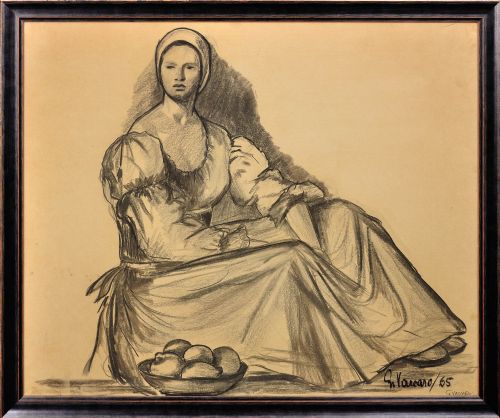
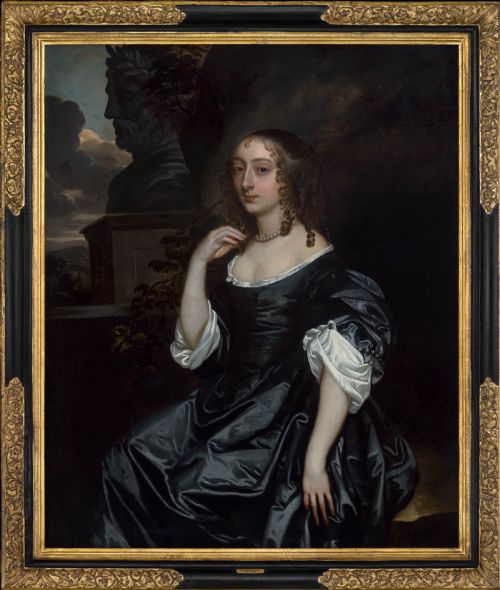
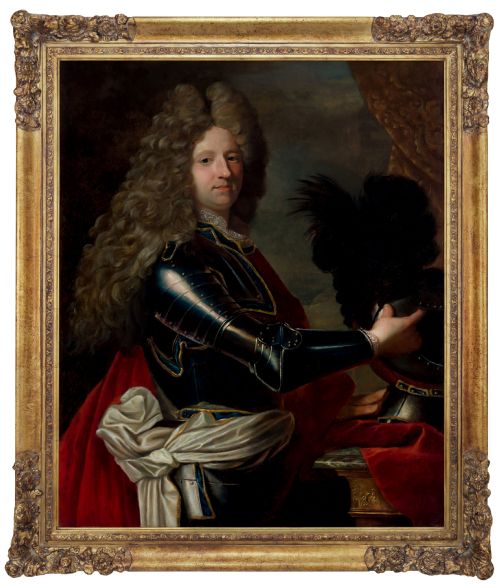
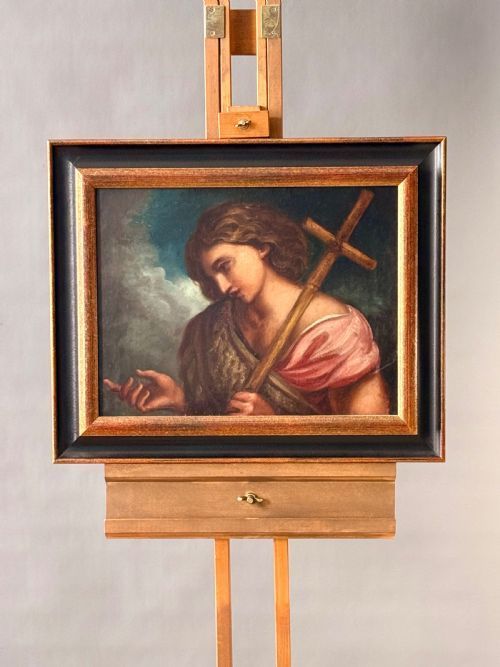
Exploring baroque style artwork reveals dramatic oil paintings and detailed portraits originating from centuries of European tradition.
Baroque Style Artwork
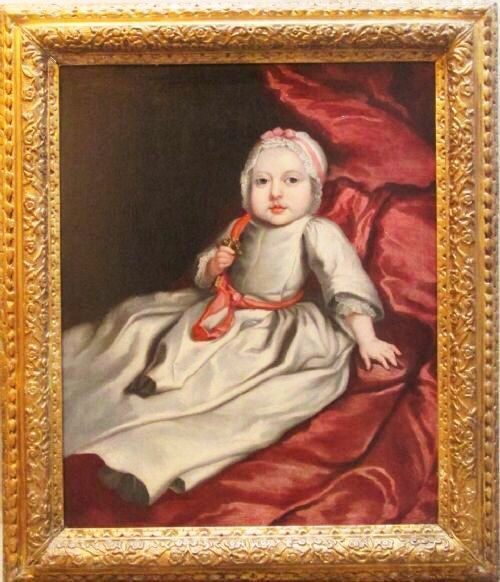
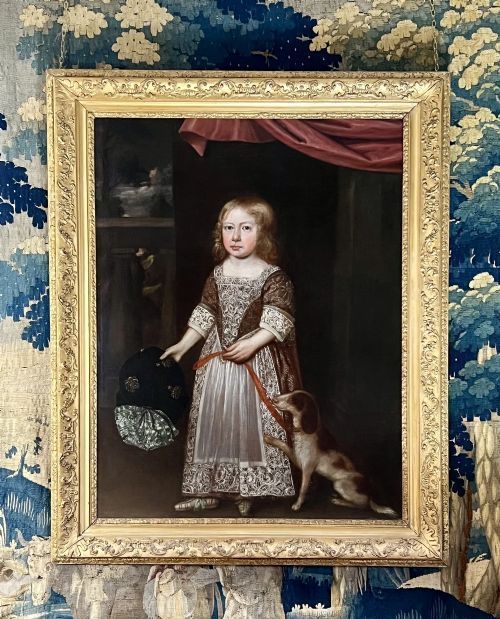
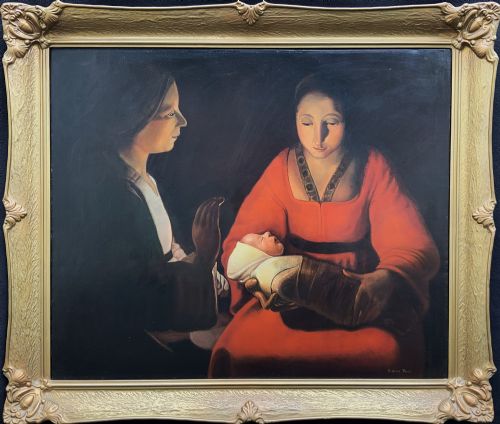
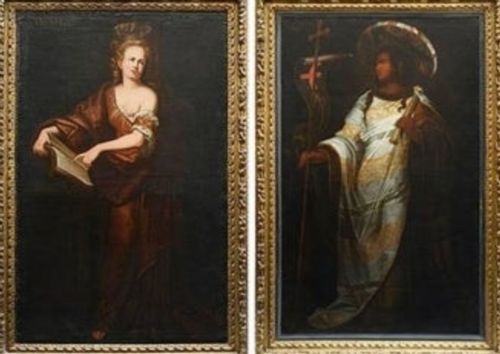
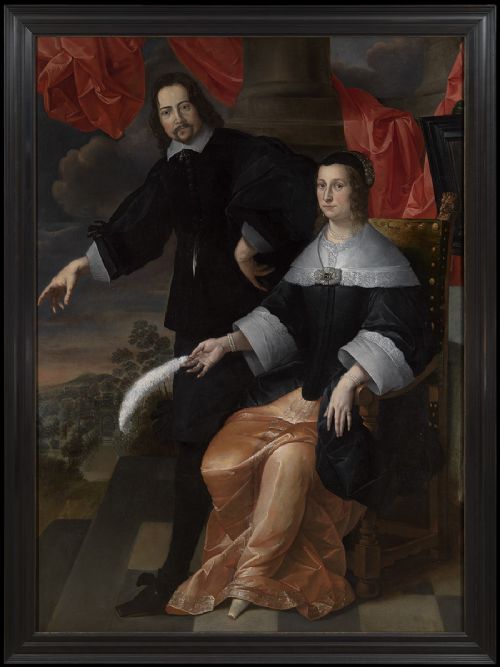
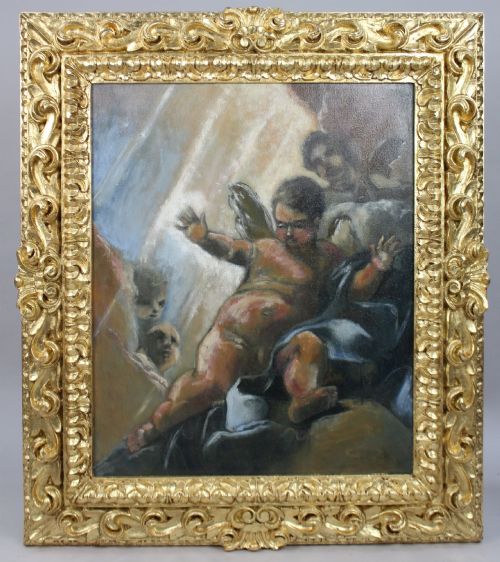
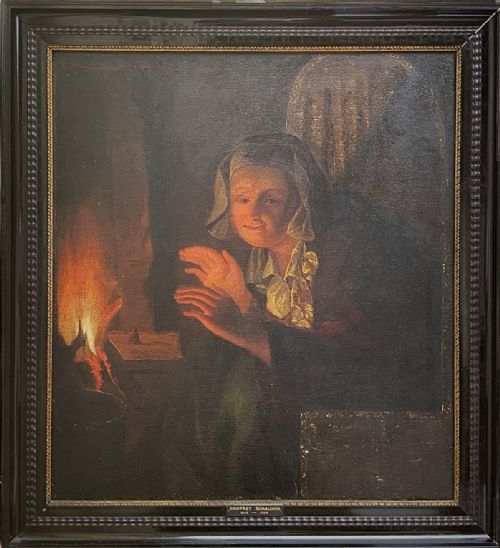
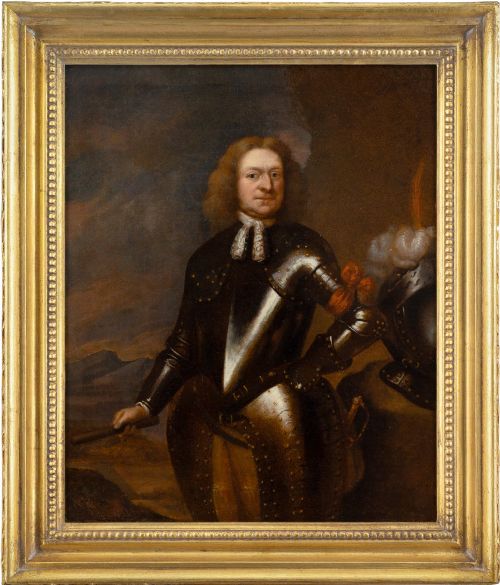
When searching for baroque style artwork, buyers encounter oil paintings, portraits, and still lifes spanning several centuries from the seventeenth onwards. These pieces capture historical figures, religious scenes, and floral arrangements created in regional European traditions.
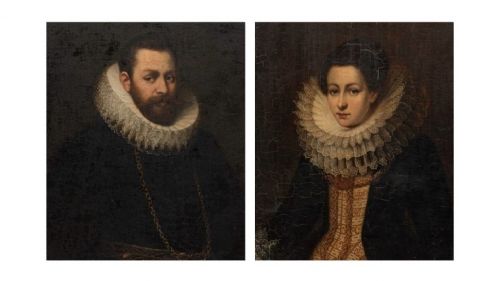
The selections frequently feature works produced in Dutch, Flemish, and Italian styles, alongside later revivals and reproductions. Canvases depict subjects ranging from noblemen in ruff collars to expansive mythological landscapes.
Many examples utilise canvas or wood panel supports, often housed within carved giltwood frames. The category bridges original period works and subsequent interpretations created in later decades.
Materials and construction
The primary medium for these works is oil paint applied to canvas or wood panels, sometimes vinyl canvas in later reproductions. Pigments build up rich tonal contrasts and deep shadows characteristic of the period.
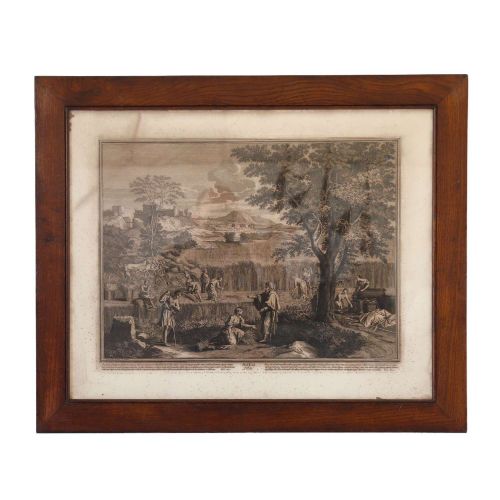
Frames play a significant role, utilising carved wood finished with gilt or giltwood to complement the visual weight of the paintings. Engravings and drawings also appear on paper supports within the selection.
Baroque Style Artwork Retail Price Guide 2026
Typical asking prices for baroque style artwork among the pieces listed under this phrase on Sellingantiques today, from the lower quarter to the upper quarter. They describe what is for sale here now, not the wider market.
Listings feature oil paintings on canvas, wood panels, and vinyl, alongside drawings and engravings spanning the seventeenth to the twentieth century.
Distinctions in quality
Quality in these works rests upon the execution of brushwork, anatomical proportion, and the subtlety of light and shadow transitions. Superior examples display confident handling of drapery and facial expression, reflecting the skill of the painter or workshop.
The integrity of the physical support, whether aged canvas or oak panel, alongside the preservation of the original paint layer, determines the overall standard. Original carved giltwood frames that match the period of the artwork further elevate the piece.
Sir Peter Lely·David Teniers·Hyacinthe Rigaud·Nicolaes Maes·Rembrandt van Rijn
The Baroque Style Artwork Glossary
- Baroque
- A European artistic style spanning the seventeenth and early eighteenth centuries, characterised by drama, tension, and deep chiaroscuro lighting. It emphasises grand scale and emotional intensity.
- Old Master
- A term for a European artist of high skill working before about eighteen hundred. It also refers to paintings produced by such artists.
- Giltwood
- Wood, typically carved, that has been covered with a thin layer of gold leaf or gold paint. This finish frequently adorns the frames of period paintings.
- Still Life
- A painting genre focusing on inanimate objects, such as fruit, flowers, and banquet items. These compositions highlight texture, light, and detailed arrangements.
- Provenance
- The chronological history of the ownership of a work of art. Documented records help establish authenticity and past associations.
Baroque Style Artwork: Frequently Asked Questions
How do I identify a seventeenth century painting?
Examination of the canvas weave, stretcher frames, and pigment composition offers clues to age. Stylistic markers such as ruff collars and specific lighting techniques also point toward the period.
Consulting expert opinion and checking documentation helps confirm the historical context of the work.
Where should I hang these large artworks?
Large canvases require sturdy wall anchors and sufficient space to accommodate their physical presence and heavy frames. Placement away from direct sunlight protects the oil pigments from fading over time.
Consider room proportions to ensure the scale of the painting complements the surrounding interior.
What is the difference between an original and a revival piece?
Original period works date directly from the seventeenth or eighteenth centuries, bearing the age and material degradation consistent with that era. Revival pieces are later interpretations created in subsequent centuries, emulating the older style.
Both categories exist within the selection, distinguished primarily by material age and documentary evidence.
How do I care for antique oil paintings?
Maintain stable room temperature and humidity levels to prevent the canvas and wood panels from warping or cracking. Dust the surface gently with a soft, dry brush without applying pressure.
Avoid using liquid cleaners or touching the paint layer directly to preserve the delicate surface.