

Baroque Portrait in Frame
A baroque portrait in frame captures aristocratic gravity and ornate craftsmanship, offering an enduring window into seventeenth and eighteenth-century elegance.
Baroque Portrait in Frame
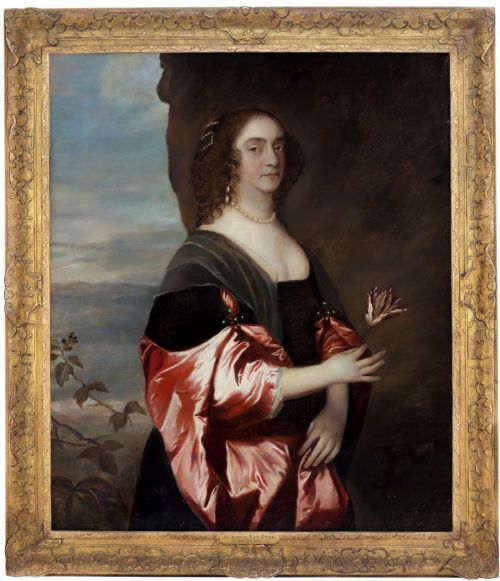
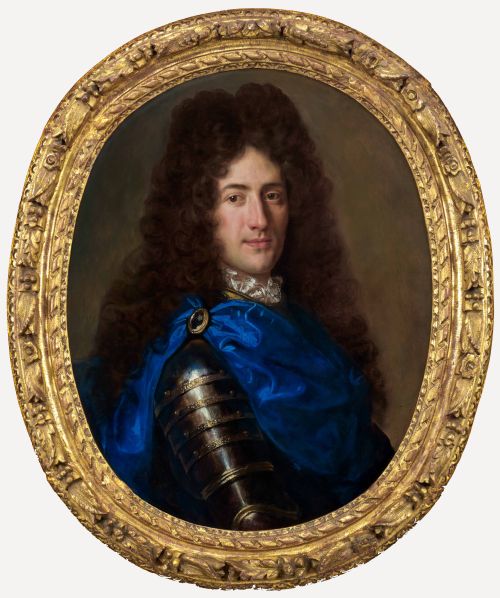
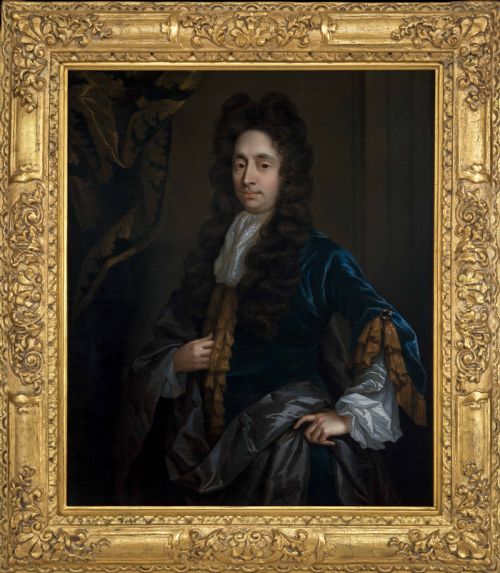
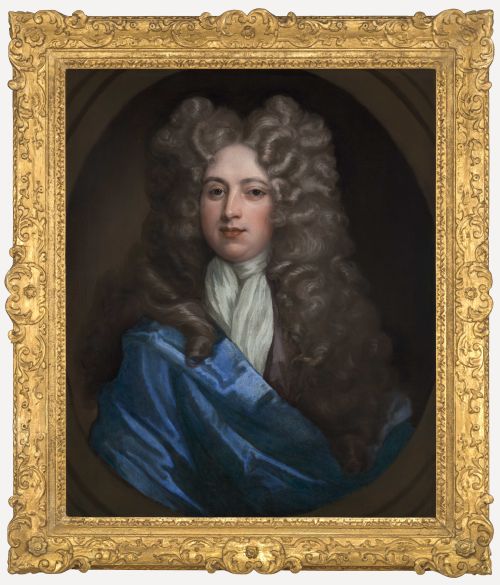
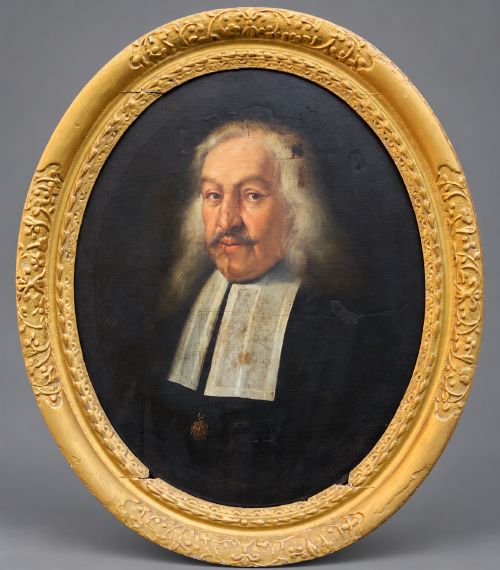
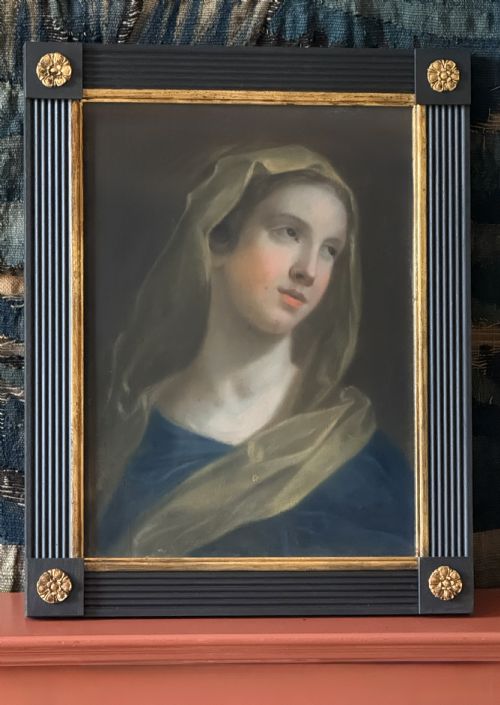
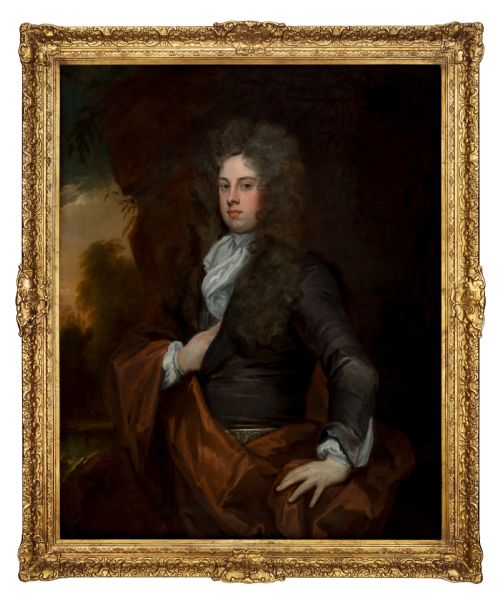
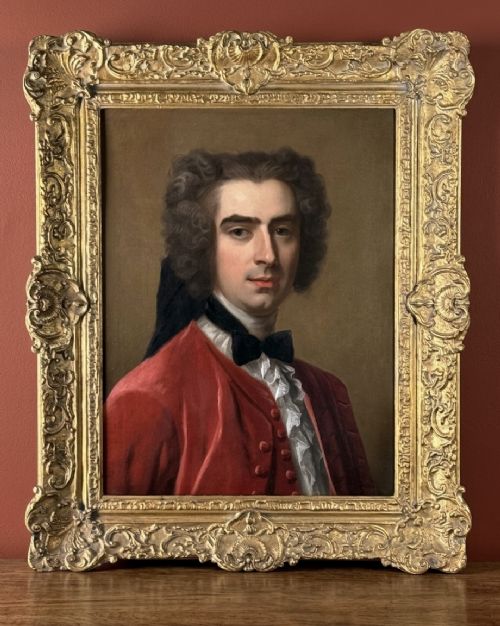
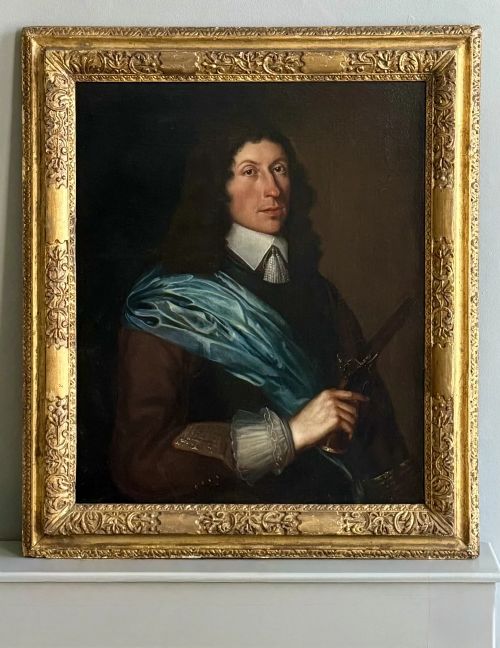
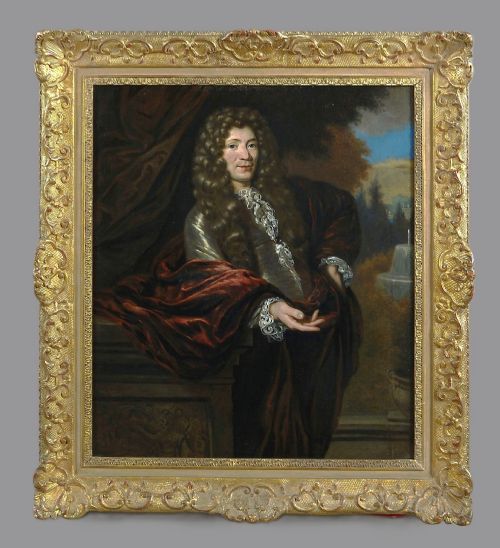
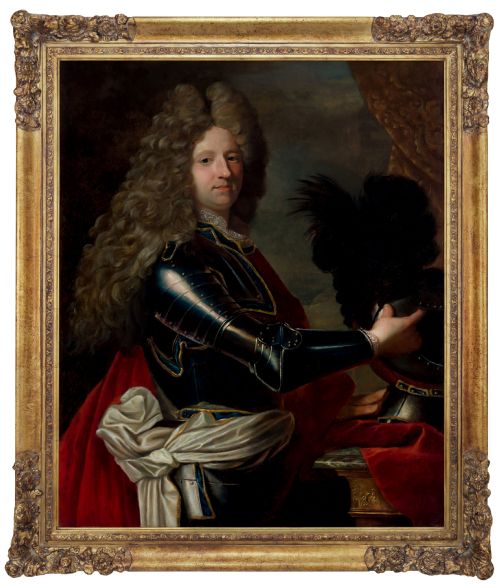
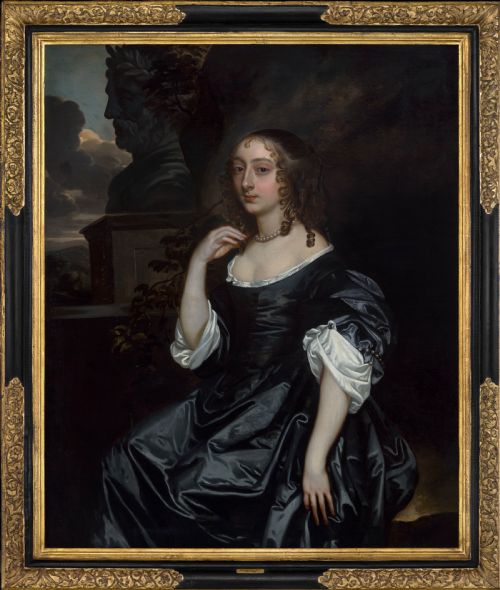
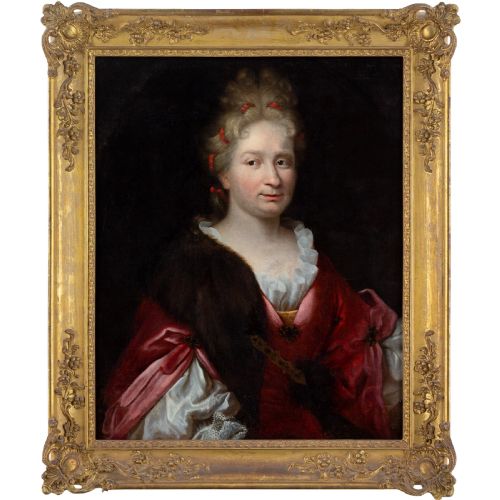
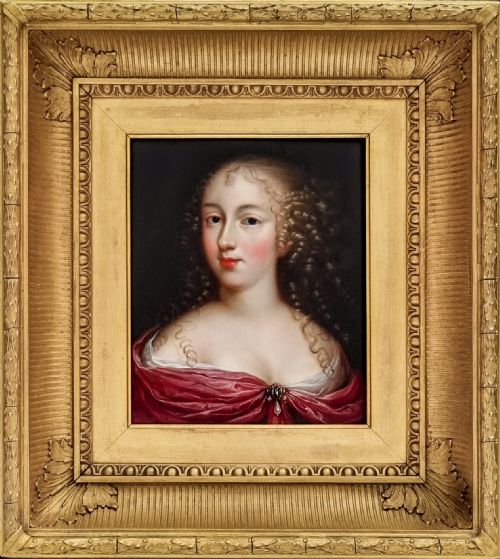
A baroque portrait in frame typically depicts nobles, military commanders, and court ladies rendered with theatrical lighting and rich attire. The subjects often wear elaborate periwigs, armour, or satin gowns that signal high social standing.
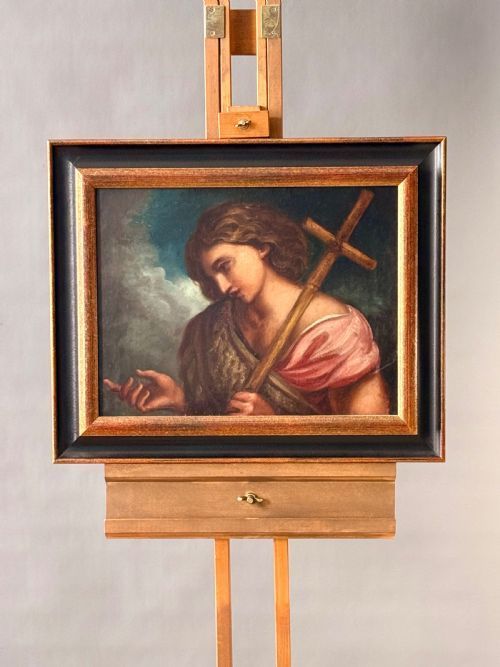
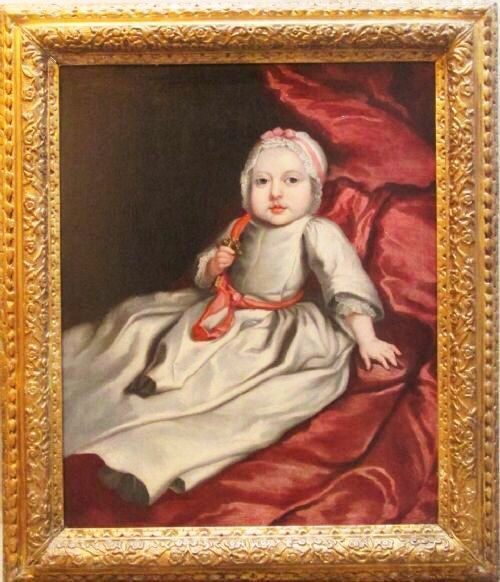
Most examples originate from seventeenth and eighteenth-century British, Dutch, and French schools, appearing as oil paintings on canvas or panel. Prints and mezzotints also emerge alongside these original canvases.
These works reflect the grand manner style prevalent across European courts, emphasising psychological depth and dramatic posture. Many pieces retain period surrounds that complement the sweeping gestures of the sitters.
Materials and construction
Painters applied oil pigments onto stretched canvas or wooden panels, building rich glazes to render fabrics like satin and velvet. Ground layers of gesso prepared the surfaces for intricate brushwork and subtle tonal gradation.
Frames are constructed from carved timber, frequently gilded with gold leaf over a bole preparation layer. These surrounds often exhibit deep moulding profiles and corner cartouches typical of seventeenth-century joinery.
Baroque Portrait in Frame Retail Price Guide 2026
Typical asking prices for baroque portrait in frame among the pieces listed under this phrase on Sellingantiques today, from the lower quarter to the upper quarter. They describe what is for sale here now, not the wider market.
English, Dutch, French, Irish, and Italian artistic traditions are represented among the painted works and prints.
Distinctions in execution
Mastery is evident in the rendering of textiles, facial expressions, and hands, where the touch of a skilled hand produces convincing texture and depth. Studio output often shows more formulaic drapery and standard poses compared to primary autograph works.
The integrity of the original support and the survival of untouched paint layers determine the visual power of the canvas. The relationship between the artwork and its period frame also plays a role in the overall historical cohesion.
Sir Godfrey Kneller·Sir Peter Lely·Joseph Vivienne·Constantyn Netscher·Thomas Murray
The Baroque Portrait in Frame Glossary
- Mezzotint
- A printmaking process of the intaglio family where the plate is roughened to produce rich dark tones and subtle graduations of light. This technique was widely utilised for translating painted royal portraits into popular prints.
- Giltwood
- Timber carved and coated with gold leaf applied over a fine plaster ground. This material defines the opulent surrounds associated with seventeenth-century frames.
- Periwig
- A voluminous artificial hairpiece worn by fashionable men during the late seventeenth and early eighteenth centuries. Its grand scale marks sitters from the baroque era.
- Oil on canvas
- Pigment bound in drying oil applied to a woven fabric support. It became the primary medium for elite European portraiture.
- Provenance
- The documented history of ownership of an artwork from its creation to the present day. It provides vital evidence for attribution and historical context.
Baroque Portrait in Frame: Frequently Asked Questions
How do I identify a seventeenth century portrait?
Look for specific clothing markers such as lace jabots, armour, stiff ruffs, and large periwigs combined with darker backgrounds and dramatic lighting.
Pigment analysis and canvas preparation techniques also offer clues to the period of creation.
Were these paintings always kept in ornate frames?
High-status portraits were paired with elaborate carved and gilded timber surrounds designed to project wealth and authority in domestic interiors.
Many frames are contemporary with the canvas, though some were united with the artwork at a later date.
What is the difference between an oil painting and a mezzotint?
An oil painting is a unique hand-painted work using pigmented oils on canvas or panel, displaying direct brushwork and layered glazes.
A mezzotint is a printed multiple derived from a worked copper plate, reproducing the tonal qualities of a painted composition.
How should I care for a framed antique painting?
Keep the artwork away from direct sunlight, high humidity, and rapid temperature fluctuations that can cause canvas slackening or wood splitting.
Dust the frame gently with a dry, soft brush and avoid using liquid cleaners on either the gilded surface or the painted canvas.