





Baroque Portrait in Armour
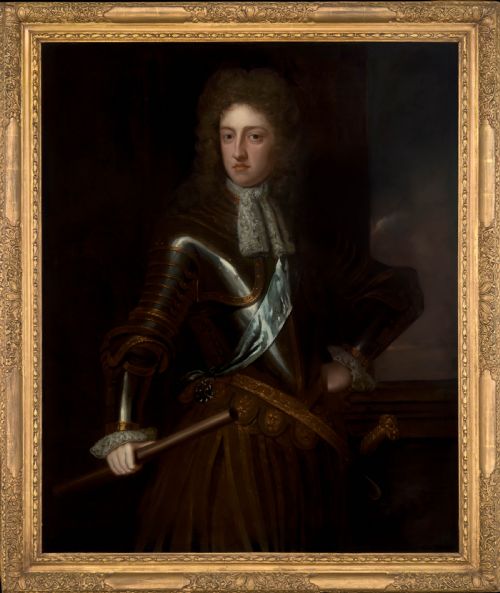
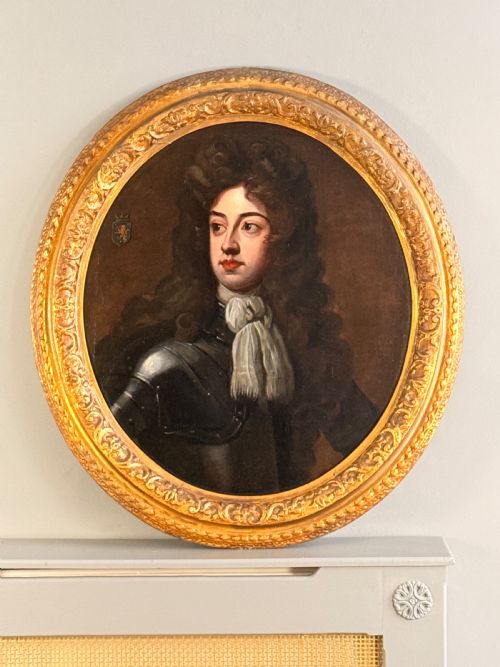
A baroque portrait in armour depicts figures of rank encased in steel, offering a commanding presence rooted in seventeenth- and eighteenth-century military status.
Baroque Portrait in Armour
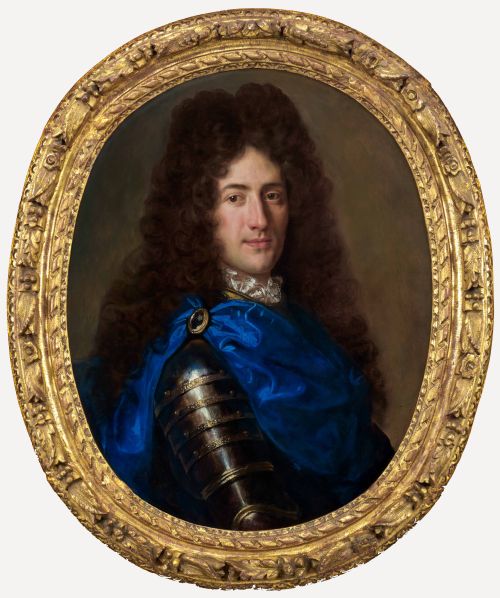
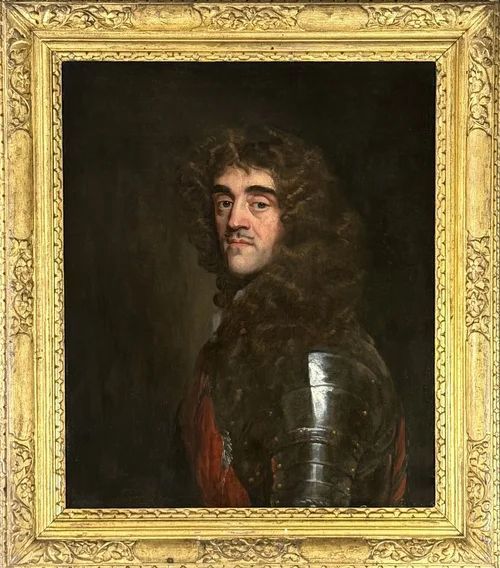
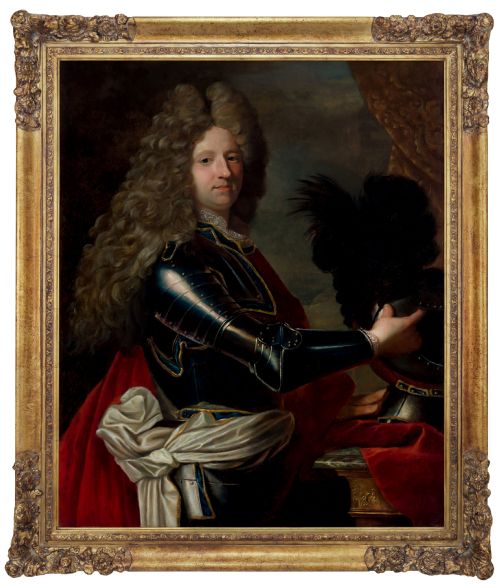
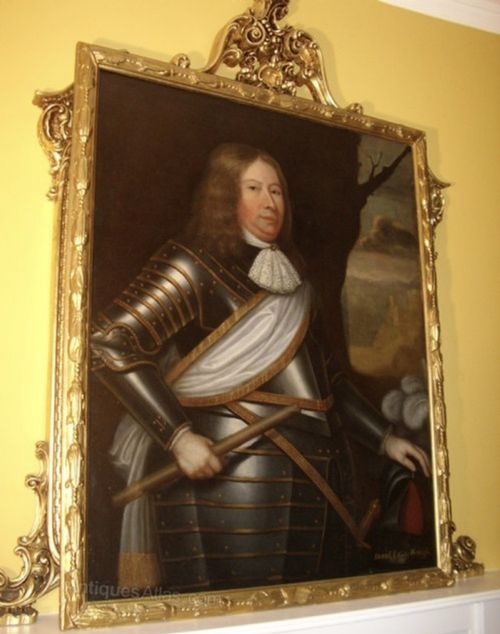
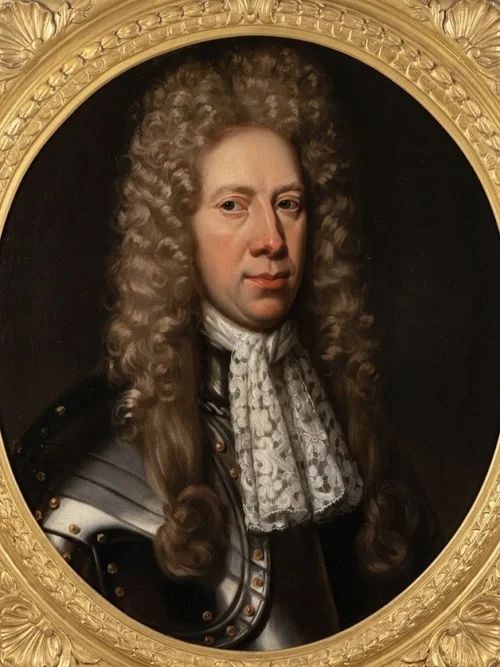
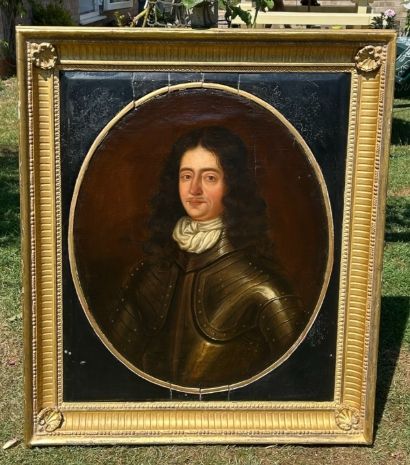
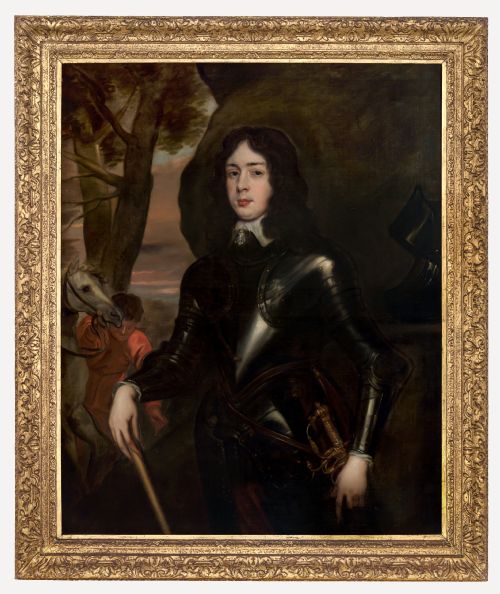
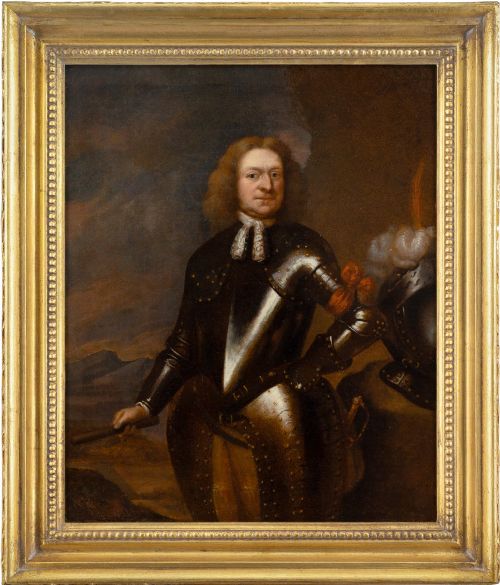
A baroque portrait in armour captures aristocrats, royals and commanders wearing polished steel plates, often combined with rich velvet cloaks, lace cravats and red sashes. These works serve as statements of authority, power and military distinction from the seventeenth and eighteenth centuries.
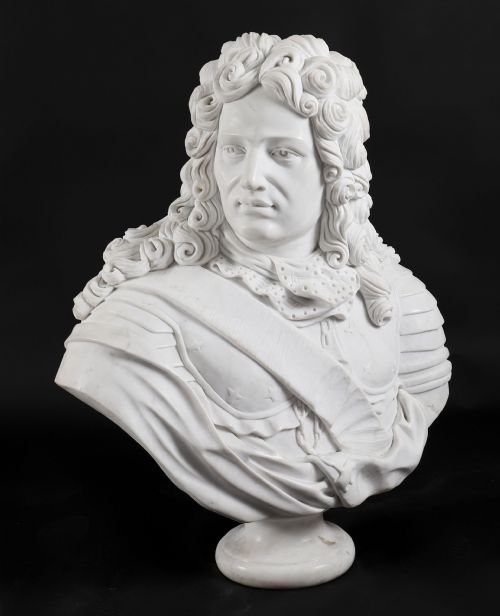
Buyers will most frequently encounter oil paintings on canvas depicting half-length or three-quarter figures, alongside occasional prints such as mezzotints and marble busts of noblemen. The subjects range from named monarchs and generals to unidentified cavaliers and aristocrats.
Originating across British, Flemish, French, Dutch and German schools, these pieces reflect the pan-European taste for heroic representation. Later revivals also appear, bringing nineteenth- and twentieth-century interpretations of the same martial aesthetic to the market.
How they were made
Artists built these works primarily using oil paint on stretched canvas, applying layered pigments to capture the metallic sheen of steel plates and the soft texture of fabrics. Works on paper also exist, utilising ink and printmaking techniques like mezzotint to render tonal depth.
Sculptural pieces take the form of carved marble, shaping stone into three-dimensional busts of noblemen in armour. Frames constructed from giltwood or gilt wood frequently house the paintings, completing the visual weight of the period.
Baroque Portrait in Armour Retail Price Guide 2026
Typical asking prices for baroque portrait in armour among the pieces listed under this phrase on Sellingantiques today, from the lower quarter to the upper quarter. They describe what is for sale here now, not the wider market.
Several noblemen wear heavy steel plates over their chests while flashing bright red sashes and diamond clasps for maximum courtly drama.
What varies in quality
The distinction between standard studio output and masterwork execution lies in the rendering of light upon metal and fabric. Finer examples handle the reflection on steel and the folds of an azure cloak with anatomical precision and atmospheric depth.
Attribution and provenance heavily influence distinction, separating works produced within a named artist's primary circle from broader regional school pieces. The complexity of the sitter's regalia, such as inclusion of orders like the Lesser George, elevates the historical significance.
Sir Anthony van Dyck·John Smith·Sir Godfrey Kneller·John Scougall·John Greenhill·Joseph Vivienne·Michael Dahl·Jean-Baptiste Santerre·Samuel van Hoogstraten
The Baroque Portrait in Armour Glossary
- Mezzotint
- A printmaking process of the intaglio family where the copper plate is roughened to achieve rich dark tones and subtle gradations of light. This technique allowed printmakers to reproduce oil paintings with remarkable fidelity.
- Baroque
- An artistic style originating around sixteen hundred, characterised by dramatic movement, deep shadow and grand scale. In portraiture, it emphasises theatrical posture and dynamic lighting.
- Giltwood
- Wood carved and covered with a thin layer of gold leaf or gold paint. Frames made this way complement the opulence of seventeenth- and eighteenth-century canvases.
- Cavalier
- A supporter of King Charles the First during the English Civil War, frequently depicted with long hair and military dress. The term also describes the dashing fashion of the mid-seventeenth century.
Baroque Portrait in Armour: Frequently Asked Questions
Are these portraits actual military commanders?
The sitters include reigning monarchs, dukes, generals and royalist officers who held genuine military rank or political office during conflicts like the English Civil War. Commissioned to project power, many subjects wore ceremonial steel plate rather than battle-worn field gear.
Other canvases depict unidentified noblemen and gentlemen dressed in the fashion of the period. Even without a recorded title, the inclusion of armour signifies elite social standing and martial readiness.
How do I date an oil painting in armour?
Dating relies on stylistic clues within the canvas, including the cut of the wig, the shape of the lace cravat and the specific fashion of the steel backplate and breastplate. Comparing the handling of paint and facial structure to documented works by contemporary studios helps narrow the timeframe.
Framing, canvas weave and archival inscriptions on the reverse provide additional physical evidence. Many pieces trace back to specific decades between sixteen hundred and seventeen fifty through expert attribution.
What is a mezzotint portrait?
A mezzotint is a fine art print created by roughening a metal plate to hold ink, producing velvety blacks and smooth mid-tones. Publishers used this technique to disseminate images of prominent historical figures widely.
These prints capture the detailed appearance of armour and elaborate dress seen in original oil paintings. They offer collectors a way to acquire period portraiture created during the seventeenth and eighteenth centuries.
How do I style a large baroque painting at home?
These commanding artworks require sturdy wall space and benefit from traditional room settings with neutral or dark-toned backgrounds. Pairing the canvas with appropriate lighting draws out the luminous highlights on the metal armour.
Consider the weight of the original giltwood frame when selecting hanging hardware. Positioning the piece at eye level allows viewers to appreciate the fine brushwork and detailed regalia.