

Baroque Oak Carving
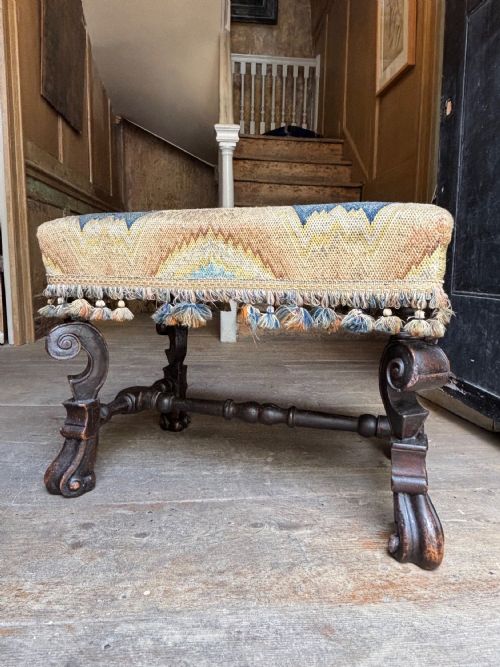
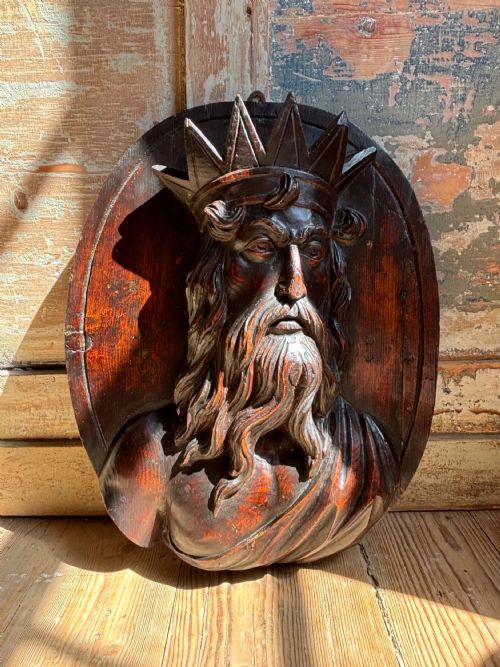
These pieces of baroque oak carving bring vigorous relief panels, columns and architectural fragments into rooms from the seventeenth century onward.
Baroque Oak Carving
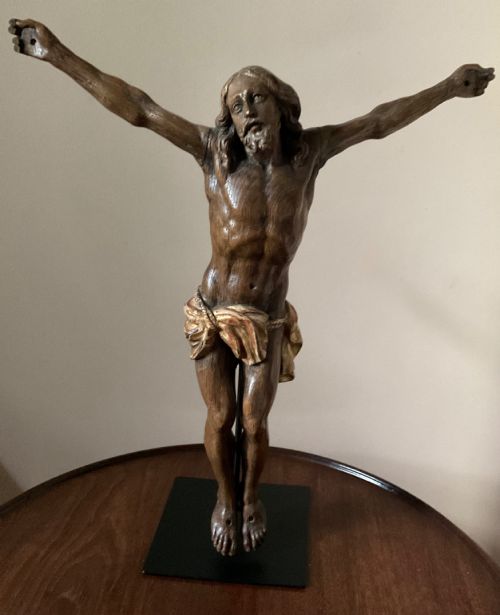
Baroque oak carving encompasses architectural elements, figures and panels created across continental Europe, featuring heavy timber forms designed for display.
Buyers meet sixteenth, seventeenth and eighteenth-century panels, corbels and furniture elements alongside nineteenth-century revival interpretations.
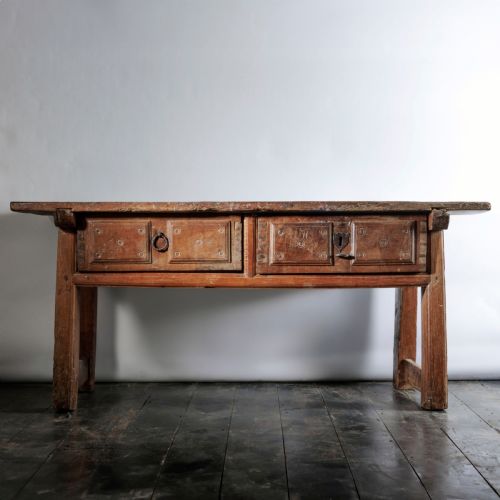
Originating largely from Flemish, Dutch, Spanish and German workshops, these items include console tables, wall plaques and church fragments.
How they were made
Carpenters and carvers shaped seasoned oak and walnut boards using hand chisels and gouges to build deep, dynamic relief patterns.
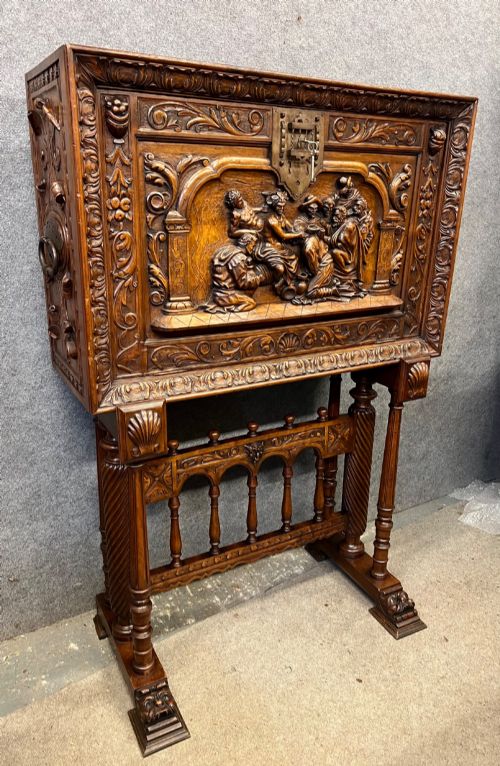
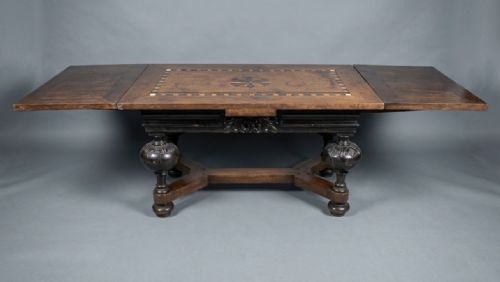
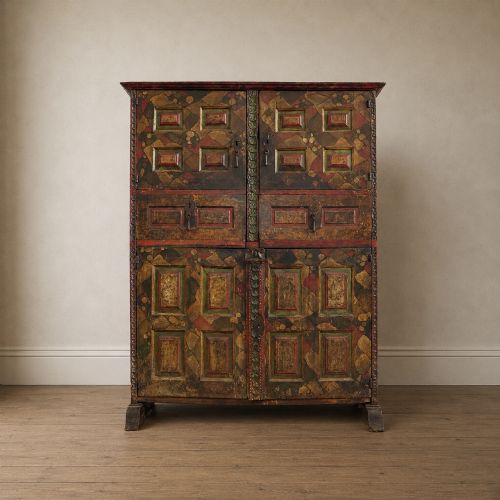
Makers integrated iron, brass, glass and polychrome paint into cabinets, tables and panels alongside inlaid rosewood and ebony details.
Baroque Oak Carving Retail Price Guide 2026
Typical asking prices for baroque oak carving among the pieces listed under this phrase on Sellingantiques today, from the lower quarter to the upper quarter. They describe what is for sale here now, not the wider market.
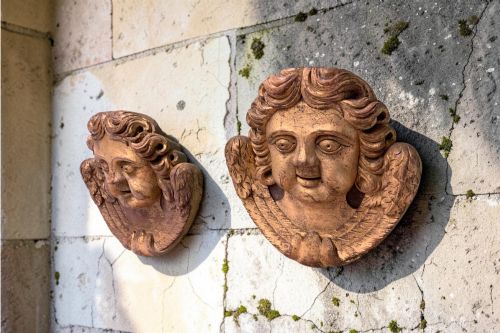
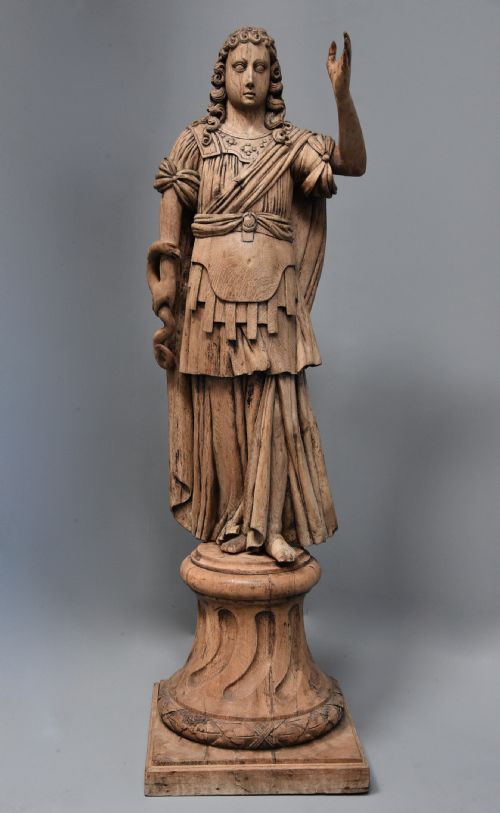
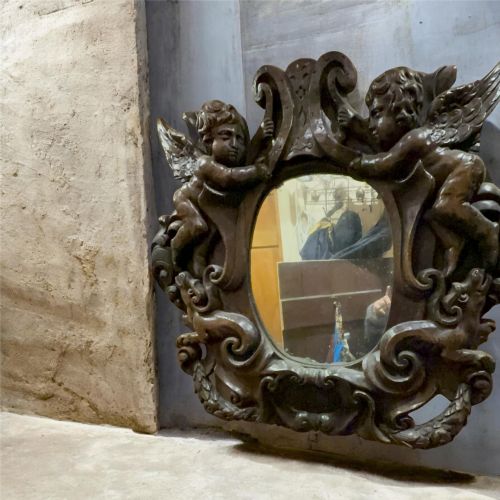
Angels, Neptune and cherubs keep permanent watch over these heavy timber panels.
What varies in quality
Depth and crispness of chisel work distinguish master carvers from routine regional workshops, particularly in facial expressions and acanthus scroll depth.
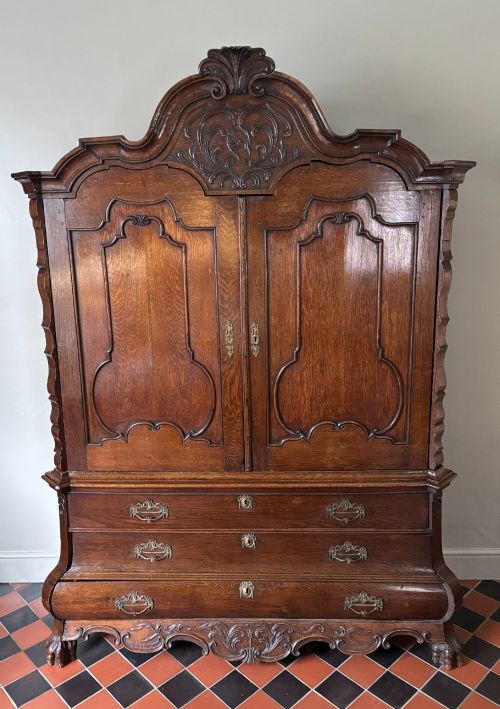
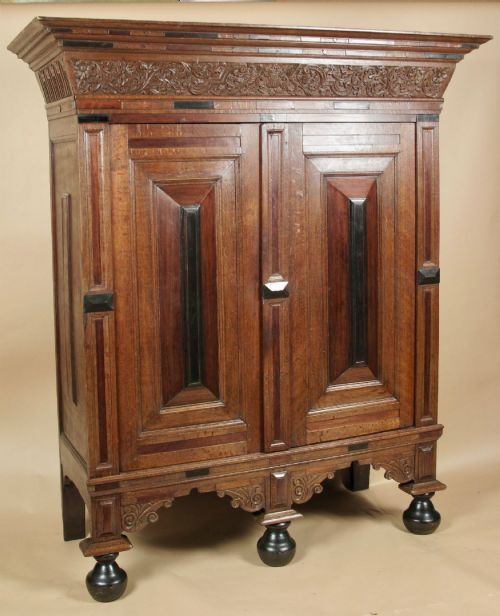
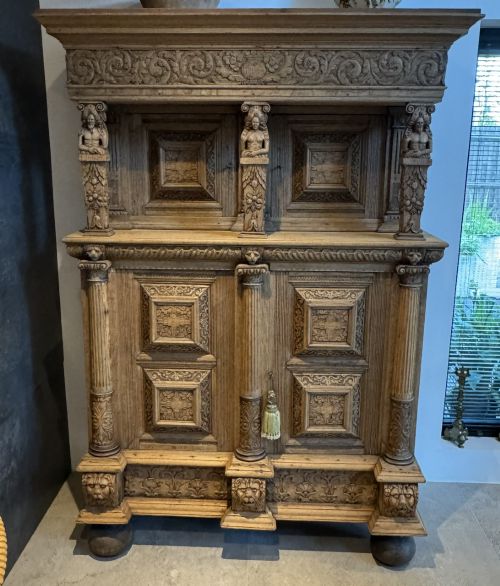
The integration of the carving into structural furniture, such as linen presses or armoires, demonstrates the original joiner's architectural ambition.
Edward Pearce
The Baroque Oak Carving Glossary
- Solomonic
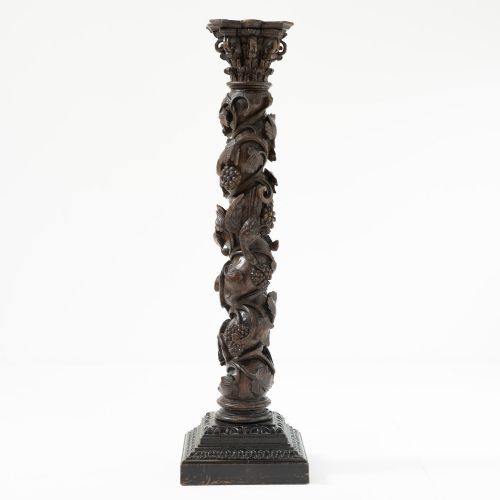
- A twisted, helical column shape popular in seventeenth-century furniture and architectural supports. It adds dynamic movement to tables and pedestals.
- Corbel
- A projecting bracket of wood supporting a weight above. These architectural elements often terminate in scrolls or cherub heads.
- Kussenkast
- A large Dutch cabinet type featuring cushion-moulded doors. They frequently combine oak with exotic veneers like ebony.
- Caryatid
- A sculpted female figure serving as an architectural support instead of a pillar. Examples appear supporting lintels or on single panels.
- Acanthus
- A Mediterranean plant leaf motif carved extensively in classical and baroque ornament. It curls deeply across panels and mirror frames.
Baroque Oak Carving: Frequently Asked Questions
How do I hang a heavy carved panel safely?
Heavy oak panels require secure wall fixing into masonry or timber studs using metal brackets that bear the weight from beneath.
Avoid relying solely on picture wire hung from single screw eyes attached directly to the aged wood.
Where were these carvings originally placed in buildings?
Many items originated as church fittings, overdoor panels, staircase elements or grand cupboard doors in continental European interiors.
Later periods saw these architectural salvage pieces repurposed as decorative wall art within domestic rooms.
How do I distinguish seventeenth-century work from nineteenth-century revival pieces?
Seventeenth-century carving displays tool marks, timber shrinkage and patination consistent with centuries of handling and dry seasoning.
Revival items from the nineteenth century often show uniform machine backing or harder edges lacking the organic wear of early pieces.