

Baroque Furniture
Baroque furniture delivers unapologetic theatricality, bringing heavy timber, intricate marquetry and grand proportions straight into modern interiors.
Baroque Furniture
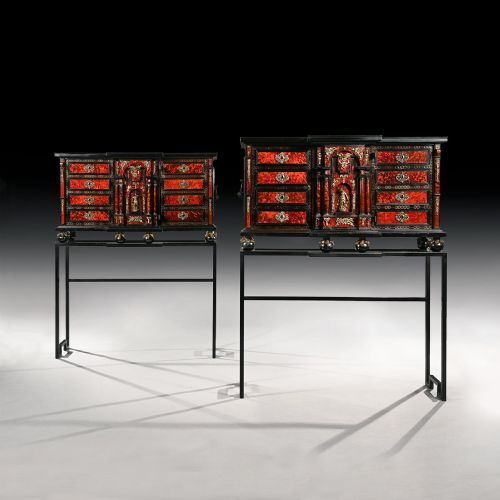
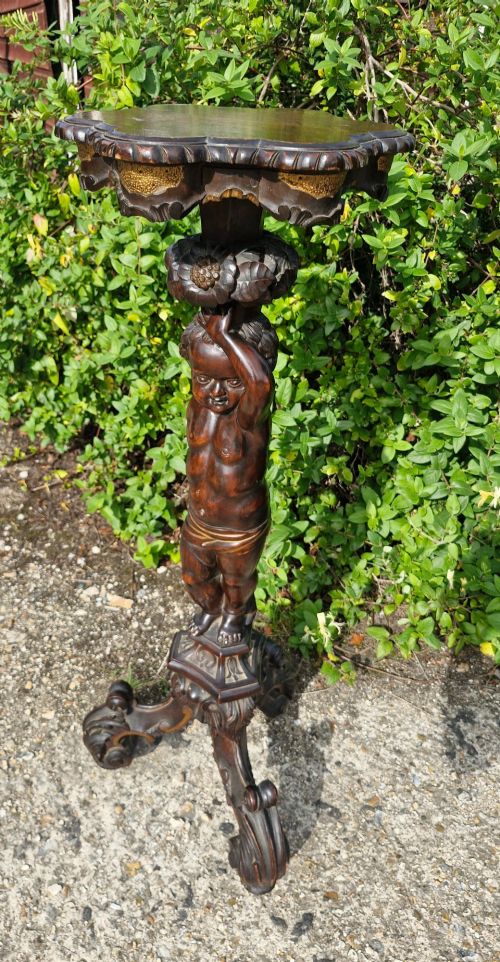
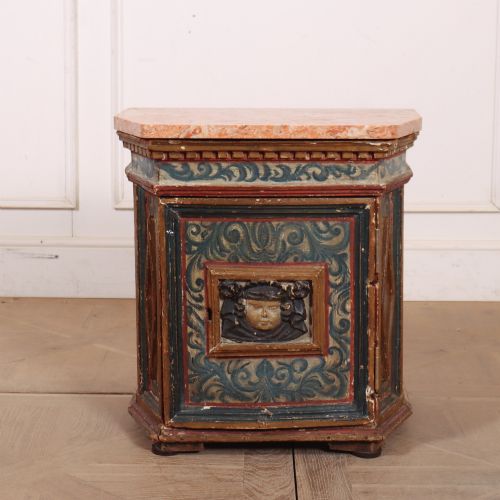
When hunting for baroque furniture, collectors encounter a diverse range of heavy storage and display pieces spanning from the seventeenth century through to later revival periods. The selections here centre on substantial cabinetry, console tables and chests of drawers originating from Dutch, Italian, Spanish and Flemish makers.
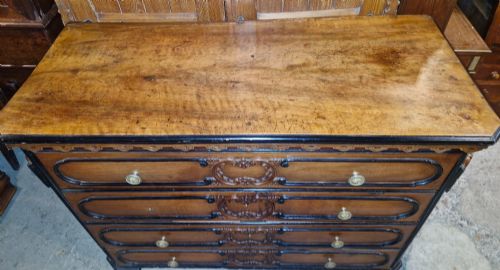
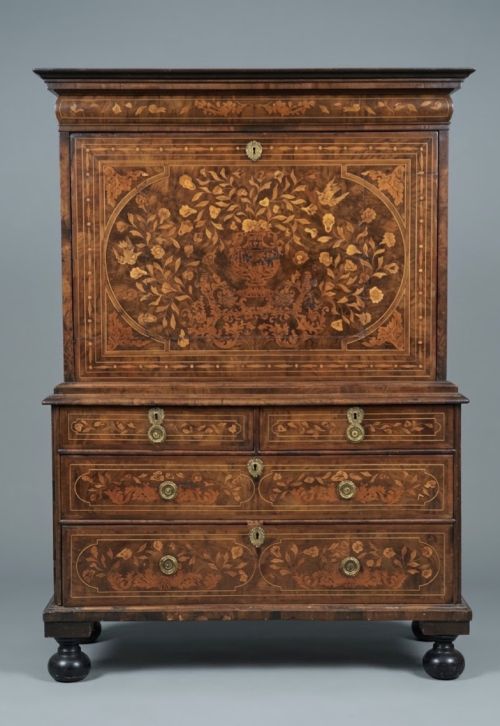
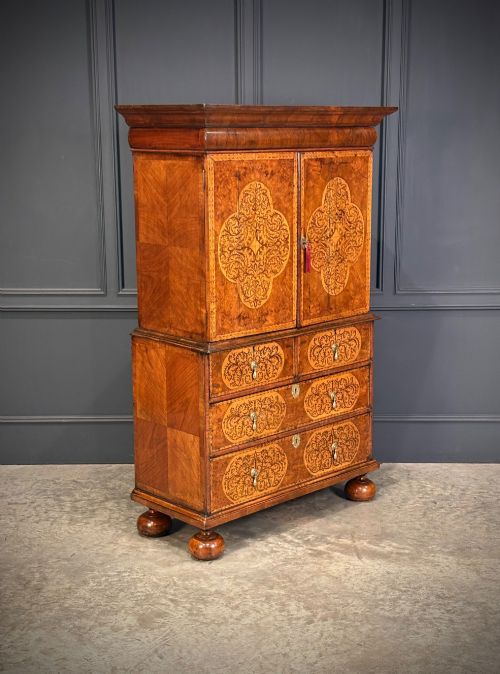
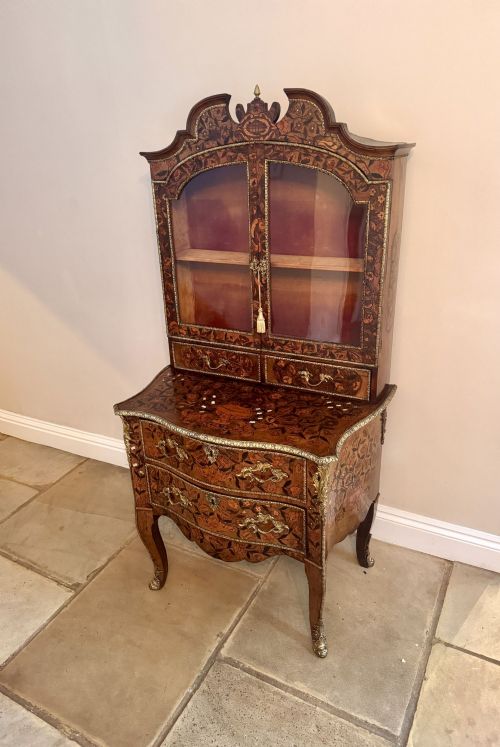
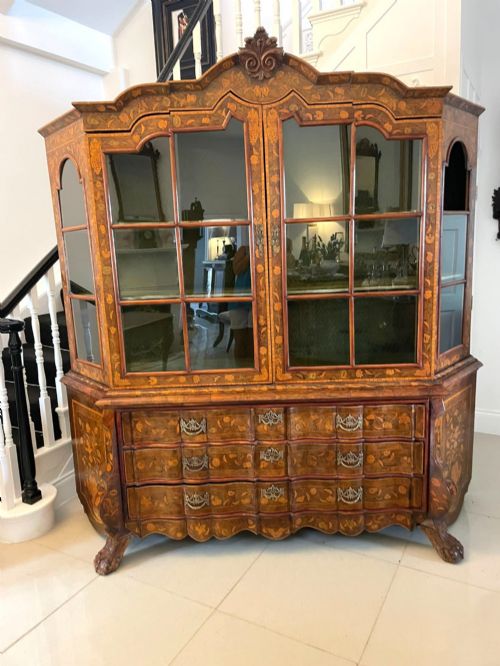
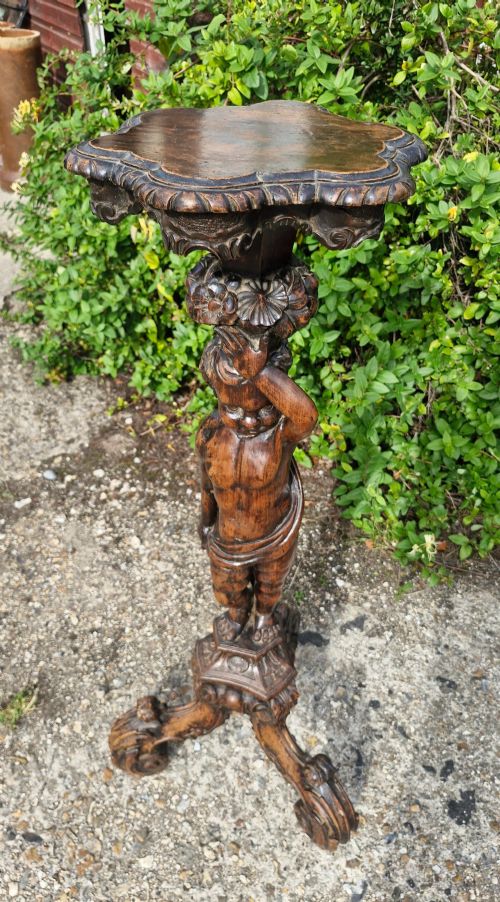
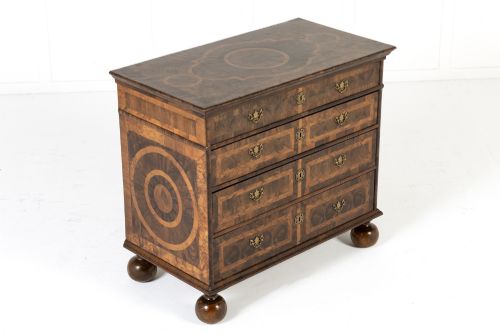
The most common formats on this page include walnut cabinets on stands, marquetry chests and carved console tables. These pieces embody the theatricality of their respective periods, utilising rich timber veneers and expressive silhouettes designed to anchor a room.
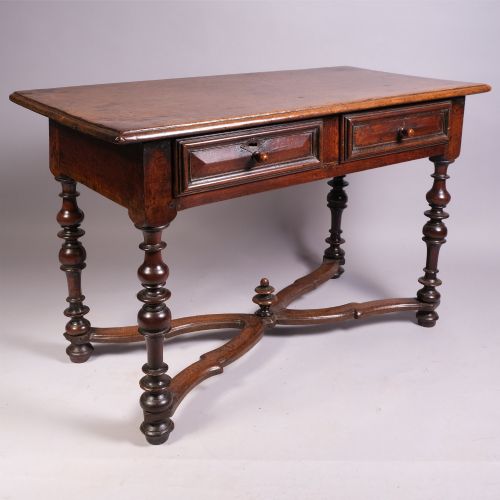
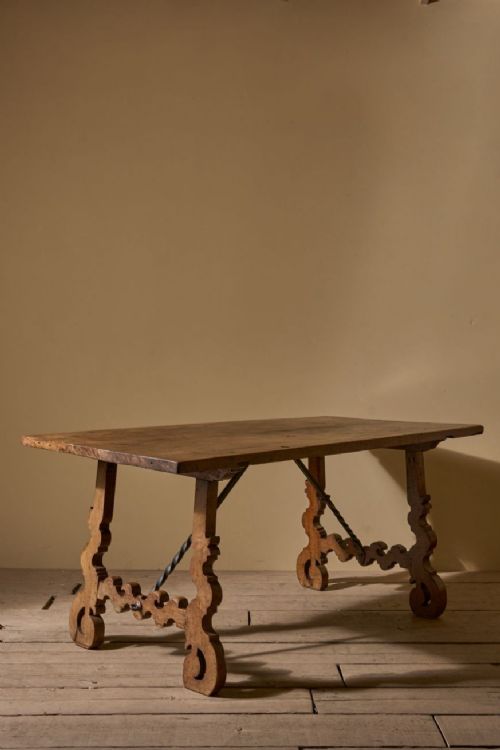
Originating across continental Europe, these items range from seventeenth-century walnut tables to later nineteenth-century revival consoles and display cabinets. Buyers find regional variations, from Dutch floral marquetry to austere Spanish walnut tables with deep historical patina.
How They Were Made
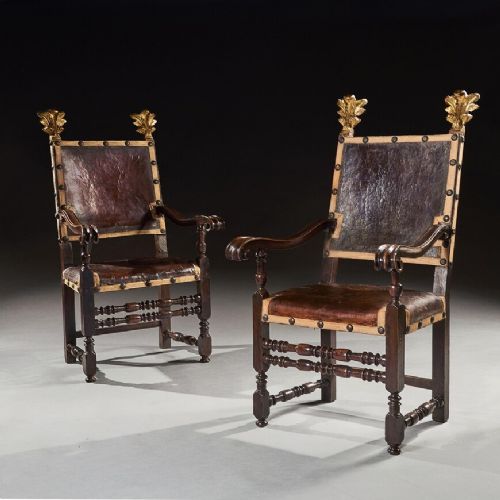
Cabinet makers relied heavily on robust foundational timbers such as oak, fruitwood and solid walnut, often applying elaborate burr walnut or exotic wood veneers across primary surfaces. These carcasses were frequently elevated on turned supports or carved bases to create height and visual drama.
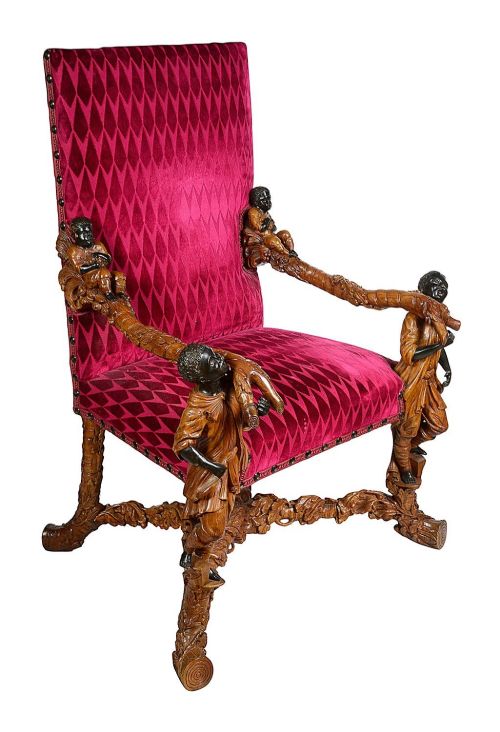
Decoration relied on meticulous craftsmanship, incorporating bone inlay, pewter threading and intricate floral marquetry alongside parcel-gilt and polychrome painted finishes. Specialised elements like tortoiseshell panels and carved giltwood further defined the high-status production methods of the era.
Baroque Furniture Retail Price Guide 2026
Typical asking prices for baroque furniture among the pieces listed under this phrase on Sellingantiques today, from the lower quarter to the upper quarter. They describe what is for sale here now, not the wider market.
Listings feature walnut, oak, fruitwood and ebonised wood across seventeenth, eighteenth and nineteenth-century periods.
What Varies in Quality
The division between ordinary and exceptional pieces rests entirely on the execution of surface decoration and the integrity of the original timber. Superior examples exhibit tightly controlled floral marquetry, crisply carved giltwood details and well-preserved natural patination built over centuries.
Proportion and structural ambition also dictate value, separating standard utility items from monumental architectural cabinets and tables with integrated marble tops. Workshop execution determines whether decorative additions like bone and pewter inlay remain flush and secure within the surrounding wood.
Amleto Bertoni·Pauly et Cie
The Baroque Furniture Glossary
- Marquetry
- Decorative patterns formed by fitting together thin slices of wood veneer, bone or pewter onto a structural carcass. This technique allows for complex floral and geometric motifs across cabinet doors and tabletops.
- Console Table
- A wall-mounted or freestanding table supported by decorative brackets or legs, typically designed to stand against a drawing room wall. These often feature marble tops and heavy giltwood carving.
- Bargueño
- A portable writing cabinet originating in Spain, usually featuring a drop-front desk resting upon a matching or independent stand. Interiors typically conceal numerous small drawers and compartments.
- Bombé
- A swelling, outward-curved profile found on the sides and fronts of chests of drawers and commodes. This undulating shape requires considerable woodworking skill to achieve successfully.
- Torchere
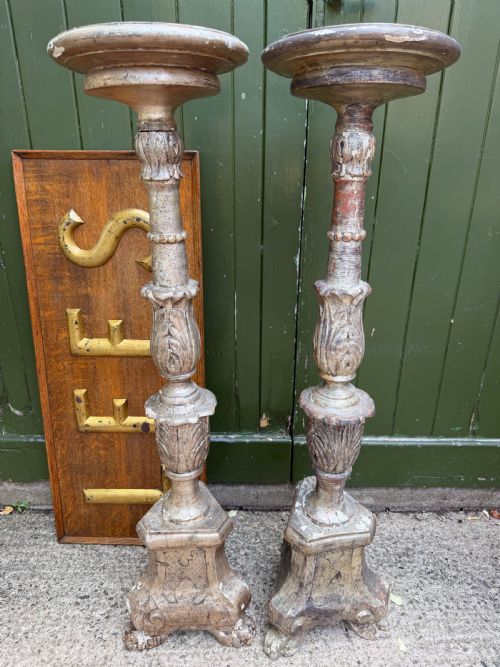
- A tall, slender stand designed to hold a candle or lamp, frequently produced in matched pairs during the seventeenth and eighteenth centuries. Italian examples often display carved and silvered surfaces.
Baroque Furniture: Frequently Asked Questions
What is baroque furniture?
Baroque furniture encompasses heavy, highly decorative tables, cabinets and chests produced across Europe from the seventeenth century onward. These pieces emphasise dramatic forms, rich timbers and intricate surface ornamentation.
Craftsmen utilised techniques like marquetry, gilding and carving to project status and wealth. Today, these items serve as strong focal points in contemporary interior schemes.
How were cabinets on stands used?
Cabinets on stands functioned primarily as elite storage for valuable textiles, collections and documents. The upper section usually featured doors concealing smaller drawers, while the supporting base elevated the piece for display.
Originating in workshops across Flanders, Holland and England, these forms allowed owners to showcase expensive veneers and imported materials. They were typically positioned in principal reception rooms.
How do I live with antique cabinets?
Living with these substantial wooden pieces requires balancing their heavy visual weight with surrounding modern furnishings. Placing them in spacious rooms allows their proportions and intricate marquetry to stand out clearly.
Protecting antique timber from direct sunlight and extreme temperature fluctuations preserves the fragile veneers and original patination. They function effectively as functional storage anchoring a contemporary study or hallway.
How do I tell periods apart?
Distinguishing periods relies on observing shifts in structural joinery, decorative motifs and regional carving styles. Seventeenth-century examples often feature austere solid walnut or architectural tortoiseshell surfaces.
Later eighteenth and nineteenth-century pieces frequently introduce lighter floral marquetry, bombe profiles or revival giltwood details. Comparing regional characteristics helps pinpoint whether an item stems from Dutch, Italian or Spanish workshops.