



Baroque Flower Painting
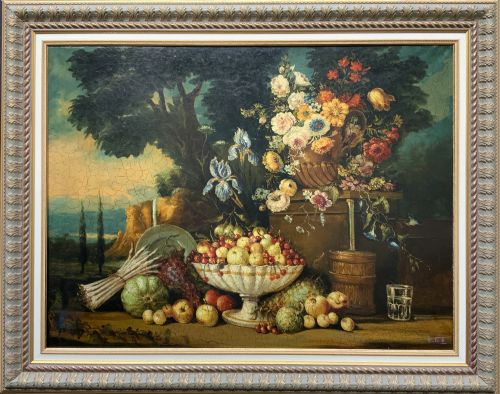
Baroque flower painting brings rich Dutch and Flemish floral still lifes into a room, offering deep oil on canvas compositions filled with seasonal blooms.
Baroque Flower Painting
When you search for baroque flower painting, you encounter works spanning the seventeenth and eighteenth centuries alongside later twentieth-century interpretations in the Dutch Golden Age style. These pieces typically take the form of oil paintings on canvas or wood panels, capturing elaborate arrangements of roses, tulips, and banquet elements.
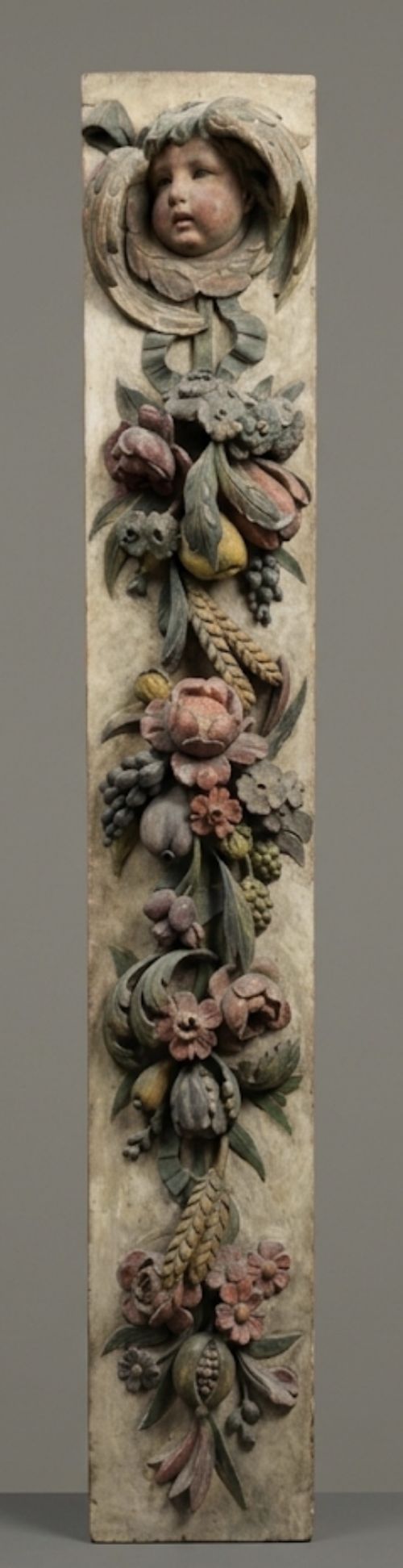
You will also find related wall art such as carved wooden polychrome panels and painted leather screens that echo the same floral themes. The selection ranges from seventeenth-century works attributed to specific masters to twentieth-century canvases working within the Italian school and Flemish traditions.
Materials and construction
These works rely on oil paint applied to canvas, oak panels, or board, often housed within gesso and giltwood frames that complement the depth of the palette. The physical support varies between stretched canvas and solid wood, providing stable ground for detailed brushwork.
Framing often involves carved wooden elements finished in gilt wood or gesso, framing the painted surface in keeping with traditional display methods for oil paintings of this period.
Baroque Flower Painting Retail Price Guide 2026
Typical asking prices for baroque flower painting among the pieces listed under this phrase on Sellingantiques today, from the lower quarter to the upper quarter. They describe what is for sale here now, not the wider market.
Some floral arrangements include unexpected insects painted amongst the petals to demonstrate the artist's eye for detail.
Distinctions in quality
Quality rests upon the handling of oil paint and the fidelity of the composition to seventeenth-century Dutch and Flemish conventions. Stronger examples display nuanced tonal variation in petals and foliage, whereas simpler pieces rely on heavier, less distinct brushwork.
The physical framing and the integrity of the support, whether canvas or oak panel, contribute to the overall character of the piece. Works retaining their original or period-appropriate giltwood frames carry greater visual cohesion.
Gaspar Peeter Verbruggen·Simon Pietersz Verelst·Calzolari
The Baroque Flower Painting Glossary
- Oil on Canvas
- A traditional painting medium where pigment mixed with drying oil is applied to stretched woven fabric. This combination allows for rich blending and deep colour saturation.
- Giltwood
- Wood that has been coated with a thin layer of gold leaf or powder. It frequently appears on ornate frames surrounding seventeenth and eighteenth-century canvases.
- Polychrome
- Decorated in multiple colours. This term describes carved wooden panels bearing painted details rather than plain wood finishes.
- Trompe l'oeil
- An art technique involving extremely realistic imagery to create optical illusions that the depicted objects exist in three dimensions.
Baroque Flower Painting: Frequently Asked Questions
What subjects appear in these paintings?
These works focus primarily on floral arrangements featuring roses, tulips, and assorted blossoms, often accompanied by fruit or banquet items.
The compositions follow Dutch and Flemish still life traditions, placing botanical specimens against dark backgrounds to emphasise colour and detail.
Are these works always from the seventeenth century?
While original seventeenth and eighteenth-century pieces exist, the selection also includes twentieth-century works created in the Dutch Golden Age style.
Datings range from the seventeenth century through to the mid-twentieth century, reflecting enduring interest in the aesthetic.
What surfaces support these paintings?
Artists painted on various grounds including stretched canvas, oak panels, and prepared boards.
Heavier wooden supports and canvas both appear across different periods, housed within matching wooden or gilt frames.
How do screens fit into this category?
Painted leather screens incorporate floral motifs and artistic techniques parallel to those found on framed canvas works.
These folding pieces serve as functional wall art or room dividers reflecting historical decorative styles.