

Baroque Female Oil Portrait
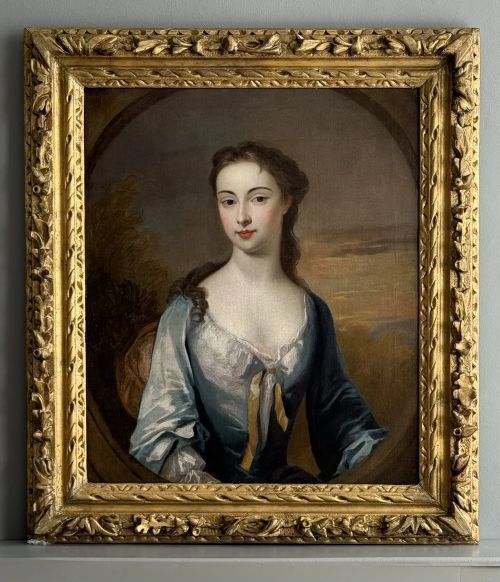
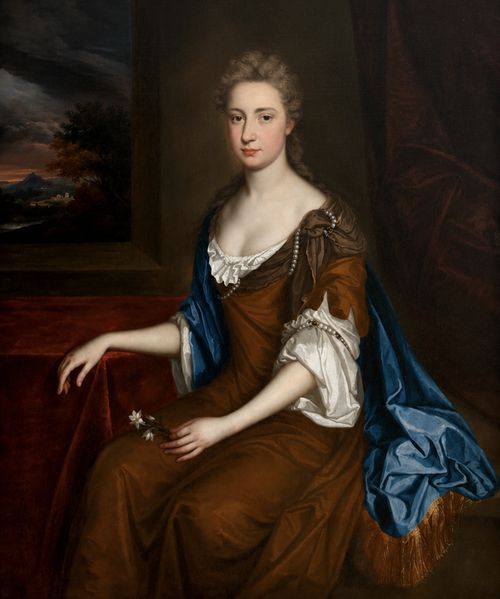
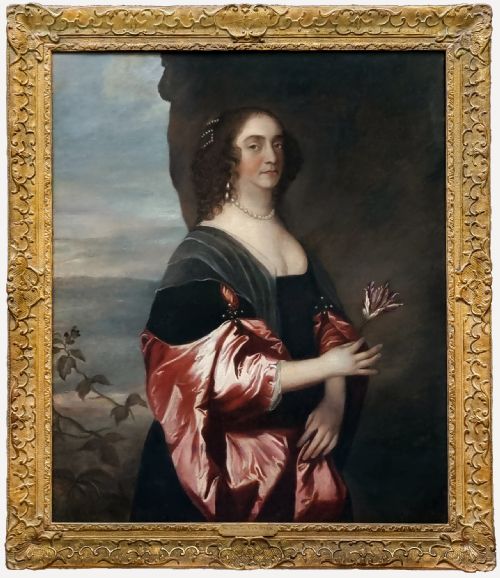
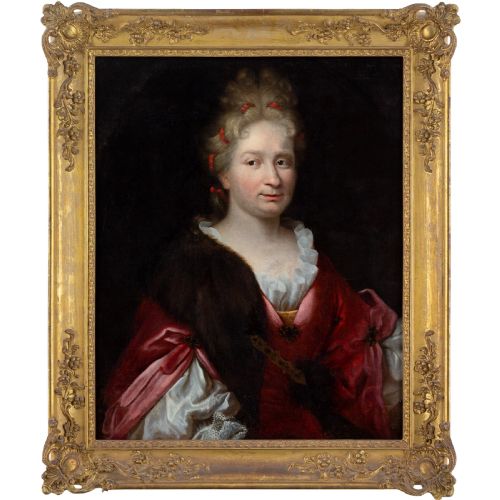
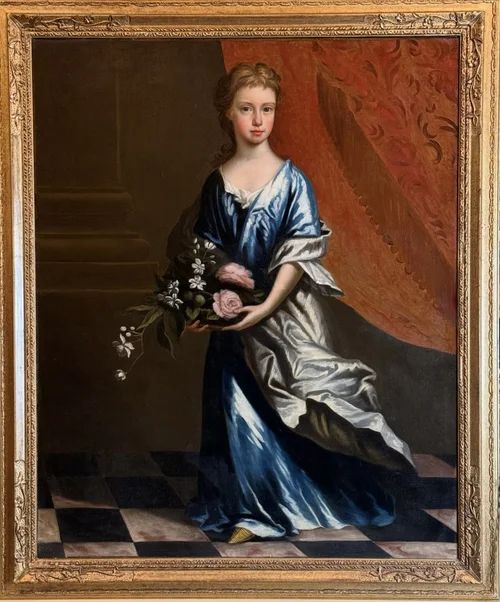
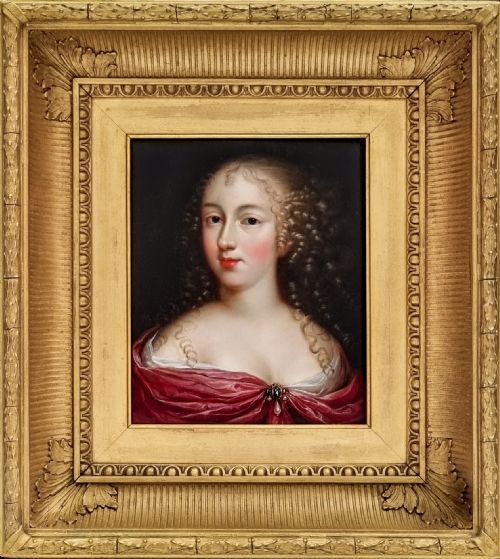
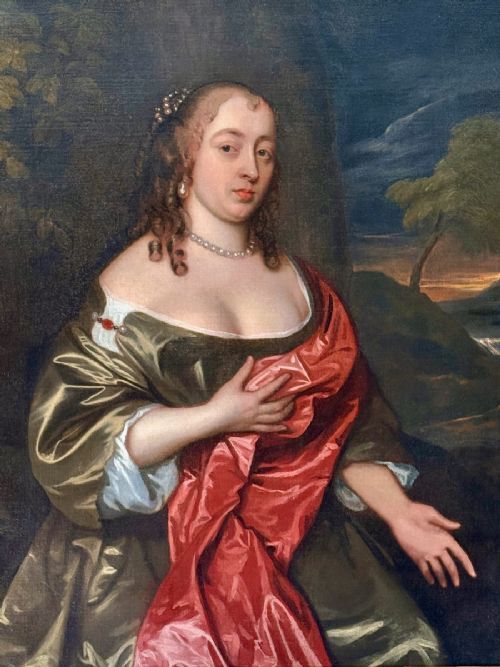
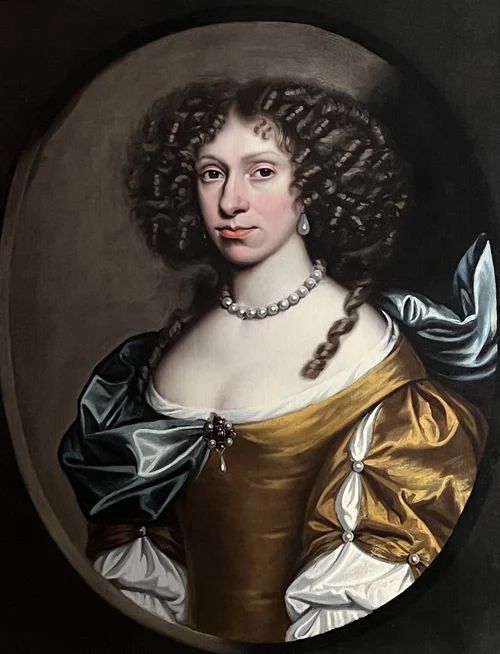
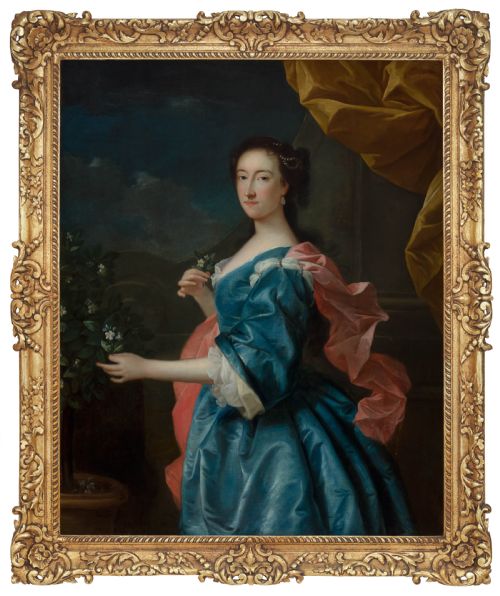
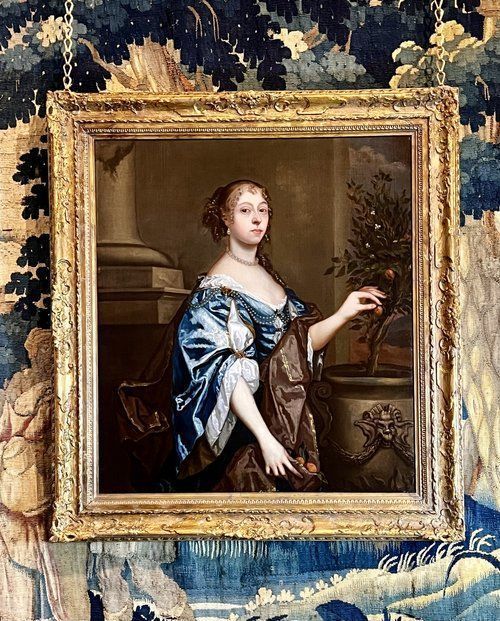
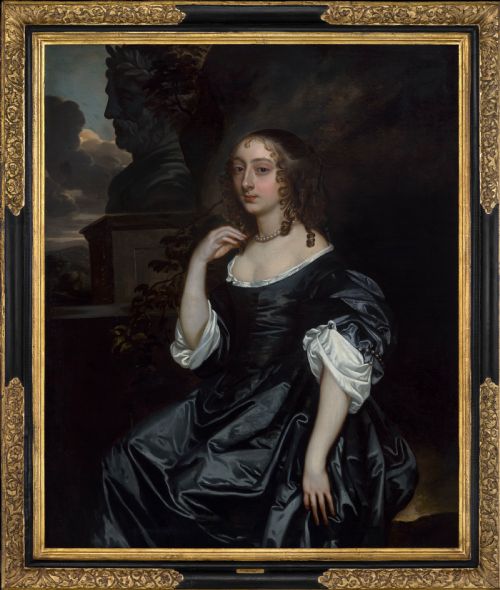
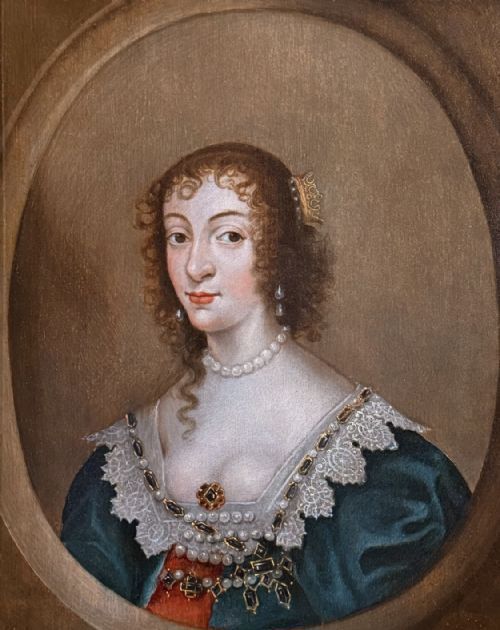
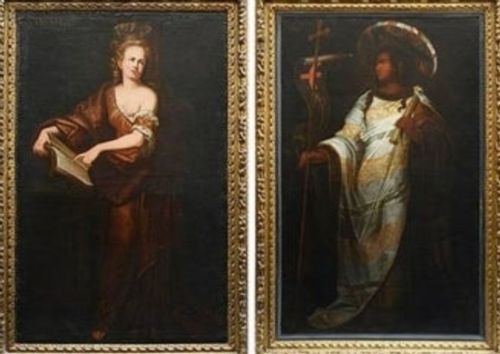
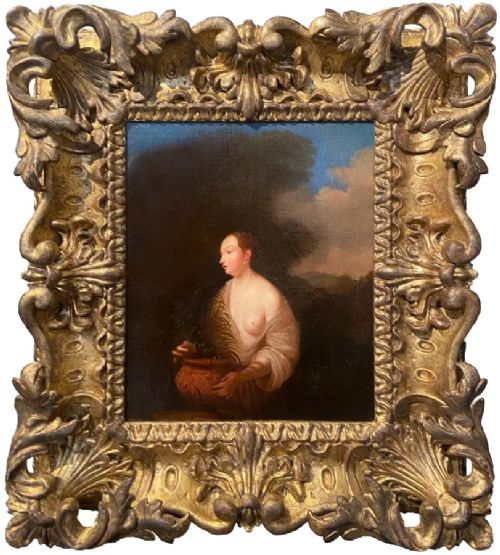
A baroque female oil portrait captures noblewomen, countesses, and mythological figures in rich textiles, bringing seventeenth-century grandeur directly to your wall.
Baroque Female Oil Portrait
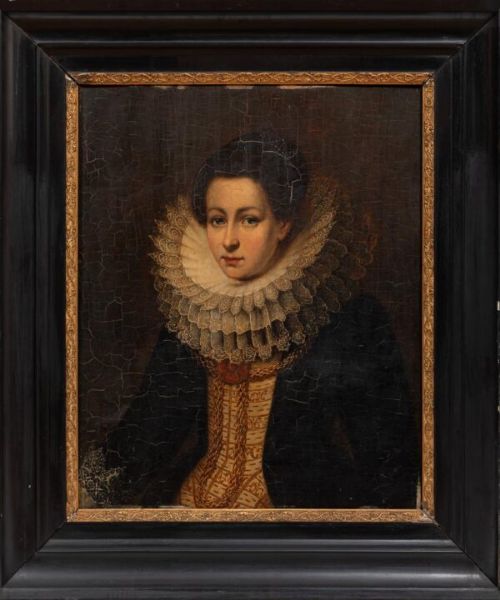
When searching for a baroque female oil portrait, a buyer encounters formal likenesses of noblewomen, aristocrats, and mythological figures originating primarily from the seventeenth and eighteenth centuries. These works span British, Dutch, French, and wider European schools, depicting sitters in sumptuous attire with pearls, lace collars, and voluminous silk gowns.
The selections available here lean heavily toward seventeenth-century English and Dutch compositions, alongside eighteenth-century continuations of the style. Canvases and panels frequently show sitters posed with symbolic elements like orange trees or musical instruments, reflecting the dramatic lighting and rich psychological depth typical of the period.
Most pieces arrive framed in period-appropriate giltwood or gold leaf frames that complement the deep shadows and luminous highlights of the oil paint. Whether attributed to established workshops or regional circles, these artworks serve as historical windows into elite fashion and status.
How they were made
Makers built these images using oil paint applied to stretched canvas or wooden panels, utilising ground pigments mixed with drying oils to achieve deep, translucent glazes. This medium allowed artists to render the subtle sheen of satin dresses, the delicate texture of lace ruffs, and the warm tones of human skin with striking realism.
Painters constructed their compositions through layered techniques, starting with monochromatic underpaintings before building up rich colour harmonies and dramatic chiaroscuro lighting. Many works were housed in carved wood frames finished with gold leaf or giltwood, designed to project light outward into dimly lit historic rooms.
What varies in quality
The distinction between pieces rests largely on the confidence of the brushwork and the psychological engagement of the sitter's face. Superior examples reveal precise control in the rendering of textiles, hands, and intricate lace, whereas lesser studio pieces may rely on formulaic drapery with stiffer facial expressions.
Condition and originality play a major role in establishing the character of a surviving painting. Works retaining their original canvas support, untouched pigment layers, and period giltwood frames offer a more authentic historical presence than heavily restored examples.
Sir Peter Lely·Sir Anthony Van Dyck·Sir Godfrey Kneller·Nicolaes Maes·Mary Beale
The Baroque Female Oil Portrait Glossary
- Baroque
- A European artistic style spanning the seventeenth and early eighteenth centuries characterised by drama, deep shadow, and rich ornamentation. It prioritises movement and grandeur in portraiture.
- Chiaroscuro
- An artistic technique employing strong contrasts between light and dark to give subjects a three-dimensional volume. Painters used this method to focus attention on the sitter's face and hands.
- Giltwood
- Wood carved and covered with a thin layer of gold leaf or gold paint. This material formed the ornate frames typical of seventeenth and eighteenth-century picture displays.
- Panel painting
- An artwork executed on a flat piece of wood rather than stretched canvas. Wooden panels were common supports for European portraits before canvas became dominant.
- Ruff
- A voluminous pleated collar worn in the sixteenth and seventeenth centuries, constructed from stiffened lace or cambric. Its intricate geometry marks the status of early baroque sitters.
Baroque Female Oil Portrait: Frequently Asked Questions
How do I identify a seventeenth-century portrait?
Authentic seventeenth-century portraits typically display specific clothing markers such as lace ruffs, slashed sleeves, pearl jewellery, and heavy satin gowns. Examining the canvas weave, panel construction, and pigment cracking also helps confirm the age of the materials.
Furthermore, the painting techniques often rely on traditional oil glazing methods and natural earth pigments characteristic of the period. Comparing the sitter's hairstyle and costume to dated historical fashion plates provides additional chronological confirmation.
Where should I hang a large oil painting?
These substantial artworks require sturdy wall anchors capable of supporting the combined weight of the heavy canvas and its original giltwood frame. Position the piece away from direct sunlight and heat sources to protect the delicate oil pigments from fading or cracking.
Many collectors place them in principal reception rooms or dining spaces where the dramatic lighting enhances the rich tones of the canvas. Ensuring stable room humidity prevents the wooden stretcher bars and panels from warping over time.
What does circle of an artist mean?
The term circle denotes a painter working in close association with a master, absorbing their specific style, studio practices, and colour palette. These artists painted independently while operating within the immediate cultural sphere of a major figure.
Such works reflect the technical standards and aesthetic preferences of a celebrated workshop without being executed by the master's own hand. This attribution highlights the high level of craftsmanship inherent in the execution.
How do I care for antique canvas paintings?
Maintain a stable indoor environment with moderate humidity levels to prevent the canvas from slackening or the wooden frame from splitting. Dust the surface very gently with a soft, dry brush without applying pressure to the paint layer.
Avoid using water, chemical cleaners, or modern cloths on the oil surface, as historic varnish layers are sensitive to moisture. Professional conservation assessment is recommended if the paint shows signs of lifting or heavy surface grime.