
Baroque Canvas Art
Searching for baroque canvas art reveals historical oil paintings dominated by seventeenth- and eighteenth-century portraiture and still life.
Baroque Canvas Art
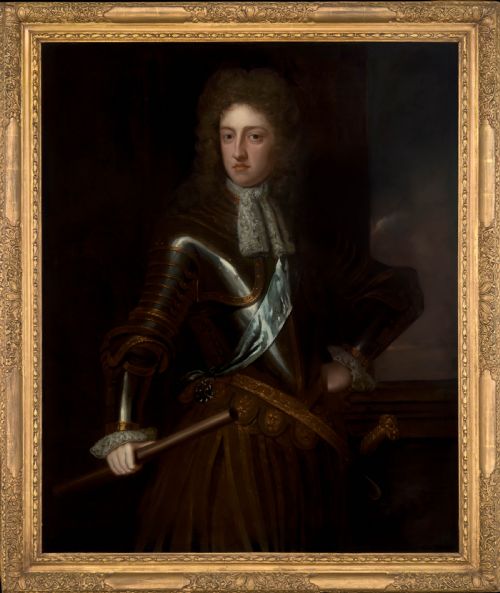
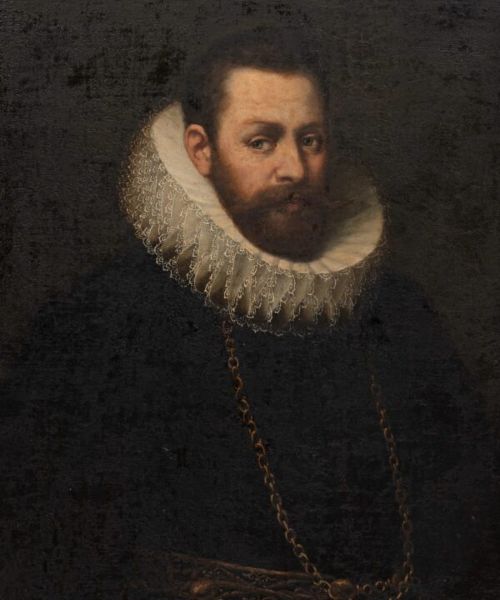
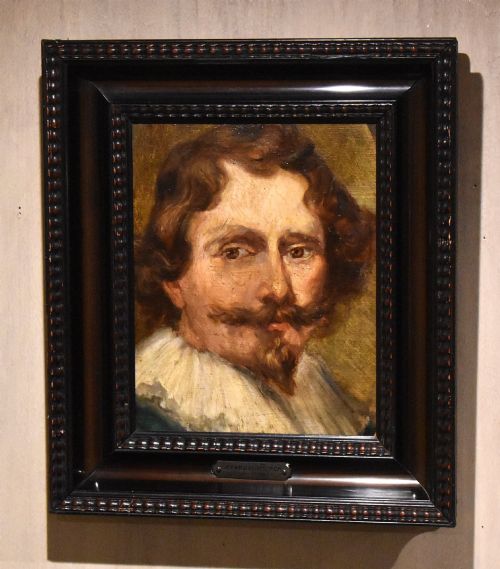
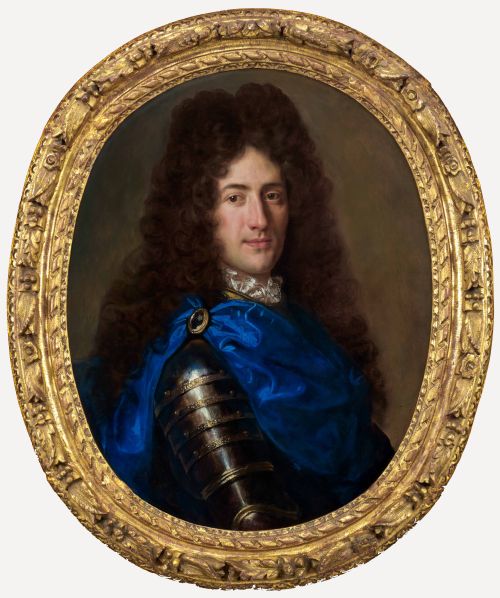
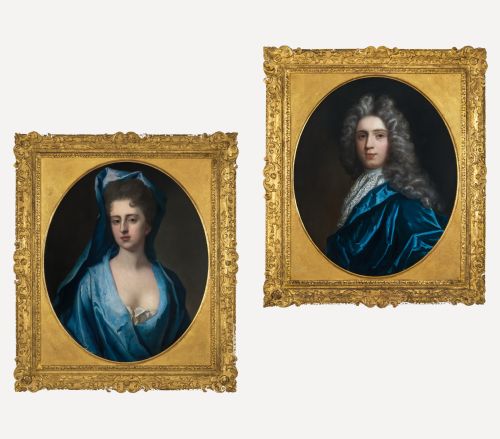
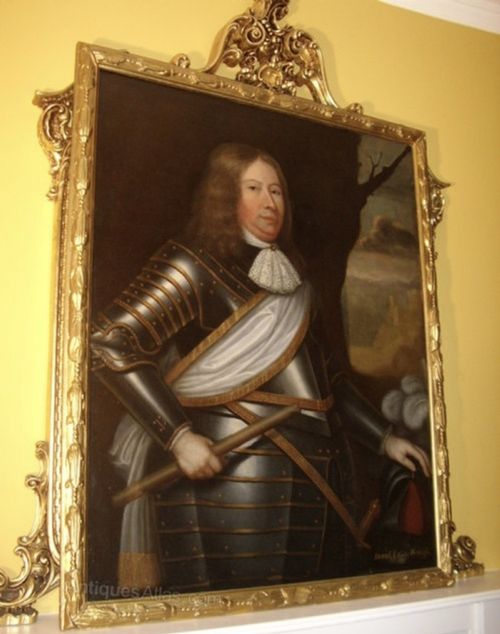
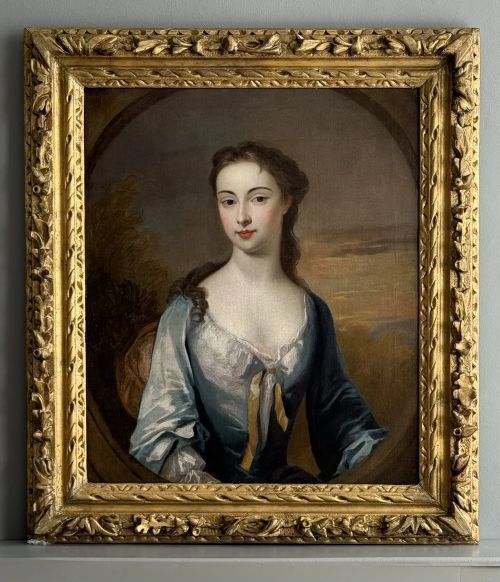
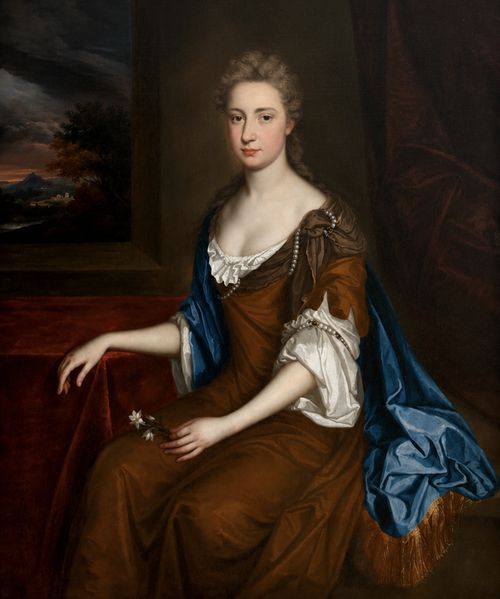
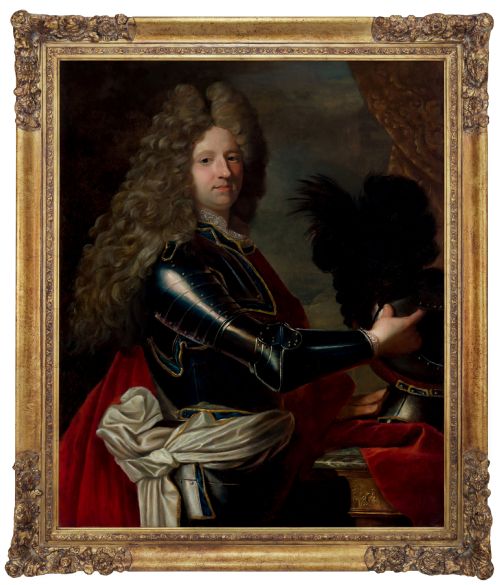
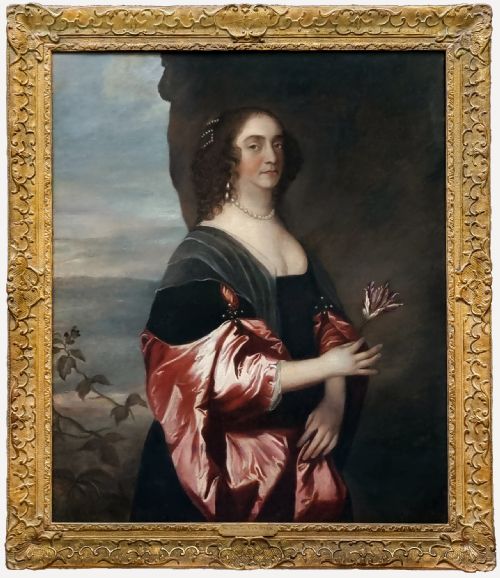
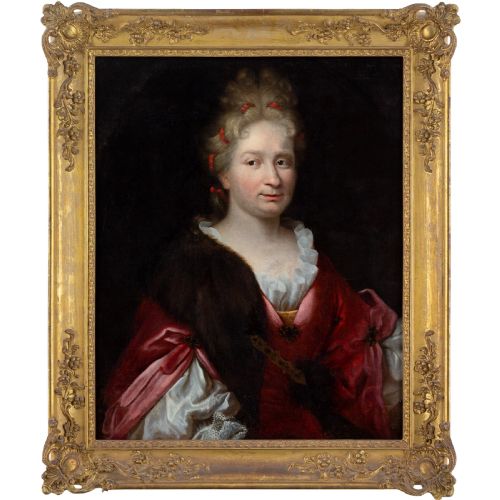
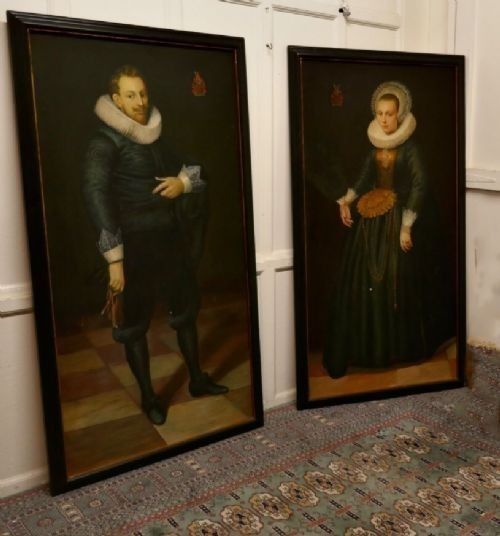
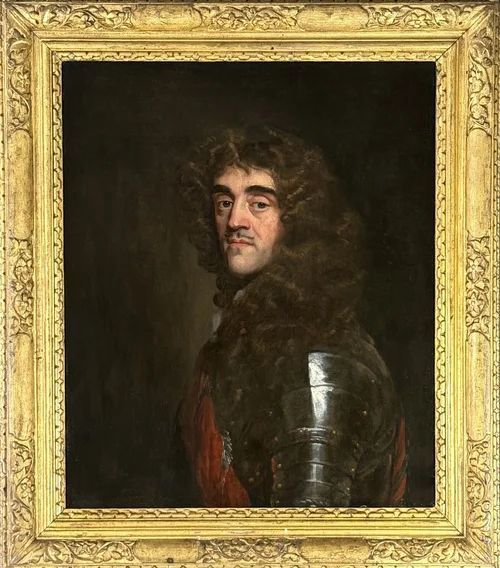
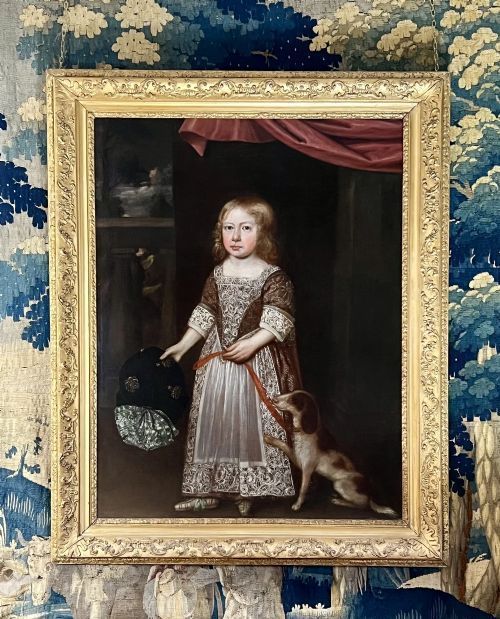
When buyers search for baroque canvas art, they encounter historic oil paintings spanning the seventeenth and eighteenth centuries, alongside later nineteenth- and twentieth-century interpretations in the same historic style. Portraiture dominates the selection, featuring subjects depicted in elaborate dress, armour, or ruff collars, often attributed to notable regional schools or specific studios.
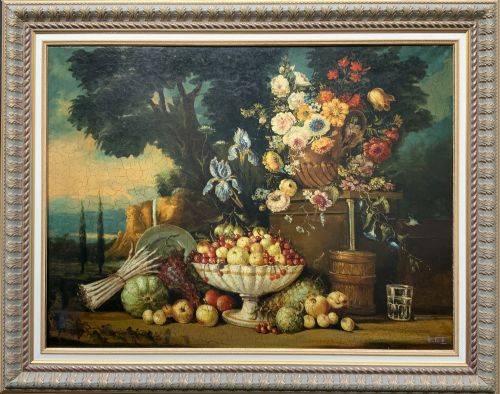
The works originate from diverse European traditions, including British, Dutch, French, Italian, and Flemish schools. Alongside formal portrait paintings, the selection incorporates narrative religious scenes, classical mythologies, and detailed still life compositions featuring fruit, flowers, and banquet elements.
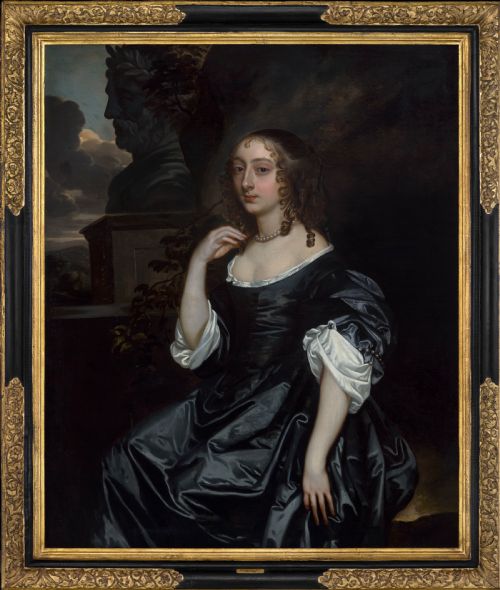
Buyers are most likely to encounter period portraits executed in oil on canvas, frequently housed in complementary period frames such as carved giltwood. These pieces reflect the dramatic lighting, rich colour palettes, and theatrical composition characteristic of the period style.
How they were made
The physical foundation of these works consists of woven canvas stretched over wooden frames, providing the textured support necessary for heavy pigment applications. Artists applied oil paint in layered glazes and impasto to build depth, luminosity, and rich tonal contrasts.
Many works incorporate original or period-appropriate wooden surrounds, frequently finished with gold leaf or gilt wood to enhance the visual weight and decorative presence of the painting.
Materials recorded across the inventory include oil paint, canvas, wood, gold leaf, and elaborate giltwood frames.
What varies in quality
The distinction between workshop productions, circle pieces, and works by master hands rests upon the handling of anatomy, drapery, and facial expression. Superior examples demonstrate confident brushwork, psychological depth in portraiture, and sophisticated management of chiaroscuro lighting.
The integrity of the original canvas support, the stability of the oil paint layer, and the presence of a matching period giltwood frame significantly influence the standing and historical cohesion of an individual artwork.
Sir Godfrey Kneller·Sir Peter Lely·Joseph Vivienne·Michael Dahl·Thomas Murray·David Scougall·Charles Jervas·Hyacinthe Rigaud·John Greenhill·Robert Byng·Barent Gael·Matthieu Elias·Constantyn Netscher·Mary Beale·John Hayls·Jean-Baptiste Van Loo·Georges de La Tour·Angelo Maria Crivelli·Jeremiah Davison·Pieter Borsseler
The Baroque Canvas Art Glossary
- Baroque
- A European artistic style originating around the seventeenth century characterised by drama, deep shadow, rich colour, and theatrical composition. It is seen extensively in portrait and religious paintings.
- Oil on Canvas
- A traditional painting technique where pigments bound in oil medium are applied to a prepared woven fabric support. This combination allows for subtle blending and luminous glazing.
- Giltwood
- Wood carved and coated with a thin layer of gold leaf or metallic powder. It is commonly found on seventeenth- and eighteenth-century picture frames.
- Chiaroscuro
- An artistic technique using strong contrasts between light and dark to give subjects a three-dimensional volume. It defines much of the modelling in seventeenth-century portraiture.
- Studio of
- A designation indicating a work produced in the workshop of a master artist, often under their direct supervision or following their established compositions.
Baroque Canvas Art: Frequently Asked Questions
How do I care for an oil painting on canvas?
Keep the canvas away from direct sunlight, extreme temperature fluctuations, and high humidity to prevent the paint layer from cracking or warping.
Dust the surface very gently with a soft, dry brush, avoiding any moisture or chemical cleaning agents.
Are these paintings original seventeenth-century works?
The selection includes authentic period works from the seventeenth and eighteenth centuries, alongside later nineteenth- and twentieth-century interpretations and copies painted in the historical style.
Check the assigned period and attribution notes in individual listings to determine the exact age and origin of each piece.
What is the difference between studio work and attributed pieces?
A studio work denotes a painting produced within a master artist's workshop by assistants following the master's style and composition.
An attributed piece is one where stylistic evidence suggests the hand of a specific named artist, though absolute documentation is absent.
How should I hang a heavy framed canvas?
Secure the piece directly into structural wall studs or use heavy-duty wall anchors rated to support the combined weight of the painting and its wooden frame.
Ensure the hanging wire and D-rings affixed to the frame are robust and professionally secured before mounting.