

Baroque Artwork
Searching for baroque artwork brings you face-to-face with centuries-old oil paintings, panels, and prints dominated by dramatic portraiture and detailed still lifes.
Baroque Artwork
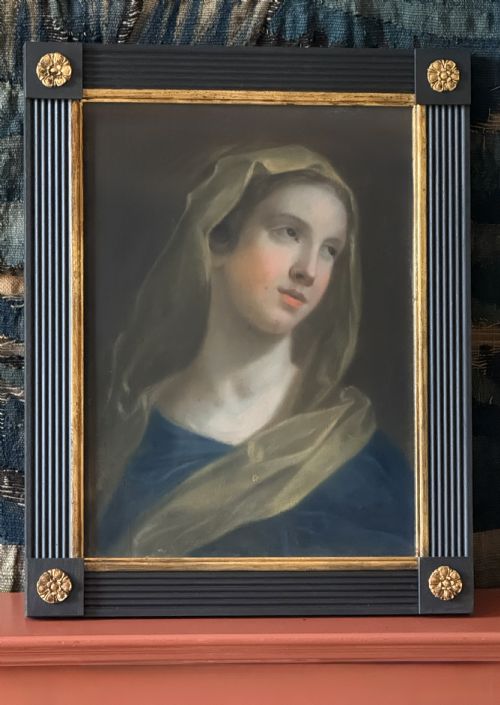
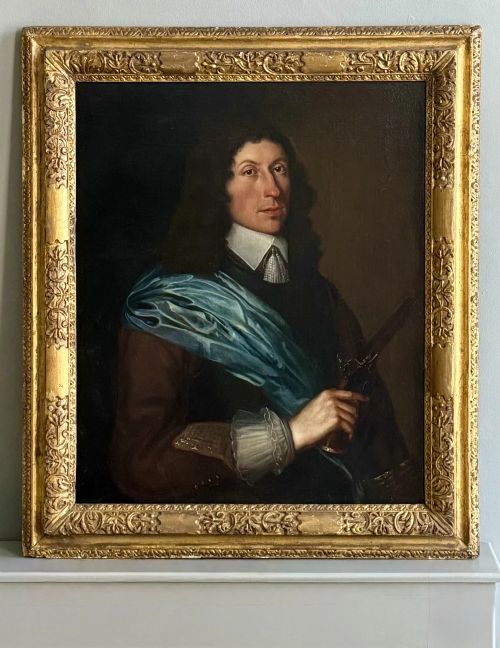
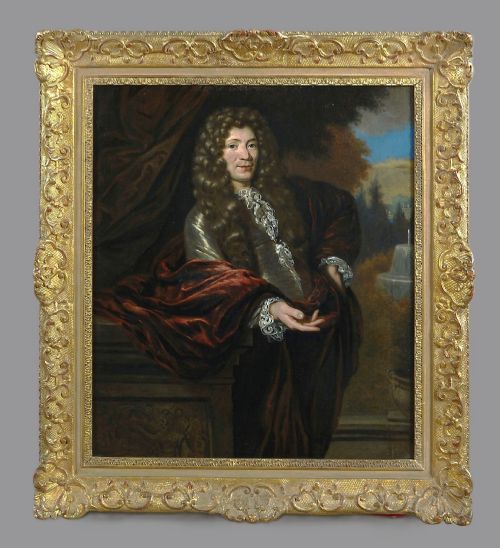
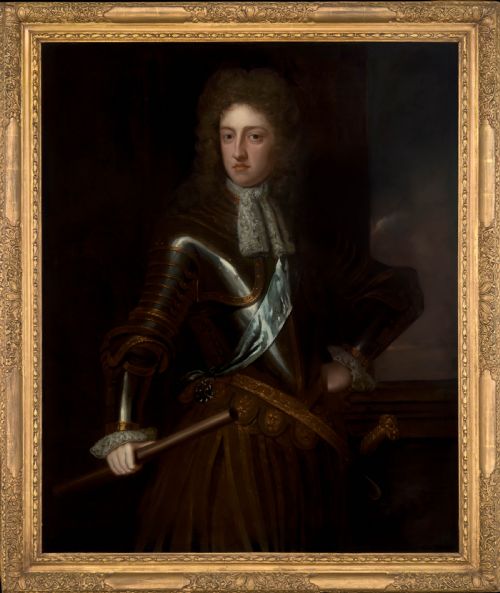
Baroque artwork primarily encompasses oil paintings on canvas and panel, alongside period engravings and mezzotints dating largely from the seventeenth and eighteenth centuries. The pieces reflect regional movements spanning Italian, Dutch, Flemish, French, and British schools.
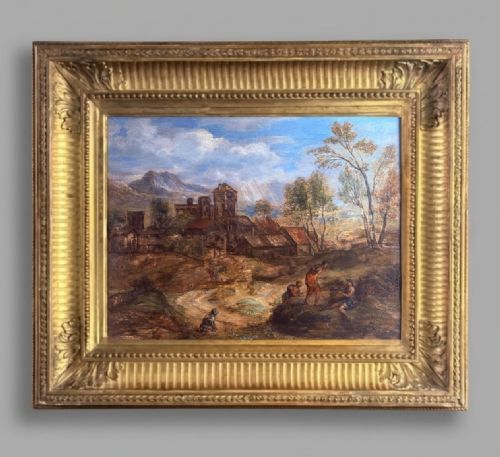
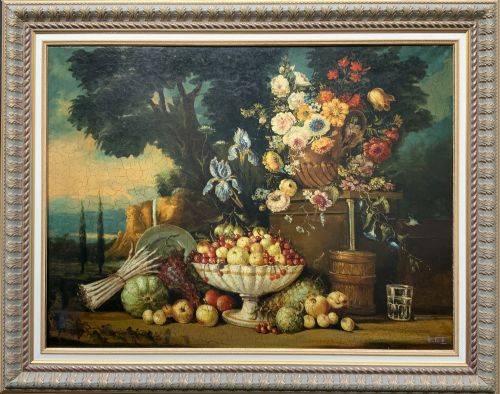
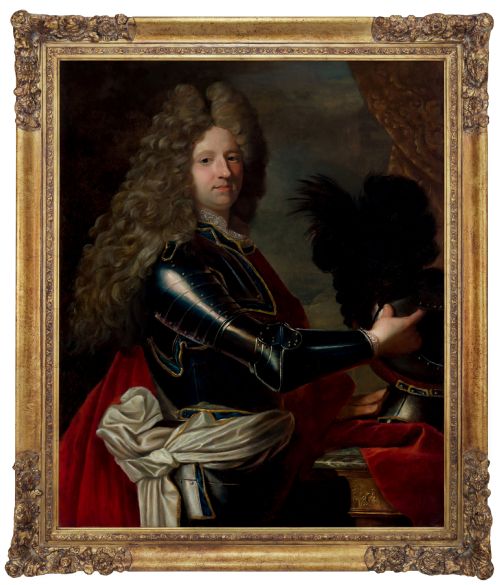
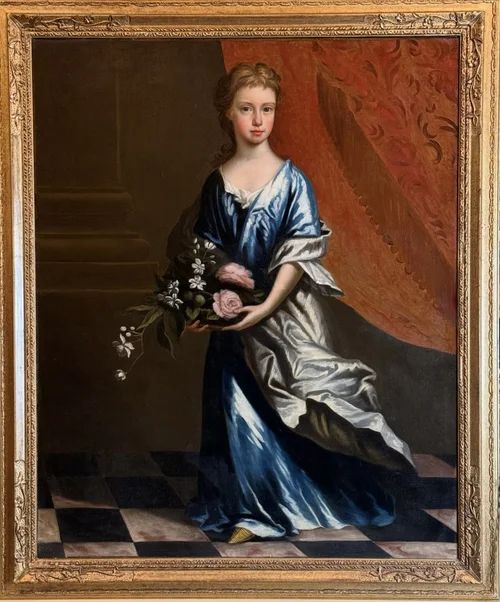
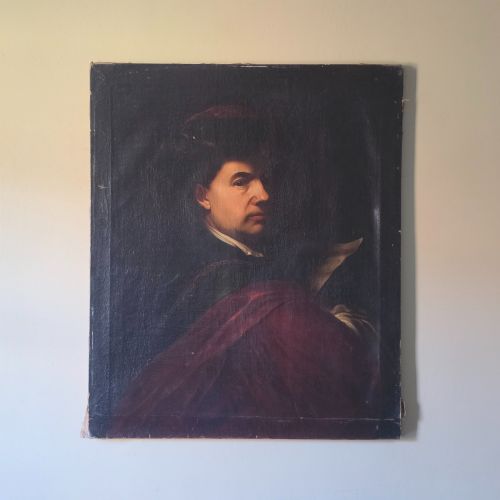
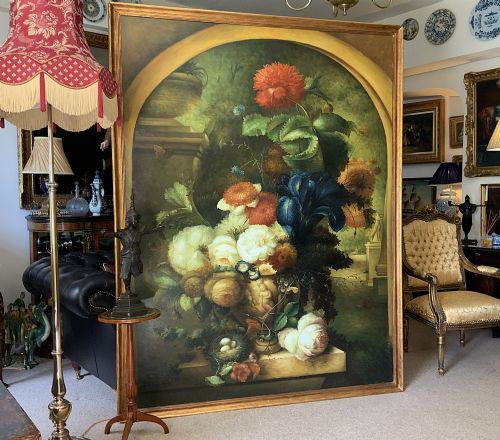
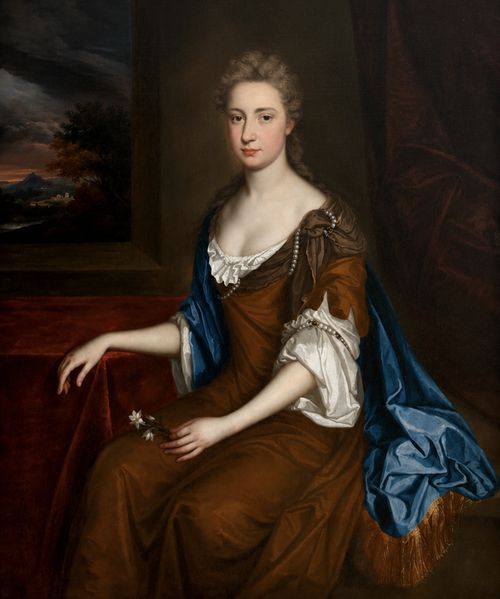
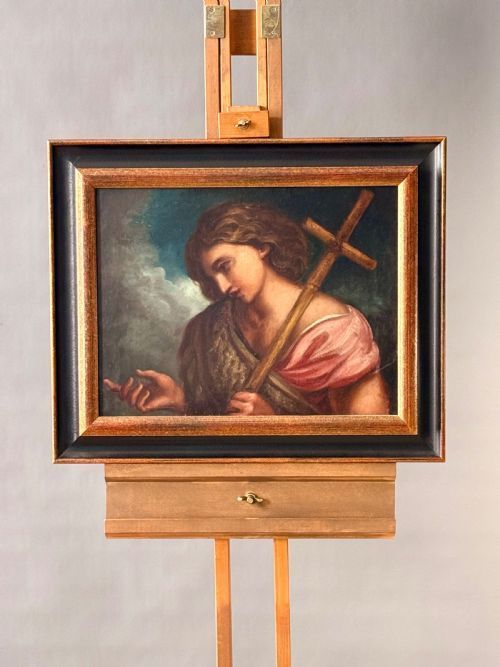
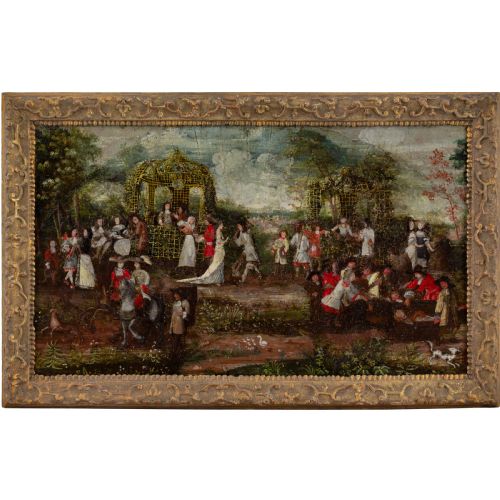
Portraits of noblemen, ladies, and children dominate the selection, alongside religious and mythological scenes, floral still lifes, and arcadian landscapes. Many works originate from artists' studios, circles, or followers rather than solely prime masters.
Buyers encounter framed artworks produced across the seventeenth and eighteenth centuries, supplemented by later interpretations and copies produced well into the twentieth century.
Materials and construction methods
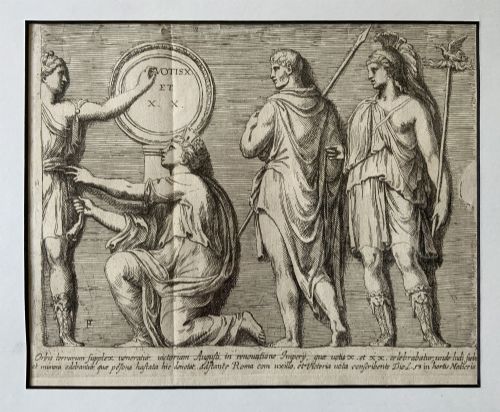
Painters applied oil paint to stretched canvas, wooden panels, or paper supports, building deep shadows and rich highlights characteristic of the period. Engravers and mezzotint makers worked on metal plates to transfer inked images onto paper.
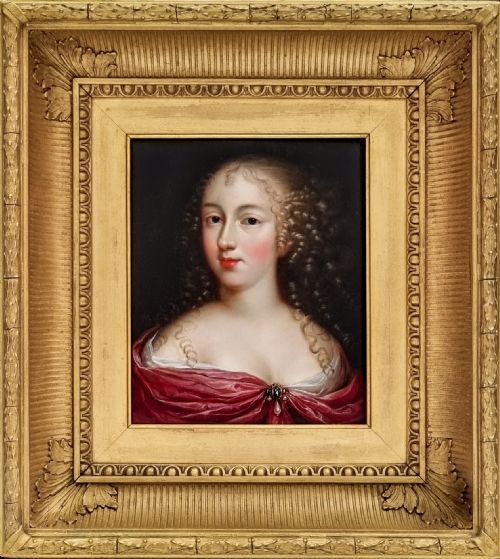
Giltwood frames frequently house these paintings and prints, providing the ornate architectural border traditionally associated with the period style. Reverse glass techniques also appear among printed works on this page.
Baroque Artwork Retail Price Guide 2026
Typical asking prices for baroque artwork among the pieces listed under this phrase on Sellingantiques today, from the lower quarter to the upper quarter. They describe what is for sale here now, not the wider market.
Materials recorded across these listings include oil on canvas, wood panels, paper, glass, and giltwood frames.
Factors influencing quality
Quality rests upon the strength of the brushwork, the handling of light and shadow, and the psychological depth captured in portraiture. Studio attribution, proximity to a named master, and period execution weigh heavily against later decorative copies.
The condition of the original paint layer, the presence of stable craquelure, and the integrity of the support surface determine the preservation state of each canvas or panel.
Sir Godfrey Kneller·Sir Peter Lely·Hyacinthe Rigaud·Mary Beale
The Baroque Artwork Glossary
- Mezzotint
- A printmaking process where the copper plate is roughened to allow deep tones and subtle gradations of light. It became popular for reproducing oil portraits during the seventeenth and eighteenth centuries.
- Studio of
- A term indicating a work produced by assistants or pupils working under the direct supervision of a master artist. These pieces often share the compositional style of the primary hand.
- Panel
- A rigid support made from wood used by painters before canvas became dominant. Wooden panels require careful seasoning to prevent warping over centuries.
- Circle of
- An attribution given when a painting originates from an artist working in close association with a known master, sharing their exact stylistic environment without being by their hand.
- Giltwood
- Wood carved and covered with a thin layer of gold leaf. Frames utilising this technique surround many period oil paintings.
Baroque Artwork: Frequently Asked Questions
How do I identify a seventeenth-century portrait?
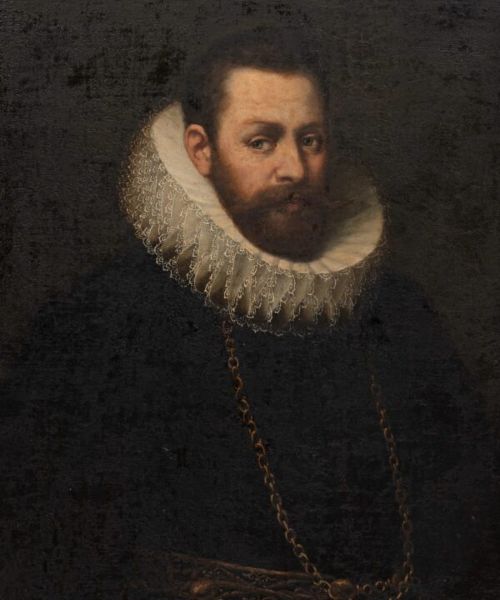
Seventeenth-century portraits typically feature specific clothing markers such as lace ruffs, stiff collars, periwigs, or draped cloaks. Painters of this era also utilised deep chiaroscuro lighting to model the sitter's face against a dark background.
Examination of the canvas weave, stretcher construction, and panel grain often confirms the age of the physical support.
What is the difference between an original oil and an engraving?
An original oil painting consists of pigmented paint applied directly to canvas or wood by an artist's brush. Brushstrokes sit on the surface with tactile variation and depth.
An engraving or mezzotint is a printed work on paper created by pressing an inked metal plate. These offer flat, fine lines or tonal dot patterns rather than raised paint layers.
How should I care for an antique oil painting?
Antique oil paintings require stable indoor humidity and temperature levels to prevent the wooden panels or canvas supports from expanding and contracting. Keep them away from direct sunlight to protect the pigments from fading over time.
Dust the surface very gently with a dry, soft brush and avoid using water or chemical cleaners on the paint or giltwood frame.
What does after an artist mean?
When a listing states a work is after a specific painter, it means the piece is a later copy or a print reproduction of a well-known composition. The original artwork usually resides in a museum or private collection.
These secondary works allowed collectors to own representations of famous paintings long after the primary artist passed away.