



Baroque Angel Carving
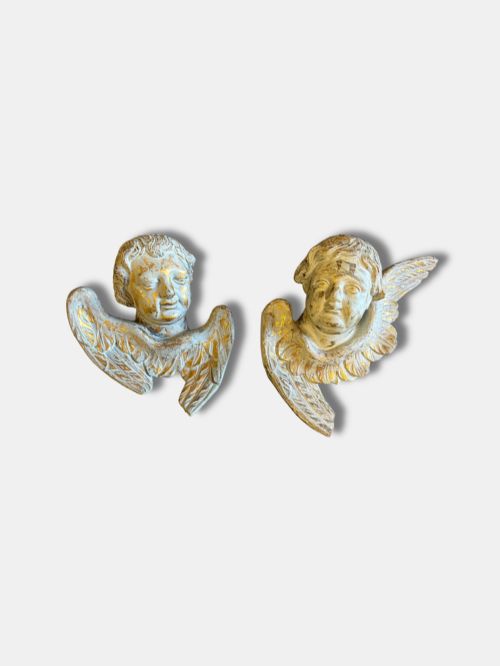
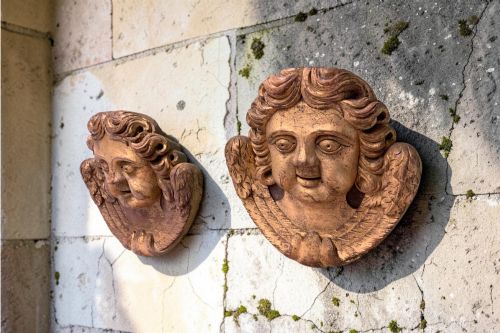
These baroque angel carving pieces bring dramatic heavenly figures into a room, offering rich wooden forms and historic gilt finishes.
Baroque Angel Carving
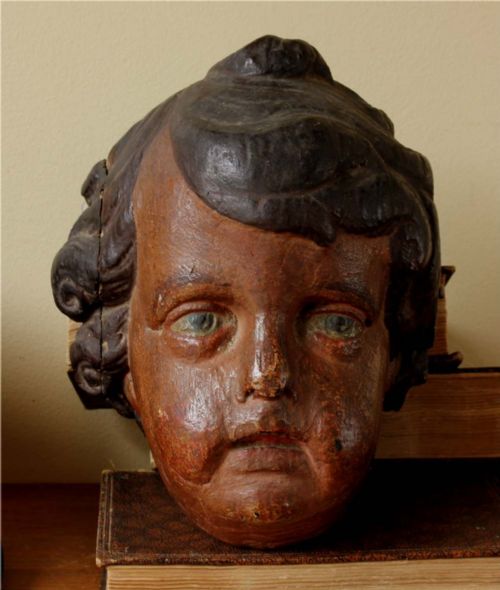
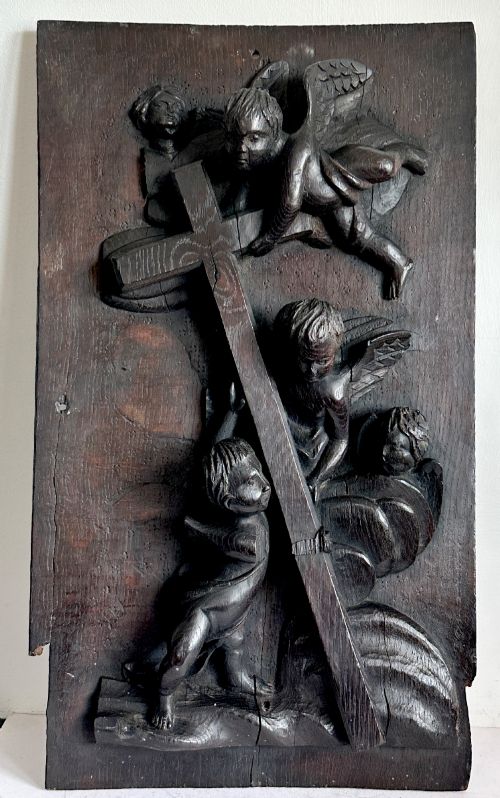
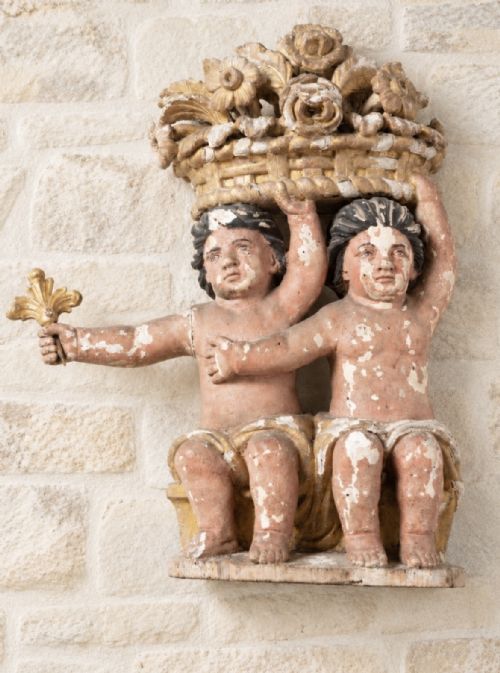
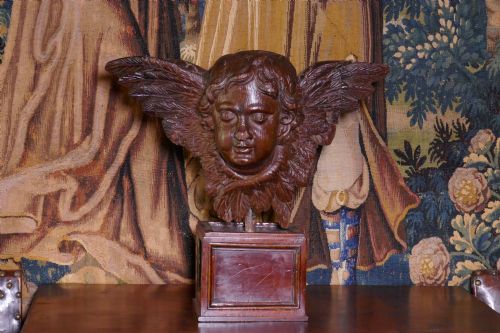
A baroque angel carving takes many forms across the selection here, appearing as wall brackets, wall reliefs, panels, and free-standing figures. Buyers searching for a baroque angel carving will find works ranging from the seventeenth century through the nineteenth century, with French and Italian regional styles dominating the selection.
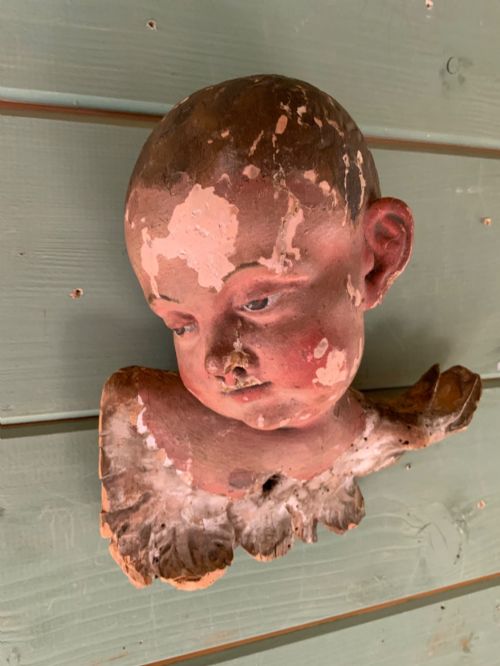
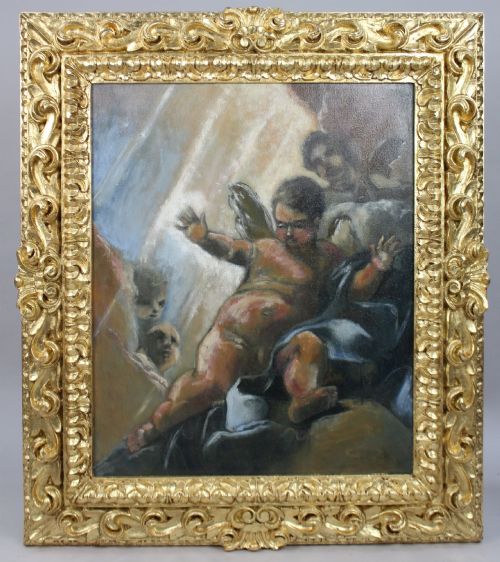
The objects frequently depict cherubs, putti, and full angels, sometimes kneeling on clouds or presented as single heads. Many items function as architectural elements or wall lights, integrating carved timber with practical decorative use in domestic interiors.
Materials and construction
Makers shaped these pieces primarily from carved wood, utilising oak and other timbers for structural depth. Surfaces often received layers of gesso before being finished with gold leaf, giltwood, or polychrome paint.
Some works incorporate metal alongside the carved wooden elements, particularly in lighting fixtures and structural supports. The combination of painted polychrome and metallic leaf creates the theatrical contrast characteristic of the period.
Baroque Angel Carving Retail Price Guide 2026
Typical asking prices for baroque angel carving among the pieces listed under this phrase on Sellingantiques today, from the lower quarter to the upper quarter. They describe what is for sale here now, not the wider market.
Several cherubs appear caught mid-cloud, proving that even heavy timber occasionally needs a lift.
Evaluating the carving
Quality rests in the depth and vitality of the carving itself, distinguishing lively facial expressions and fluid drapery from stiff execution. Sculptural confidence in rendering hands, wings, and hair separates exceptional works from simpler production.
The preservation of original surface treatments, whether polychrome pigment or gold leaf, heavily influences the character of each piece. Surviving historic finishes retain a tactile warmth that later interventions alter.
The Baroque Angel Carving Glossary
- Putto
- A plump, often wingless infant figure found in classical and baroque art. These representations appear frequently among the carved heads and full figures in this selection.
- Giltwood
- Wood that has been coated with gold leaf or powder over a preparation layer. This finish defines many of the Italian and French wall ornaments.
- Polychrome
- Decoration executed in multiple colours, typically applied to wood or stone sculpture. This technique brings realistic flesh tones and contrasting garment hues to the carved figures.
- Gesso
- A plaster-like mixture applied to wood as a smooth base for gilding or painting. It allows intricate fine detail work beneath the gold leaf.
Baroque Angel Carving: Frequently Asked Questions
Where should I hang a wall bracket?
These pieces suit prominent spots in living spaces or hallways where their architectural presence can be appreciated.
Ensure the wall structure supports the weight of the timber and any mounted items safely.
How do I clean giltwood safely?
Dust gently with a dry, soft brush to prevent disturbing the fragile gold leaf surface.
Avoid liquid cleaners and damp cloths, which damage historic finishes and underlying gesso layers.
Are these figures from churches?
Many examples originate from Italian altars, religious panels, and domestic devotional settings.
Their scale and iconography reflect ecclesiastical commissions adapted for private interior display over subsequent centuries.
How do I identify seventeenth century oak?
Early oak displays tight growth rings, deep patination, and tool marks left by initial hand shaping.
Examination of the back and fixings often reveals period construction methods distinct from later revival pieces.