




Ball Foot Chest
These ball foot chest examples are substantial wooden storage pieces defined by their characteristic supports, offering practical character for any room.
Ball Foot Chest
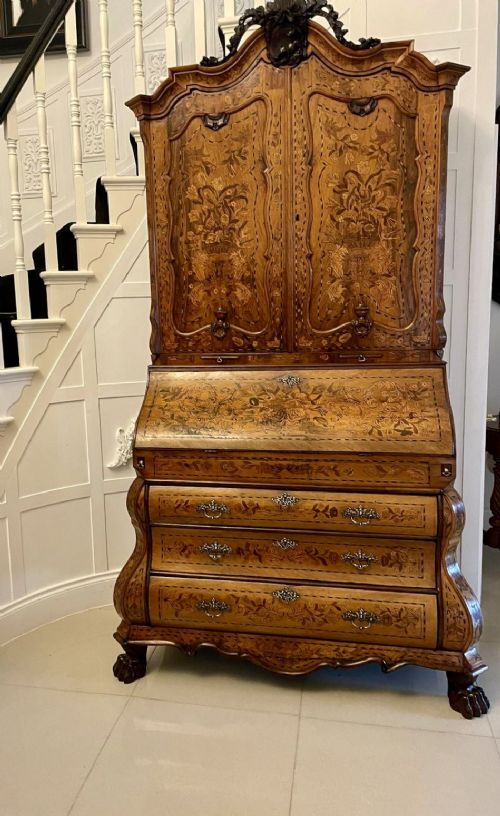
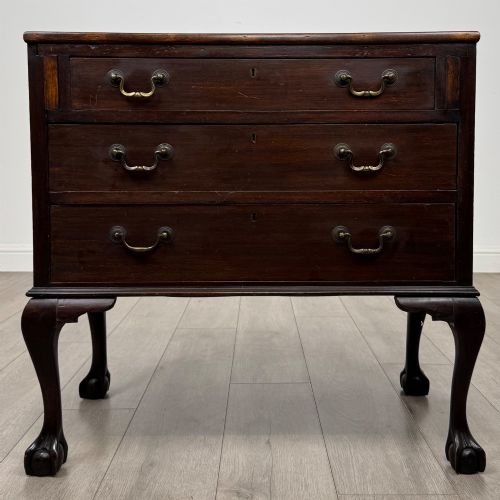
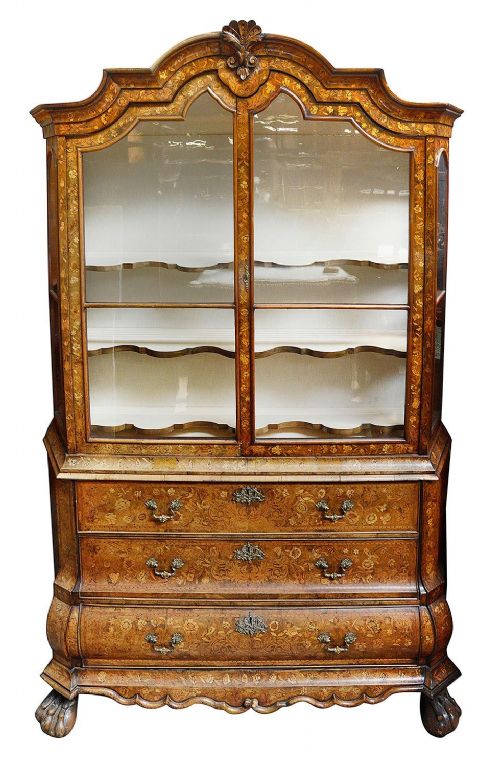
A ball foot chest provides generous storage through stacked drawers raised on spherical or claw and ball supports. These items appear across several distinct historical eras, ranging from 18th Century Dutch marquetry pieces to Edwardian mahogany interpretations.
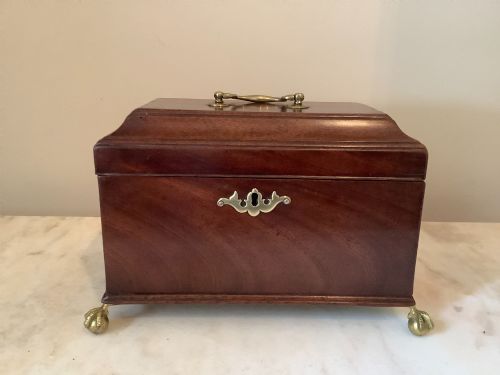
The most frequent examples encountered on this page belong to the Georgian and Edwardian periods, constructed primarily in mahogany or walnut. Alongside standard chests of drawers, related forms such as bureau bookcases, lowboys and cutlery chests occasionally feature the characteristic foot design.
Buyers often seek these forms for their sturdy proportions and the tactile quality of the turned or carved supports. The presence of brass hardware and distinct timber grains further defines the visual appeal of these furnishings.
How they were made
Cabinet makers constructed these pieces using solid timbers like mahogany, walnut and oak, frequently applying burr walnut veneers or intricate marquetry inlay for decorative effect. Brass handles, escutcheons and keyplates were standard fittings added to secure and operate the drawers.
Supports were carved directly from the timber or turned on a lathe, forming the solid balls or claw and ball configurations that elevate the main body of the furniture. Secondary woods were utilised for internal framing and drawer linings to ensure structural stability.
Ball Foot Chest Retail Price Guide 2026
Typical asking prices for ball foot chest among the pieces listed under this phrase on Sellingantiques today, from the lower quarter to the upper quarter. They describe what is for sale here now, not the wider market.
Listings incorporate items spanning the 18th Century, Georgian, Edwardian and 1900 periods, utilising materials such as mahogany, walnut, oak, brass and marquetry inlay.
What varies in quality
The refinement of the timber selection dictates much of the visual merit, particularly where figured burr walnut or detailed marquetry is present. Superior examples display careful matching of wood grains across the drawer fronts and carcass.
Carving execution on the feet and surrounding mouldings separates standard production from finer craftsmanship. Crisp definition in the carved details and the integration of original brass hardware elevate the standing of an individual piece.
Walker & Hall·Muirhead Moffat & Co
The Ball Foot Chest Glossary
- Ball foot
- A spherical wooden support turned on a lathe and placed beneath the corners of a heavy case piece. This form lifts the furniture clear of floor dampness while adding a solid visual anchor.
- Marquetry
- A technique of inlaying decorative veneers into a wooden background to create elaborate floral or geometric patterns. Craftsmen cut thin slices of various timbers and exotic materials to assemble the pictorial surface before applying it to the carcase.
- Lowboy
- A small side table featuring a low set of drawers, typically raised on cabriole or straight legs. These versatile items served various domestic functions in the 18th Century and later revival periods.
- Bureau bookcase
- A dual-purpose case furniture piece combining a sloping writing flap over drawers with an upper enclosed shelving section. The interior typically houses small compartments and secret drawers.
- Cutlery chest
- A specialised wooden container designed to hold flatware sets securely, often fitted with baize-lined interior partitions. These chests frequently bear maker marks from established silversmiths and cabinet workshops.
Ball Foot Chest: Frequently Asked Questions
What is a ball foot chest?
A ball foot chest is a wooden storage unit featuring stacked drawers elevated on spherical or claw and ball supports. These pieces provide deep drawer capacity while displaying the characteristic turned feet that lift the heavy carcase.
They appear in various timber selections such as mahogany, walnut and oak, reflecting the design preferences of periods ranging from the 18th Century to the Edwardian era.
How do I identify the period?
Dating relies on examining the timber species, construction methods, hardware and decorative techniques like marquetry or carving styles. Earlier 18th Century examples often feature walnut or detailed marquetry inlay, while Edwardian and 1910 pieces tend to utilise solid mahogany with different proportions.
Secondary woods inside the drawers and the style of the brass handles further help establish the manufacturing era.
How were they used historically?
These chests served primarily for storing clothing, linens and personal valuables within domestic bedchambers and living spaces. The solid construction and secure drawer locks protected contents from dust and dampness.
Related forms like bureau bookcases combined this storage with a dedicated writing surface and display shelving for books or porcelain.
How do I care for the wood?
Maintaining these pieces involves keeping them away from direct heat sources and rapid humidity fluctuations to prevent timber splitting or veneer lifting. Regular dusting with a soft, dry cloth preserves the polished surface without the need for heavy chemical polishes.
Occasional application of appropriate wax feeds the antique timber and maintains its natural sheen.