


Ball Back Dining Chairs
Ball back dining chairs bring enduring mahogany and walnut craftsmanship to the table through revival designs.
Ball Back Dining Chairs
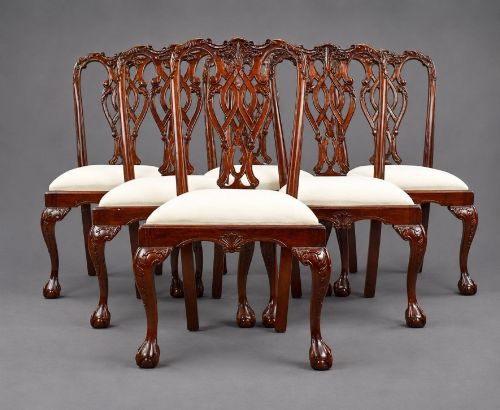
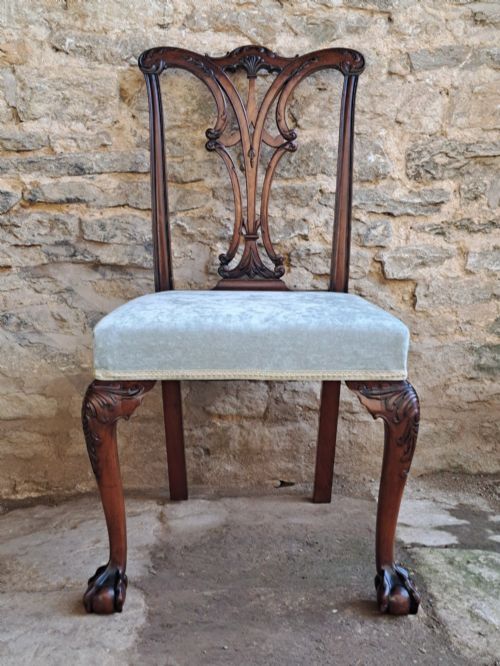
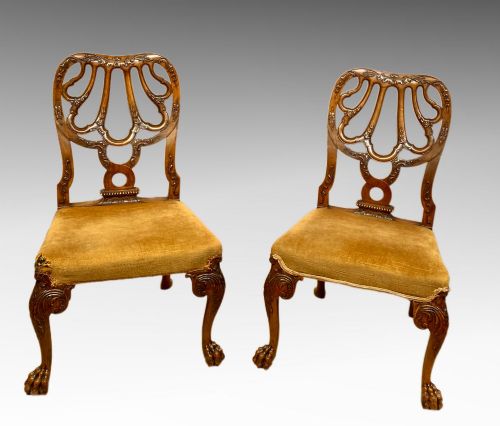
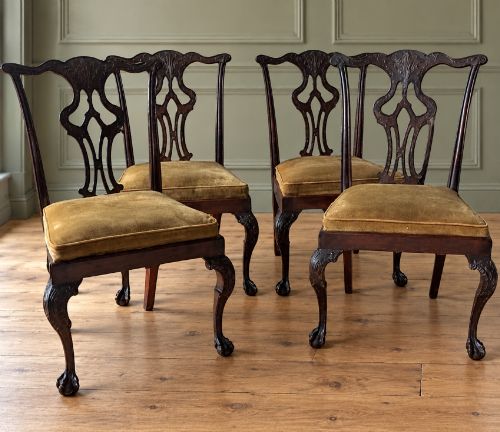
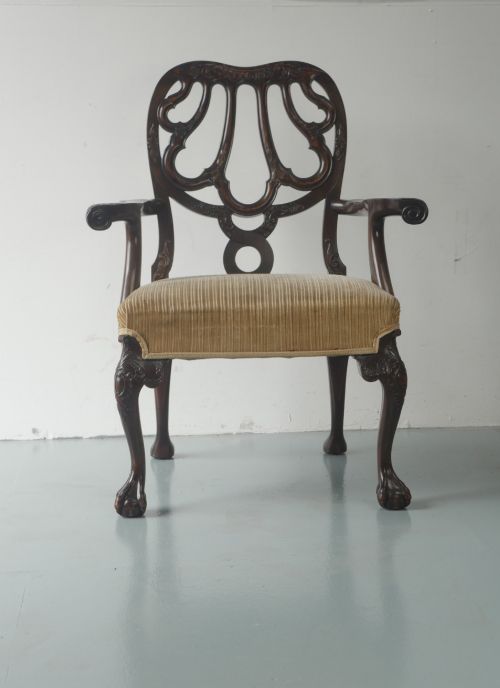
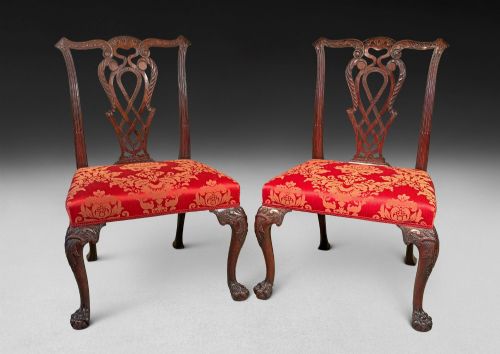
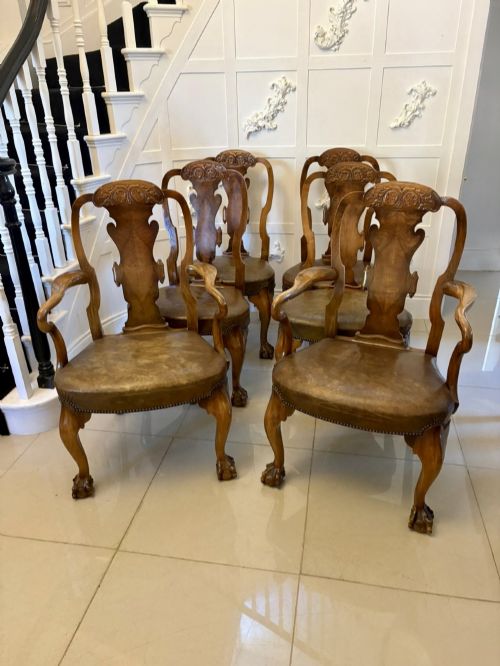
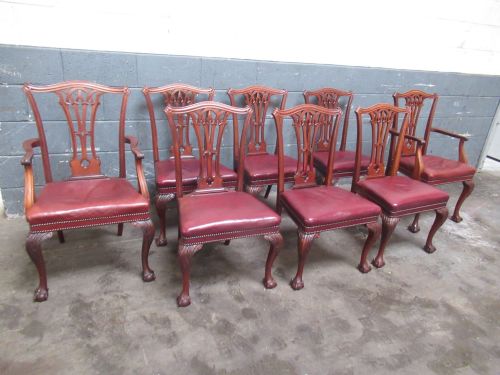
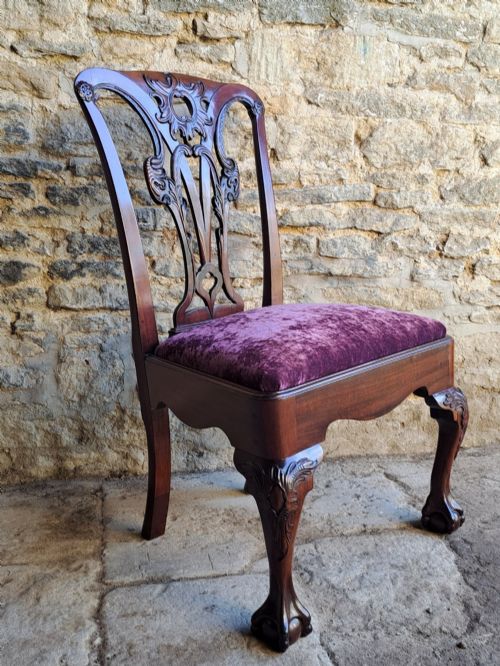
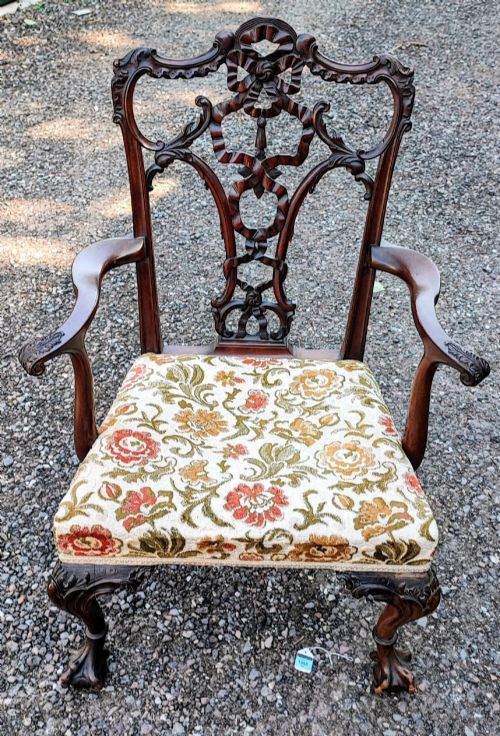
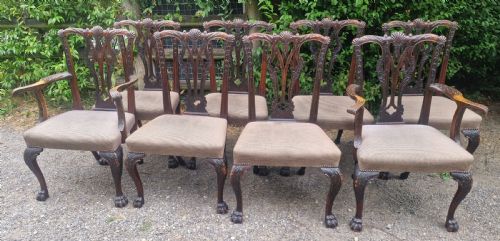
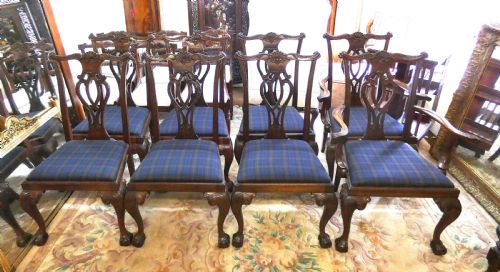
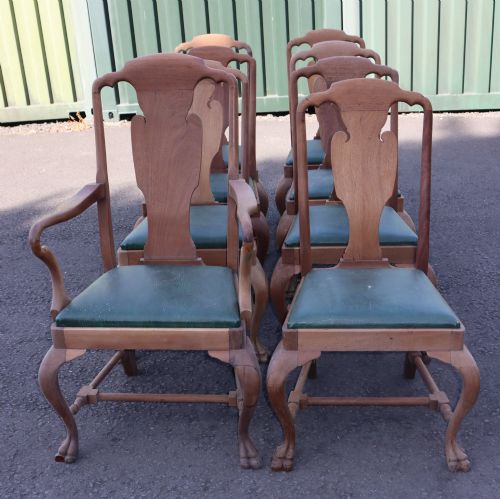
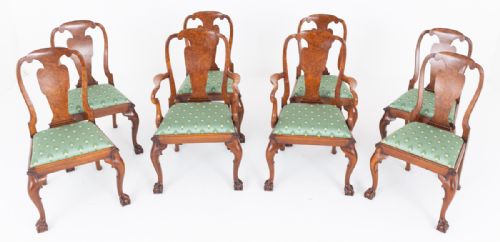
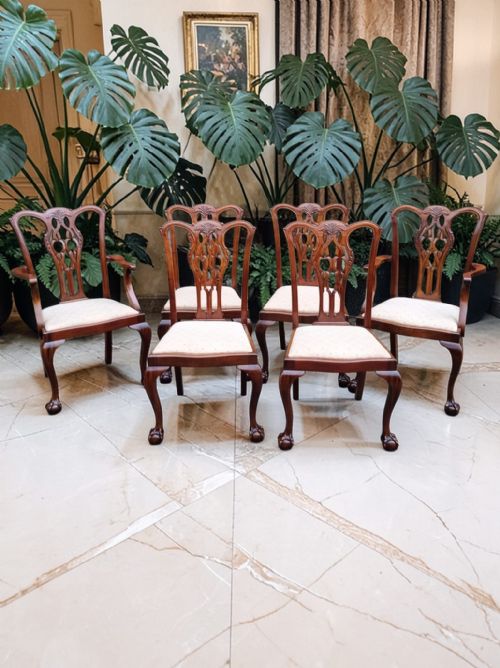
Ball back dining chairs encompass side chairs, armchairs, and elbow chairs primarily rooted in the nineteenth century and the early decades of the twentieth. You will frequently encounter sets ranging from pairs up to twelve pieces, often featuring the distinctive pierced splat and carved details associated with revival aesthetics.
The materials span solid mahogany, Cuban mahogany, walnut, and burr walnut, alongside occasional oak examples. Seating pads appear upholstered in fabric, leather, velvet, and various textiles, reflecting both period commissions and subsequent reupholstering.
Materials and construction methods
Makers utilised dense timbers such as mahogany and walnut, selected for their tensile strength in supporting intricate pierced splats and carved woodwork. Joinery relies on traditional mortise and tenon construction to ensure stability across large dining sets.
Surface treatments depend heavily on natural wood grains brought to a finish using traditional polishing techniques. Upholstery incorporates traditional webbing and stuffing secured beneath drop-in seats or fixed pad frames.
Ball Back Dining Chairs Retail Price Guide 2026
Typical asking prices for ball back dining chairs among the pieces listed under this phrase on Sellingantiques today, from the lower quarter to the upper quarter. They describe what is for sale here now, not the wider market.
One chair even arrives equipped with crewel work seat embroidery, proving that dining furniture has long enjoyed a textile makeover.
Distinctions in craftsmanship
The refinement of the carving defines the upper tier of these chairs, particularly the crispness of the pierced splats and the modelling of the ball and claw terminals. Superior examples exhibit harmonious proportions across large suites, maintaining consistent timber selection from the principal armchairs down to the single side chairs.
Subtler variations lie in the choice of cabinet timber, such as figured Cuban mahogany or burr walnut, which elevates the visual depth of the frame. The structural integrity of the joints and the original thickness of the timber sections further separate standard commercial productions from high-workshop commissions.
Whytock & Reid of Edinburgh·Robert Strahan Dublin·Spillman & Co
The Ball Back Dining Chairs Glossary
- Chippendale Style
- A design vocabulary drawing on eighteenth-century cabinet-making traditions, characterised by carved splat backs and cabriole legs.
- Elbow Chair
- A seating form fitted with short arms, often utilised as a carver at the head of a dining table.
- Splati
- The vertical central member of a chair back, frequently pierced and carved in revival pieces.
- Cabriole Leg
- A furniture leg that curves outward at the knee and tapers inward to an ankle, terminating in a ball and claw foot.
- Drop-in Seat
- A removable wooden frame upholstered separately and dropped into the seat rails of the chair frame.
Ball Back Dining Chairs: Frequently Asked Questions
How do I date these chairs?
Dating relies on timber characteristics, tool marks left by workshop saws, and the specific revival movement influencing the design. Eighteenth-century models contrast with nineteenth-century and Edwardian interpretations through construction wear and joinery.
Secondary indicators include the wear patterns on the feet and the composition of the seat frame beneath the upholstery webbing.
Can I mix armchairs with side chairs?
Dining sets frequently combine elbow chairs with matching single side chairs to seat larger parties around a table. These matched groups follow unified design motifs across the carved backs and leg forms.
Matching the timber grain and the height of the seat rails ensures a cohesive arrangement in the dining room.
Are these chairs suitable for daily use?
Solid mahogany and walnut frames provide the structural rigidity necessary for regular seating when joints remain sound. Professional conservation can secure loose tenons without compromising the original timber.
Upholstered pads can be recovered in modern hard-wearing textiles while retaining the traditional frame padding depths.
What defines the revival styles?
Revival periods reinterpreted historical forms from the Georgian and Queen Anne eras using contemporary Victorian and Edwardian workshop methods. These iterations adapted earlier proportions to suit larger dining spaces and heavier upholstery requirements.
Detailing on the splats and knees often reflects the specific cabinet-making preferences of late nineteenth-century and early twentieth-century firms.