





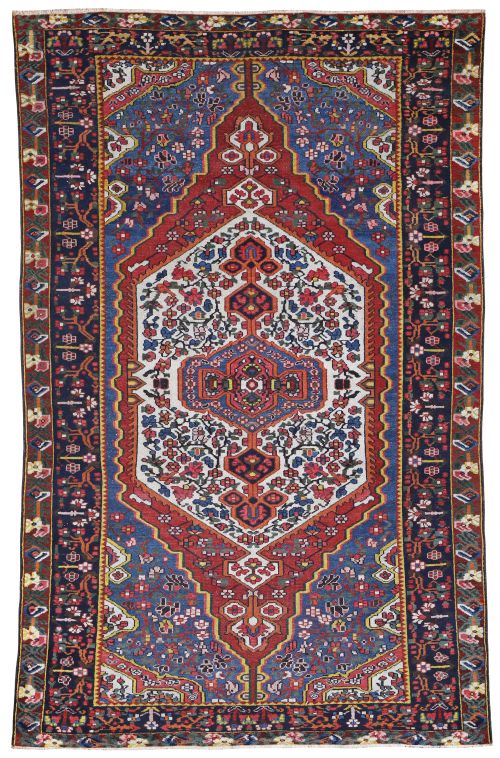

Bakhtiari Tribal Weaving
Bakhtiari tribal weaving delivers exceptional geometric punch and storied West Persian provenance, offering collectors robust wool construction that anchors a room with authentic nomadic character.
Bakhtiari Tribal Weaving
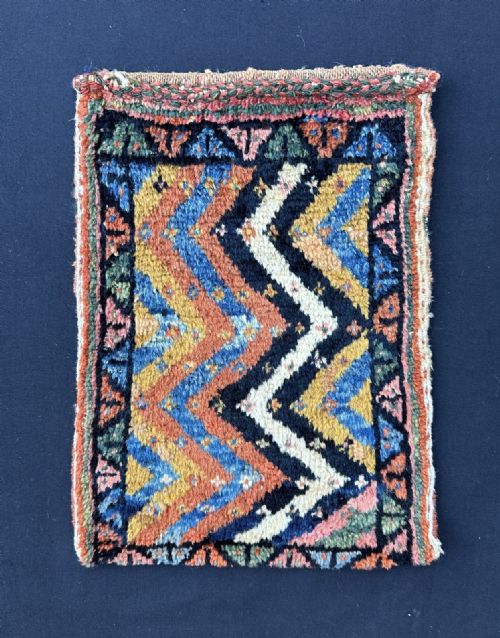
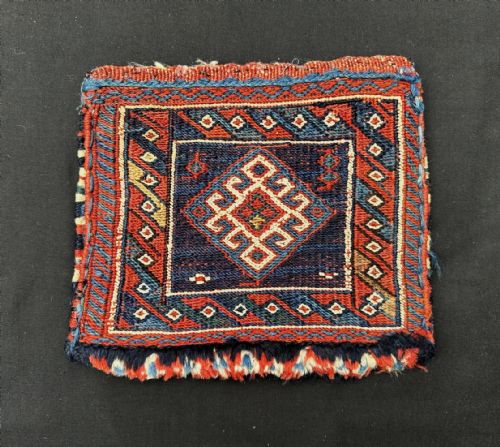
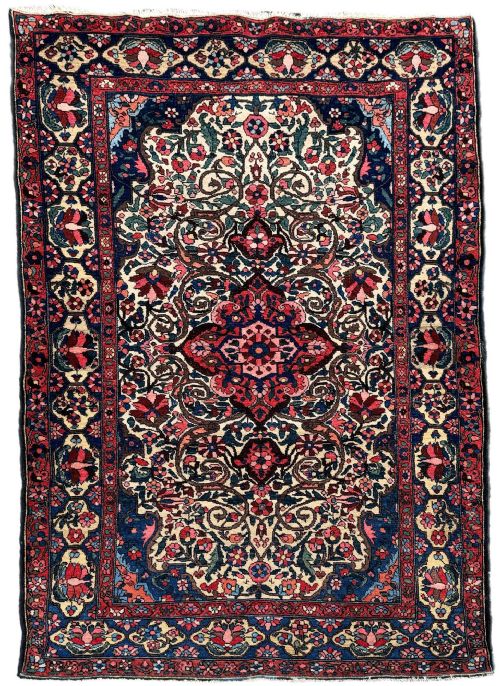
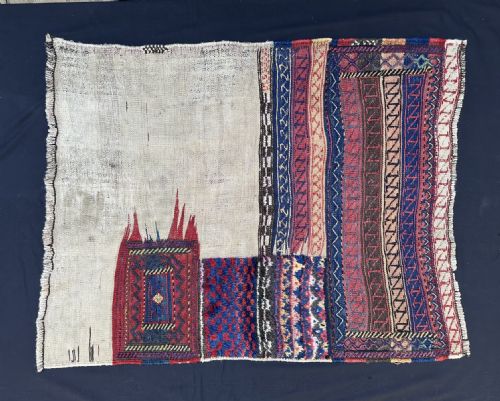
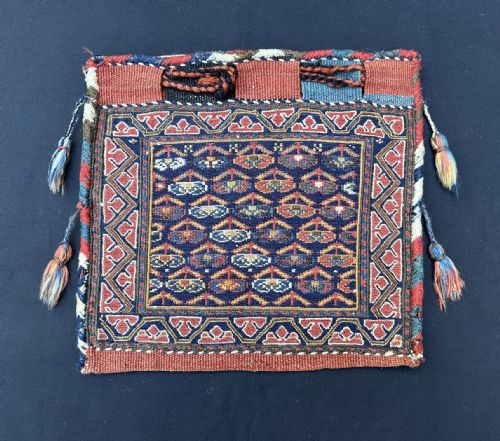
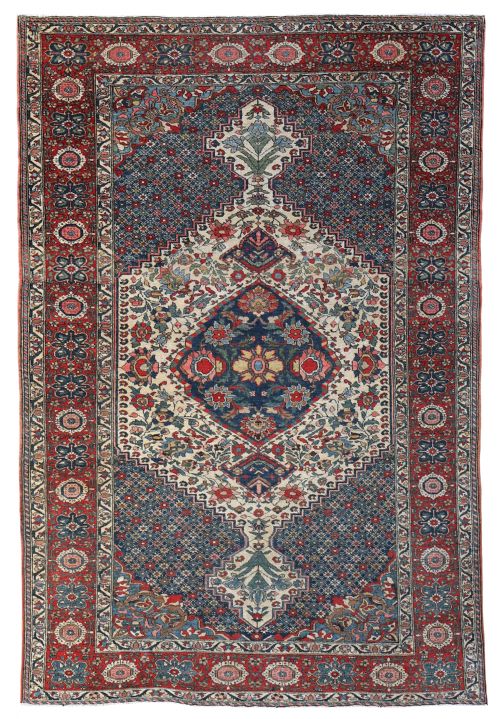
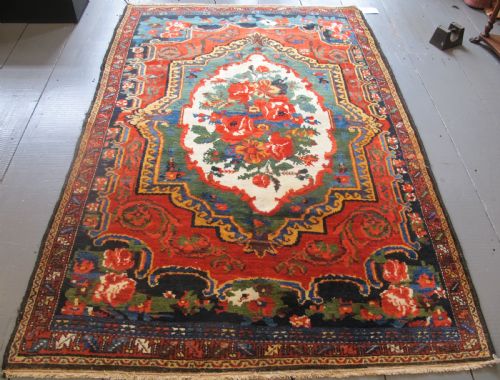
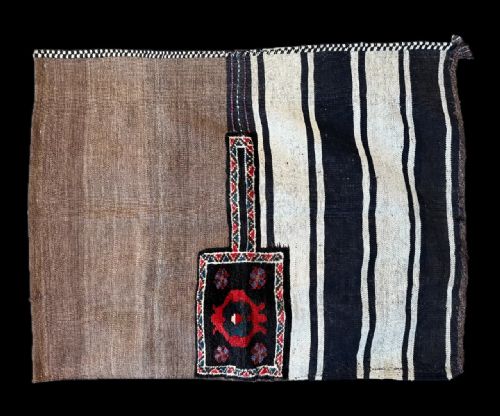
Bakhtiari tribal weaving encompasses a diverse range of utilitarian items and floor coverings created by the nomadic and village populations of the Chahar Mahal valley in western Persia. When you explore this selection, you encounter functional formats such as wheat sacks, saddlebags, and storage pouches alongside larger area rugs, village carpets, and runners. These textiles reflect the daily lives and environment of the Luri-Bakhtiari tribes through traditional patterns.
The objects most frequently met on this page include antique tacheh wheat sacks, half-khorjin saddlebags, and scatter rugs dating from the late nineteenth century into the early decades of the twentieth century. Examples span various scales from small chanteh bags up to room-sized carpets carrying floral medallions or garden designs. Each piece bears the distinct structural traits of West Persian nomadic craftsmanship.
Judging quality in Bakhtiari textiles
Quality rests upon the handled weight of the wool, the fineness of the knotting or weave density, and the crispness of the tribal motifs. Superior pieces exhibit a dense, resilient pile and tightly packed foundations that hold their shape under daily use. The handling of natural dyes dictates the visual depth, with well-dyed wool showing rich saturation and harmonious colour interaction.
The integrity of original edges, complete tribal bags retaining their reverse sides, and intact starting and ending borders elevate an example. Finer pieces demonstrate precise execution of complex geometric or floral medallion layouts without distortion. The distinction between standard village output and superior tribal work lies in the clarity of design and the quality of the raw wool utilised.
Bakhtiari Tribal Weaving Retail Price Guide 2026
Typical asking prices for bakhtiari tribal weaving among the pieces listed under this phrase on Sellingantiques today, from the lower quarter to the upper quarter. They describe what is for sale here now, not the wider market.
Nomadic weavers occasionally incorporated tiny protective amulets directly into the wool weave to guard their grain sacks against misfortune.
The Bakhtiari Tribal Weaving Glossary
- Tacheh
- A traditional woven wheat sack or utility bag produced by West Persian tribes for storage and transport. These square or rectangular textiles often feature striking geometric fields.
- Khorjin
- A double-sided saddlebag designed for transport on pack animals, frequently encountered divided into half-face sections in surviving fragments.
- Chahar Mahal
- The high mountain valley region in western Persia where the Bakhtiari and Luri tribes historically produced their distinctive carpets and textiles.
- Jajim
- A flat-woven textile utilised as a floor spread, wall hanging, or bedding cover, constructed from joined narrow strips of patterned weave.
- Sofreh
- A flat-woven spread used specifically for kneading dough, sharing meals, or processing grain within nomadic households.
- Chanteh
- A small personal bag or pouch woven with pile or flatweave techniques, used for carrying small items or documents.
Bakhtiari Tribal Weaving: Frequently Asked Questions
Where were these woven?
These pieces originate from the Chahar Mahal valley and surrounding western regions of Persia.
Nomadic and village groups including the Luri-Bakhtiari tribes produced these textiles within their mountain encampments and settlements.
How do I date a piece?
Dating relies on structural analysis, wool quality, and the specific palette of natural dyes used in the construction.
Earlier examples from the nineteenth century often feature denser hand-spun wool and specific tribal layouts that evolved into more commercialised floral designs by the early twentieth century.
How do I care for a tribal rug?
Protect the wool textile by placing it in low-traffic areas or mounting larger flatweaves securely on walls.
Regular gentle vacuuming without a rotating brush roll helps remove grit, while professional textile cleaners should handle major maintenance.