


Autumn Landscape Canvas Artwork
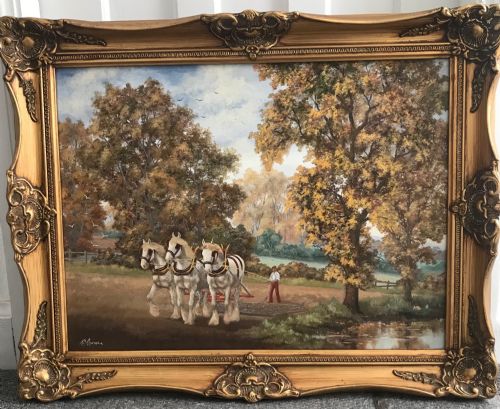
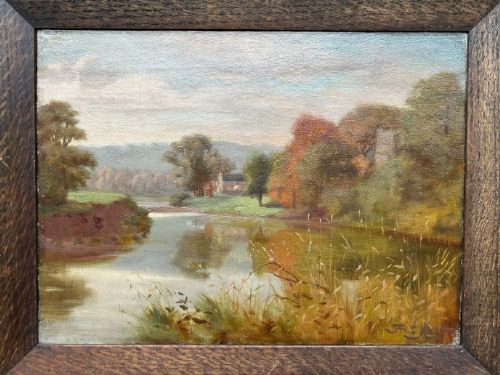
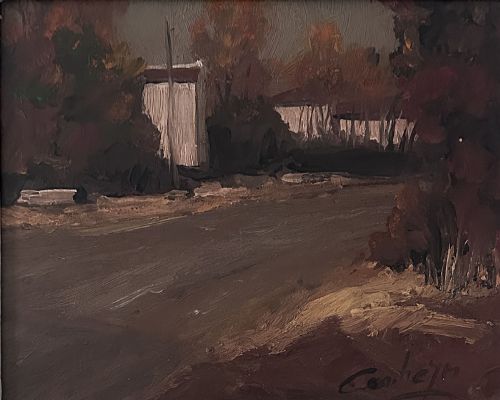
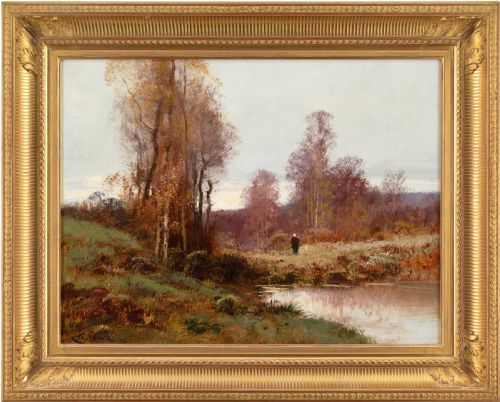
Autumn landscape canvas artwork brings seasonal woodland, river and countryside scenes into focus through historical oil paint.
Autumn Landscape Canvas Artwork
When you search for autumn landscape canvas artwork, you encounter oil paintings spanning the late nineteenth century through to the mid-twentieth century. The selection ranges from Victorian naturalism to British impressionism and post-century village or river scenes.
You are most likely to meet canvases depicting woodland paths, river banks and farming valleys rendered by named painters from British and French schools. These works capture seasonal foliage and rural life across periods such as the Edwardian era and the 1950s.
The format centres on oil paint applied to stretched canvas, frequently housed within wooden frames. Pieces vary from intimate studies to large scale country house landscapes.
Methods and materials of canvas works
These pieces utilise oil paint applied directly onto stretched canvas surfaces using traditional brushwork techniques. The physical structure typically involves timber stretchers supporting the fabric.
Many works incorporate wooden frames, sometimes enhanced with gesso and gilding to complement the painted composition. The interaction between oil pigment and canvas grain defines the visual texture of each scene.
Materials documented across the selection include oil paint, canvas, wood, gesso and gilded wood frames.
Distinctions in painting quality
The standard of an autumn landscape canvas artwork depends on the nuance of brushwork and the handling of seasonal light and atmosphere. Stronger examples demonstrate confident pigment application and a coherent sense of spatial depth.
Provenance and attribution elevate certain works, particularly those bearing the signature of established regional or school artists. The integrity of the original canvas and the harmony of the accompanying frame also influence the overall standing of a piece.
Frederick Marriott·Arthur Herbert Rigg·Owen Bowen·John Falconar Slater·Robert Lesley Howey·Frederick W Jackson·Ernest Higgins Rigg·J McIntyre·Ernest Moore·Augustus William Ennes·Everett W Mellor·Fred Merriman·Frederick J Haycock·Percy Lancaster
The Autumn Landscape Canvas Artwork Glossary
- Canvas
- A heavy woven fabric stretched across a wooden frame to serve as a support for oil painting. It provides the foundational texture visible beneath the pigment layers.
- Oil Paint
- A slow-drying medium composed of pigments suspended in a drying oil, typically linseed oil. This medium allows for rich colour blending and textured impasto applications.
- Gesso
- A plaster-like mixture applied to wooden frames or panels to prepare a smooth surface for gilding or painting. It creates a crisp, durable edge around the artwork.
- Gilded Wood
- Timber treated with a thin layer of gold leaf or metallic powder. This finish frames historical paintings to enhance their visual presence.
- British Impressionism
- A painting style focusing on everyday subject matter and loose brushwork to capture transitory effects of light. It emerged in the late nineteenth century among British artists.
Autumn Landscape Canvas Artwork: Frequently Asked Questions
What periods do these autumn landscape canvas artworks cover?
The works span from the late nineteenth century through the Edwardian period and into mid-century twentieth-century production.
They reflect shifting artistic movements including Victorian naturalism and post-war British painting.
How are these oil paintings constructed?
Artists applied oil paint onto woven canvas supports stretched over wooden frames.
Many pieces retain their period wooden frames, occasionally featuring gesso or gilded details.
Where do these landscape scenes originate?
The pieces originate primarily from British and French schools, depicting rural rivers, farmsteads and woodlands.
Specific regional locations such as Yorkshire rivers and Durham appear frequently in the titles.
How should I care for an antique oil painting?
Keep the canvas away from direct sunlight and damp environments to protect the oil pigment and wooden stretcher.
Dust the surface gently with a soft, dry brush without applying moisture or cleaning solutions.