





Authentic Area Rug
An authentic antique area rug brings centuries of tribal weaving traditions into a modern room, offering distinct patterns and rich textures.
Authentic Area Rug
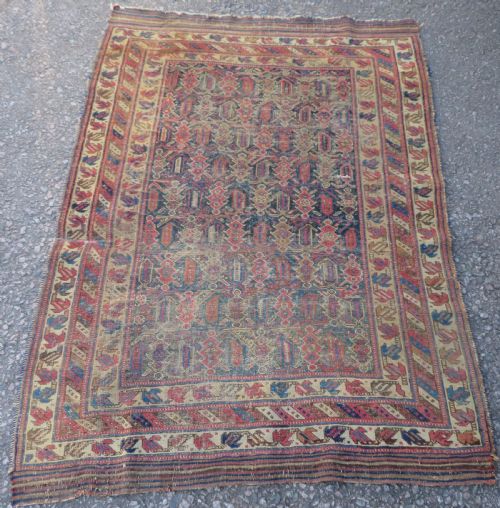
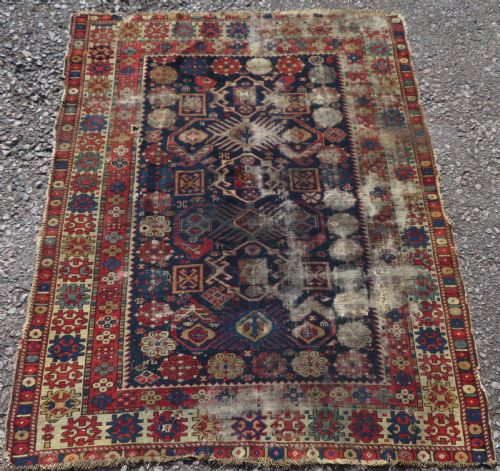
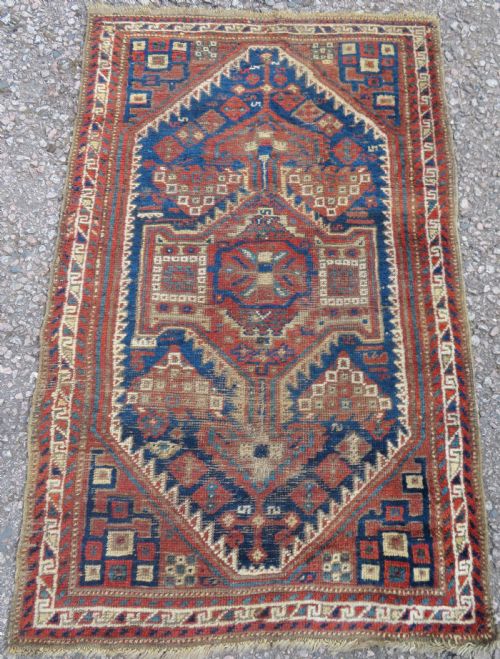
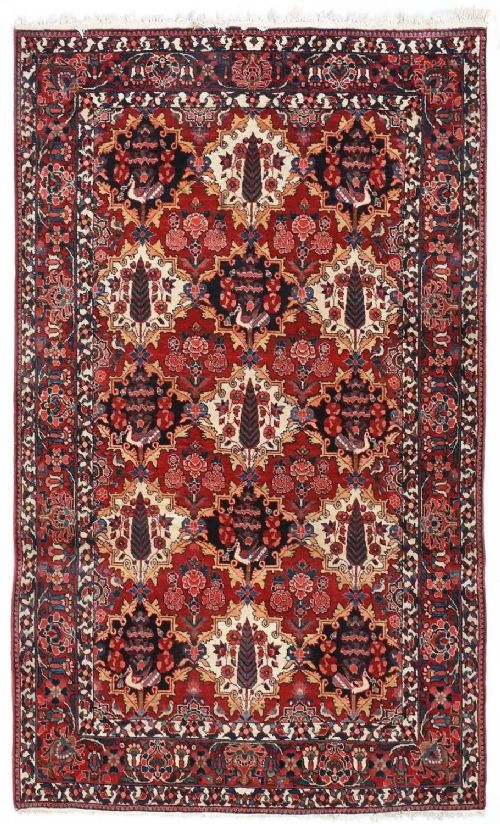
An authentic antique area rug is a floor covering originating from regions such as the Caucasus, Persia, and Anatolia, produced during the nineteenth and early twentieth centuries. These woven pieces include tribal carpets, village runners, and formal carpets created by nomadic and settled weavers.
The inventory on this page consists predominantly of hand-knotted and flat-woven examples spanning several decades from the late nineteenth century through to the 1930s. Buyers will encounter room-sized carpets alongside smaller tribal rugs and runner formats.
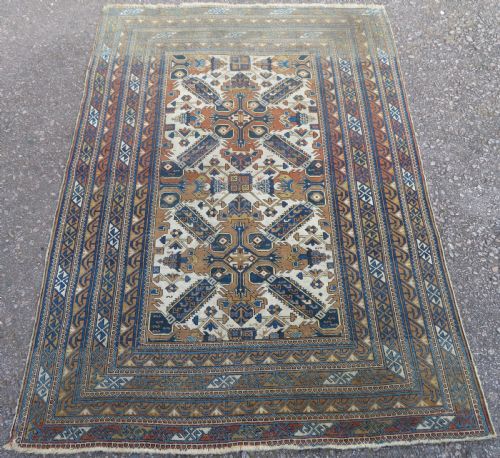
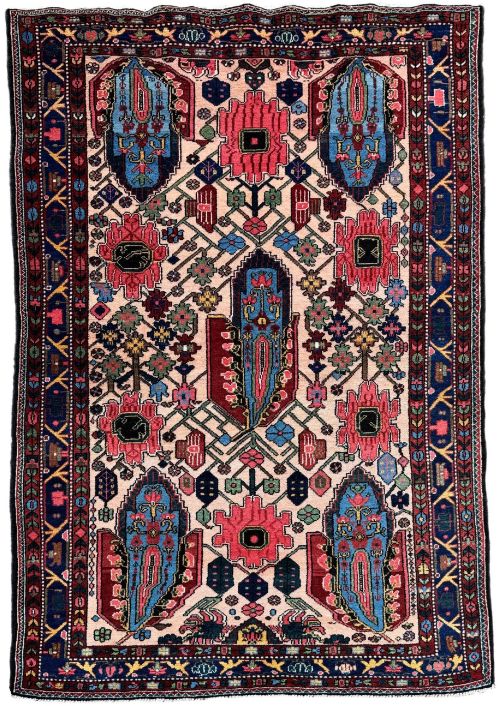
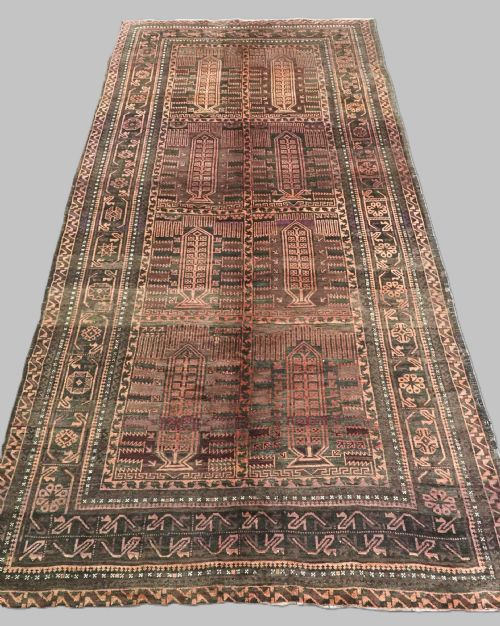
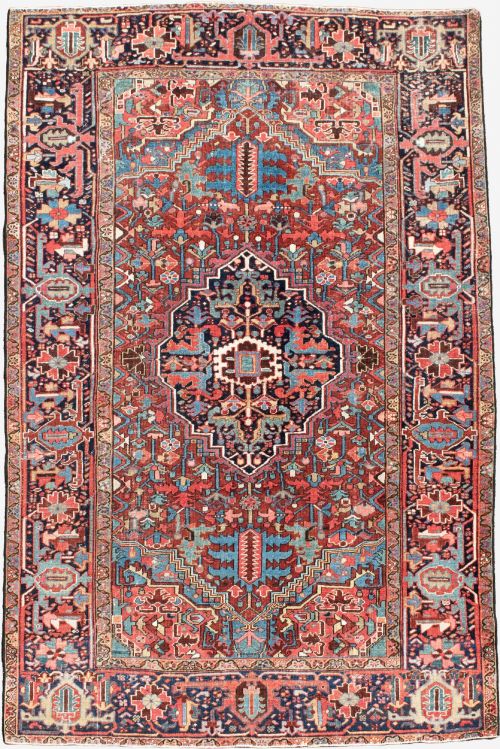
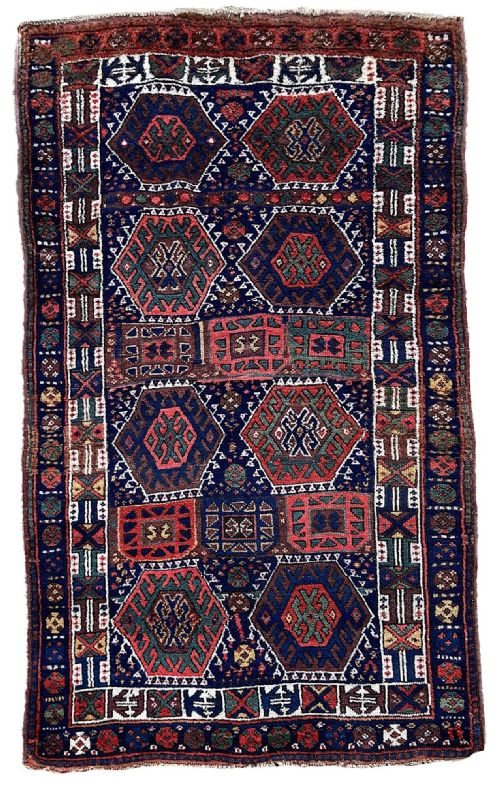
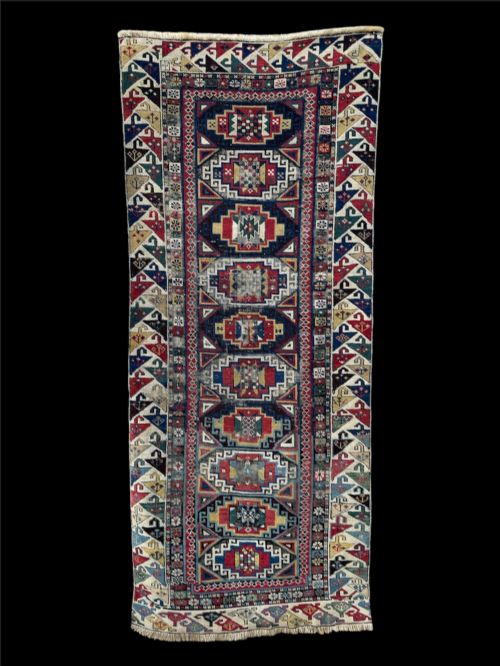
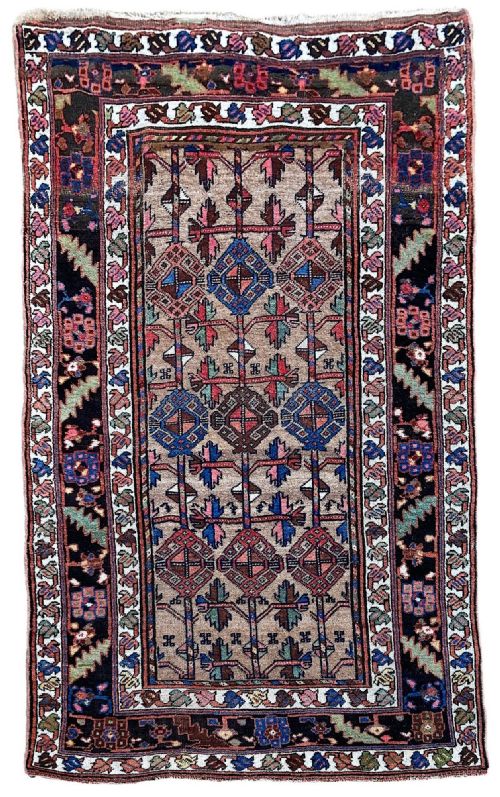
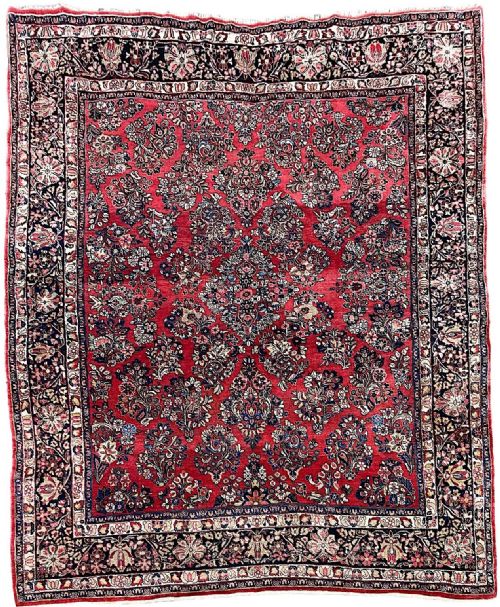
Traditional designs encompass geometric medallions, repeating motifs, and prayer formats attributed to specific weaving groups like the Heriz, Kazak, and Bakhtiari. Each piece reflects the distinct cultural aesthetics and regional knotting techniques of its origin.
How these rugs were made
The foundation and pile utilise hand-spun wool and cotton, providing structural durability and a soft tactile surface that ages with character. Weavers tied individual knots onto warp threads before securing each horizontal row with heavy woolen or cotton wefts.
Makers relied entirely on natural dyes derived from plants and minerals to colour the wool, yielding saturated hues that soften gracefully over generations. These organic colourants produce subtle tonal variations known as abrash across the field of the carpet.
Authentic Area Rug Retail Price Guide 2026
Typical asking prices for authentic area rug among the pieces listed under this phrase on Sellingantiques today, from the lower quarter to the upper quarter. They describe what is for sale here now, not the wider market.
Listings feature traditional styles including Caucasian, Persian Heriz, Kurdish Tribal, and Anatolian Tribal across the late nineteenth and early twentieth centuries.
What varies in quality
Quality in an authentic antique area rug rests on the density of the knotting and the precision of the tribal design execution. Finer knots permit more intricate geometric or floral detailing across the central field and borders.
The integrity of the original wool pile and the stability of the cotton or wool foundation dictate the overall condition grade. Examples retaining their original selvedges and end finishes demonstrate superior preservation by past owners.
The Authentic Area Rug Glossary
- Abrash
- A natural variation in colour tone caused by changes in dye batches or hand-spun wool lots. This subtle striping is a hallmark of traditional dyeing methods.
- Knot count
- The number of knots per unit area, indicating the fineness of the weave. Higher counts generally allow for sharper pattern definition.
- Selvedge
- The reinforced outer edges of a rug running parallel to the warp. It prevents the sides from fraying and holds the structure together.
- Warp
- The vertical threads stretched tightly on the loom before weaving begins. The pile knots are tied around these stationary foundation strings.
- Weft
- The horizontal threads passed alternately over and under the warp threads. They are beaten down tightly after each row of knots to pack the structure.
Authentic Area Rug: Frequently Asked Questions
How do I clean an antique rug?
Professional hand washing is essential for maintaining natural wool pile and organic dye stability. Avoid harsh chemical treatments and heavy mechanical agitation.
Regular gentle vacuuming without a beater bar prevents dust accumulation in the foundation threads. Lifting the rug rather than dragging it protects the aged warp and weft.
Can I use an antique rug in a hallway?
Runner formats and durable village weaves suit high traffic corridors when paired with a quality underlay. The dense wool construction withstands daily footfall while protecting the original foundation.
Rotating the placement periodically ensures even wear patterns across the field. Placing a breathable pad underneath prevents slipping and cushions the fibres against hard floors.
How do I identify a tribal rug?
Tribal rugs display bold geometric motifs, asymmetrical layouts, and symbols inspired by nomadic daily life. These pieces often lack the rigid symmetry found in city workshop carpets.
Palettes in tribal weaving tend to feature earthy tones combined with bright indigo and madder reds. The irregular lines reflect the individual hand of the weaver working outside strict factory cartoons.