



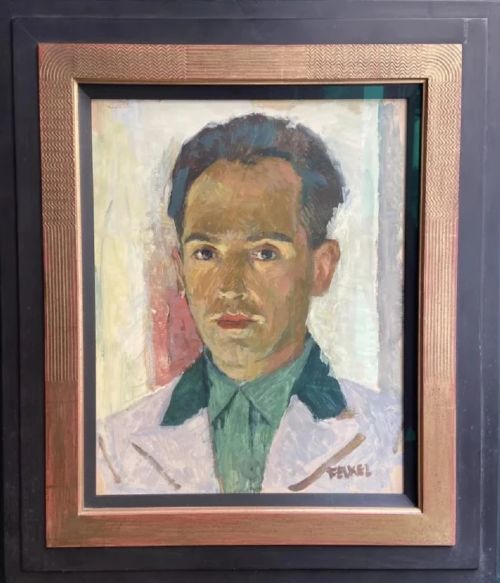

Austrian Painting
Austrian painting spans centuries of rich canvas works, vibrant oils, and decorative arts that bring depth and historical narrative into domestic interiors.
Austrian Painting
When you search for Austrian painting, you encounter a diverse range of works spanning from the nineteenth century into the twentieth, encompassing realistic genres, landscapes, and still lifes. These pieces capture the evolving stylistic shifts of their periods, moving through Victorian sensibilities towards Impressionist and early modernist expressions.
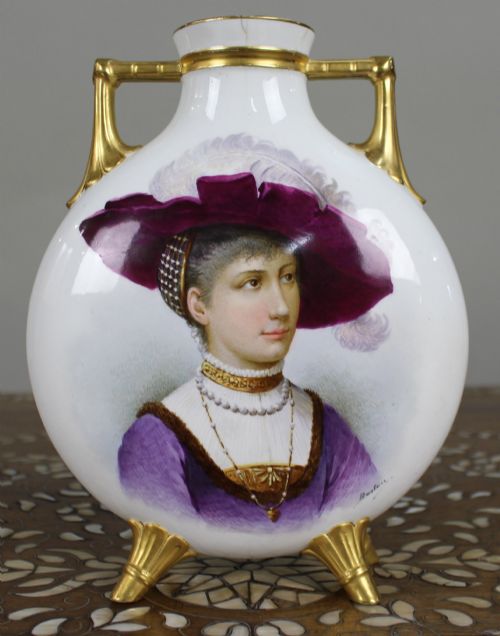
The selections on this page demonstrate the broad scope of Austrian visual culture, bridging fine canvas art with painted decorative objects and portraits. Collectors meet works by notable historical painters alongside charming genre scenes that document nineteenth and early twentieth-century life.
Materials and methods
The works rely primarily on oil paint applied to canvas or wood panels, utilising traditional layering techniques to achieve depth of light and colour. Artists captured texture and mood with careful brushwork, creating enduring surfaces that retain their pigment over generations.
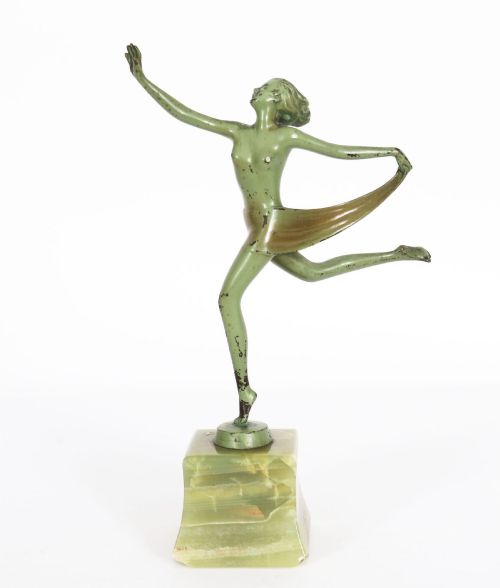
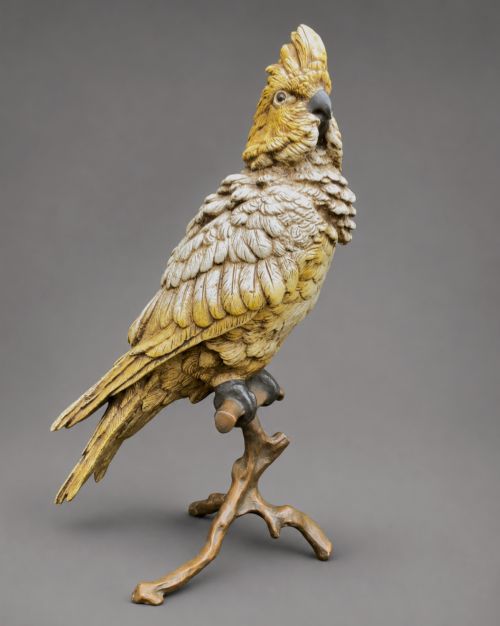
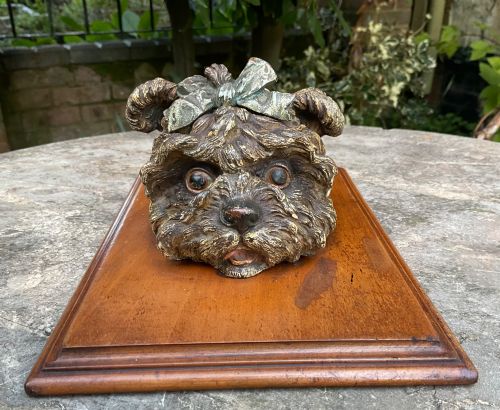
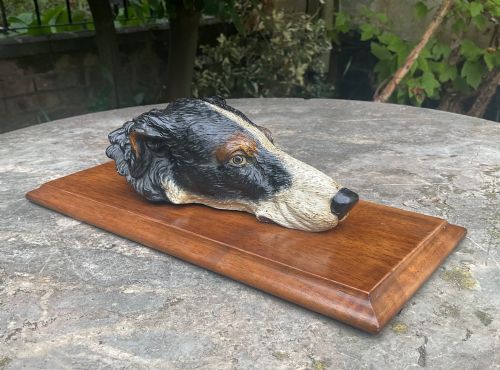
Framing and mounting often incorporate carved or gilded wood to complement the painted scenes, while related decorative pieces utilise cold-painted bronze, enamel, and terracotta to extend these vibrant colour palettes into three dimensions.
Austrian Painting Retail Price Guide 2026
Typical asking prices for austrian painting among the pieces listed under this phrase on Sellingantiques today, from the lower quarter to the upper quarter. They describe what is for sale here now, not the wider market.
Card-playing gentlemen and scholarly birds in waistcoats share the aesthetic space with serious nineteenth-century portraiture.
Assessing quality
The distinction between average and exceptional pieces lies in the precision of the brushwork and the artist's command of light, shadow, and proportion. Superior works display expressive vitality in human figures and natural subjects, whereas lesser examples rely on formulaic composition.
Condition plays a central role in maintaining value, with untouched original surfaces and minimal canvas restoration marking the most desirable examples. The strength of the signature and the historical significance of the subject matter further elevate a piece within its period.
Konstantin Stoitzner·Carl Felkel·Albert Rieger·Johann Hamza·Franz Bergman
The Austrian Painting Glossary
- Canvas
- A heavy woven fabric stretched across a wooden frame to serve as a durable support for oil paintings. It provides a flexible texture that holds pigment securely over centuries.
- Oil painting
- Artwork created using pigments bound with a drying oil, typically linseed. This medium allows for smooth blending and rich depth of colour.
- Impressionism
- A nineteenth-century style characterised by relatively small, thin yet visible brush strokes and an emphasis on accurate depiction of light. It marked a departure from strict academic realism.
- Genre painting
- The pictorial representation of scenes from everyday life, such as card players or domestic interiors. These works offer a window into the social history of their era.
Austrian Painting: Frequently Asked Questions
What periods do these paintings cover?
The selection spans from the mid-nineteenth century through the Victorian era and into the early twentieth century. This timeline captures significant shifts in European artistic expression.
Works from these decades reflect both traditional academic training and the emergence of looser impressionistic and modernist techniques in Austrian studios.
How should I care for an oil painting?
Keep canvas works away from direct sunlight and fluctuating humidity to prevent the paint from cracking or fading over time. Gentle dusting with a soft, dry brush is sufficient for routine maintenance.
Avoid using moisture or chemical cleaners on the painted surface. Consult a professional conservator if the canvas requires deeper cleaning.
What subjects are most common?
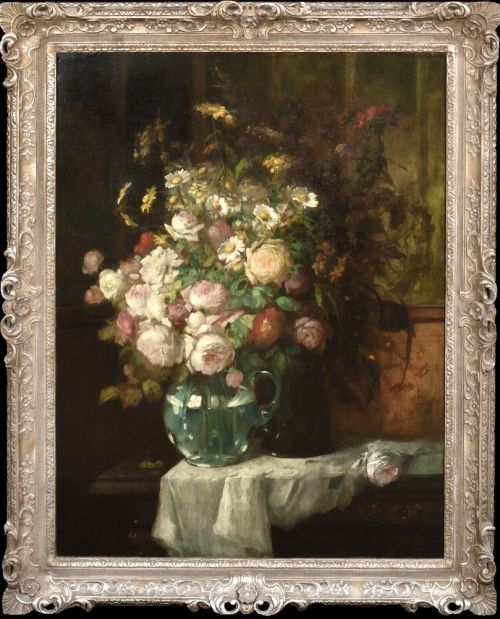
Common subjects include pastoral landscapes, detailed still lifes with flowers, and historical genre scenes depicting daily life. Portraits and self-portraits also appear frequently among the painted works.
These themes reflect the Victorian and early twentieth-century fascination with domestic comfort, natural beauty, and narrative storytelling.
How do I identify the artist?
Look for signatures or monograms typically located in the lower corners of the canvas. Accompanying exhibition labels or inscriptions on the reverse stretcher frame often provide further clues.
Researching period exhibition records and stylistic traits helps attribute unsigned works to particular schools or workshops.