



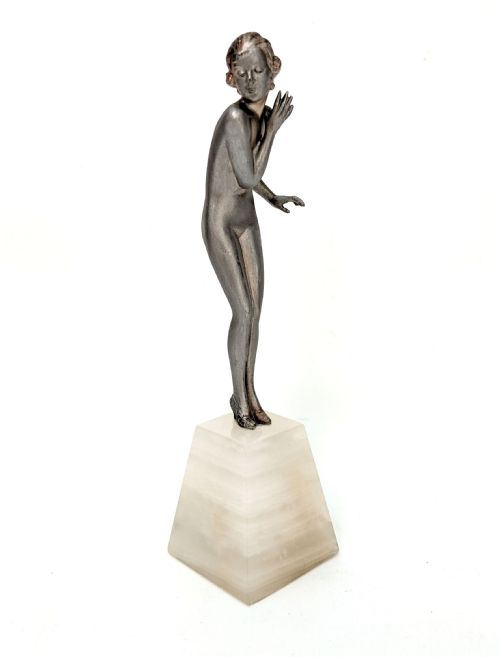


Austrian Metal Sculpture
Austrian metal sculpture brings the rich character of Vienna workshops into the home through small, detailed figures cast in bronze and spelter.
Austrian Metal Sculpture
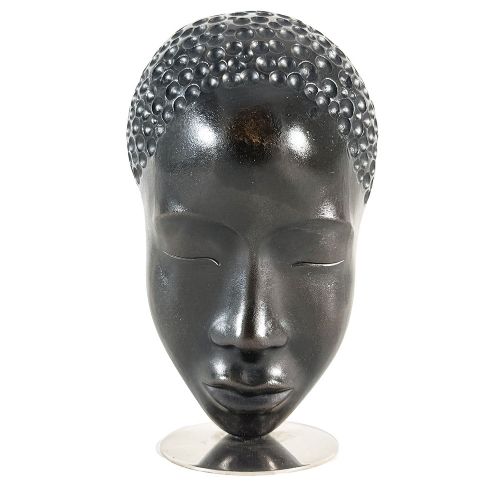
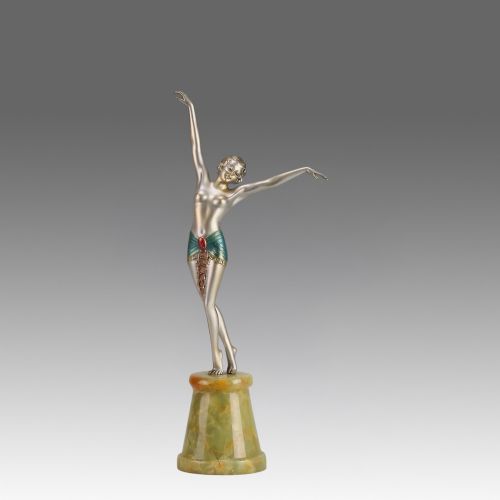
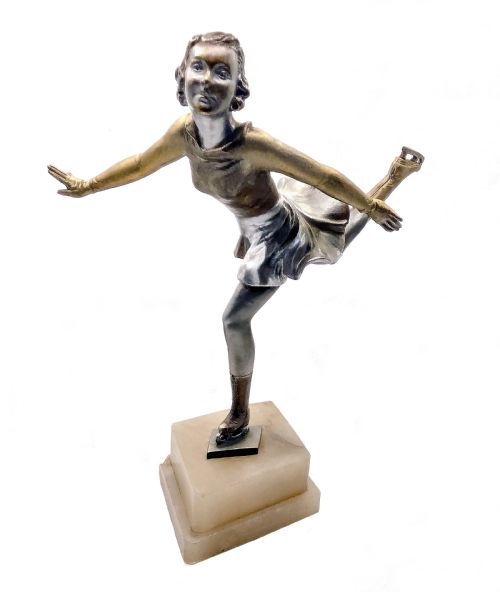
When someone searches for austrian metal sculpture, they find a distinct grouping of nineteenth- and twentieth-century figures, animals, and small vessels. These pieces range from Victorian works to Art Deco creations, capturing everything from naturalistic wildlife to human figures.
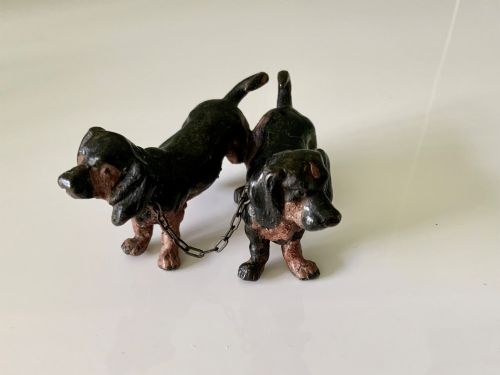
The most common examples encountered on this page are cold-painted bronze and spelter figures. These include miniature animal studies, Orientalist subjects, and decorative pin trays or inkwells that reflect the output of prominent Vienna foundries.
How they were made
The makers relied on metal casting, primarily using bronze and spelter to shape each figure. Many pieces received a detailed cold-painted finish, applying layer upon layer of polychrome paint over the cast metal rather than firing it in a kiln.
Artists mounted certain smaller sculptures on onyx bases or combined them with functional elements like inkwells and pin cushions. Patination techniques added depth to the metal surfaces before or during the painting process.
Austrian Metal Sculpture Retail Price Guide 2026
Typical asking prices for austrian metal sculpture among the pieces listed under this phrase on Sellingantiques today, from the lower quarter to the upper quarter. They describe what is for sale here now, not the wider market.
Listings feature works in bronze, spelter, and onyx, spanning the Victorian era through the Art Deco period of the 1930s.
What varies in quality
The reputation of the foundry or the individual artist shapes the standing of a piece. Works associated with known workshops or named modellers display superior anatomical proportion and surface finishing compared to generic commercial castings.
Franz Bergman·Josef Lorenzl·Hagenauer·Bruno Zach·Stephan Buchinger
The Austrian Metal Sculpture Glossary
- Cold-painted bronze
- A technique where bronze figures are painted with oil-based or enamel colours without being fired in a kiln. This finish is delicate and prone to chipping over time.
- Vienna bronze
- A category of small, highly detailed bronzes produced in Austrian foundries during the late nineteenth and early twentieth centuries. They frequently depict animals, human figures, and humorous or Orientalist scenes.
- Spelter
- A zinc alloy used as a cheaper alternative to bronze for casting decorative figures. It is softer than bronze and often finished with metallic paint or patination to imitate heavier metals.
- Orientalism
- An artistic style reflecting western fascination with Near Eastern and North African subjects. Figures in turbans, tents, and desert attire appear frequently within this tradition.
Austrian Metal Sculpture: Frequently Asked Questions
What is cold-painted bronze?
Cold-painted bronze refers to metal sculptures finished with oil or enamel paints applied directly to the surface without high-temperature firing. This method allows for vivid colouration on small decorative figures.
Because the paint sits on top of the metal rather than fusing with it, handling and cleaning require care to preserve the original surface.
How do I clean my sculpture?
Dusting gently with a soft, dry brush is the safest method for maintaining cold-painted metal surfaces. Moisture and chemical cleaners can dissolve the delicate painted layers.
Keeping the pieces away from direct sunlight helps prevent the colours from fading over the years.
Are these pieces solid bronze?
While many sculptures are cast in bronze, others use spelter, which is a softer zinc alloy. Spelter served as a more affordable substitute during the Art Deco period.
Weight and surface examination often help distinguish between the denser bronze pieces and lighter spelter castings.
What subjects are most common?
Animals form a large portion of the subjects, ranging from dogs and birds to wildlife like ibex and rhinoceros. Human figures, dancers, and Orientalist scenes also appear regularly.
Many of these figures served functional purposes, incorporating inkwells, pin trays, or pin cushions into the design.