



Austrian Cold Painted
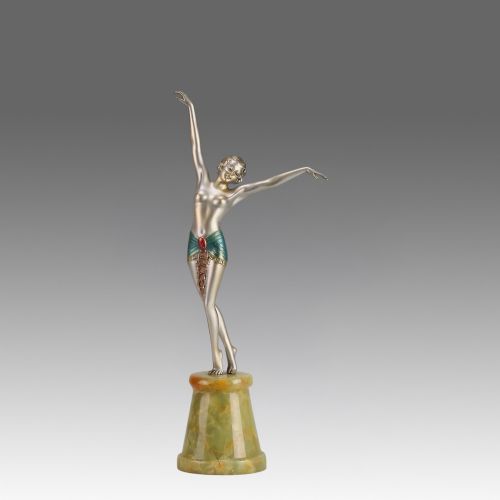
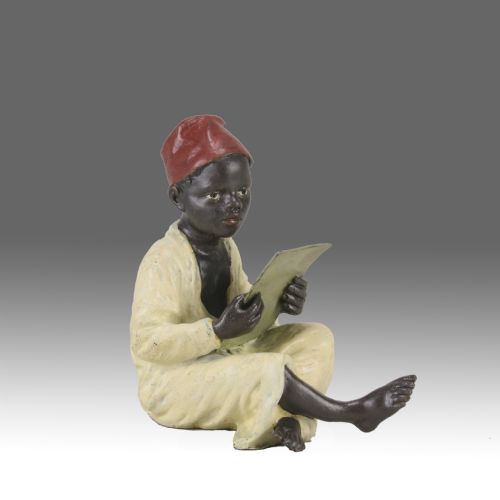
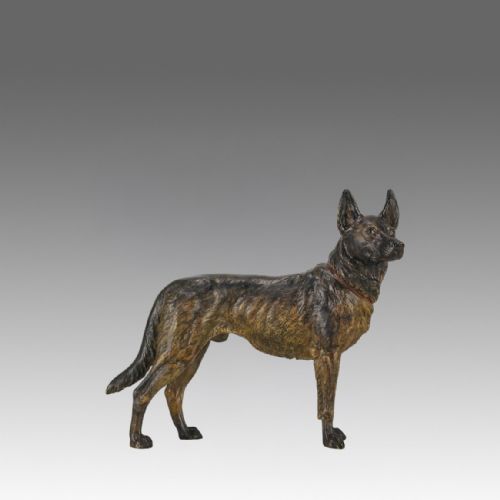
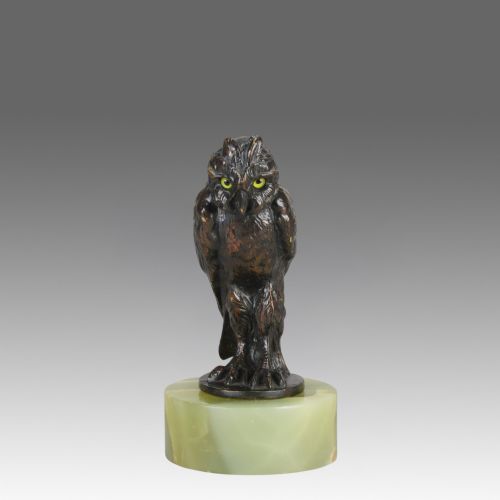
Austrian cold painted bronzes and figures capture an extraordinary wealth of exotic animal studies and human figures through vibrant, non-fired polychrome finishes.
Austrian Cold Painted
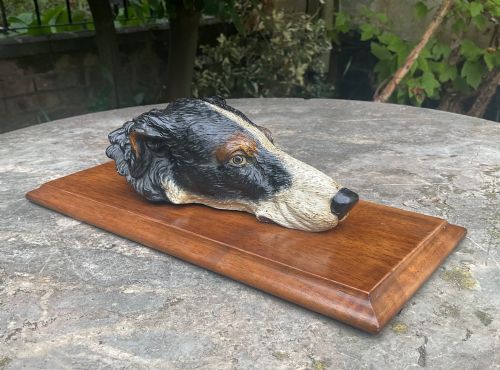
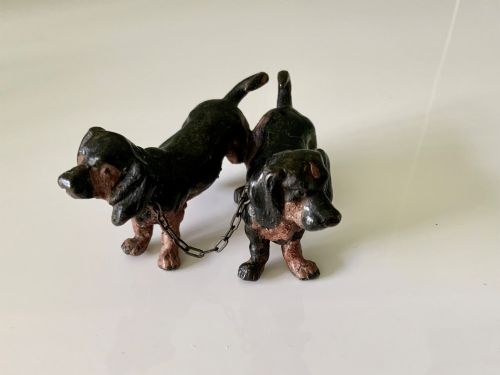
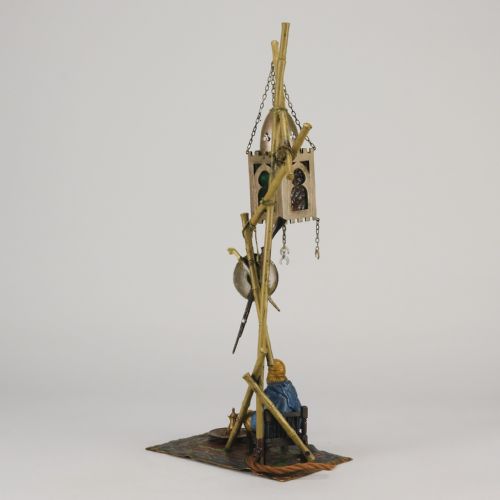
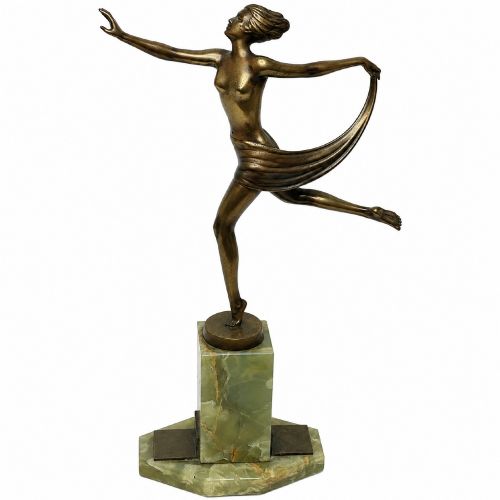
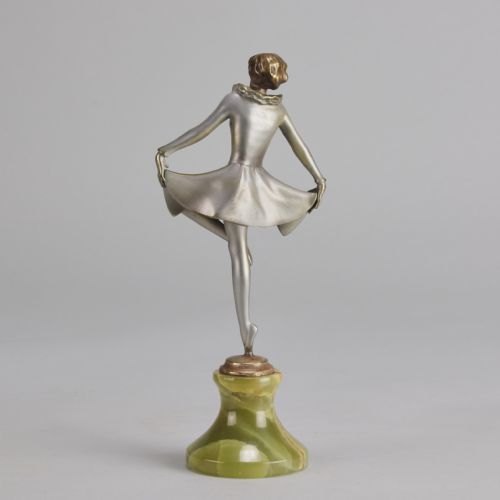
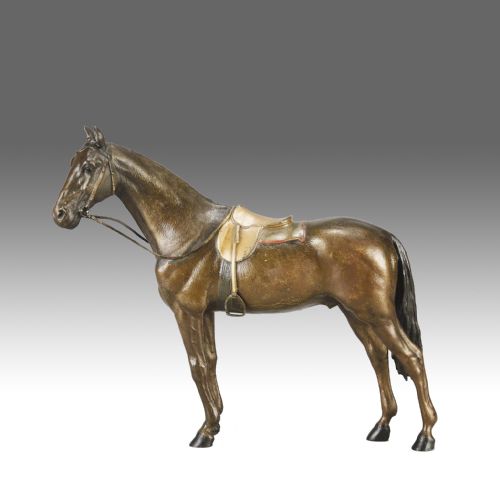
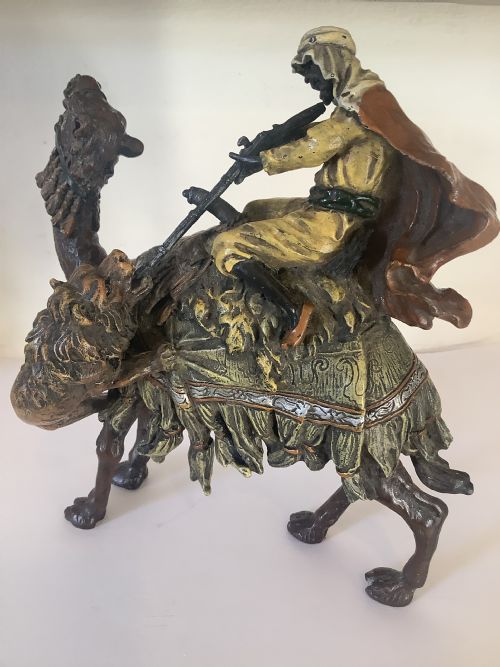
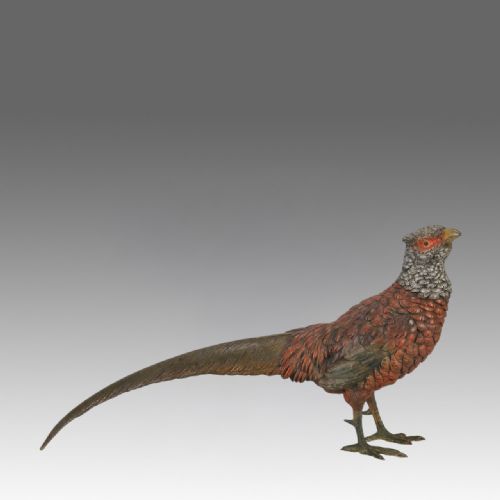
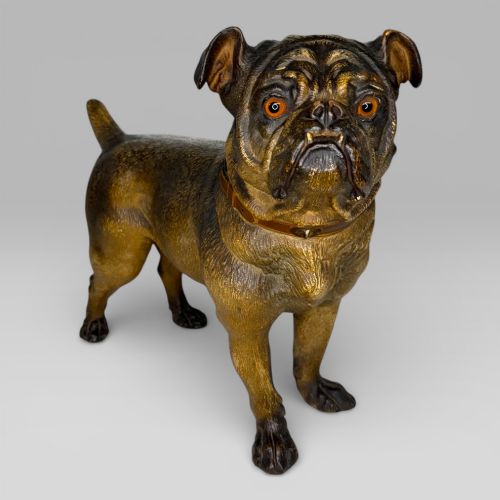
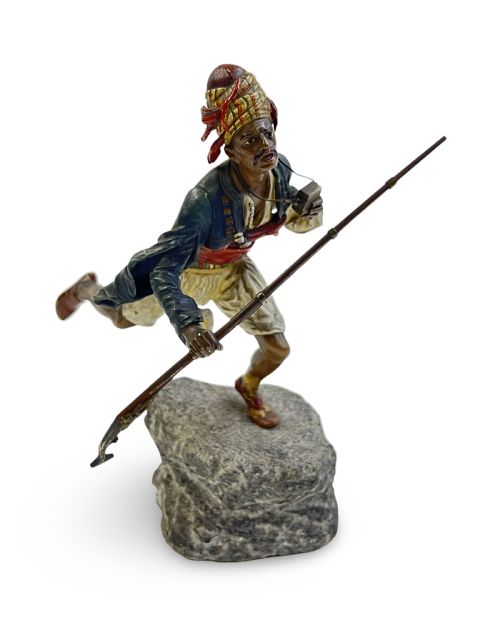
When browsing for austrian cold painted works, collectors encounter a diverse array of animal figurines, desk accessories, and human sculptures originating predominantly from the late nineteenth and early twentieth centuries. These objects range from naturalistic birds and dogs to dramatic Orientalist figures, dancers, and whimsical animal groups.
The aesthetic bridges several distinct periods and movements, encompassing Victorian sensibilities, Turn of the Century creations, Art Nouveau fluidity, and streamlined Art Deco designs. Many smaller items double as functional pieces like inkstands, match strikers, or vide poche trays mounted on green onyx bases.
The geographic centre of this production was Vienna, where workshops employed skilled modellers and painters to create expressive bronzes, spelter, and terracotta items. Meeting these pieces today reveals both the mass appeal of domestic animal studies and the highly detailed craftsmanship of signature Orientalist scenes.
How they were made
The foundation of these sculptures typically involves cast bronze, spelter, or terracotta, formed via traditional casting methods that capture intricate textures like feathers, fur, and woven rugs. Once cast, the metal surfaces receive a layer of polychrome paint applied without subsequent firing, a technique that defines the category.
This cold-painting method relies on organic or oil-based paints applied directly to the prepared metal base, allowing for subtle shading and fine detail on figures ranging from miniature chicks to life-size dogs. Artisans often mounted finished bronzes onto contrasting bases made of green onyx or incorporated functional glass and enamel elements.
Austrian Cold Painted Retail Price Guide 2026
Typical asking prices for austrian cold painted among the pieces listed under this phrase on Sellingantiques today, from the lower quarter to the upper quarter. They describe what is for sale here now, not the wider market.
Refugee monkey families in America and dwarf miners with giant crystal diamonds demonstrate the wonderfully eccentric imagination of Austrian foundries.
What varies in quality
Quality in these sculptures rests heavily upon the precision of the initial casting and the artistry retained in the hand-applied paint layer. Superior examples display crisp anatomical details, lifelike postures, and minimal surface wear where the polychrome finish remains intact.
The reputation of the foundry or artist significantly influences the desirability of a piece, with documented works by known makers commanding greater attention. Furthermore, the complexity of the subject, such as multi-figure Orientalist groups or unusual animal species, separates standard production items from exceptional workshop output.
Franz Bergman·Josef Lorenzl·Ernst Wahliss·Johann Maresch·Alfonso Titze
The Austrian Cold Painted Glossary
- Cold-Painted Bronze
- A bronze sculpture decorated with unfired oil or enamel paints applied directly to the metal surface. This technique permits a remarkable degree of polychromatic detail.
- Vienna Bronze
- Small-scale bronze figures produced in Austrian foundries during the late nineteenth and early twentieth centuries. They are celebrated for naturalistic animal subjects and theatrical human figurines.
- Orientalism
- An artistic style characterised by romanticised depictions of Middle Eastern and North African subjects. Figures such as Arab traders, dancers, and warriors frequently appear in this genre.
- Spelter
- An alloy of zinc and other metals utilised as a cost-effective alternative to bronze. It frequently serves as the base metal for Art Deco figurines.
- Vide Poche
- A small tray or receptacle designed for emptying pockets of loose items like coins or keys. These are often integrated into desk accessories featuring bronze animal studies.
- Terracotta
- Fired clay utilised by Austrian potteries for sculptural figures and tobacco jars. It offers a warm, matte texture distinct from metal castings.
Austrian Cold Painted: Frequently Asked Questions
What is cold painting?
Cold painting is a decorative technique where liquid pigment is applied directly to a cast bronze or metal object without undergoing a high-temperature kiln firing.
This method allows artisans to achieve vivid, multicoloured finishes on fine sculptures, though the unsealed paint remains vulnerable to scratching and cleaning over time.
How do I clean my bronze?
Cleaning these delicate surfaces requires minimal intervention, primarily relying on a soft, dry brush to gently remove accumulated dust from crevices.
Moisture and chemical solvents must be avoided entirely, as they will readily dissolve or lift the delicate unfired paint layers characteristic of these pieces.
Are these pieces marked?
Many examples feature foundry stamps, cipher marks, or Bergman's amphora-shaped signature mark stamped into the metal near the base.
Unmarked pieces remain common, however, requiring attribution based on casting quality, palette, and stylistic comparison with documented workshop output.
Why are some figures mounted on onyx?
Green onyx bases frequently serve to anchor heavier sculptures, provide a stable desk accessory platform, or elevate small animal studies.
This polished stone complements the warm tones of the bronze while adding functional weight to items like ashtrays, inkstands, and pen trays.