
Austrian Cold Bronze
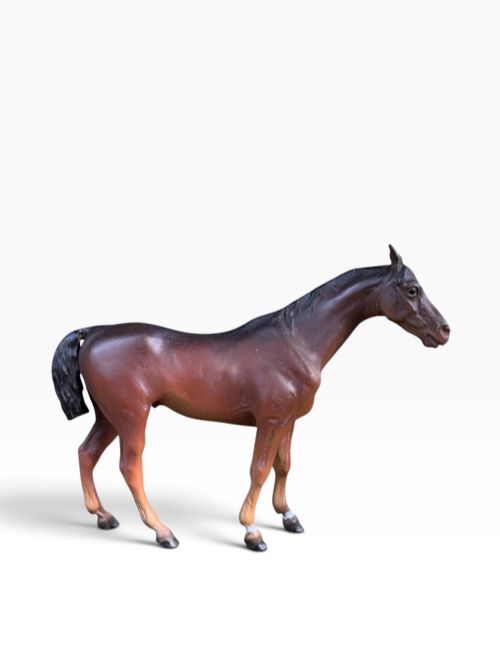
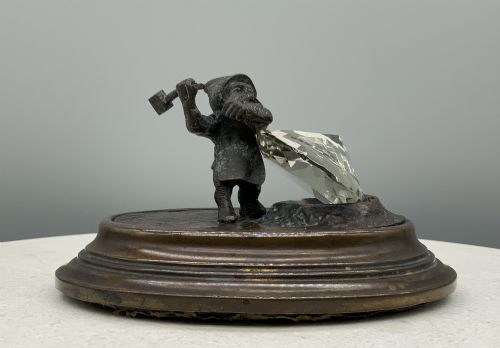
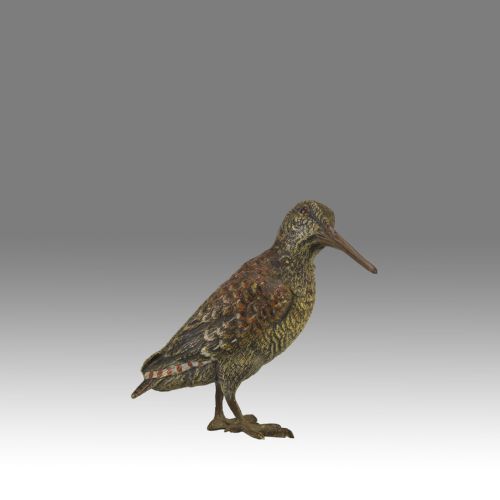
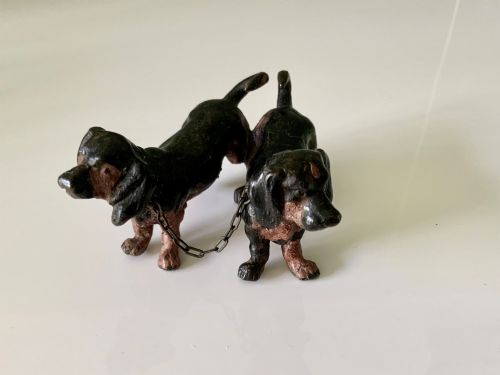
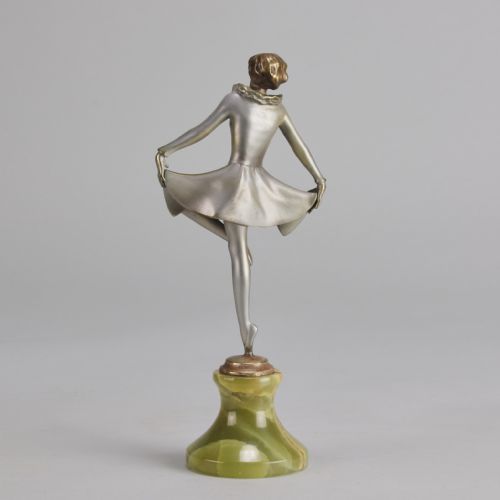
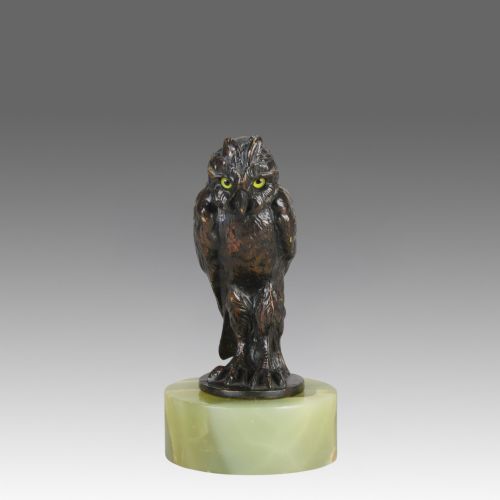
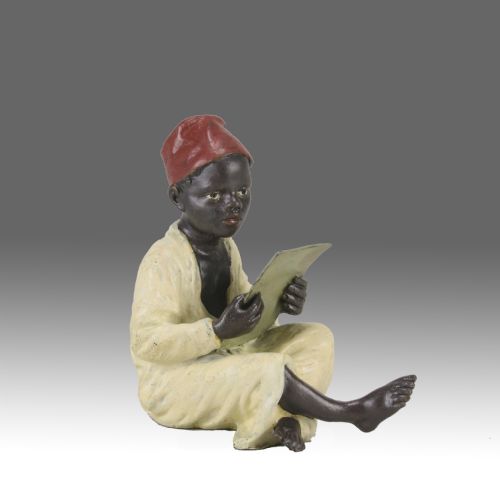
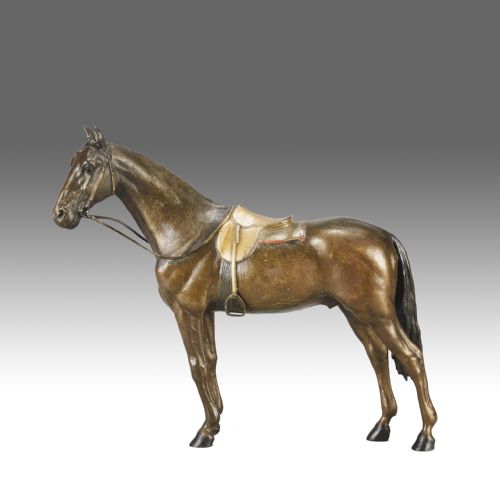
Austrian cold bronze brings together meticulous metalwork and vibrant polychrome pigments to create vivid animal and human figures.
Austrian Cold Bronze
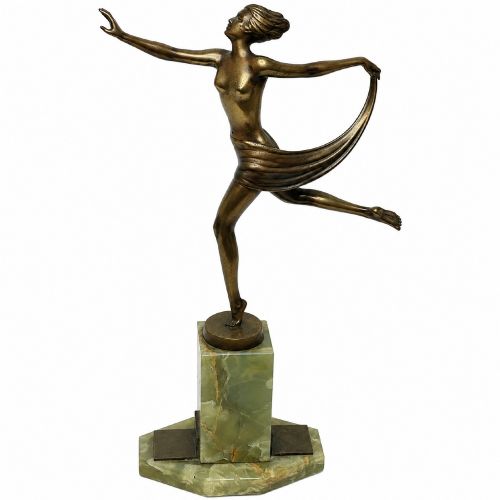
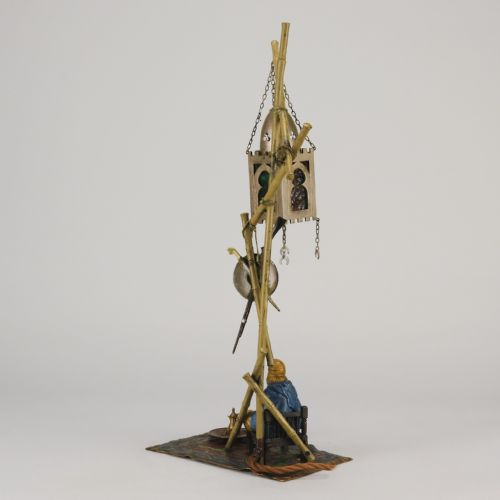
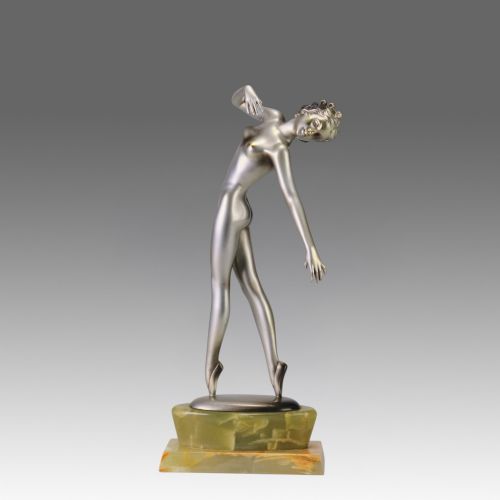
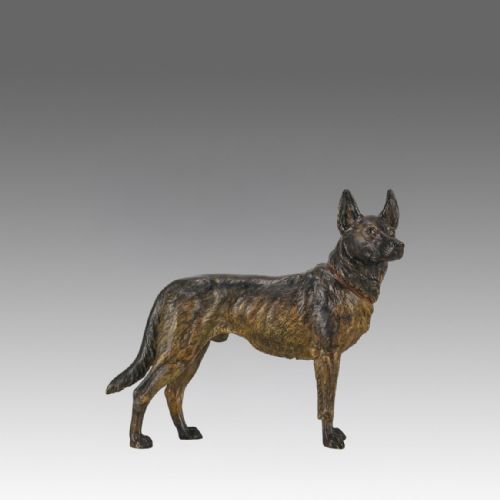
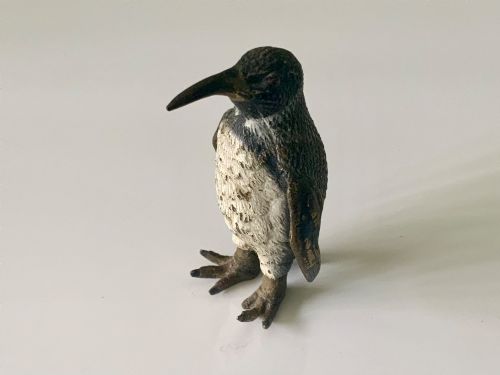
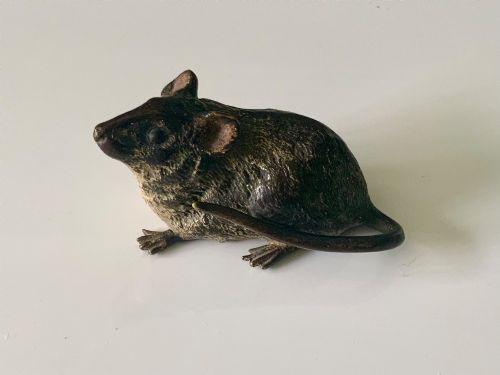
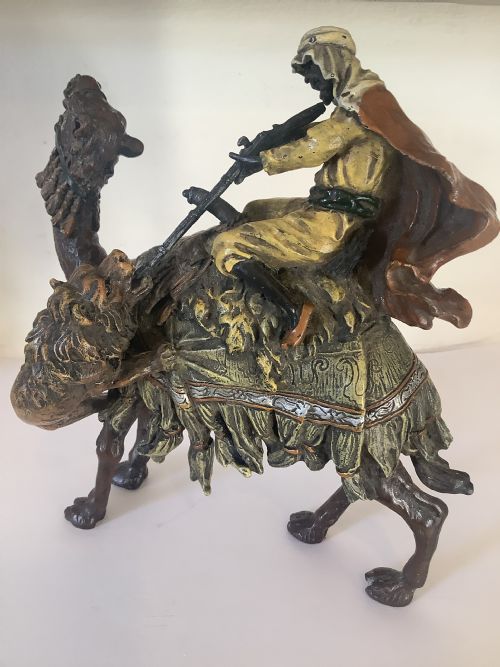
When you browse austrian cold bronze, you encounter small-scale cast metal sculptures produced primarily in Vienna during the late nineteenth and early twentieth centuries. These works span a rich array of subjects, from domestic dogs and exotic birds to elaborate Orientalist figures and dancers.
The objects take many forms, functioning as standalone figurines, miniature desk accessories, vide poche trays, and figural lamp bases. Many pieces incorporate bases made of green onyx or marble to anchor the metal casting.
The aesthetic bridges several periods, drawing heavily on Vienna Bronze traditions, Art Nouveau curves, Art Deco silhouettes, and Orientalist themes. Collectors most frequently meet animal studies and human figures dating between the Victorian era and the 1930s.
How They Were Made
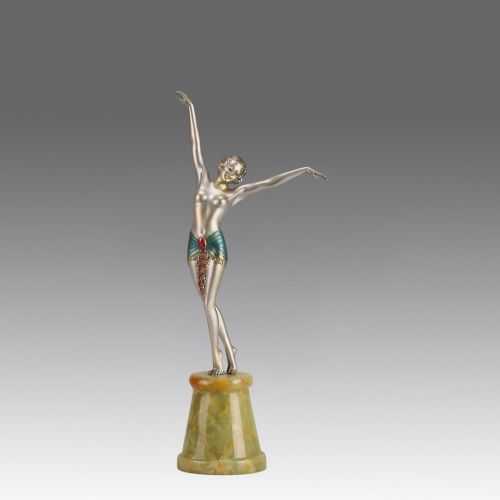
The manufacturing process begins with casting molten bronze into a detailed mould, often utilising spelter as an alternative metal in later Art Deco iterations. Artisans then apply paint cold, meaning the polychrome enamel or paint layers are brushed onto the unheated metal rather than fired in a kiln.
This cold-painted technique allows for intricate detailing on feathers, fur, and garments, though it leaves the surface pigments vulnerable to chipping over time. Artisans frequently mounted the finished bronzes onto natural stone plinths such as green onyx or marble to complete the composition.
Listings feature works spanning the nineteenth century, the 1900s, 1910s, 1920s, and 1930s, incorporating bronze, spelter, onyx, and marble.
What Varies in Quality
The distinction between standard commercial pieces and masterworks rests on the sharpness of the underlying bronze casting and the precision of the brushwork. Early casts capture fine anatomical textures and facial expressions with high fidelity, whereas mass-produced or later examples exhibit softer contours and simpler paint applications.
Signatures, foundry marks, and serial numbers stamped into the metal elevate the standing of a piece. Well-preserved pigment layers that retain their original tones without extensive overpainting indicate superior historical survival and desirability.
Franz Bergman·Josef Lorenzl·Alfonso Titze·Ernst Wahliss
The Austrian Cold Bronze Glossary
- Cold-painted bronze
- A metal sculpture decorated with unfired paint or enamel applied directly to the surface after casting. This method produces vibrant multi-coloured finishes unique to turn-of-the-century Vienna workshops.
- Vienna bronze
- A specific genre of small bronze figures originating from Austrian foundries renowned for realism and humour. These items often depict animals in human situations or detailed ethnographic subjects.
- Spelter
- A zinc-based alloy utilised as a cheaper alternative to bronze, particularly common in Art Deco figurines. It accepts cold-painted finishes similarly to bronze but weighs less.
- Vide poche
- A small tray or dish designed for emptying pockets of coins and keys, frequently ornamented with a cold-painted bronze animal or figure. The term translates literally from French as empty pocket.
- Orientalist
- A style reflecting nineteenth-century European artistic interest in Middle Eastern and North African subjects. Figures of Arab traders, dancers, and musicians form a major category within this tradition.
Austrian Cold Bronze: Frequently Asked Questions
What is austrian cold bronze?
These works are small cast metal sculptures decorated with unfired enamel paints, produced chiefly in Vienna from the nineteenth century through the interwar period. The style encompasses realistic wildlife, domestic animals, and elaborate human figures.
Foundries used detailed moulds to capture textures like feathers and fur before applying the vibrant polychrome pigments by hand.
Are all pieces stamped?
Many works bear foundry marks, artist signatures, or serial numbers, while others carry only small stamped monograms or remain entirely unmarked. Bergman pieces often feature a 'Namgreb' stamp, which is Bergman spelled backward.
The absence of a mark does not preclude authenticity, as thousands of smaller studio pieces left the foundry unsigned.
Why is the paint called cold?
The term describes the method of applying enamel or oil paint to the metal surface without subsequent kiln firing. Artisans painted the details directly onto the cold bronze after the casting had cooled.
This technique permitted a much wider palette of colours than traditional hot patination or enamelling processes.