


Bronze Animal Collectible
A bronze animal collectible brings life to a desk or mantelpiece through the weight and detail of cast metal.
Bronze Animal Collectible
A bronze animal collectible encompasses small sculptures and figurines cast in metal, capturing creatures from domestic dogs to wild beasts. When you explore this selection, you encounter pieces shaped across the nineteenth and twentieth centuries, spanning periods from mid-nineteenth century French works to Edwardian and Art Deco designs.
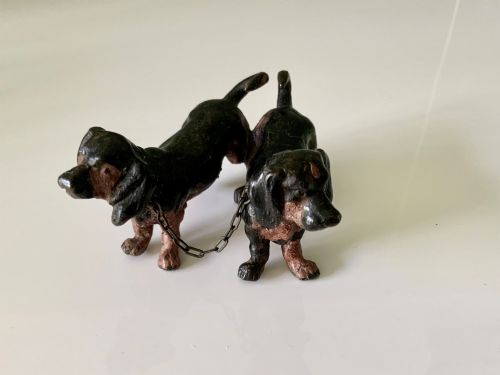
The objects take the form of animalier sculptures and cold-painted Austrian bronzes, reflecting the styles of Vienna Bronze, French Animalier, and Spanish Art Deco. Terriers, dachshunds, pugs, and pelicans appear frequently in the listings, modeled with patinated surfaces or bright enamel finishes.
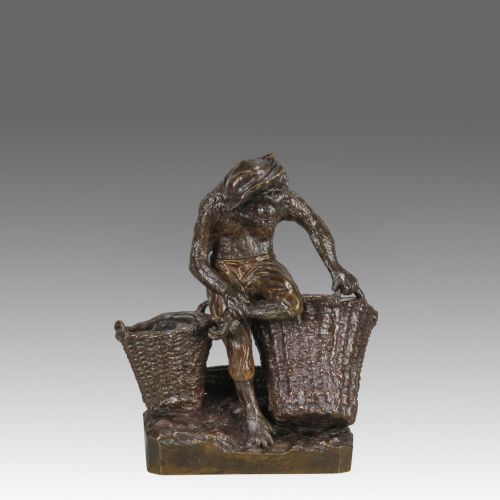
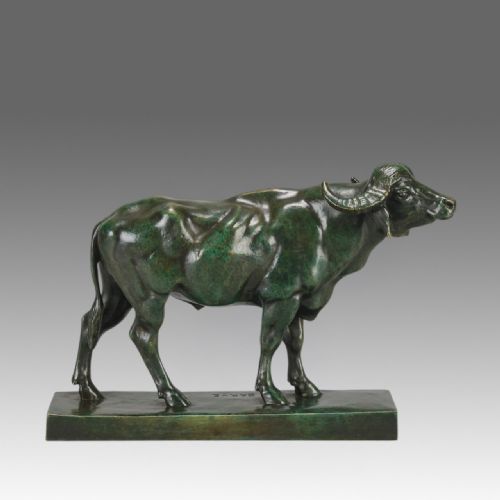
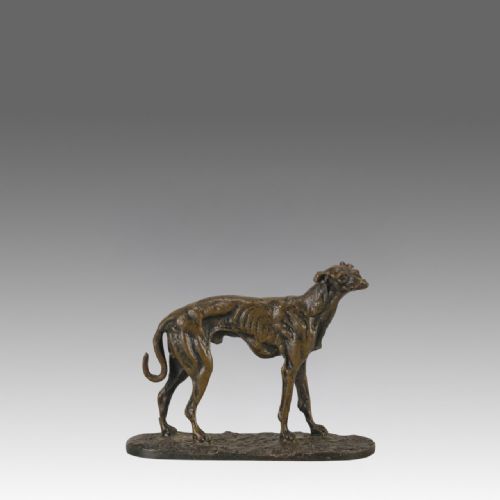
Makers and foundries such as Christophe Fratin, Antoine-Louis Barye, Pierre-Jules Mêne, Franz Bergman, and Edith Parsons dominate the origins here. These figures range from spirited mascot sculptures to small desk models stamped with registration marks like Geschützt.
How they were made
These figures begin as metal castings, primarily utilising bronze alongside brass, with some pieces receiving a warm patination or intricate cold-painted enamel finish. Foundries like Barbedienne cast the metal into detailed animal forms, capturing the texture of fur, feathers, and skin.
Surface treatments vary from applied paint over enamel to natural metal patinas that age with the bronze. Wood is occasionally incorporated into the bases or settings of these sculptures to support the heavy metal weight.
Listings feature bronzes from the mid-nineteenth century up through the Art Deco period, incorporating materials like brass, wood, and enamel.
What varies in quality
The preservation of the original cold-painted enamel surfaces or patination marks the difference between average production and superior artistry. Recognised foundry stamps and known maker signatures further elevate the standing of a bronze animal.
Christophe Fratin·Antoine L Barye·P J Mêne·Edith Parsons·Franz Bergman·Barbedienne
The Bronze Animal Collectible Glossary
- Animalier
- A nineteenth-century artistic movement focused on the realistic depiction of animals, particularly predators and domestic beasts in motion or repose. French sculptors popularised this rigorous approach to anatomy.
- Cold-painted
- A technique where enamel paint is applied to a cold bronze casting without firing, often associated with Austrian workshops. This method creates vibrant, multi-coloured finishes on small figurines.
- Patina
- The surface sheen or colour developed on bronze over time through oxidation or chemical treatment. A rich patina enhances the visual depth of the metal.
- Geschützt
- A German term meaning protected or registered, frequently stamped on Austrian and continental bronzes of the Edwardian era. It indicates a legally secured design.
- Cire perdue
- Lost-wax casting, a method allowing complex and detailed metal sculptures to be formed from a wax original melted out of the mould. This technique captures the finest textures of hair and hide.
Bronze Animal Collectible: Frequently Asked Questions
What is a cold-painted bronze?
A cold-painted bronze is a metal sculpture decorated with enamel paints applied directly to the unheated metal surface. This technique allows for bright, detailed colouration on small animal figures.
Workshop artisans in Vienna mastered this process, producing charming figurines of dogs and birds that retain their vibrant hues across the decades.
How do I identify an animalier sculpture?
Animalier sculptures focus heavily on accurate anatomical detail and naturalistic animal behaviour. Look for powerful musculature and lifelike postures in beasts and pets alike.
These works emerged strongly in nineteenth-century France through the hands of dedicated animal sculptors who studied live subjects in menageries.
What does the stamp Geschützt mean?
The stamp Geschützt indicates that a bronze design was legally registered and protected under Austro-Hungarian law. You often find this mark stamped into the metal of Edwardian pieces.
It serves as a helpful indicator of continental origin and period production for small animal models.
Where should I display a bronze animal?
Bronze animals suit placement on wooden desks, bookshelves, or mantelpieces where their weight and detailed casting can be appreciated close up. Their compact size makes them ideal for tabletop display.
Keep them away from excessive moisture to preserve the metal patina and any delicate painted surfaces.