

Asian Wood Table
These asian wood table pieces bring century-old craftsmanship into modern spaces, offering rich grains and traditional forms that anchor a room.
Asian Wood Table
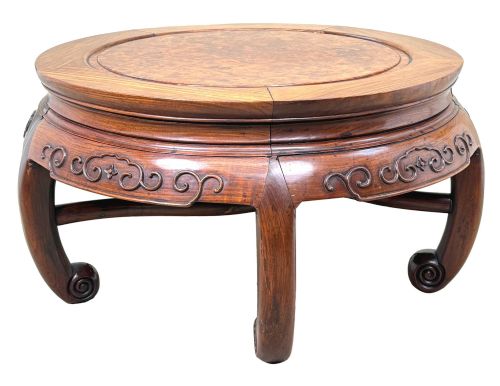
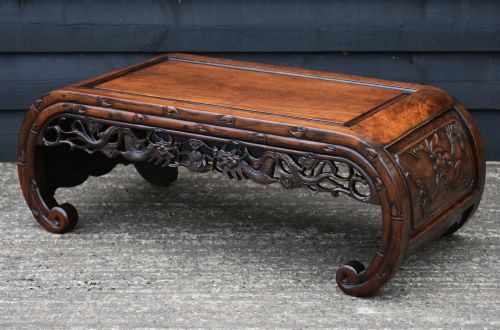
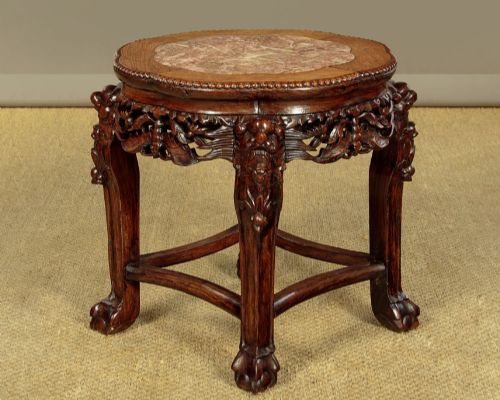
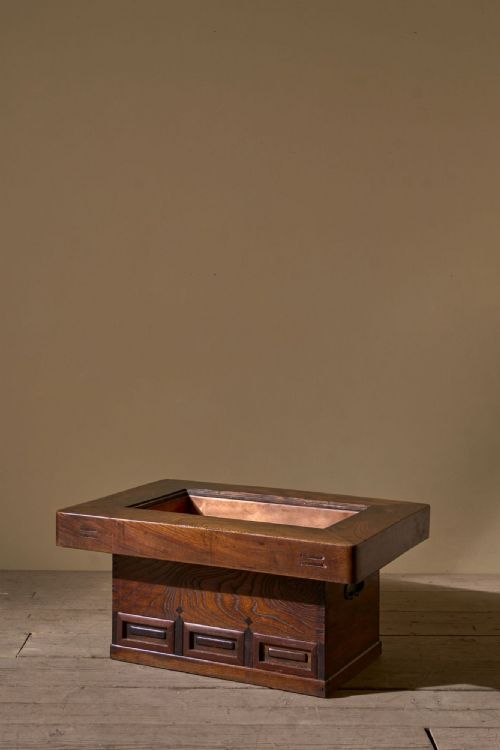
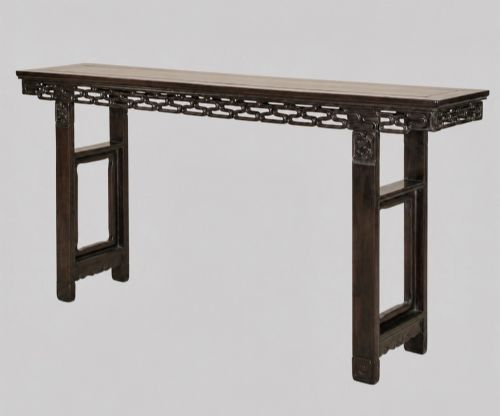
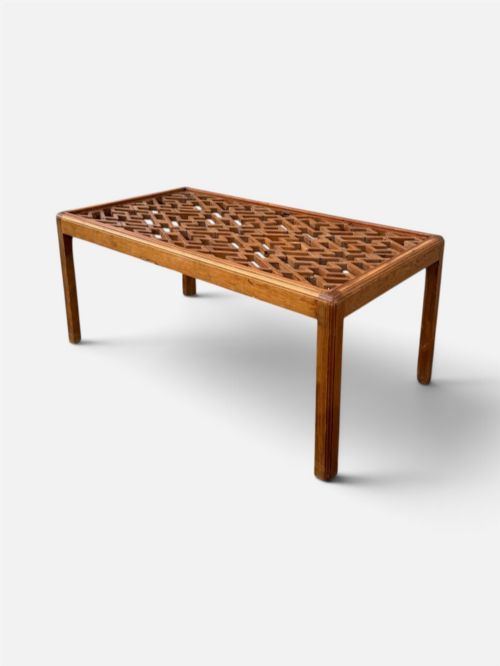
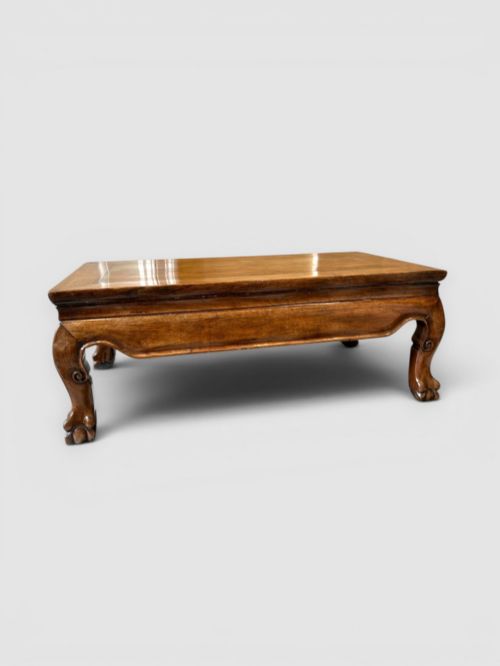
An asian wood table encompasses a diverse range of forms, from low opium tables and coffee tables to plant stands and side tables. Buyers seeking these items will find pieces spanning the nineteenth century up to the early twentieth century, reflecting various traditional Chinese and Japanese styles.
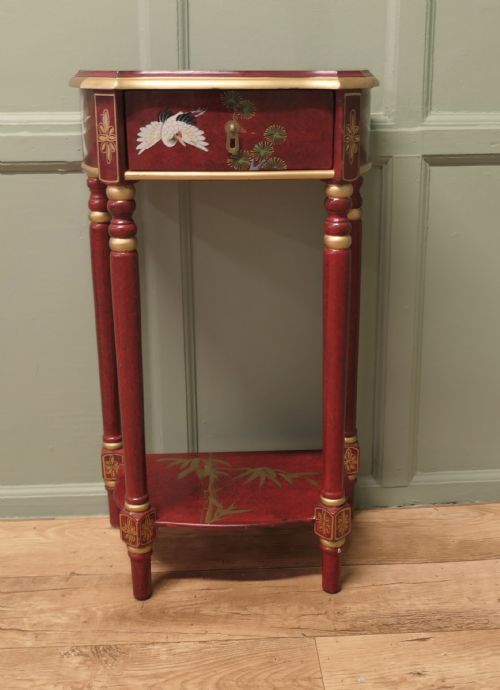
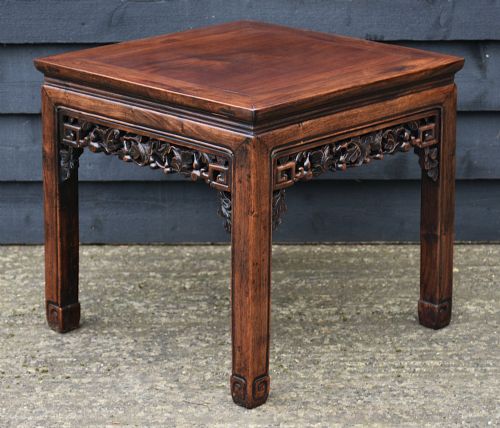
The selection frequently includes nineteenth century examples alongside pieces from the Qing Dynasty, Meiji Period, and later Chinoiserie interpretations. Forms vary from simple elm side tables to elaborate rosewood low tables adorned with carvings.
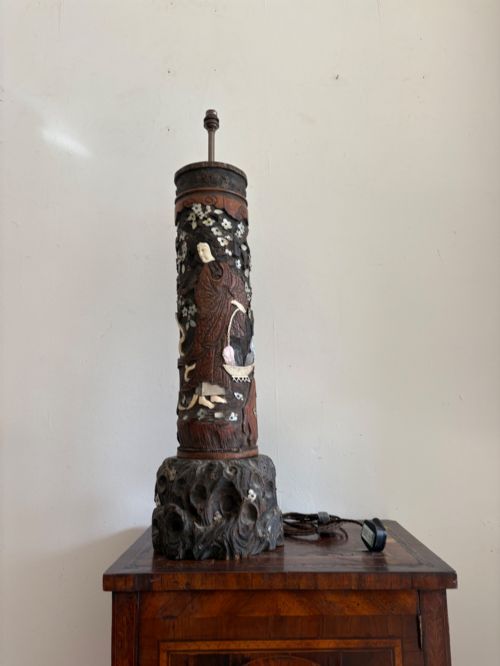
Origins stretch across China and Japan, with specific regional types such as Chinese Export furniture and Kashmiri lighting pieces appearing alongside traditional altar tables and nesting sets.
Materials and construction methods
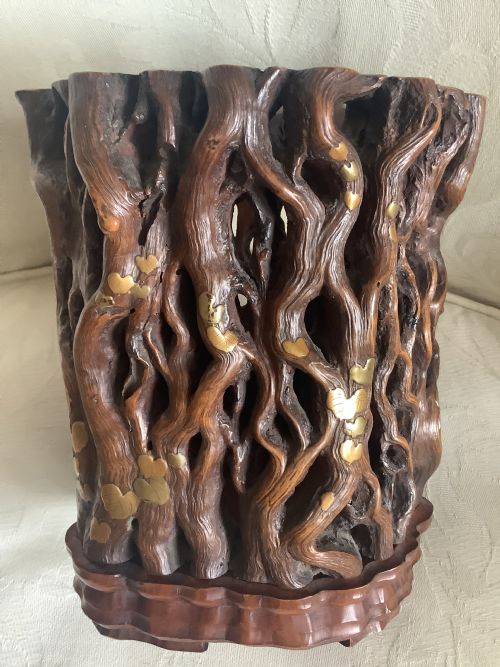
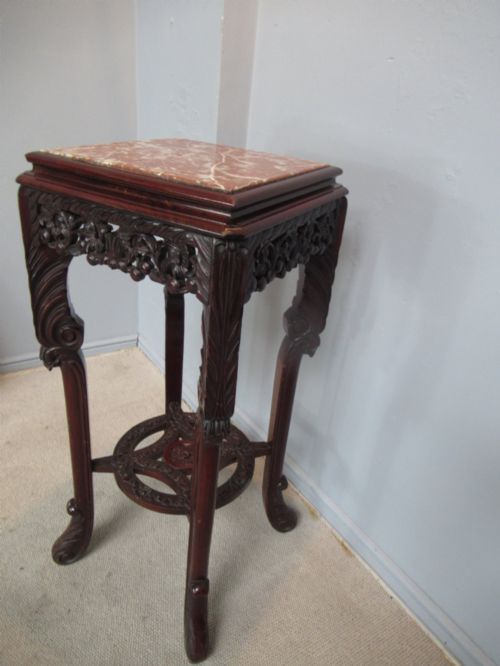
Makers utilised dense timbers such as hardwood, rosewood, padouk, and elm to build these tables and stands, often incorporating marble inserts for table tops. Grain patterns and natural wood tones remain central to the visual character of each piece.
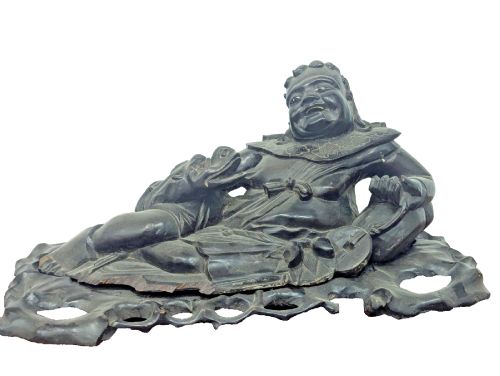
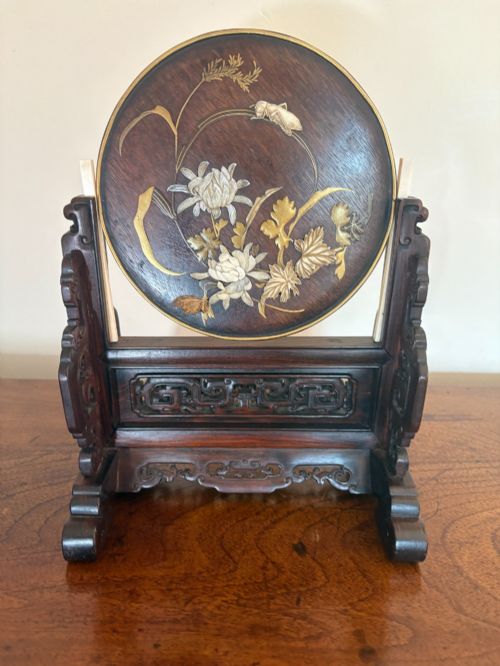
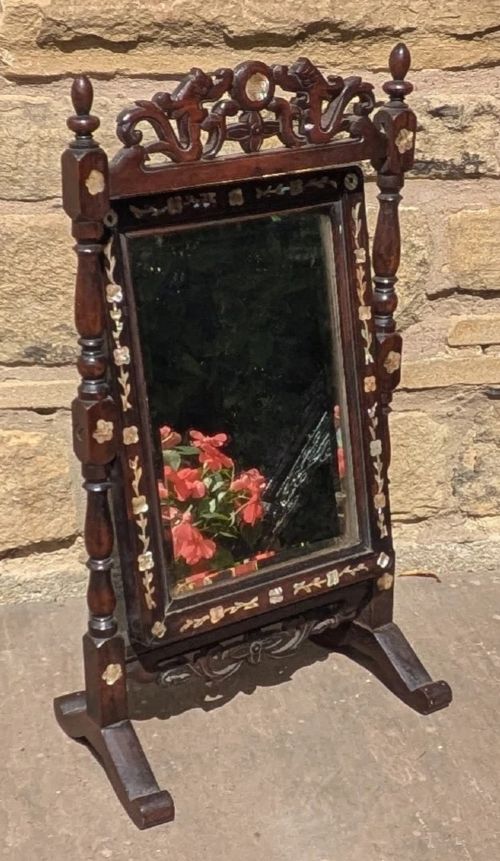
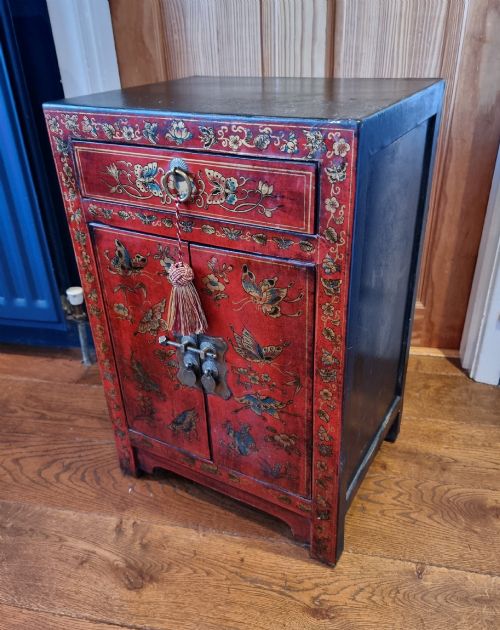
Surface decoration frequently involves red lacquer, mother of pearl inlay, and intricate carved details featuring dragons or figural motifs. Brass hardware appears on certain items, while glass and fretwork panels complement wooden frames in composite designs.
Asian Wood Table Retail Price Guide 2026
Typical asking prices for asian wood table among the pieces listed under this phrase on Sellingantiques today, from the lower quarter to the upper quarter. They describe what is for sale here now, not the wider market.
Factors determining quality
The standard of carving and the selection of timber dictate the distinction between simpler domestic items and finer works. Dense hardwoods like rosewood and hongmu command attention for their durability and weight.
Execution of decorative elements, including mother of pearl inlay and lacquer work, separates standard production from exceptional examples. The integrity of traditional joinery and the preservation of original surfaces also influence the standing of each piece.
The Asian Wood Table Glossary
- Opium table
- A low wooden table traditionally used for serving tea or smoking, often featuring recessed legs and subtle carvings. These low forms sit close to the floor.
- Qing Dynasty
- The final imperial dynasty of China, lasting from sixteen forty-four to nineteen twelve, known for prolific furniture production in dense hardwoods. Pieces from this era often display deep carving and formal symmetry.
- Chinoiserie
- European interpretations of Chinese artistic traditions, popular in later decorative items and red lacquer furniture. This style blends Western forms with Asian motifs.
- Hongmu
- A generic Chinese term translating to red wood, applied to various dense tropical hardwoods used in fine furniture. It denotes heavy, durable timber with rich natural colour.
- Shibayama
- A Japanese decorative technique involving inlay of materials like mother of pearl, ivory, and tortoiseshell into wood or lacquer grounds. It creates highly detailed, textured surface designs.
Asian Wood Table: Frequently Asked Questions
What is an opium table?
An opium table is a low-standing piece designed for use near the floor, historically utilised for serving tea, dining, or leisure activities.
These low tables typically feature robust wooden frames, sometimes with scrolled legs or carved apron details.
How do I care for antique hardwood?
Antique hardwood requires minimal intervention, benefiting mainly from dusting with a soft, dry cloth and avoiding direct sunlight.
Maintaining stable indoor humidity prevents timber from drying out or splitting over time.
What periods are represented here?
The listings span the nineteenth century through the early twentieth century, including Victorian eras and the Meiji Period in Japan.
Many pieces originate from the late Qing Dynasty or reflect traditional Chinese Export styles.