





Asian Tier Stand
An asian tier stand brings architectural display space into a room, combining multiple levels for plants and ceramics.
Asian Tier Stand
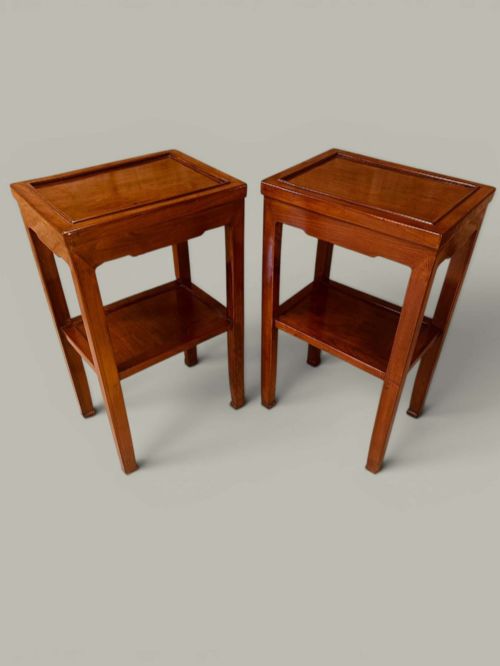
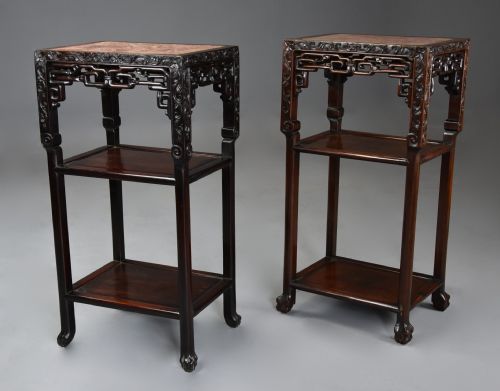
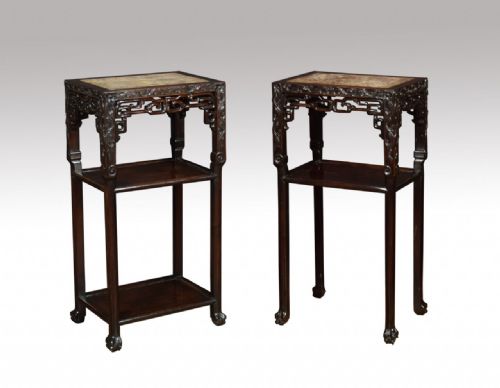
An asian tier stand takes several forms across this selection, appearing as side tables, plant stands, and multi-level pedestals designed to elevate ceramics and decorative objects. These items originate predominantly from the nineteenth and early twentieth centuries, spanning the Qing Dynasty and Chinese Export traditions.
How they were made
Makers utilised dense timbers such as hongmu, rosewood, and general carved hardwood to construct these pieces, often incorporating inset marble panels into the top surfaces. Construction methods rely on traditional joinery to support multiple tiers without heavy bracing.
Surface decoration ranges from intricate hand carving to painted red lacquer work in the Chinoiserie style. Brass elements appear selectively as structural or decorative accents on the wood and lacquer surfaces.
Asian Tier Stand Retail Price Guide 2026
Typical asking prices for asian tier stand among the pieces listed under this phrase on Sellingantiques today, from the lower quarter to the upper quarter. They describe what is for sale here now, not the wider market.
Some nineteenth century stands managed to survive centuries of household plant watering without losing their dignity.
What varies in quality
The standard of carving and the selection of timber dictate the distinction between everyday pieces and finer examples. Dense, heavy hardwoods such as hongmu and rosewood command attention for their grain and structural integrity.
The integration of decorative elements, from carved frame details to fitted marble inserts, marks the difference in execution. Pieces that maintain crisp lines in the woodwork and stable tier separation represent the stronger ends of the range.
The Asian Tier Stand Glossary
- Hongmu
- A dense, dark tropical hardwood traditionally used in Chinese furniture making. It is prized for its weight and ability to take fine carving.
- Jardiniere stand
- A tall piece of furniture designed specifically to hold a large plant pot or ceramic bowl. These often feature an elevated platform and stable base.
- Chinoiserie
- European artistic style that reflects Chinese decorative motifs and techniques. It gained popularity during various periods of revival and adaptation.
- Qing Dynasty
- The final imperial dynasty of China, lasting from sixteen forty-four to nineteen twelve. Pieces from this era often exhibit traditional carving and joinery methods.
Asian Tier Stand: Frequently Asked Questions
What is an asian tier stand used for?
These stands serve primarily to elevate plants, vases, and decorative objects within a room, using vertical space effectively.
They function well as side tables or corner display units for ceramics and lamps.
How do I identify a Qing Dynasty stand?
Identification relies on examining the timber species, joinery techniques, and the style of the carving. Dense hardwoods like hongmu and traditional joinery are strong indicators.
Matching the decorative motifs to historical periods helps confirm the dating.
Where should I place a tier stand?
Position them in corners or beside seating where vertical display adds interest without obstructing movement. Ensure the floor surface is even to keep multi-tiered structures stable.
Keep them away from direct heat sources to protect the wood and lacquer.
What is the difference between a pot stand and a side table?
Pot stands typically feature a smaller top surface designed specifically for a single urn, jardiniere, or plant. Side tables offer a broader surface intended for general placement of lamps or objects.
Both types may incorporate multiple tiers for additional display.