



Asian Style Cabinet
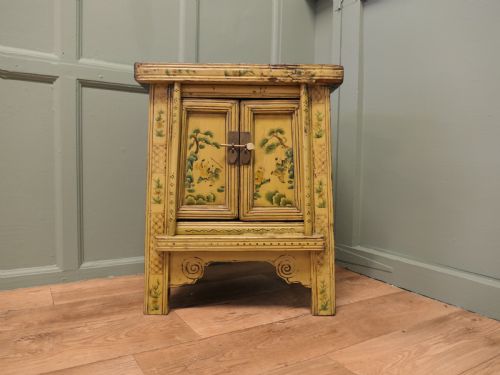
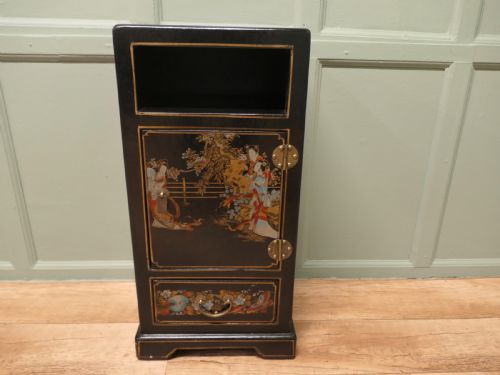
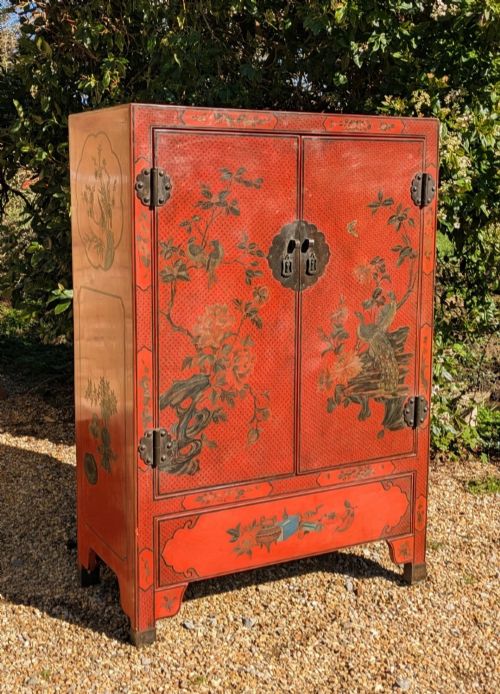
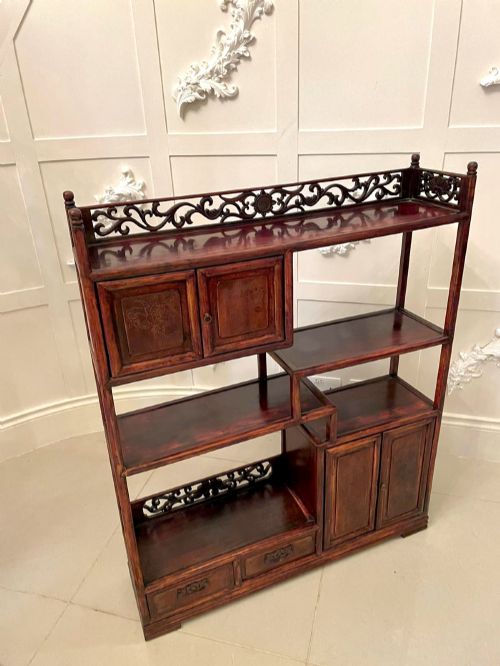
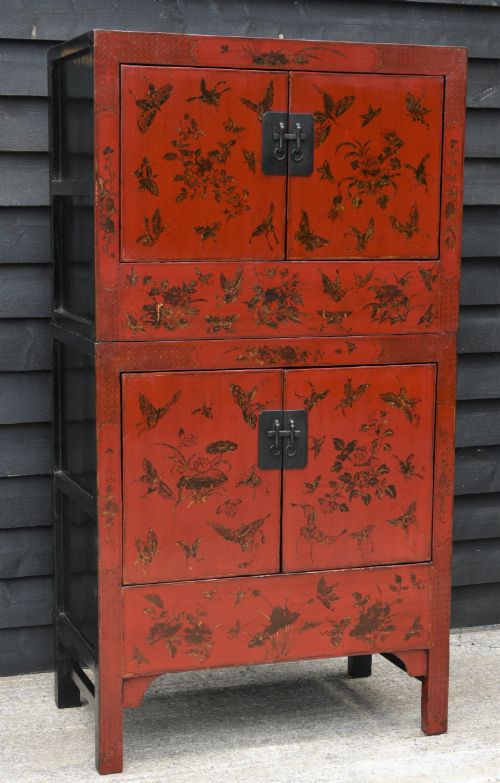
An asian style cabinet brings striking red or black lacquer, intricate carved wood and painted decoration into a room.
Asian Style Cabinet
An asian style cabinet encompasses storage forms including display cabinets, side cupboards, marriage cabinets and compound cupboard designs originating from Chinese, Japanese, Korean and European workshops. Pieces date from the 19th century through the early decades of the 20th century, capturing periods such as the Victorian and Edwardian eras alongside 1900, 1910, 1920 and 1930.
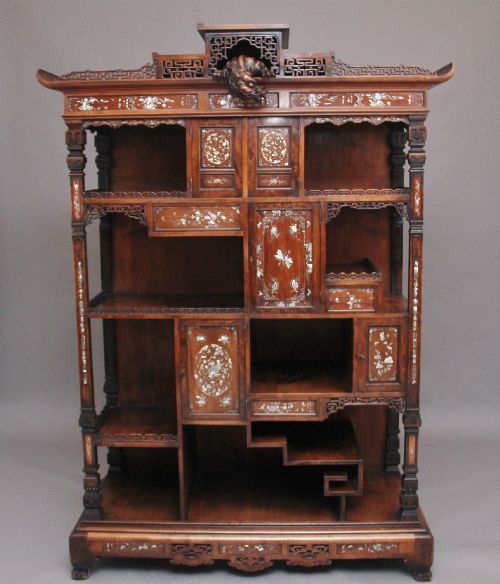
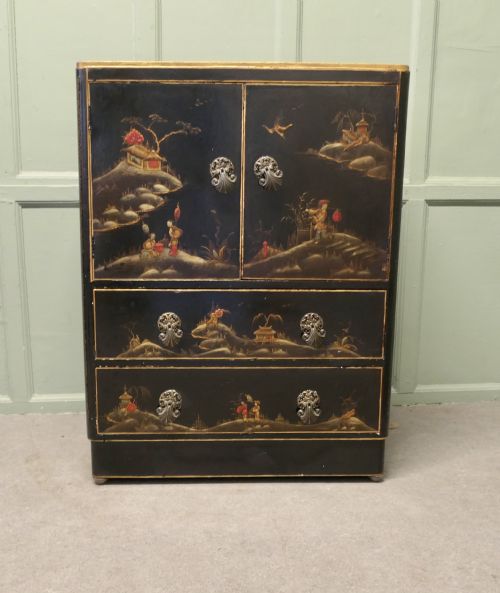
The most common versions met on this page are Chinoiserie lacquered cupboards, hardwood display cabinets and red or black lacquered storage pieces. Alongside tall floor cabinets, listings frequently include smaller variations such as table top chests, apothecary chests and bedside lamp cabinets.
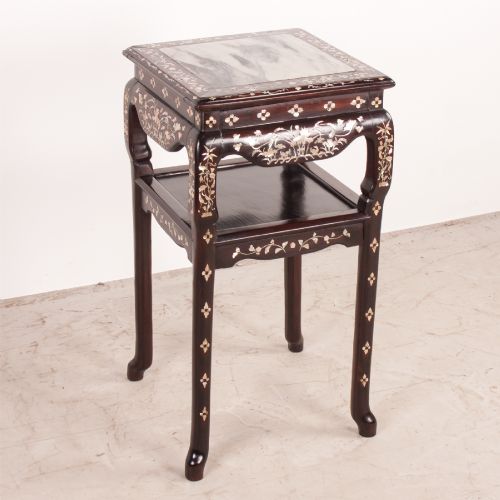
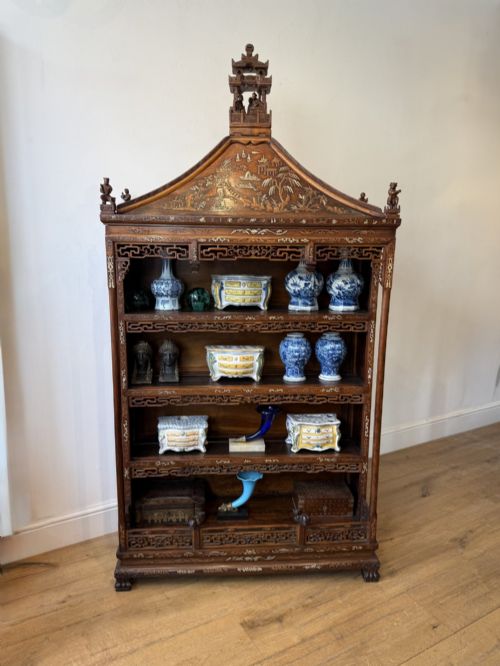
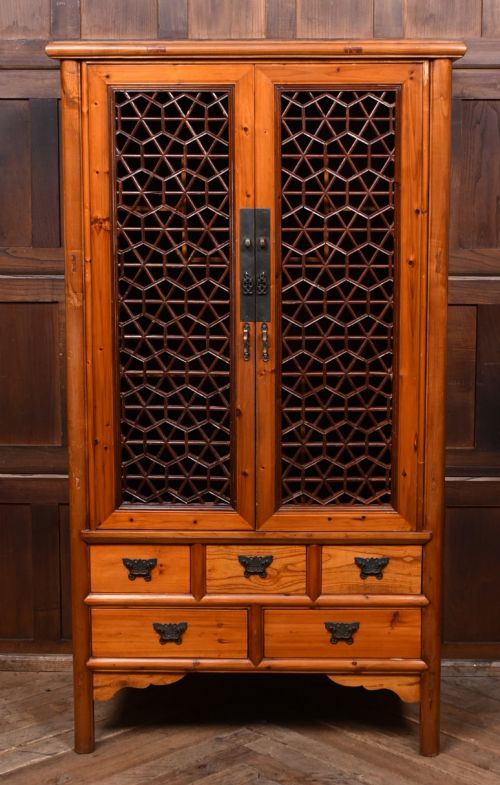
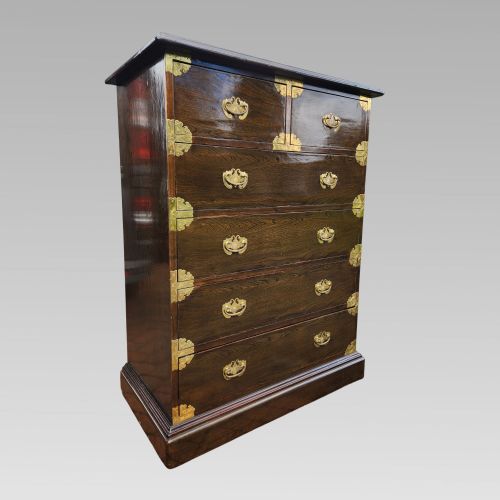
Form follows function across distinct regional expressions, ranging from Shanxi province style storage and pagoda display cabinets to Japanese larder cupboards and Korean elm veneer chests of drawers. Many stand independently or rest upon carved wooden stands, occasionally accompanied by related occasional tables and decorative plates.
Materials and construction
Cabinet makers utilised a variety of solid timbers and veneers, predominantly employing hardwood, eastern elm, teak and zitan. Structural joinery often supported applied decoration, while elm provided a robust substrate for painted and lacquered finishes.
Surfaces received elaborate treatment through red, black or cream lacquer, sometimes enriched with cinnabar work or mother of pearl inlay. Metal fittings in brass and iron added functional strength and visual contrast to hinges, plates and drawer pulls.
Asian Style Cabinet Retail Price Guide 2026
Typical asking prices for asian style cabinet among the pieces listed under this phrase on Sellingantiques today, from the lower quarter to the upper quarter. They describe what is for sale here now, not the wider market.
Marriage cabinets were built large enough to hold an entire dowry, ensuring newlyweds started life with ample wooden architectural presence.
Assessing quality
Quality reveals itself in the depth and preservation of the lacquer work, the crispness of hand carving on wood elements, and the integrity of applied mother of pearl inlay. Superior examples maintain stability in their stands and doors while retaining balanced proportions across compound forms.
Finer pieces demonstrate careful attention to interior storage arrangements, drawer construction using traditional timbers like teak or elm, and hardware integration. The cohesion between painted Chinoiserie decoration or carved dragon motifs and the underlying cabinet structure dictates the standing of an individual piece.
The Asian Style Cabinet Glossary
- Chinoiserie
- European decorative style reflecting Chinese artistic influences. It frequently appears on lacquered cabinets with painted figures, landscapes and gilt motifs.
- Imari
- Japanese porcelain decorated in underglaze blue and iron red, occasionally highlighted with gold. Plates and chargers in this style appear alongside storage furniture.
- Cinnabar
- Carved lacquer technique built up in numerous layers of red pigment. This material creates deeply textured surface reliefs on panels and small cabinets.
- Zitan
- Dense and heavy Asian hardwood prized for fine furniture making. It provides a dark, durable surface suitable for intricate dragon carving.
- Bandaji
- Traditional Korean storage chest constructed from elm or other native woods. These pieces typically feature pronounced iron strapwork and decorative hardware.
Asian Style Cabinet: Frequently Asked Questions
What is an asian style cabinet used for?
These cabinets provide versatile storage for living spaces, dining rooms and hallways while serving as prominent decorative focal points. Larger versions house collections behind glass or within panelled doors, whereas smaller chests and bedside units manage everyday items.
Display cabinets and whatnot structures also offer open shelving to showcase ceramics or decorative objects. Their distinct finishes introduce colour and texture into traditional and modern interiors alike.
How do I care for a lacquered cabinet?
Lacquered surfaces require gentle maintenance using a soft, dry cloth to remove dust without abrasive cleaners. Direct sunlight and sudden humidity changes should be avoided to protect the finish from drying or cracking.
Maintaining a stable room temperature helps preserve both the wooden substrate and the delicate lacquer or mother of pearl inlay. Periodic light dusting keeps the decorative details clear and vibrant.
What distinguishes Chinoiserie from traditional Chinese furniture?
Chinoiserie represents European interpretation and manufacture inspired by Chinese aesthetics, typically executed in Britain, France or other Western regions. These pieces use lacquer and painted decoration to evoke Eastern motifs within a Western furniture form.
Traditional Chinese furniture originates from workshops in China, employing regional construction methods and indigenous hardwoods or local lacquer traditions. Examining the underlying joinery and wood species usually clarifies the geographical origin of the piece.
Where were these cabinets placed in a home?
Floor cabinets and compound cupboards stood against primary walls in principal rooms to store garments, linens or valuable possessions. Smaller table top chests and lamp cabinets sat upon desks, tables or beside seating areas.
Marriage cabinets occupied significant positions in domestic spaces as important household assets. Specialised units like apothecary chests functioned in working environments before finding roles in domestic settings.