







Asian Style Accent Table
An asian style accent table brings distinct form and craftsmanship into a room, offering surface space with an unmistakable decorative heritage.
Asian Style Accent Table
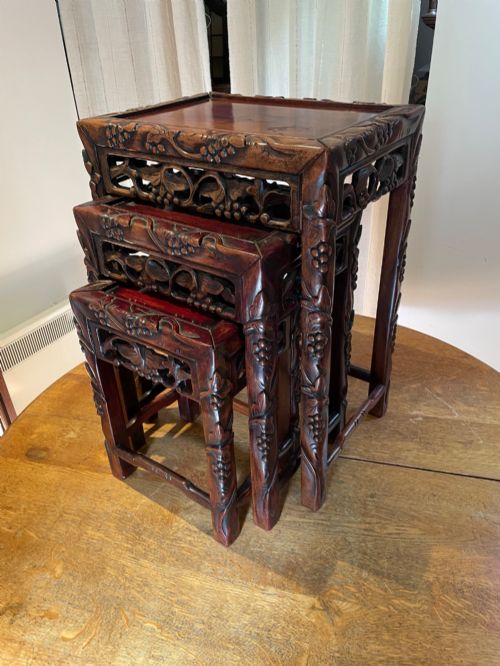
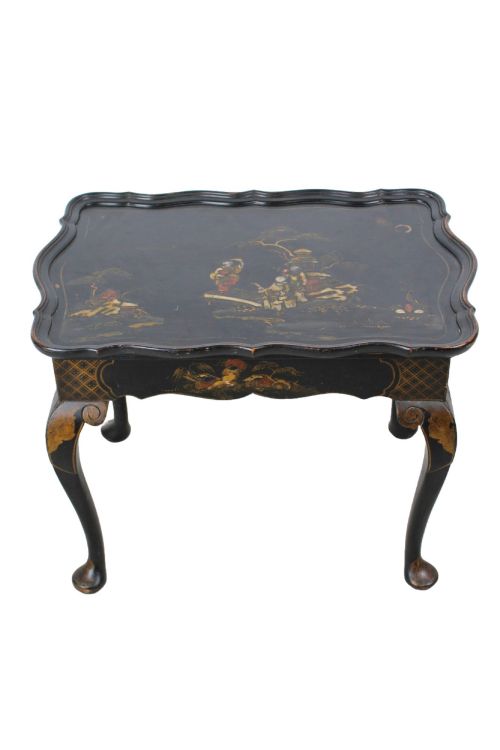
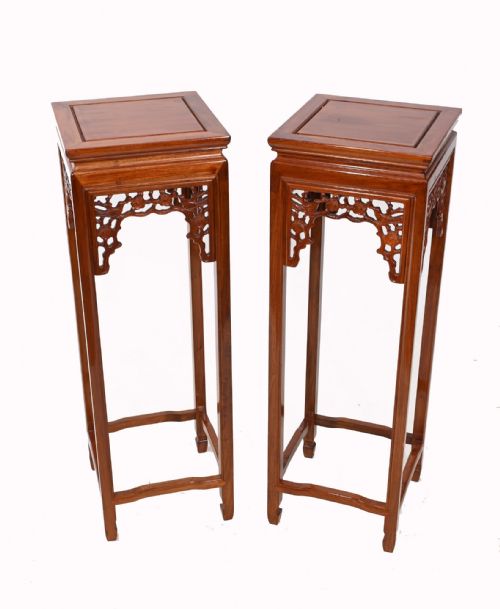
An asian style accent table encompasses versatile occasional furniture drawn from Chinese and Japanese design traditions, spanning the nineteenth century through the early decades of the twentieth century. These pieces include side tables, nests of four tables, tray top coffee tables, and carved octagonal occasional stands.
How they were made
Construction relies heavily on dense oriental hardwoods and elm, providing sturdy frames for intricate carving and joinery. Artisans applied rich red lacquer finishes and integrated decorative elements such as mother of pearl inlay into the wooden surfaces.
Certain forms incorporate contrasting materials, including inset marble tops, gilt accents, and brass details. Bronze and enamel work also appear on related table lamps from the period, demonstrating diverse decorative techniques.
Asian Style Accent Table Retail Price Guide 2026
Typical asking prices for asian style accent table among the pieces listed under this phrase on Sellingantiques today, from the lower quarter to the upper quarter. They describe what is for sale here now, not the wider market.
Several tables operate as social acrobats, hiding three smaller siblings beneath their skirts until tea time demands an extra surface.
What varies in quality
Quality rests in the precision of the woodwork and the depth of the carving across surfaces and edges. Pieces featuring well executed mother of pearl inlay or hand applied lacquer demonstrate greater artisan investment.
The choice of materials, such as heavy hardwood or intact marble inserts, distinguishes standard utilitarian items from finer decorative examples. Overall harmony of proportion and fidelity to traditional motifs determine the standing of each piece.
The Asian Style Accent Table Glossary
- Chinoiserie
- European interpretation and imitation of Chinese and East Asian artistic traditions, prominent in decorative furniture and lacquerwork. This style often emphasises whimsical or theatrical scenes.
- Meiji Period
- The era of Japanese history spanning from 1868 to 1912, marked by opening trade with the West and distinct decorative arts production. Furniture and objects from this time frequently display refined craftsmanship.
- Japonisme
- The influence of Japanese art on Western creators, particularly during the late nineteenth century. It shapes the aesthetic of various occasional tables and lamp stands from the period.
- Champlevé
- An enamelling technique where troughs are carved into a metal surface and filled with vitreous enamel before firing. This method appears on bronze table lamps associated with the period.
- Nest of Tables
- A set of graduated tables designed to fit neatly one beneath another when not in use. These sets are commonly encountered in four tier hardwood configurations.
Asian Style Accent Table: Frequently Asked Questions
Where should I place an asian style accent table?
These tables function effectively beside seating arrangements or as standalone display surfaces in a living space. Their compact dimensions suit them for hallways and corners.
Larger pedestal stands and plant stands work well to elevate decorative objects or lamps. A nest of tables offers flexibility for entertaining by spreading surfaces across a room.
How do I care for lacquer and hardwood furniture?
Dust surfaces regularly with a soft, dry cloth to prevent accumulation. Avoid placing these tables in direct sunlight or near heat sources to protect the wood and lacquer.
Maintain stable indoor humidity levels to safeguard delicate inlays such as mother of pearl. Lift items rather than dragging them across marble or wooden tops.
What is the difference between Chinese export and Chinoiserie?
Chinese export pieces were manufactured in China specifically for Western markets, utilising traditional local materials and techniques. They reflect authentic regional craftsmanship adapted for foreign buyers.
Chinoiserie describes items made in the West that imitate Asian aesthetic traditions. These objects rely on European manufacturing methods applied to oriental motifs.
How can I identify a piece from the nineteenth century?
Nineteenth century examples typically exhibit dense oriental hardwoods and traditional joinery methods without modern fasteners. Weight and patina provide strong indicators of age.
Stylistic markers such as Qing dynasty influences or heavy carved detailing help distinguish these earlier pieces from later twentieth century reproductions.