



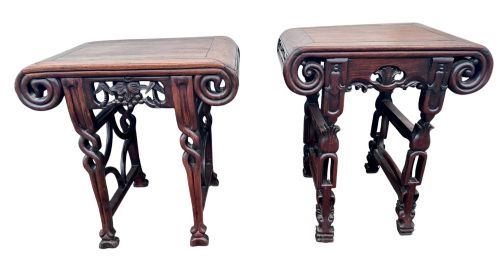


Asian Stool Table
These asian stool table pieces bridge seating and display, bringing dense hardwoods, inset marble tops and intricate carvings from the nineteenth century into modern rooms.
Asian Stool Table
An asian stool table combines dual functions, serving interchangeably as a low seat, a side table or a plant stand depending on its height and top configuration. The forms span seventeenth-century Qing dynasty traditions through to early twentieth-century Chinese export and Meiji period Japanese pieces.
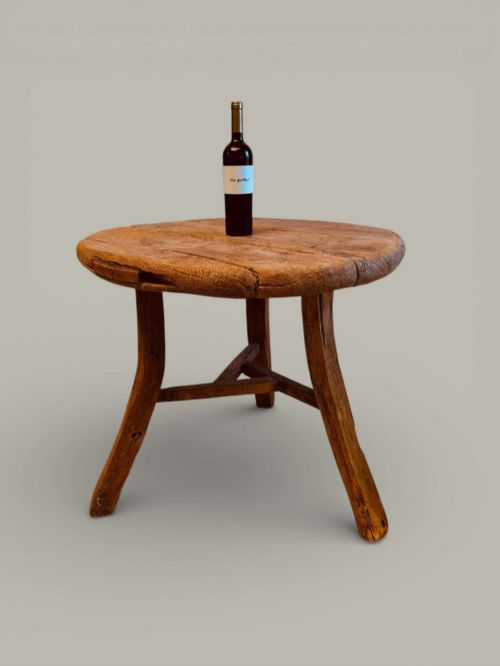
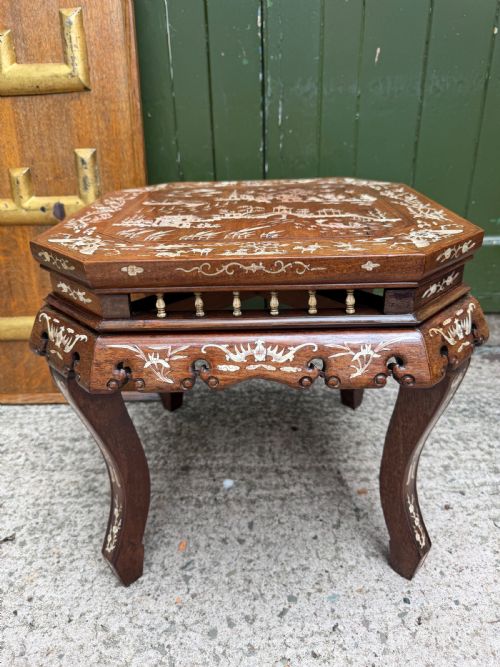
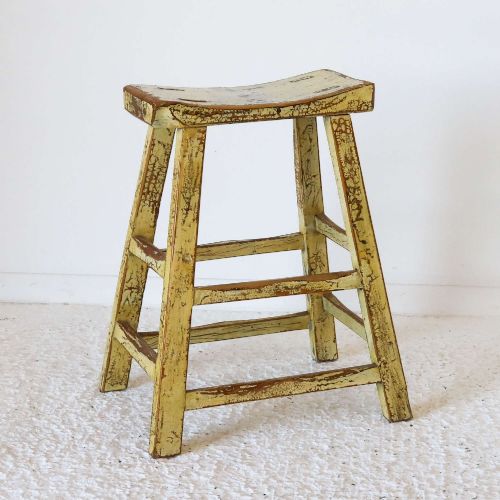
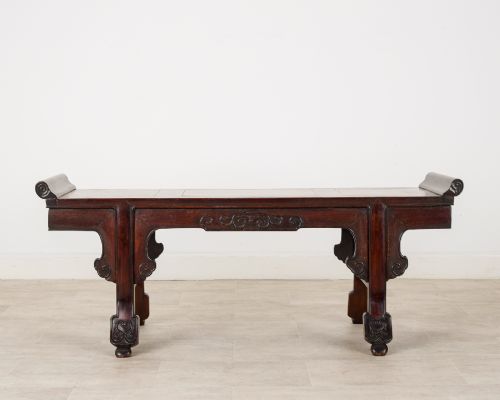
Most examples encountered on this page are nineteenth-century hardwood pieces, taking the shape of square occasional tables, round drum-shaped stands, benches or rustic elm stools.
Makers utilised dense timbers such as hongmu, rosewood and rootwood alongside lacquered elm to create versatile items intended for domestic display and utility.
Materials and construction techniques
Cabinetmakers worked with heavy exotic hardwoods like hongmu and rosewood, as well as native elm, employing traditional joinery that accommodated natural wood movement without metal fasteners.
Surface ornamentation involved elaborate bone and mother-of-pearl inlay, deep carving into dense timber, painted lacquer finishes, and the fitting of inset marble, quartz or porcelain panels into the tops.
Asian Stool Table Retail Price Guide 2026
Typical asking prices for asian stool table among the pieces listed under this phrase on Sellingantiques today, from the lower quarter to the upper quarter. They describe what is for sale here now, not the wider market.
Listings span the nineteenth century through to the 1930s, featuring materials such as hongmu, rosewood, elm, lacquer, and inset marble or porcelain panels.
Evaluating the craftsmanship
Quality rests on the selection of timber and the crispness of the carving, where dense hongmu and deeply sculpted rootwood sit at the upper end of the scale compared to simpler provincial elm.
The integrity of inset panels, whether marble, porcelain or quartz, and the precision of bone or mother-of-pearl inlay distinguish superior workshop production from more basic vernacular pieces.
The Asian Stool Table Glossary
- Hongmu
- A dense, heavy tropical hardwood prized by Chinese cabinetmakers for its rich colour and ability to hold fine detail in carving. It forms the structure of many high-status stands.
- Meiji Period
- The era in Japanese history spanning from 1868 to 1912, associated here with ebonised elm tables and stands produced for domestic use and export.
- Qing Dynasty
- The final imperial dynasty of China, lasting from 1644 until 1912, encompassing the majority of the nineteenth-century carved hardwood furniture seen in these listings.
- Rootwood
- Burls and root sections of trees selected for their natural, gnarled configurations and sculpted into rustic tables and stands.
Asian Stool Table: Frequently Asked Questions
What is an asian stool table used for?
These pieces function as versatile low tables, plant stands, lamp surfaces or stools depending on their proportions. They were traditionally positioned to elevate decorative objects or provide compact seating.
In contemporary interiors, their compact footprints make them suitable as side tables next to low upholstery or as display pedestals.
How do I date an antique hardwood stand?
Dating relies on timber selection, tool marks, and stylistic markers associated with the Qing dynasty or Meiji period. Nineteenth-century pieces often show hand-cut joinery and dense hongmu or rosewood construction.
Later pieces from the early twentieth century may incorporate simpler lacquered finishes or altered construction methods.
Are marble top tables original?
Many nineteenth-century stands and tables feature inset marble, quartz or porcelain panels fitted directly into the wooden frame. These stone inserts provided a cool, durable surface for plants or hot vessels.
Checking the fit within the wooden rebate helps confirm whether the panel belongs to the original construction of the piece.
How do I care for lacquered elm furniture?
Lacquered and painted surfaces require protection from direct sunlight and excessive humidity to prevent cracking or lifting. Dusting with a soft, dry cloth is sufficient for routine maintenance.
Avoid using modern chemical polishes or water on antique lacquer finishes to preserve the original surface integrity.