
Asian Lacquered Furniture
Asian lacquered furniture brings deep layers of polished resin, rich reds and ebonised blacks into a room.
Asian Lacquered Furniture
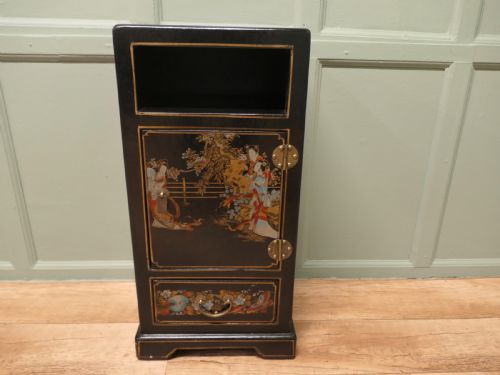
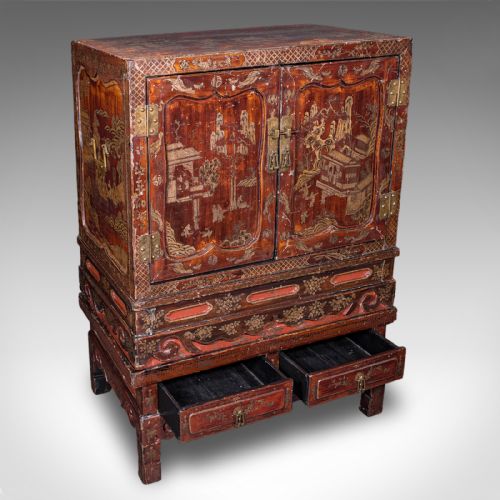
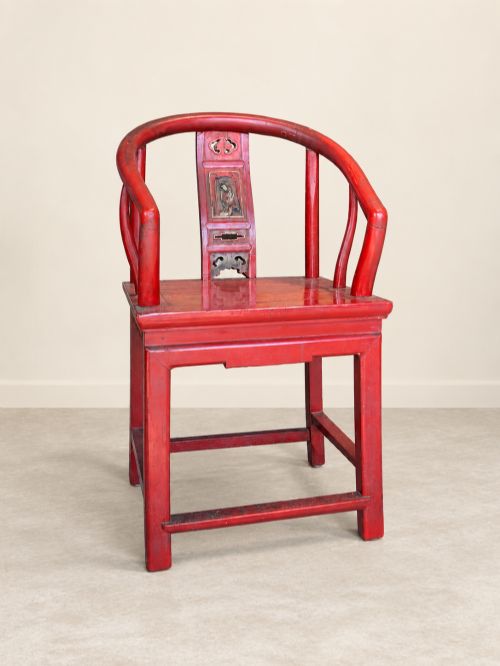
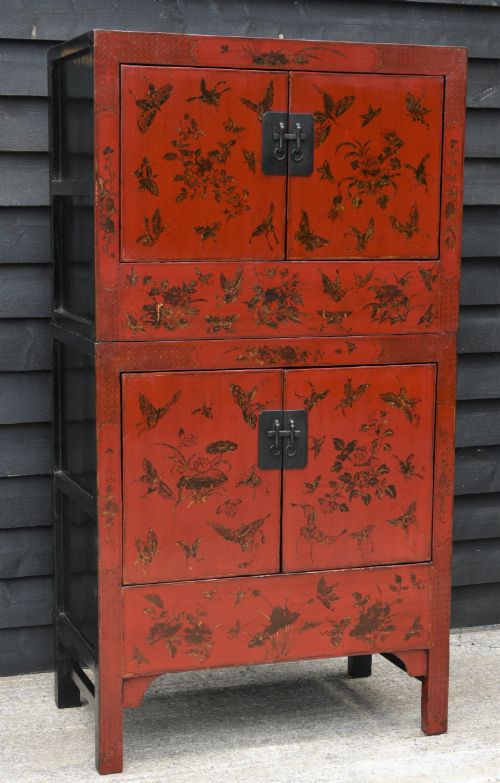
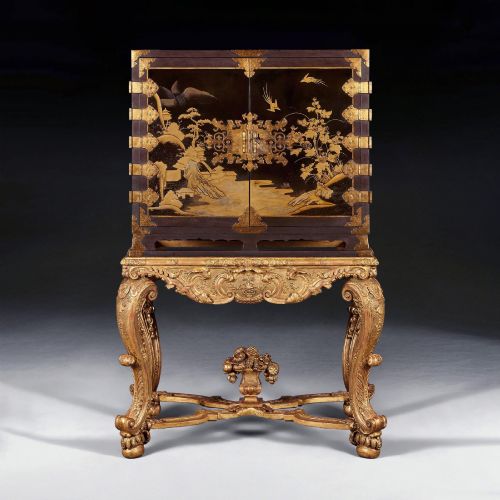
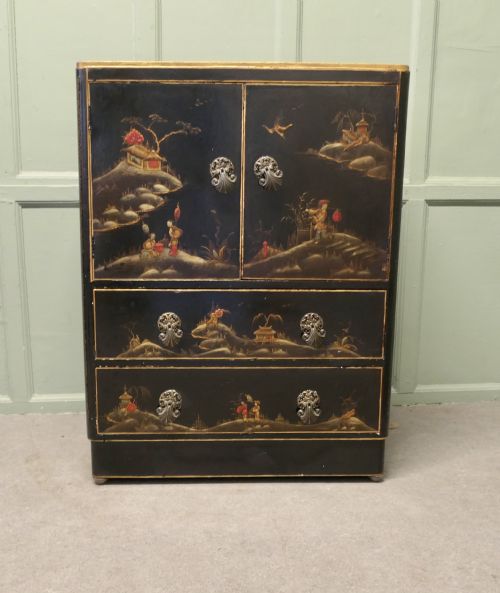
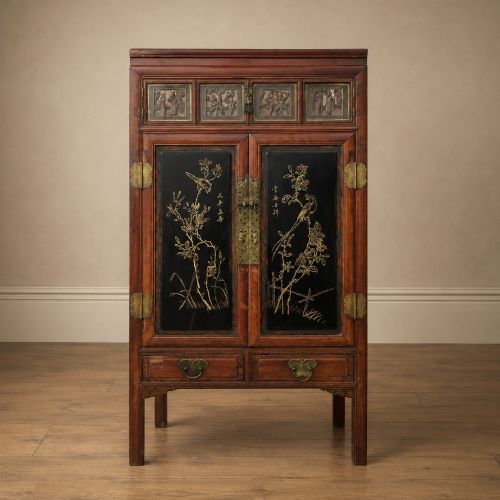
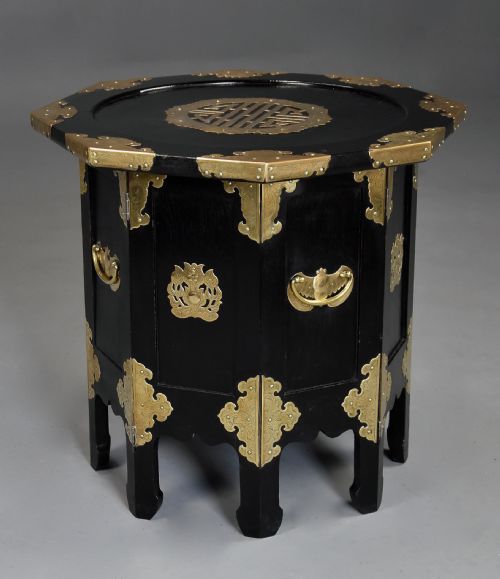
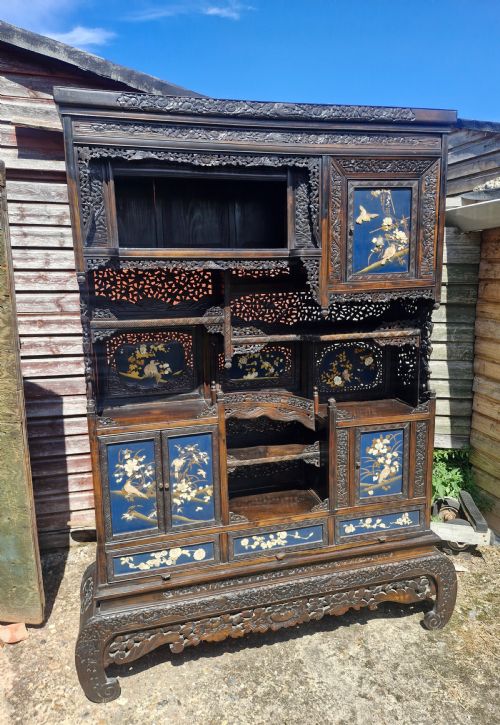
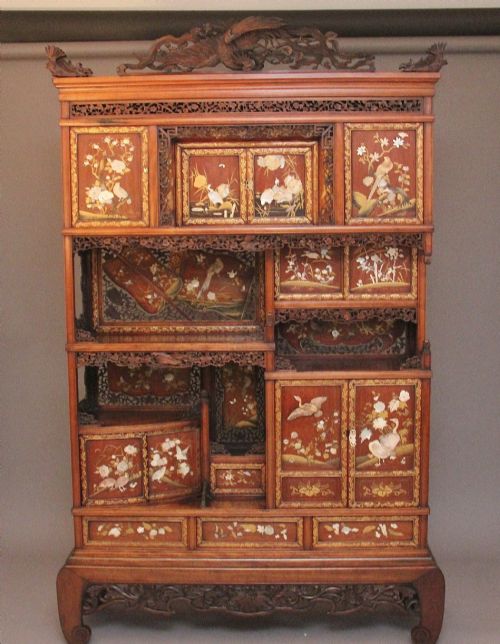
When you search for asian lacquered furniture, you encounter a diverse range of storage pieces, display cabinets, and seating created across centuries. The selection here leans heavily towards Chinese and Japanese pieces, including wedding cabinets, shodana display units, and low tables from the nineteenth and early twentieth centuries.
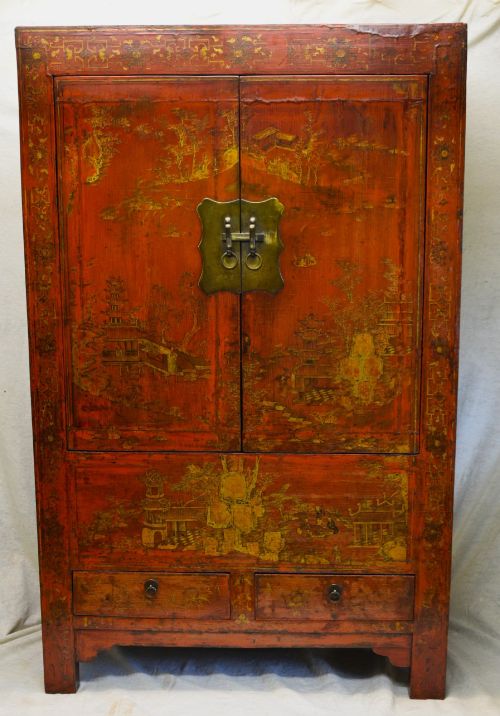
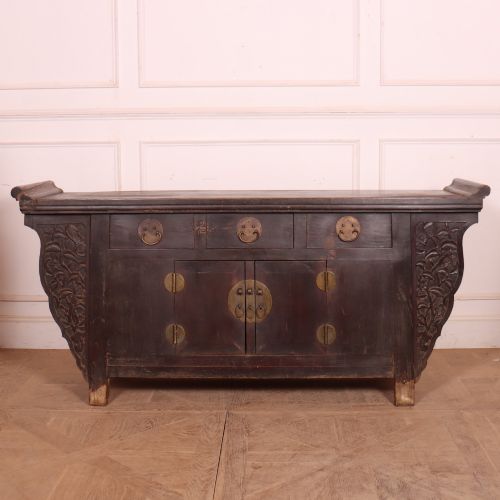
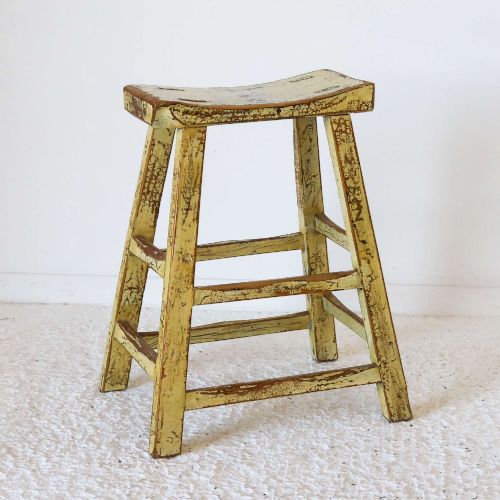
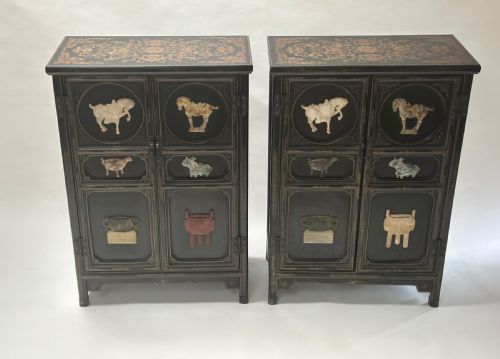
Buyers frequently find substantial wedding and marriage cabinets alongside smaller items like occasional tables, stools, and sideboards. These items often showcase traditional motifs executed in red or black finishes, reflecting distinct regional workshops from Fujian and beyond.
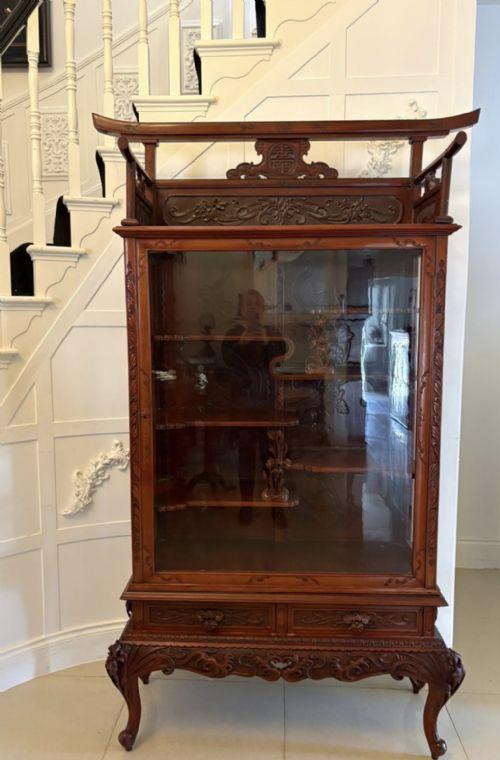
Many examples combine functional storage with intricate surface decoration, such as painted birds, flowers, or carved details. The forms range from compound cabinets on stands to compact bedside chests and intricately decorated benches.
Assessing Quality
The integrity of the surface finish dictates much of the visual appeal, separating pieces with deep, intact resin layers from those with extensive modern repainting. Original hardware, such as brass hinges and lock plates, contributes significantly to the authenticity and character of a cabinet or chest.
Construction methods also define the tier of a piece, with traditional joinery and well-fitted doors outlasting simpler assembly. The subtlety of carved details, whether on a cinnabar lacquer bench or a Meiji period shodana, reflects the skill level of the original workshop.
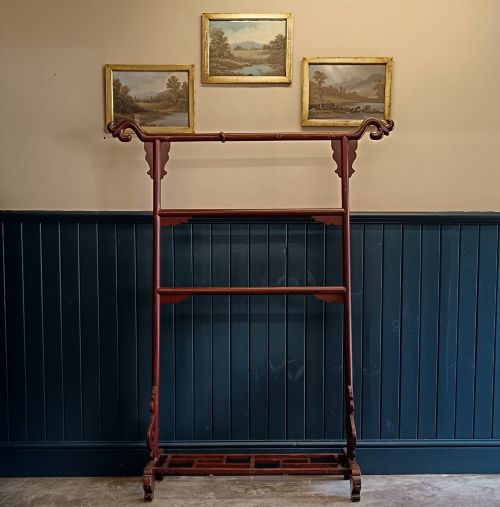
Object types include apothecary medicine cabinets, temple drums, console tables, and clothes racks alongside standard cupboards.
The Asian Lacquered Furniture Glossary
- Lacquer
- A durable, glossy resin derived from trees, applied in multiple coats to wooden furniture to create a protective and decorative surface. This technique requires considerable drying time between layers.
- Chinoiserie
- European artistic tradition interpreting and imitating Chinese and East Asian artistic styles, frequently applied to furniture with black or coloured lacquer grounds. It gained particular popularity during various historic periods of revival.
- Shodana
- A traditional Japanese multi-shelved display cabinet featuring asymmetrical compartments for ornaments and art objects. These pieces originate primarily from the Meiji period.
- Tansu
- A traditional Japanese mobile chest of drawers constructed primarily for storage, often fitted with robust iron handles and corner brackets. They range from simple single-section boxes to complex multi-tiered units.
- Cinnabar
- A bright scarlet mineral form of mercury sulphide used to pigment lacquer, allowing carvers to create deep relief designs in solid red material. It produces a weighty, tactile surface.
Asian Lacquered Furniture: Frequently Asked Questions
How do I care for lacquered surfaces?
Keep these pieces away from direct sunlight and excessive heat sources to prevent the resin finish from drying out or cracking. Dust gently with a soft, dry cloth without applying modern chemical polishes.
Maintain stable room humidity to protect the underlying wood and prevent the lacquer from lifting off its substrate over time.
Where were these cabinets placed originally?
Large wedding cabinets stood in domestic quarters to store garments, textiles, and valuable family possessions securely. Smaller chests and tables served functional roles in reception rooms and private chambers.
Display cabinets like the Japanese shodana were designed specifically to exhibit small art objects, ceramics, and scholarly treasures.
What is a compound cabinet?
A compound cabinet consists of two separate storage sections stacked vertically to form a single tall wardrobe. This modular construction made large furniture easier to transport within historic homes.
Such pieces often feature heavy wooden frames and elaborate brass hardware securing the upper and lower compartments together.
How do I distinguish Chinese from Japanese pieces?
Chinese examples often feature vibrant red finishes, wedding motifs, and prominent brass circular lock plates on double doors. Japanese pieces from the Meiji period frequently showcase asymmetrical shelving or portable tansu chest construction with iron mounts.
Examining the underlying timber, such as elm in Chinese pieces, also helps identify the regional origin of the workshop.