






Asian Hardwood Furniture
Asian hardwood furniture brings dense rosewood, elm and hongmu forms from the nineteenth century into modern rooms.
Asian Hardwood Furniture
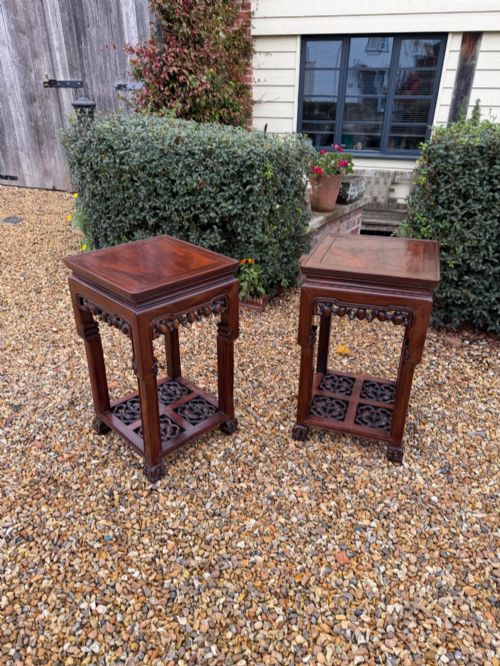
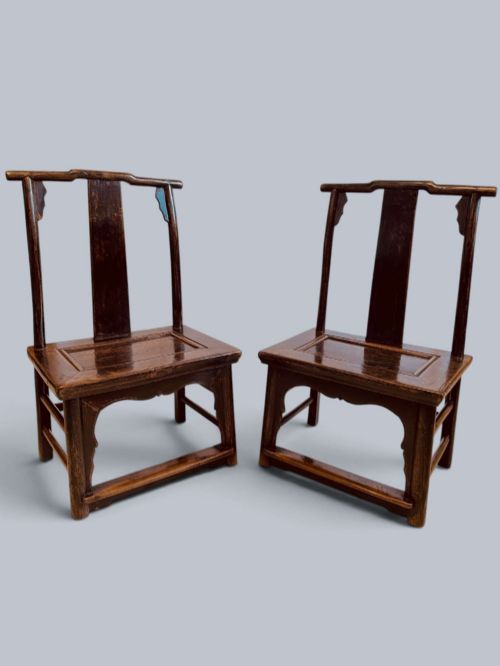
Asian hardwood furniture spans side tables, display cabinets, plant stands, coffee tables, armchairs, nests of tables, occasional tables, console tables and benches. When you search for asian hardwood furniture, you meet nineteenth-century Chinese and Japanese examples originating from the Qing Dynasty and the Meiji Period.
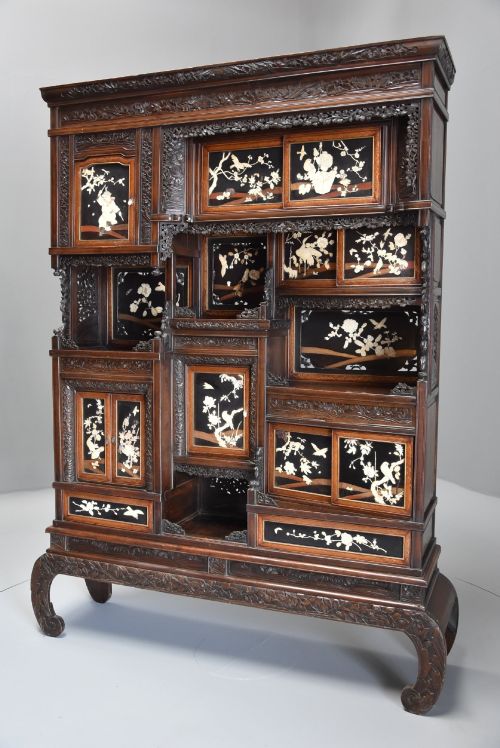
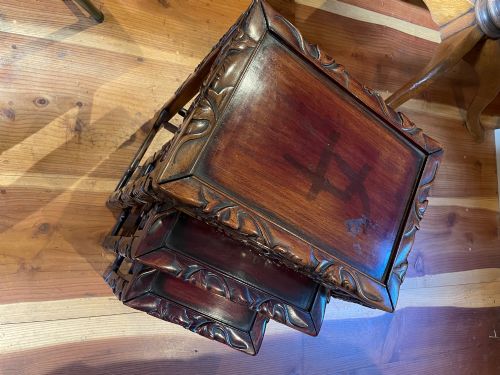
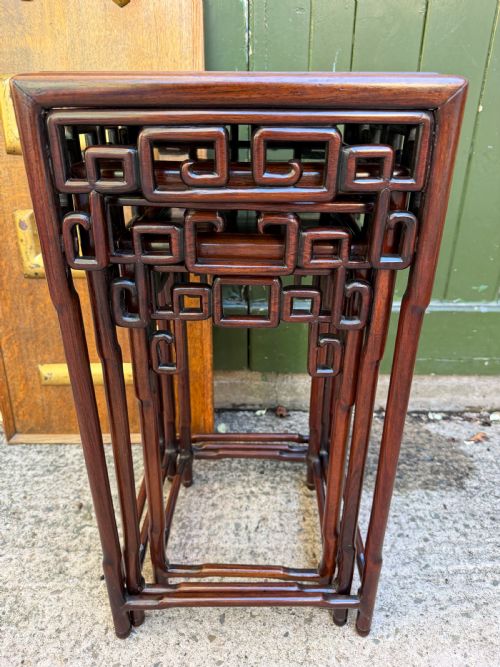
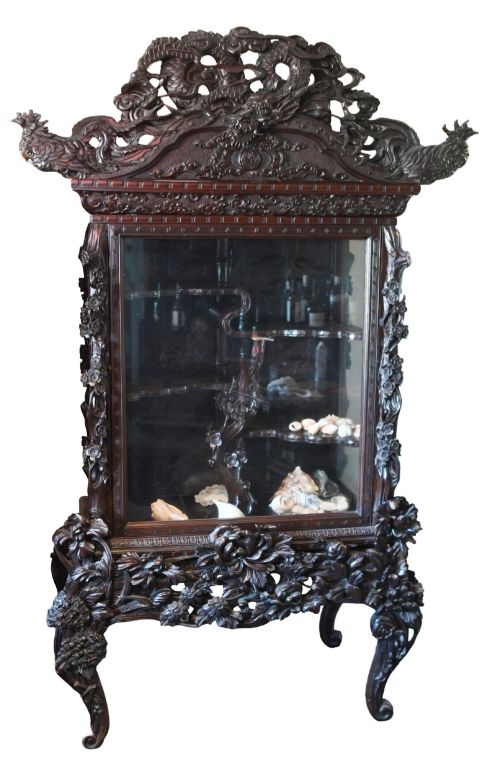
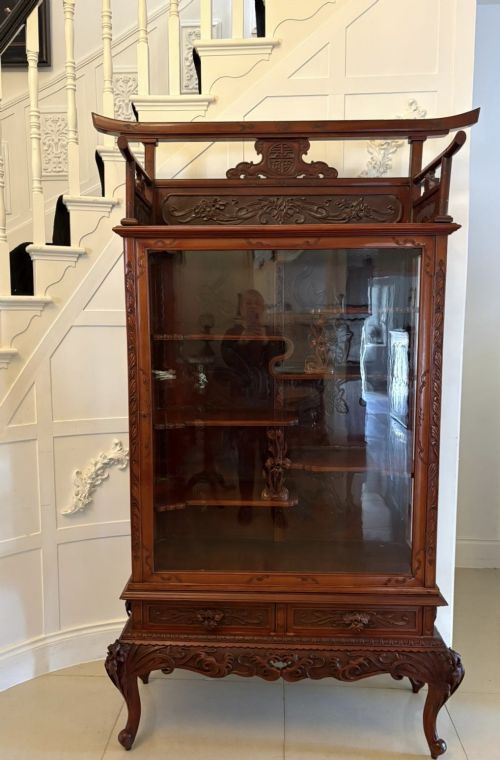
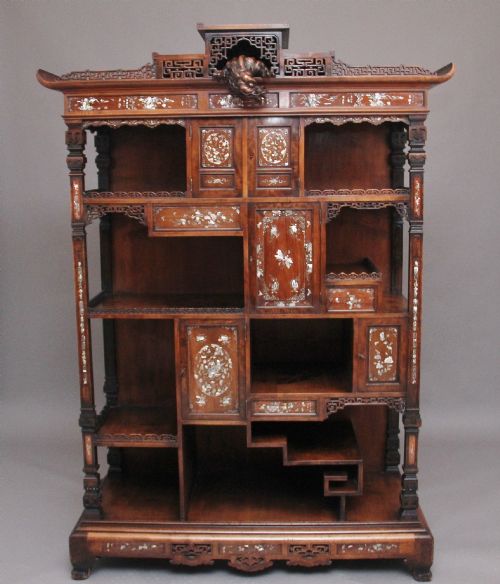
The most common forms on this page include nest of tables, marble top side tables and carved display cabinets known as shodona. Pieces range from traditional Chinese corner leg tables and altar tables to Japanese Meiji period cabinets and French Japanese export items.
How they were made
Craftsmen utilised dense timbers such as rosewood, hongmu, huali and elm, often combining the wood with lacquer, marble, brass, mother of pearl and bone inlay. Structural joinery relied on precise traditional carpentry without metal fixings.
Surface treatment involved detailed hand carving depicting dragons and floral motifs, alongside red lacquer finishes and inset porcelain panels.
Asian Hardwood Furniture Retail Price Guide 2026
Typical asking prices for asian hardwood furniture among the pieces listed under this phrase on Sellingantiques today, from the lower quarter to the upper quarter. They describe what is for sale here now, not the wider market.
What varies in quality
Quality depends upon the density and selection of the timber, alongside the depth and crispness of the hand carving. Finer examples display meticulous joinery and well-preserved surface inlays of bone or mother of pearl.
The integration of inset marble or porcelain panels and the proportional balance of the overall frame separate standard utilitarian items from exceptional display pieces.
The Asian Hardwood Furniture Glossary
- Hongmu
- A dense, heavy Chinese hardwood often translated as red wood. It forms dark, highly prized furniture of the Qing Dynasty.
- Shodona
- A Japanese Meiji period display cabinet featuring asymmetrical shelving and sliding doors. These cabinets showcase elaborate carved woodwork.
- Opium bench
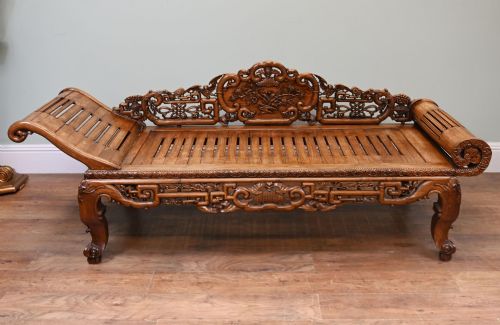
- A low wooden bench or bed used in traditional Chinese interiors. They typically feature carved frames and hardwood construction.
- Torchère
- A tall stand designed to support a candle, lamp or decorative vase. They appear here as carved hardwood plant or vase stands.
- Huali
- A fragrant and figured Chinese hardwood belonging to the rosewood family. Artisans utilised it for seating and small tables.
Asian Hardwood Furniture: Frequently Asked Questions
How do I use a nest of tables?
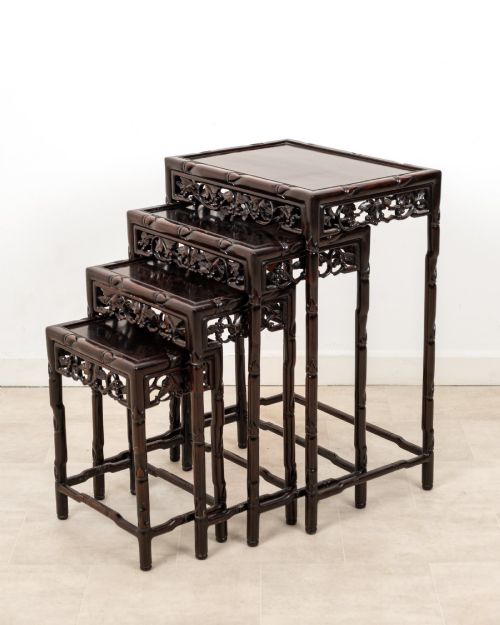
Nests of tables provide flexible surface space that stacks away compactly when not in use. You can separate the graduated pieces around a room for holding drinks or display items.
Traditional Chinese nests, particularly those in hongmu or rosewood, suit living areas where space and proportion matter.
What is an opium bench?
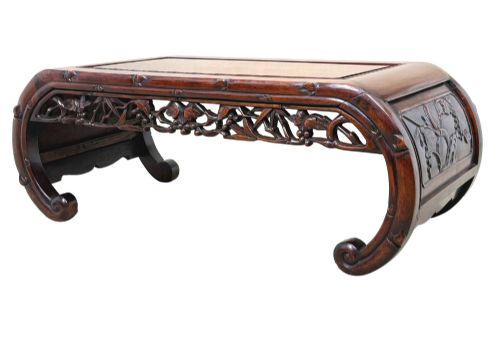
An opium bench is a low wooden seat or bed produced in China during the nineteenth century. They function effectively today as low coffee tables or window seats.
Their solid hardwood frames often feature carved panels and robust joinery designed for daily lounging.
How do I distinguish Qing Dynasty pieces?
Qing Dynasty furniture displays traditional Chinese forms such as horseshoe-back armchairs, corner leg tables and altar tables. They utilise dense hardwoods like hongmu and huali.
Carved motifs often incorporate dragons and formal floral patterns reflecting the period's aesthetic standards.
Where should I place a plant stand?
Torchère stands and plant stands suit corners, hallways or beside seating to elevate vases and floral arrangements. Their tall, slender proportions draw the eye upward.
Ensure the floor is even so that these narrow hardwood supports remain stable.