






Asian Export Lamps
These asian export lamps bring distinctive porcelain and metalwork into domestic spaces, offering collectors rich historical craft.
Asian Export Lamps
Asian export lamps combine traditional decorative arts from the East with functional lighting requirements, often converted from earlier vessels or mounted specifically for Western interiors. When searching for asian export lamps, buyers encounter items ranging from nineteenth-century vases to twentieth-century figural table pieces.
The material record on this page centres on porcelain vessels, cloisonné enamel, and carved hardwoods, frequently complemented by brass mounts. These objects reflect international trade routes and aesthetic exchanges across the Victorian era and into the early twentieth century.
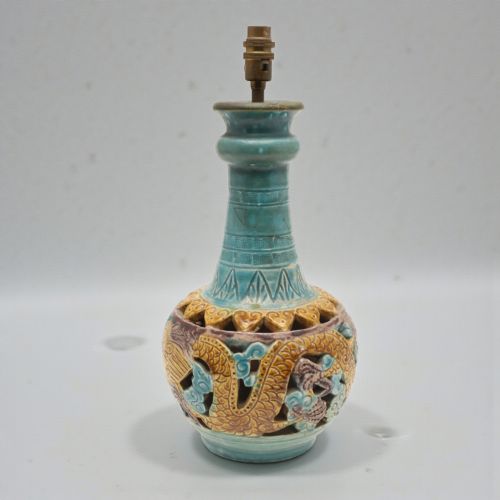
Among the forms present, converted porcelain vases and cloisonné pieces dominate the selection, alongside hardwood stands that occasionally serve related display purposes. Each piece demonstrates how foreign manufacture adapted to suit domestic tastes abroad.
Materials and construction
Makers utilised high-fired porcelain and intricate cloisonné enamel work, applying detailed glazes such as celadon and rose medallion to create vibrant surfaces. These ceramic and metal bodies provide the primary visual weight of the objects.
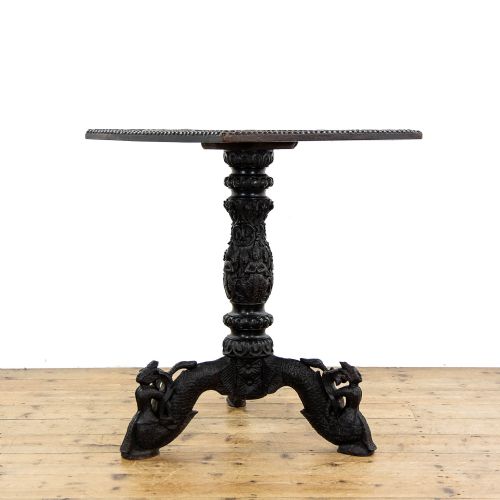
Structural components incorporate brass mounts and dense hardwoods like rosewood, shaped through traditional joinery and hand-carving techniques. Metal elements secure the electrical fittings or elevate the vessels to functional table heights.
Asian Export Lamps Retail Price Guide 2026
Typical asking prices for asian export lamps among the pieces listed under this phrase on Sellingantiques today, from the lower quarter to the upper quarter. They describe what is for sale here now, not the wider market.
Listings feature items dated across the nineteenth century, nineteen-ten, nineteen-thirtieth, and the Victorian era, utilising porcelain, brass, and hardwood.
Assessing quality
Quality rests upon the crispness of the hand-carved details in the hardwood bases and the precision of the enamel work on the cloisonné surfaces. Superior examples display clear, vibrant glazing on the porcelain and robust, harmonious brass mounts that complement rather than overpower the vessel.
The integration of the lighting hardware relative to the original artefact dictates the success of the piece as a functional lamp. Well-executed conversions preserve the integrity of the historic container while providing stable, secure illumination.
The Asian Export Lamps Glossary
- Cloisonné
- A metalwork technique where fine wires are soldered to a base to form compartments filled with enamel paste before firing. This method creates intricate patterned surfaces seen on nineteenth-century vases.
- Celadon
- A pale green jade-like ceramic glaze developed in China and widely used on export porcelain. The subtle coloration varies from grey-green to olive.
- Rose Medallion
- A distinct style of Chinese export porcelain featuring segmented panels of enamelled figures and floral motifs in pink and green palettes. It remains a recognizable indicator of nineteenth-century export production.
- Hardwood
- Dense timber species such as rosewood utilised for carved stands, lantern supports, and display furniture. These woods provide the necessary strength for intricate openwork carving.
Asian Export Lamps: Frequently Asked Questions
What periods do these lamps come from?
The available selection spans from the nineteenth century through the early twentieth century, incorporating Victorian-era imports and pieces dated around nineteen-ten to nineteen-thirty.
These dates reflect the extended period of East-West trade and the subsequent conversion of decorative objects into functional lighting.
How were these lamps originally used?
Many items began as decorative vases, jars, or display stands before being mounted with brass and wired for electricity as interior lighting gained popularity.
Others served primarily as display furniture or structural supports for lanterns within formal domestic interiors.
How do I care for cloisonné and porcelain?
Maintain porcelain and enamel surfaces by dusting gently with a soft dry cloth, avoiding harsh chemical cleaners that might damage the delicate glazes or brass mounts.
Protect hardwood bases from direct sunlight and extreme humidity changes to preserve the integrity of the timber.
What materials predominate in this category?
Porcelain forms the core of the ceramic vessels, often finished in celadon or rose medallion enamels alongside metallic cloisonné work.
Brass and dense hardwoods such as rosewood provide structural support and mounting hardware for the assembled pieces.