





Asian Decorative Lamps
These asian decorative lamps bring rich historic character and warm illumination to a room, ranging from Satsuma pottery to bronze table lights.
Asian Decorative Lamps
When searching for asian decorative lamps, buyers encounter table lamps, floor lamps, and converted vases dating from the nineteenth century through the nineteen-thirties. The selection includes Chinese export porcelain, Japanese bronze vessels, and Chinoiserie floor standards.
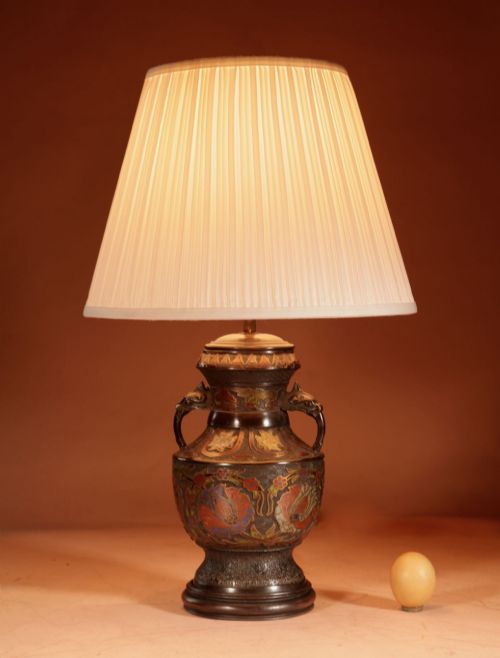
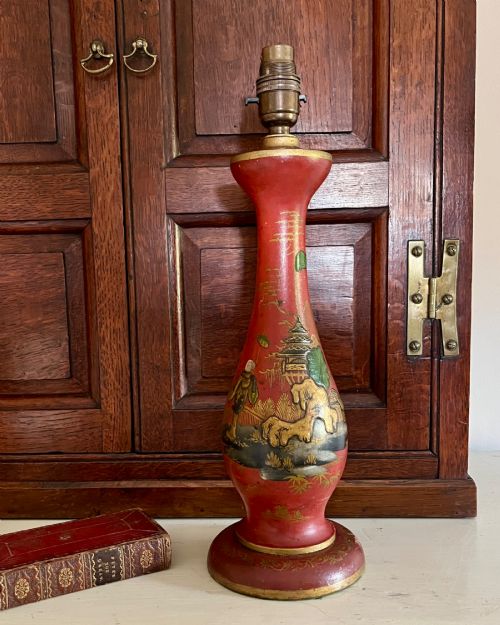
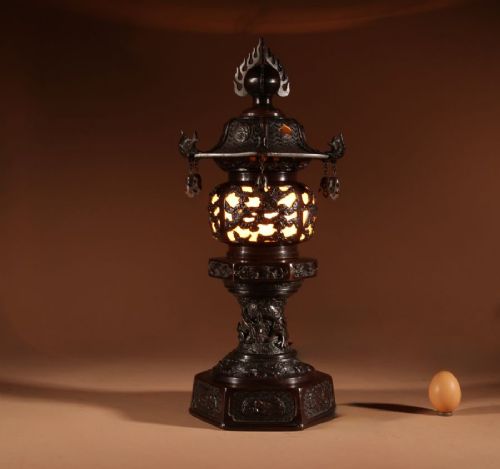
Most pieces on this page are table lamps and large converted vases originating from Japan and China. Makers utilised traditional forms such as bronze lanterns, Satsuma pottery pairs, and Chinoiserie woodwork to create functional lighting.
The objects span multiple historic epochs including the Victorian era, the Meiji period, and the early twentieth century. Buyers find both individual statement lamps and matched pairs suitable for domestic placement.
Materials and construction
The construction relies on durable materials such as bronze, brass, porcelain, ceramic, and wood. Artisans shaped these elements through casting, hand carving, and enamel work.
Many lamps began life as decorative vessels before conversion into lighting fixtures. Bronze examples often feature champlevé or cloisonné techniques, while ceramic pieces utilise hand-painted Satsuma, Arita Imari, and rose medallion glazes.
Asian Decorative Lamps Retail Price Guide 2026
Typical asking prices for asian decorative lamps among the pieces listed under this phrase on Sellingantiques today, from the lower quarter to the upper quarter. They describe what is for sale here now, not the wider market.
Listings feature materials spanning bronze, porcelain, fabric, wood, and glass across the nineteenth and twentieth centuries.
Assessing quality
Quality separates objects by the precision of the hand carving, the intricacy of the bronze casting, and the preservation of the enamel or porcelain glaze. Superior examples display crisp detail in Japanese bronze lanterns and finely delineated Chinese dragon motifs.
Matched pairs command higher regard due to the difficulty of keeping two identical decorative vases intact through conversion and time. The depth of the enamel work and the weight of the metal components indicate the original workshop standard.
The Asian Decorative Lamps Glossary
- Champlevé
- An enamelling technique where troughs are carved into a metal surface and filled with vitreous enamel before firing. This method creates bold coloured patterns on bronze bodies.
- Cloisonné
- A technique where metal wires form raised compartments on a base to hold enamel paste. The piece is fired and polished to create a smooth decorative finish.
- Satsuma
- A type of Japanese earthenware featuring a pale, crackled ivory glaze decorated with intricate polychrome enamel and gilt designs. These ceramics frequently find new life as table lamps.
- Imari
- A style of Japanese porcelain named after the port of export, characterised by a palette of underglaze blue, iron red, and gold. These historic pieces often form striking converted lamp bases.
- Chinoiserie
- European decorative style reflecting Chinese artistic influences, popular in furniture and floor lamps from various historic periods. It employs lacquered finishes and stylised oriental motifs.
Asian Decorative Lamps: Frequently Asked Questions
What are asian decorative lamps?
These pieces are historic lighting fixtures and converted vessels originating from China and Japan. They incorporate traditional materials such as bronze, porcelain, and carved wood.
Buyers select them to introduce historic texture and ambient illumination into interior spaces. Each piece reflects the aesthetic tastes of its period of manufacture.
How do I identify a Meiji period lamp?
Meiji period items date from eighteen-sixty-eight to nineteen-twelve in Japan, often showing exceptional bronze work or Satsuma pottery. Look for characteristic artisanal signatures and traditional decorative motifs.
These pieces typically combine fine metalwork or detailed ceramic glazing with later electrical fittings for modern use.
Were these lamps originally made for lighting?
Many items began as decorative vases, bronze lanterns, or temple vessels before later conversion into table lamps. The adaptation preserves the historic body while adding electrical components.
This conversion process allows antique porcelain and bronze forms to function practically as domestic lamps today.
How should I clean a bronze lamp?
Dust bronze and champlevé surfaces gently with a soft, dry cloth to protect the historic finish and enamel work. Avoid harsh chemical cleaners or abrasive materials that could damage the patina.
Preserving the natural surface maintains the character developed over centuries of existence.