


Asian Carved Tea Table
An asian carved tea table brings intricate craftsmanship and dense timber into a room, serving as a low surface for daily gathering.
Asian Carved Tea Table
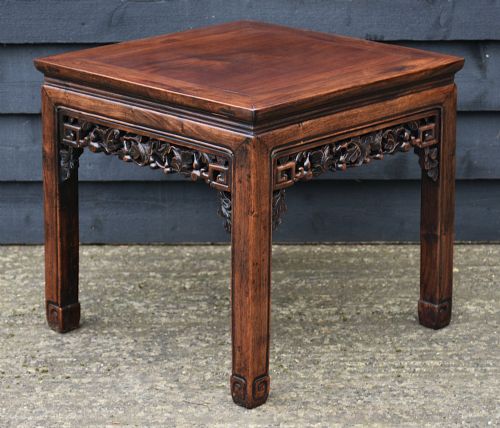
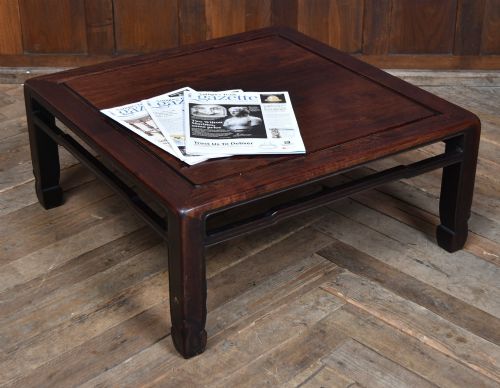
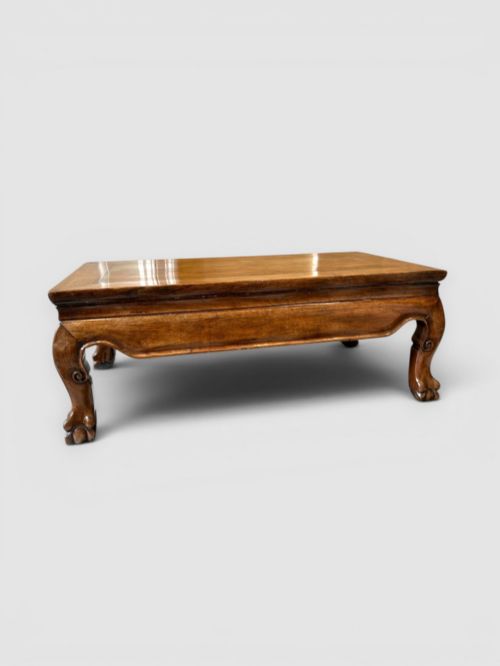
When you search for an asian carved tea table, you encounter low forms and coffee tables originating largely from nineteenth and early twentieth century Chinese workshops, alongside occasional Japanese and Burmese pieces. These tables serve multiple functions, acting as opium tables, kang tables, nests of four, and low coffee tables within domestic spaces.
The material palette is dominated by dense oriental hardwoods such as rosewood, padouk, hongmu, and elm, sometimes complemented by lacquer, marble, and glass inserts. Forms range from simple rectangular low tables to octagonal occasional tables, square stands, and multi-tiered pieces bearing traditional carving.
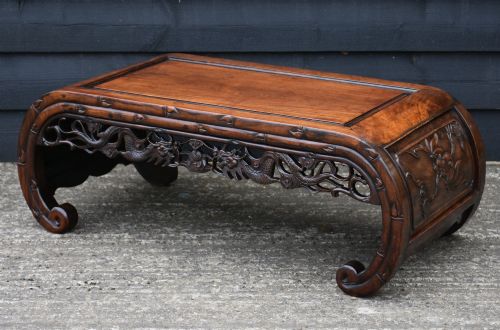
You are most likely to meet nineteenth century Chinese rosewood or hardwood low tables featuring traditional carving, scroll ends, and dragon details. These pieces bridge historical utility and modern interior placement as low coffee tables.
How these pieces were constructed
Joinery relies on traditional framing techniques suited to dense timbers, allowing tables to expand and contract with environmental changes without splitting the primary structure. Carving is executed directly into hardwoods like rosewood, padouk, and hongmu, producing relief details such as dragons and scroll ends.
Surface finishing utilises natural lacquers and repeated hand-polishing to achieve a deep patina on the timber. Marble inserts are occasionally fitted into wooden frames for central and side tables, requiring precise rebate work by the cabinetmaker.
Listings feature pieces spanning the eighteenth to the twentieth centuries, utilising hardwood, rosewood, elm, lacquer, and marble in forms from low tables to nests.
What separates examples in quality
The depth and crispness of the hand carving distinguish finer examples from simpler production, particularly where dragon motifs and scroll ends are rendered with sharp undercut details. Superior timber selection, such as tightly grained hongmu or heavy padouk with a warm natural patina, elevates a piece above standard oriental hardwoods.
Structural integrity and the retention of original components, including fitted table tops and undisturbed joinery, determine the standing of each piece. Tables that maintain their historical surface finish without modern intervention demonstrate higher preservation quality.
The Asian Carved Tea Table Glossary
- Kang table
- A low platform table traditionally used on a heated brick bed in northern China for dining or writing. These pieces translate well into modern low coffee tables.
- Hongmu
- A category of dense, fragrant Asian hardwoods prized for dark colour and heavy weight. It includes varieties like rosewood and padouk.
- Opium table
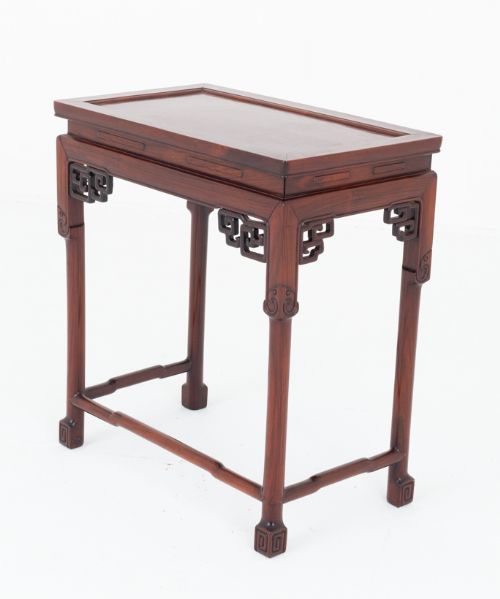
- A common term for a low rectangular coffee table with recessed legs and carved apron details. They date frequently to the nineteenth century.
- Padouk
- A heavy tropical timber displaying reddish-brown tones that darken with age. It is utilised in fine Chinese low tables.
- Scroll-end
- A decorative terminal feature on table ends curving outward or inward. It appears frequently on Qing dynasty kang tables.
Asian Carved Tea Table: Frequently Asked Questions
What is an opium table?
An opium table is a low wooden surface designed for use while sitting on mats or cushions on the floor. These tables feature recessed legs and carved aprons.
Today, they function well as low coffee tables in contemporary living spaces, providing a stable surface close to floor level.
How do I style a low table?
Low tables suit minimalist settings where their carved details and dark timber tones can stand clear of visual clutter. Pair them with low seating to preserve traditional proportions.
Keep surface objects minimal to highlight the grain of rosewood, padouk, or hongmu and the execution of the hand carving.
What is a nest of tables?
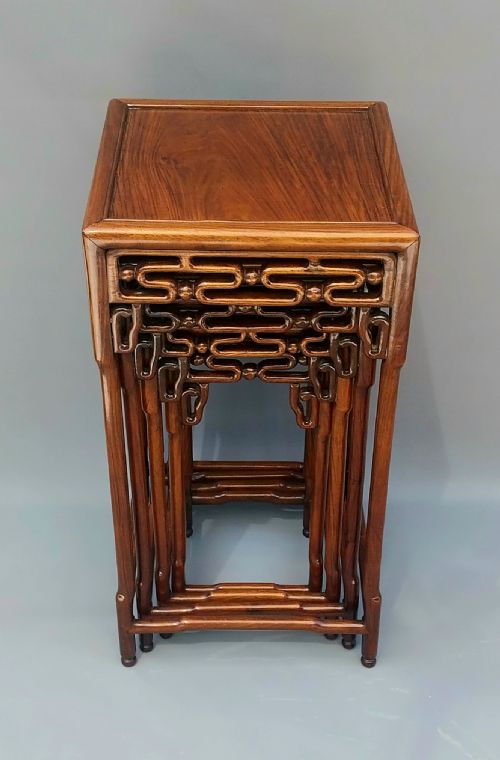
A nest of tables consists of multiple decreasingly sized tables designed to slide neatly beneath one another. They appear frequently in sets of four.
This form offers flexibility for entertaining, allowing surfaces to be deployed separately and stored compactly when not in use.
How do I date a Chinese hardwood table?
Dating relies on examining joinery methods, timber species, wear patterns, and stylistic markers such as Qing dynasty scroll ends and dragon motifs. Nineteenth century pieces often show hand-cut joinery and deep natural patination.
Comparing construction details with dated archival examples helps narrow the period of manufacture between the eighteenth and early twentieth centuries.