




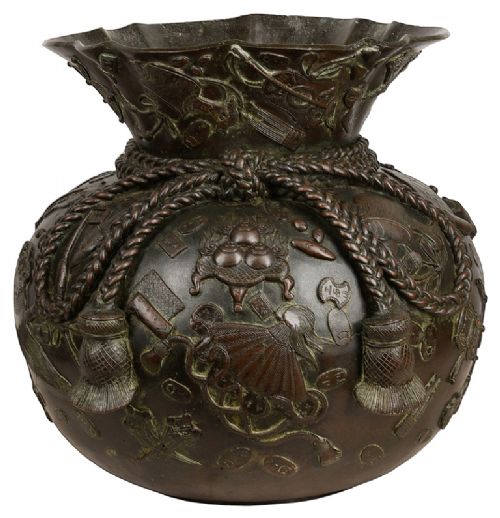

Asian Cachepot
An asian cachepot brings botanical life indoors, taking the form of a sturdy vessel designed to hold a potted plant with timeless style.
Asian Cachepot
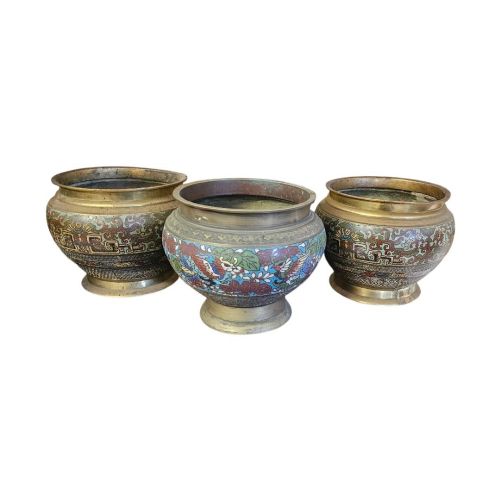
An asian cachepot functions as an ornamental container for house plants, appearing frequently in forms such as jardinières, planters, and decorative bowls. These vessels originate primarily from Japanese and Chinese workshops across the eighteenth, nineteenth, and early twentieth centuries.
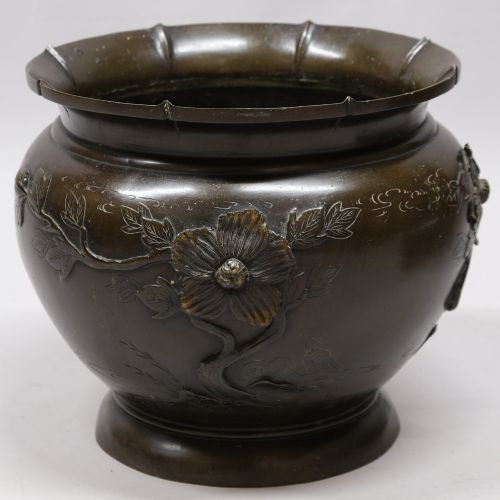
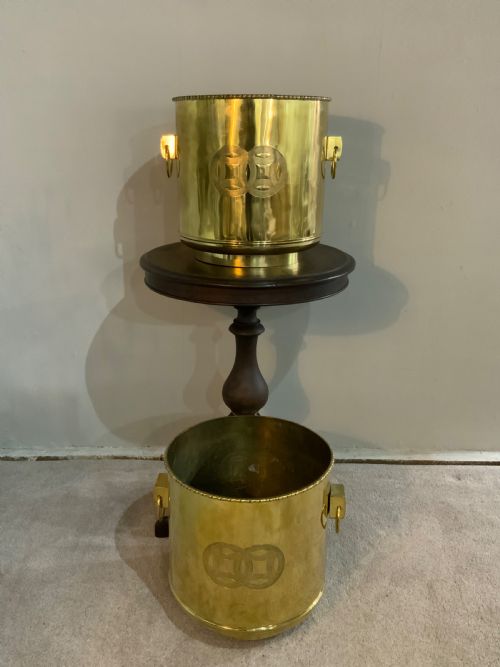
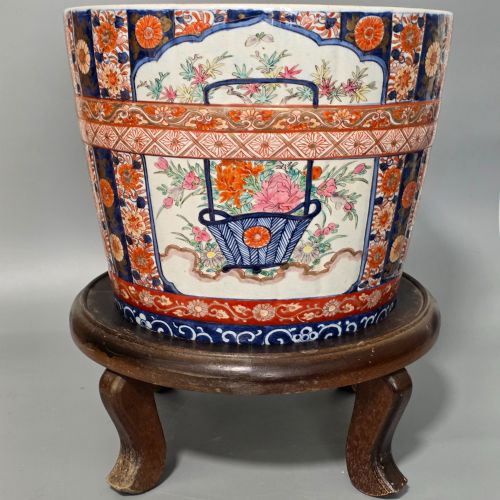
The most common examples on this page are bronze and brass vessels from the Meiji period and late Qing dynasty. Buyers also encounter porcelain pieces decorated in Famille Rose, Imari, and Satsuma palettes, alongside stoneware and enamel works.
Many of these containers arrive paired with stands made of hardwood, while others feature matching drip trays. Their primary historical role was to conceal plain clay flower pots within formal interior settings.
How they were made
Metal vessels rely on bronze and brass casting techniques, often enriched with champlevé or cloisonné enamel work. Artisans chased and polished these metallic surfaces to create intricate decorative motifs.
Ceramic pieces involve porcelain and stoneware bodies shaped by hand or wheel, then fired before receiving hand-painted glazes. Workshops utilised traditional cobalt blue, polychrome enamel, and craquelure finishes to adorn the exterior walls.
Asian Cachepot Retail Price Guide 2026
Typical asking prices for asian cachepot among the pieces listed under this phrase on Sellingantiques today, from the lower quarter to the upper quarter. They describe what is for sale here now, not the wider market.
Listings feature bronze, brass, porcelain, stoneware, and enamel pieces spanning the eighteenth to the early twentieth century.
What varies in quality
The distinction between ordinary and exceptional pieces lies in the crispness of the casting and the precision of the hand-painted or enamelled decoration. Finer examples display balanced proportions and deliberate attention to detail in every panel.
Substantial weight in bronze vessels indicates a thicker gauge of metal, which often correlates with superior craftsmanship during the Meiji period or late Qing dynasty. Signatures, seals, and well-preserved original stands further elevate the standing of a piece.
Makuzu Kozan II
The Asian Cachepot Glossary
- Jardiniere
- An ornamental pot or stand designed to hold flowers or plants indoors. These vessels usually lack drainage holes at the base.
- Champlevé
- An enamelling technique where troughs or cells are hollowed out of a metal surface and filled with vitreous enamel before firing.
- Imari
- A style of Japanese porcelain decorated in underglaze blue, iron red, and gilt. It gained widespread popularity during the Edo period.
- Satsuma
- A type of Japanese earthenware featuring a pale, ivory-crackled glaze decorated with polychrome enamels and gilding.
- Famille Rose
- A palette of Chinese porcelain enamels dominated by opaque pink or rose colours, introduced during the Qing dynasty.
Asian Cachepot: Frequently Asked Questions
Can I plant directly inside an asian cachepot?
Most antique metal and ceramic vessels lack drainage holes to protect interior surfaces from water damage.
Collectors generally place a standard nursery pot inside the vessel, using a saucer to catch excess moisture.
How do I date a bronze cachepot?
Dating relies on surface patination, casting methods, and stylistic cues associated with periods like the Meiji era or late Qing dynasty.
Heavier metal gauges and specific decorative motifs often point towards late nineteenth-century production.
Where should I display an antique planter?
These vessels suit prominent positions on heavy furniture, low tables, or dedicated hardwood stands.
Their robust construction allows them to anchor corners of a room while displaying large ferns or foliage.