



Asian Bronze Head
These pieces of asian bronze head combine centuries of ritual craft and sculptural weight, offering you a commanding focal point for any interior.
Asian Bronze Head
When you search for an asian bronze head, you encounter works spanning multiple centuries, from seventeenth-century scholar pieces to early twentieth-century creations. The selection includes religious icons, ritual vessels, and architectural elements originating across Asia.
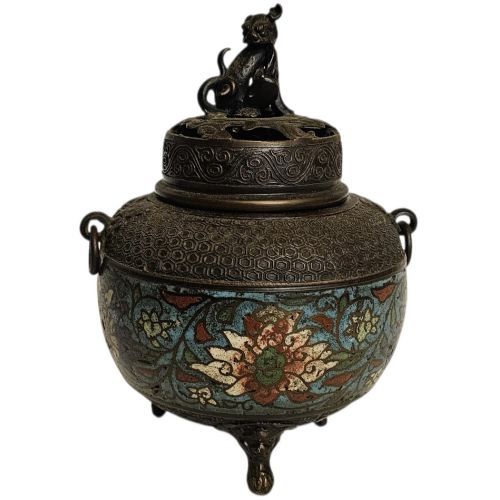
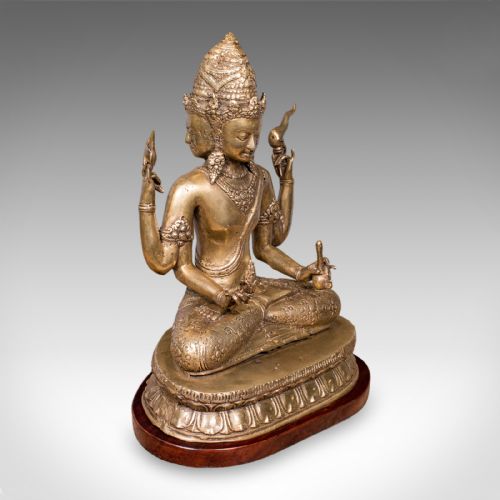
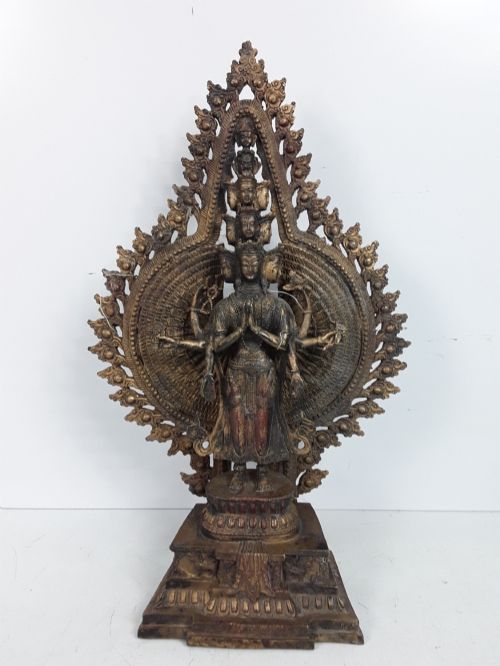
The most common examples on this page reflect diverse traditions, including Tibetan Buddhist deities, Balinese Hindu figures, and Chinese archaistic pieces. These items range from miniature censers to substantial religious sculptures.
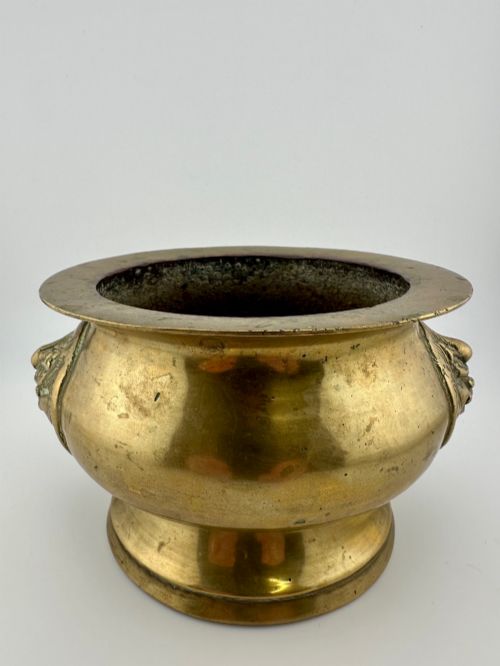
Makers utilised various metals alongside bronze, incorporating brass, carved hardwood, and jade elements into the broader category. Objects such as eleven-headed Avalokiteshvara figures and lion mask censers demonstrate the wide thematic scope.
Materials and construction
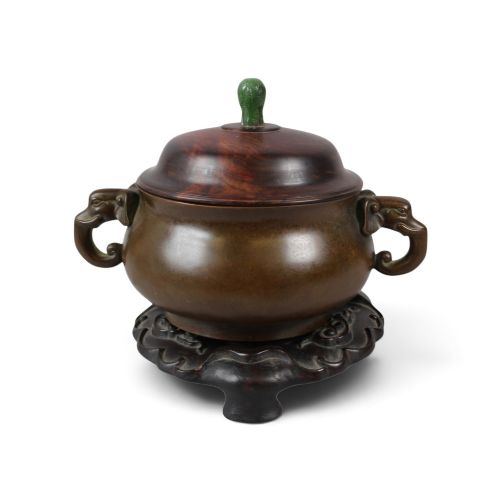
Makers relied primarily on bronze and brass, casting metal forms with intricate surface details. Many pieces incorporate secondary materials like jade finials and custom carved hardwood stands.
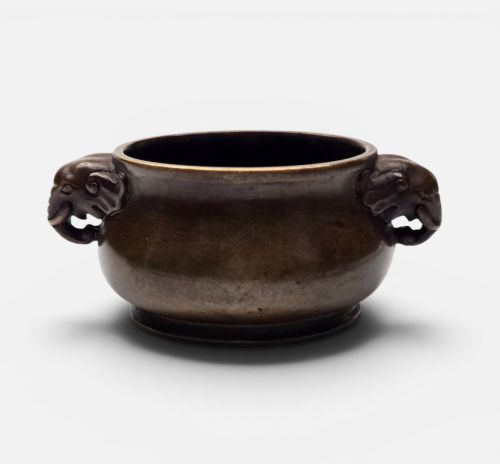
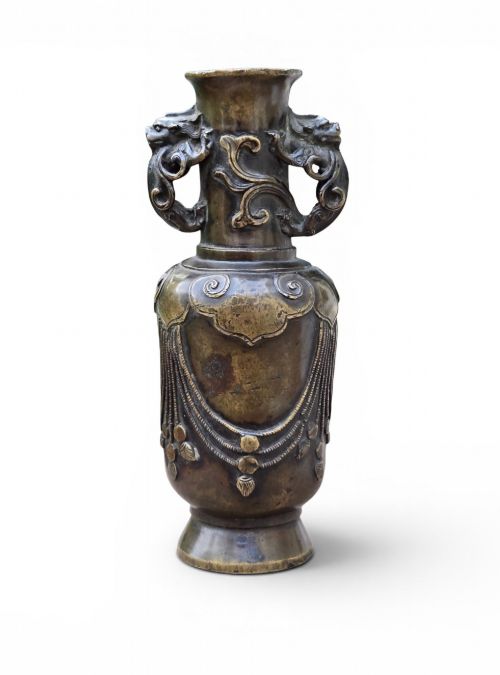
Artisans applied traditional casting methods to shape religious statues, scholar objects, and ritual vessels. Surface ornamentation includes detailed dragon motifs, elephant-head handles, and architectural hardware.
Asian Bronze Head Retail Price Guide 2026
Typical asking prices for asian bronze head among the pieces listed under this phrase on Sellingantiques today, from the lower quarter to the upper quarter. They describe what is for sale here now, not the wider market.
Several pieces feature protective lion masks and elephant heads, ensuring your desk is guarded by very heavy mythical beasts.
Judging the work
Quality rests in the crispness of the cast and the depth of the chased details. Superior examples display balanced proportions and confident facial expressions on figures and animal motifs.
The integration of secondary elements, such as fitted hardwood bases and carved jade finials, elevates the standing of an object. The handling of the metal surface and patina reflects the skill applied during production.
The Asian Bronze Head Glossary
- Censer
- A vessel used for burning incense during ritual or scholarly practices. These often feature decorative handles shaped like lions or elephants.
- Archaistic
- A style that deliberately emulates the aesthetic of much older dynasties. This approach appears frequently in Chinese metalwork.
- Hardwood
- Dense timber utilised for custom stands and bases. It provides a stable foundation for heavier metal sculptures.
- Jade
- A durable ornamental stone carved into finials and decorative components. It often accents bronze ritual vessels.
Asian Bronze Head: Frequently Asked Questions
How do I display an asian bronze head?
Place these pieces on stable surfaces where their weight and material presence can be appreciated. Consider pairing them with wooden stands or minimalist shelving to highlight the cast details.
Ensure they sit away from moisture to protect the metal surfaces and any integrated wooden components over time.
What periods do these pieces come from?
The selection spans multiple centuries, including seventeenth-century Ming period objects and nineteenth-century works. You will also find pieces dated around nineteen-ten and nineteen-twenty.
Each period brings distinct stylistic conventions, from archaistic revival designs to traditional Tibetan Buddhist iconography.
Are these pieces purely religious?
While many items depict Buddhist and Hindu deities, others served scholarly or decorative functions. Examples include incense burners, door plates, gongs, and planters.
This variety means works range from objects of active worship to scholar's desk items intended for contemplation.
How should I clean my bronze piece?
Dust the surface gently with a soft, dry cloth to prevent buildup without disturbing the existing patina. Avoid harsh chemical cleaners or abrasive polishes that can strip the historic finish.
Professional conservation advice is recommended if deeper cleaning becomes necessary.