






Asian Bird Art
Asian bird art brings avian forms into focus through bronze, silk, enamel, and carved wood from Japanese and Chinese workshops.
Asian Bird Art
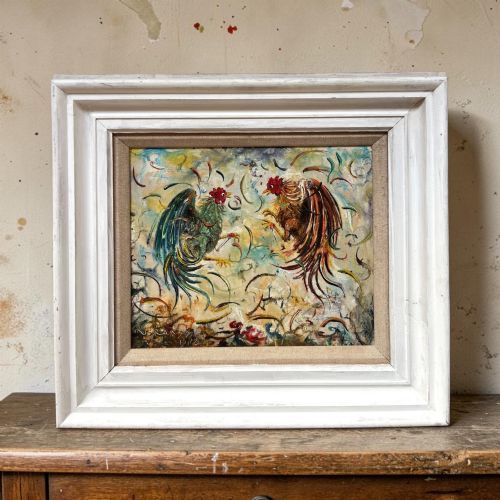
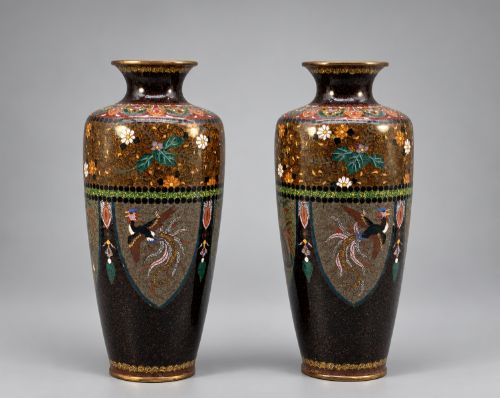
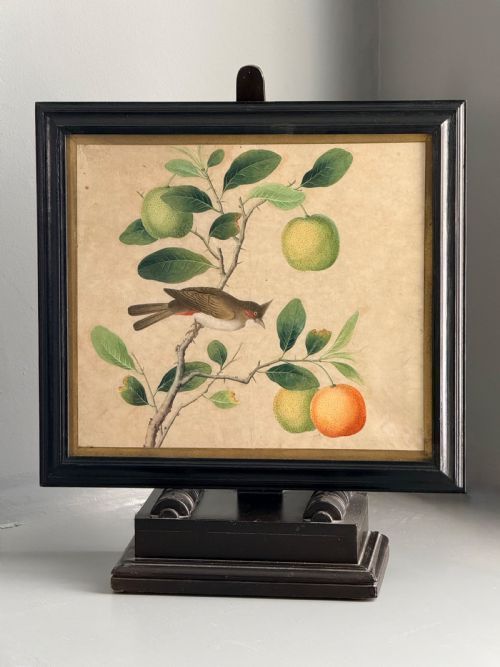
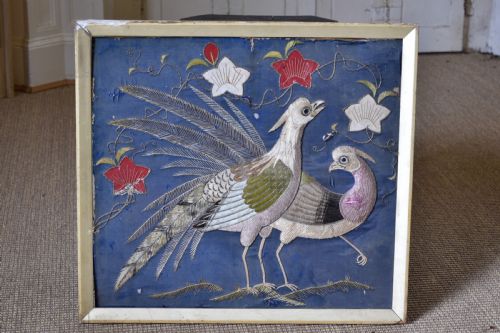
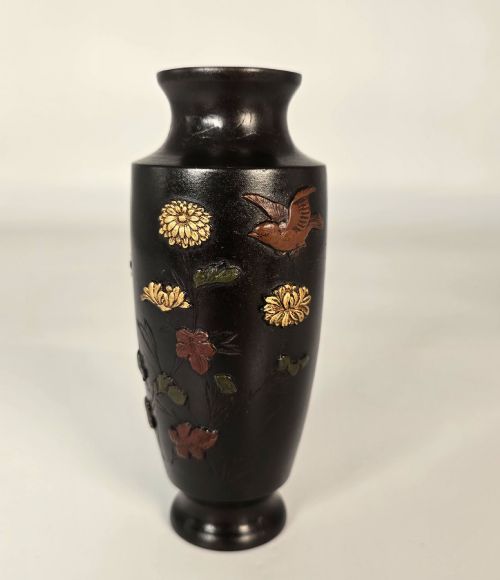
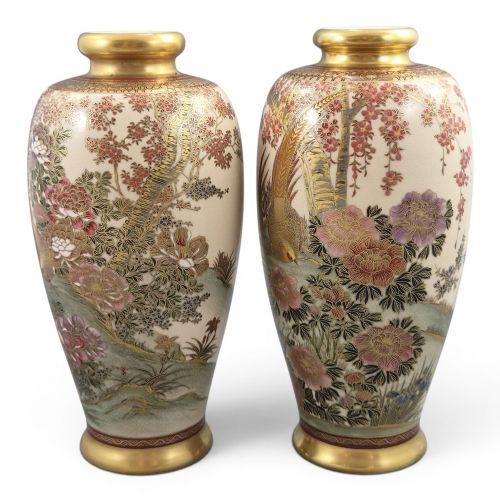
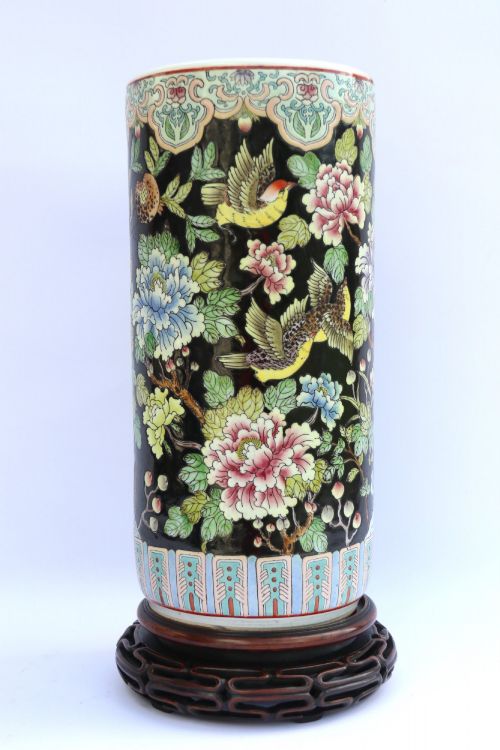
Asian bird art encompasses diverse objects ranging from framed silk embroideries and gouache paintings on pith paper to bronze vases, cloisonné chargers, and lacquered panels. When exploring this selection, buyers frequently encounter Japanese Meiji period cloisonné enamel plates and Chinese textile pictures depicting pheasants, ducks, and phoenixes.
The assortment spans centuries, with pieces originating from the eighteenth, nineteenth, and early twentieth centuries, alongside mid-twentieth-century examples. Forms include wall plaques, decorative vases, okimono, and temple panels, uniting traditional East Asian motifs of plumage and flight within varied domestic settings.
Materials and Construction
Maker techniques rely heavily on meticulous metalwork, including bronze casting, mixed metal applications, and cloisonné enamel work where fine wire cells hold vibrant coloured pastes. Textile pieces utilise detailed silk thread embroidery and watercolour paintings rendered directly onto silk or pith paper.
Wooden objects employ carved gilt techniques, lacquer finishes, and intricate inlay using mother-of-pearl and abalone shell. These methods demand specialised hand skills passed down through generations of artisans in Chinese and Japanese workshops.
Asian Bird Art Retail Price Guide 2026
Typical asking prices for asian bird art among the pieces listed under this phrase on Sellingantiques today, from the lower quarter to the upper quarter. They describe what is for sale here now, not the wider market.
Listings feature diverse materials including bronze, glass, silk, enamel, brass, copper, and lacquer across multiple centuries.
Evaluating the Pieces
Quality rests on the precision of the execution, whether in the tightness of cloisonné wirework, the fineness of silk embroidery stitches, or the depth of bronze chasing and carving. Superior examples demonstrate a careful balance of naturalism and design harmony in the depiction of feathers, branches, and foliage.
The integrity of the materials and the preservation of original surfaces also distinguish finer items. Intact lacquer, well-preserved pigments on silk or pith paper, and clear maker signatures elevate the standing of a piece within its historical period.
Manpei, Kobe·Makuzu Kozan II
The Asian Bird Art Glossary
- Cloisonné
- An enamel technique where metal wire is soldered to a metal base to create compartments filled with paste and fired. This method produces intricate patterns of birds and floral motifs.
- Meiji Period
- The era in Japanese history spanning from 1868 to 1912, known for significant artistic production and export of metalwork and enamelware. Pieces from this time often feature naturalistic bird designs.
- Okimono
- A small Japanese freestanding carved sculpture intended for display in a traditional interior setting. These often depict animals such as mandarin ducks.
- Pith Paper
- A fragile material prepared from the pith of the Tetrapanax papyrifer plant, used in nineteenth-century China for watercolour and gouache paintings. It has a distinctive velvety texture.
- Chinoiserie
- A European artistic style reflecting Chinese motifs and techniques, though many items in Asian art represent authentic export pieces from Chinese and Japanese makers.
Asian Bird Art: Frequently Asked Questions
What periods do these bird art pieces come from?
The selection includes items spanning the eighteenth, nineteenth, and early twentieth centuries, with particular concentrations from the Japanese Meiji period and late Qing dynasty.
Mid-century examples also appear, offering a broad chronological range of techniques and aesthetic traditions.
How were framed textiles and silk pictures created?
Makers utilised fine silk threads to hand-embroider detailed plumage, flowers, and natural scenes onto backing fabrics. Watercolour paintings on silk and pith paper were similarly executed by hand with delicate brushes.
These works were then mounted and framed to protect the textiles from environmental wear.
What materials are common in bronze and metal bird art?
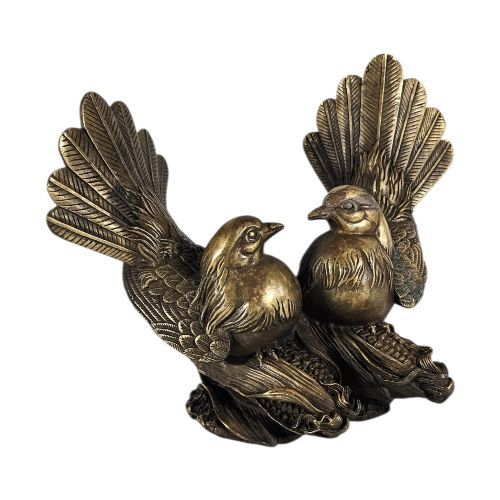
Artisans utilised cast bronze, brass, copper, and mixed metals to shape vases, sculptures, and decorative vessels. Enamel was frequently added through cloisonné methods to introduce vibrant colours to the metallic surfaces.
Surfaces were often patinated or chased to emphasise the textures of feathers and foliage.
How should I display delicate lacquer and wood panels?
Wall panels and lacquer items require placement away from direct sunlight and fluctuating humidity to protect the wood, lacquer, and shell inlay. Stable indoor environments prevent warping of the wooden panels and cracking of the surface finishes.
Gentle dusting with a soft, dry cloth is sufficient for ongoing maintenance.