




Asian Bedside Tables
These asian bedside tables comprise practical cabinets and atmospheric lamps drawn from nineteenth and early twentieth century traditions.
Asian Bedside Tables
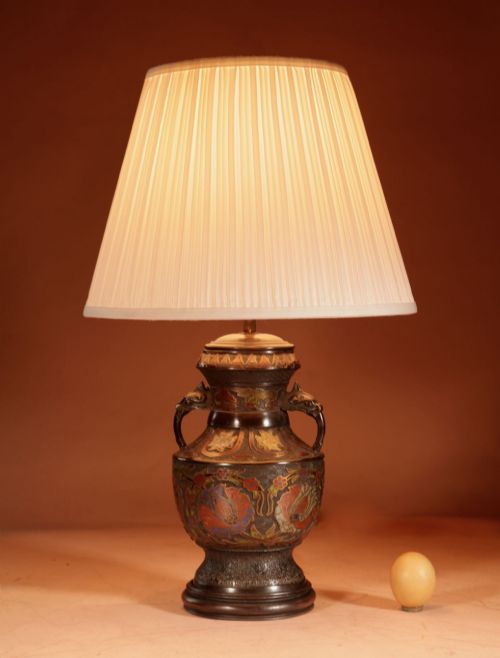
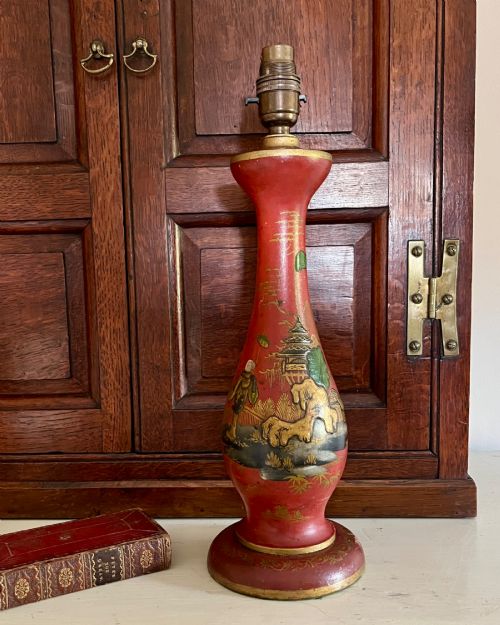
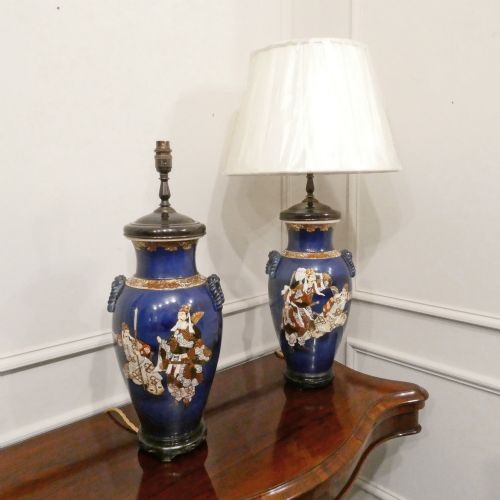
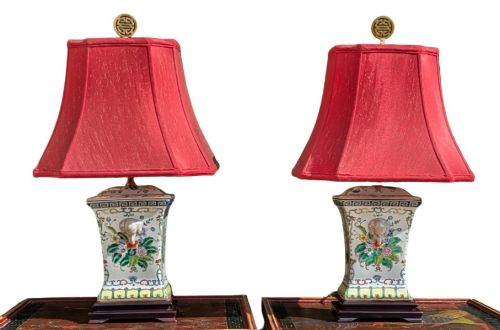
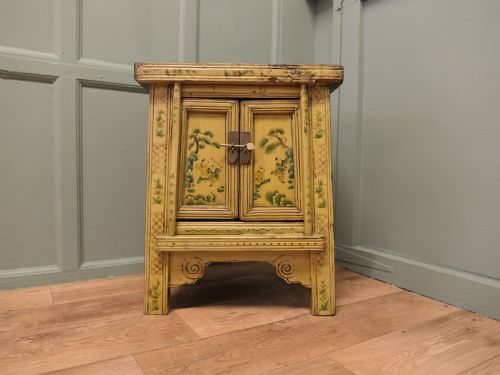
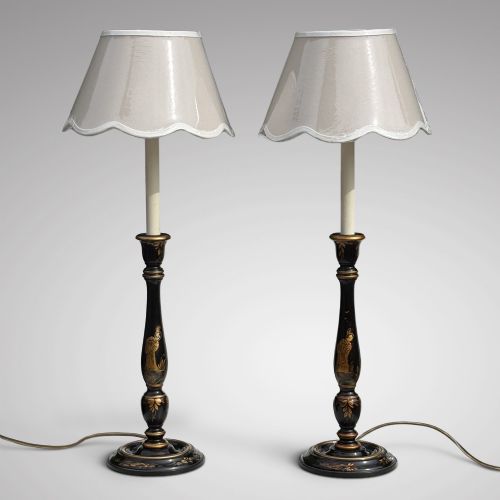
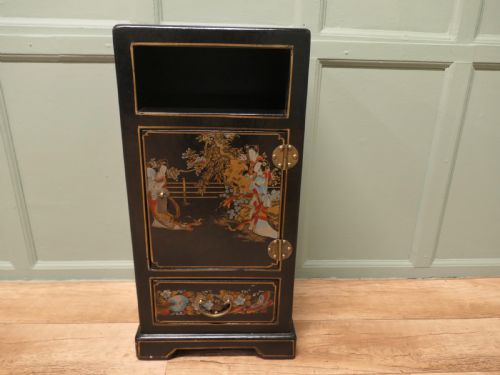
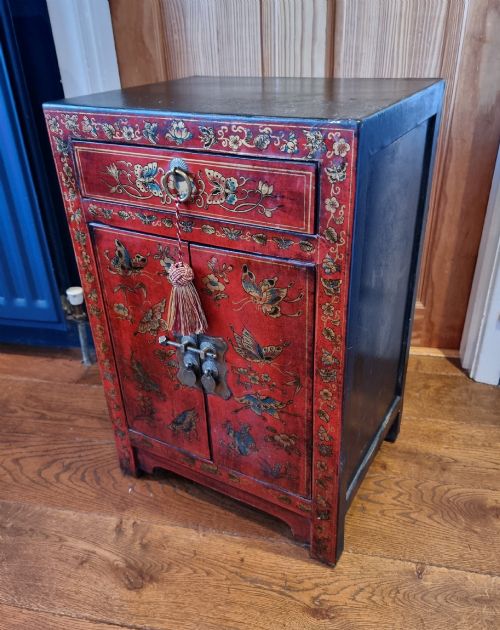
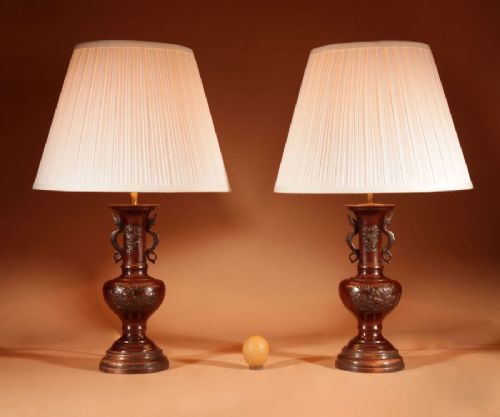
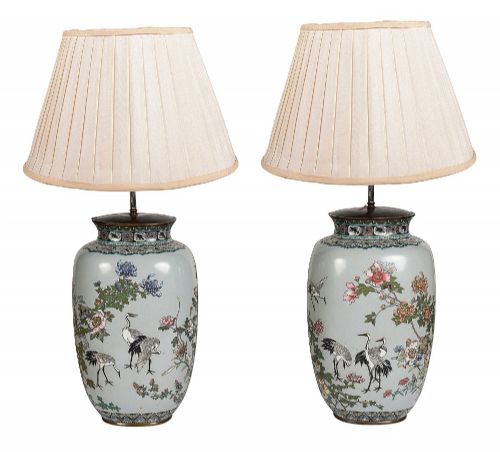
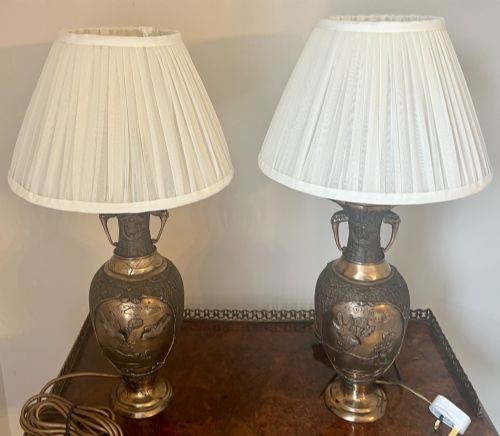
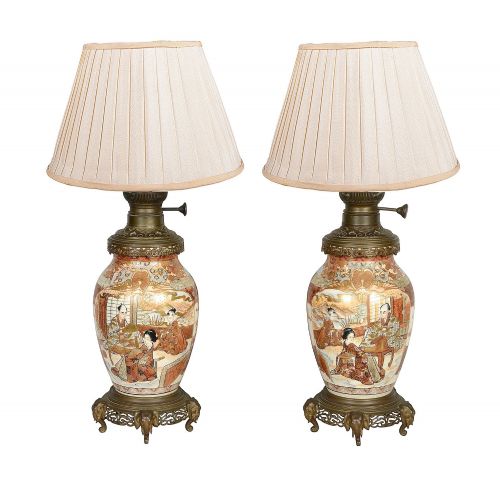
Asian bedside tables encompass a diverse selection of small cabinets, side tables, and electrified ceramic or bronze vases used beside a bed. The listings here divide into two distinct functional types: low lacquer cupboards intended for storage and ceramic or bronze vessels adapted as table lamps.
The pieces emerge from varied design traditions including Chinese Qing Dynasty aesthetics, Japanese Meiji period craftsmanship, and Balinese carving. Surviving examples date predominantly from the nineteenth century through the 1930s, reflecting both traditional craftsmanship and early twentieth century adaptations for Western interiors.
How they were made
Wood pieces rely on traditional joinery and finished surfaces of red or cream lacquer, sometimes enriched with applied decoration. Cabinets utilise sturdy timbers shaped into compact bedside forms.
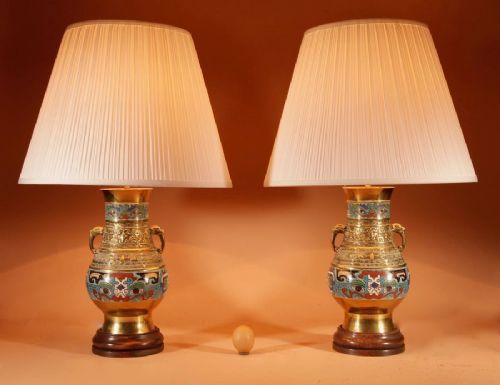
Lighting conversions incorporate Satsuma, Kutani, and Fukagawa porcelain, alongside cloisonné and champlevé bronze work. Metal components employ brass and enamel, whilst ceramic bodies display detailed hand-painted glazes.
Asian Bedside Tables Retail Price Guide 2026
Typical asking prices for asian bedside tables among the pieces listed under this phrase on Sellingantiques today, from the lower quarter to the upper quarter. They describe what is for sale here now, not the wider market.
The selection combines wood, porcelain, brass, and bronze, spanning periods from the nineteenth century through the 1930s.
What varies in quality
Quality rests upon the crispness of hand-painted porcelain detail and the depth of lacquer work on wooden cabinets. Superior items display well-preserved enamel colours and finely cast bronze mounts rather than superficial decoration.
The integrity of the original material conversion determines the standing of lamps made from antique vases. Pieces retaining their structural form without excessive alteration command greater respect among collectors.
The Asian Bedside Tables Glossary
- Chinoiserie
- European artistic style reflecting Chinese motifs and decorative techniques. It appears frequently on twentieth century red and cream lacquer cabinets.
- Meiji Period
- Japanese historical era spanning from 1868 to 1912. Work from this time often includes detailed bronze work and Satsuma porcelain.
- Cloisonné
- Metalwork technique where enamel is applied within wire compartments on a bronze or brass base. Many nineteenth century lamps utilise this method.
- Satsuma
- Japanese pottery style featuring a crackle glaze decorated with polychrome enamels and gilt. These ceramic vessels frequently form pairs of bedside lamps.
Asian Bedside Tables: Frequently Asked Questions
Are these lamps converted from old vases?
Many lighting options in this selection utilise nineteenth century Chinese or Japanese porcelain and bronze vases that were subsequently fitted for electricity.
This adaptation practice was common during the early twentieth century to repurpose decorative vessels into functional bedroom lighting.
How do I identify a Meiji period piece?
Meiji pieces originate from the period between 1868 and 1912 in Japan. They are typically identified through precise bronze casting, champlevé enamel work, or detailed Satsuma porcelain.
Stylistic markers reflect the opening of Japanese trade and the high technical standards of workshops during those decades.
What wood is used in the cabinets?
The wooden furniture items in this category include lacquered wood surfaces finished in red or cream tones. Some pieces incorporate traditional cabinet construction methods suited for small bedside storage.
These compact cupboards provide enclosed space while displaying stylistic elements inspired by Chinese Qing aesthetics.
How should I care for lacquer furniture?
Lacquered surfaces require gentle dusting with a soft, dry cloth to protect the polished finish. Avoid placing them in direct sunlight or areas with extreme humidity fluctuations.
Maintaining a stable indoor environment preserves the delicate decorative painted details found on Chinoiserie side cabinets.