




Asian Architectural
These pieces of asian architectural antique encompass carved panels, heavy doors, and structural fragments drawn from across centuries of eastern craftsmanship.
Asian Architectural
An asian architectural antique represents salvaged building elements and decorative fixtures taken from temples, houses, and administrative structures across the East. The selection leans heavily towards carved wooden panels, temple carvings, heavy doors, and shrines originating from China, Japan, Burma, India, and various tribal regions.
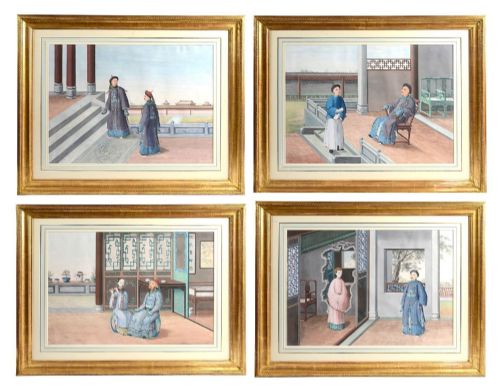
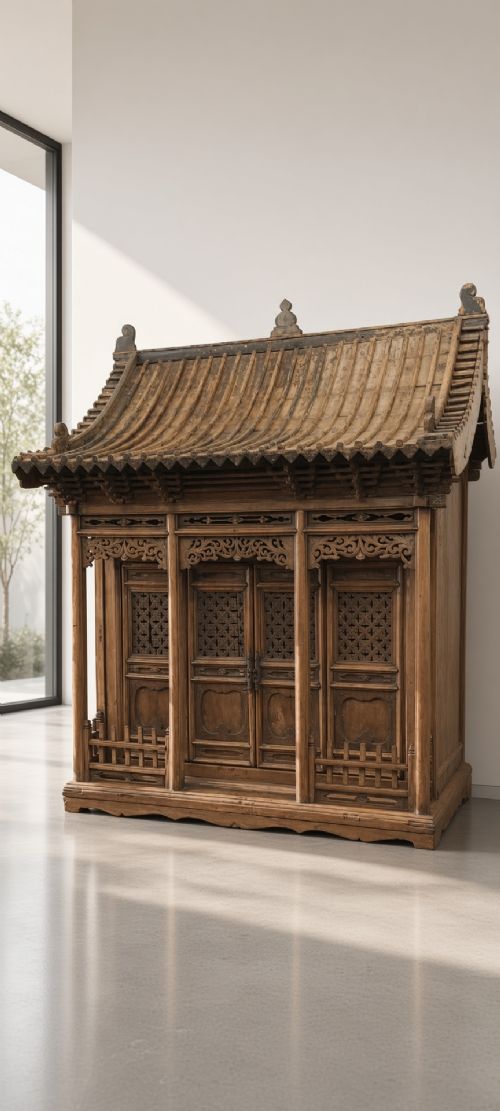
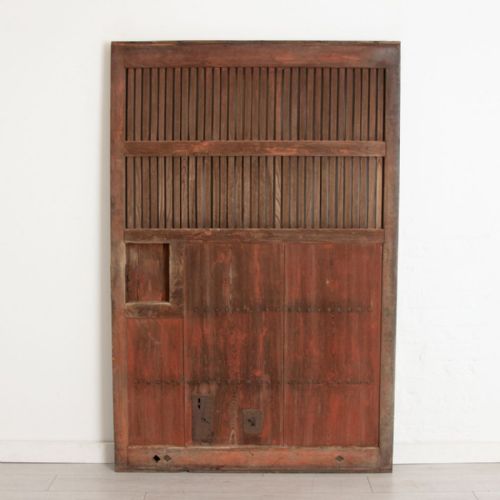
Buyers encounter structural remnants like storehouse doors, cart doors, and roof ornaments alongside ritual items including shrines, altars, and prayer rugs featuring architectural motifs. Materials vary from elm, teak, and dense hardwoods to iron, bronze, lacquer, and gold leaf.
Originating predominantly from the eighteenth and nineteenth centuries, alongside pieces from the Regency era and early twentieth century, these items bridge the gap between building construction and decorative art. They function today as wall hangings, sculptural focal points, and statement pieces within contemporary interiors.
How They Were Made
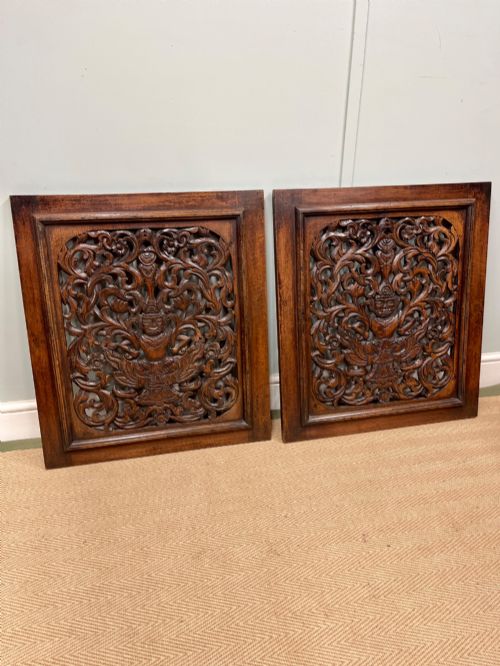
Makers utilised native timbers such as elm, teak, and diverse hardwoods, shaping them with hand tools to create deep relief carvings on panels and doors. These wooden substrates frequently received layers of lacquer, gold leaf, or polychrome paint to accentuate figurative scenes and geometric motifs.
Metal components incorporate cast iron, bronze, and glass, visible in heavy door plates, roof ornaments, and lanterns. Textiles and paintings include watercolour works on paper and hand-woven wool rugs utilising traditional dye and loom techniques.
Among the architectural remnants hide polychrome monkeys and elephants, keeping watch from their ancient temple perches.
What Varies in Quality
Quality rests upon the depth, clarity, and complexity of the hand carving found on panels, doors, and shrines. Pieces displaying intricate figurative work, such as temple carvings with animals or human figures, demonstrate superior artisanal investment compared to plain structural elements.
The survival of original surface treatments, including traces of gold leaf, polychrome paint, and undisturbed lacquer, separates standard structural remnants from exceptional decorative survivors. Preservation of the original timber patina without excessive modern restoration maintains the integrity of the piece.
The Asian Architectural Glossary
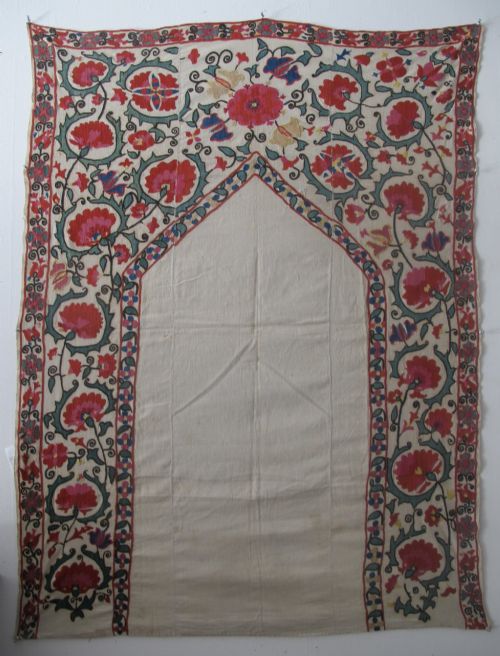
- Suzani
- An embroidered textile panel originating from Central Asia, often featuring floral or architectural designs intended for domestic wall hanging.
- Foo Dog
- A mythical lion guardian sculpture traditionally placed at temple or palace entrances for protection.
- Polychrome
- Painted in several colours, frequently applied to wood carvings or architectural ornaments to enhance visual detail.
- Gilt Wood
- Timber surface treated with a thin layer of gold leaf or gold paint, commonly observed on temple panels.
- Niche
- A recessed space in a wall, often seen in prayer rugs or architectural shrines designed for sacred figures.
Asian Architectural: Frequently Asked Questions
How were temple panels used originally?
These panels functioned as structural or decorative partitions within Asian temples, separating sacred spaces or adorning altars and doorways.
Craftsmen carved religious or narrative scenes into the timber to honour deities and communicate traditional stories to worshippers.
Can heavy architectural doors be hung on walls?
Large wooden doors and storehouse doors require substantial wall fixings or custom steel brackets due to their considerable weight and dense hardwood construction.
Many buyers mount them securely as focal artwork or utilise them as freestanding room dividers within large interior spaces.
What is a mosque prayer rug?
A prayer rug is a portable textile featuring a mihrab or niche design that worshippers orient toward Mecca during daily prayers.
Examples from Central Asia often incorporate architectural motifs within their borders, reflecting regional building styles and textile traditions.
How do I care for antique wood panels?
Keep wooden panels away from direct heat sources and direct sunlight to prevent the timber from drying, splitting, or fading.
Dust gently with a dry, soft cloth and avoid applying modern chemical polishes that might damage original lacquer or gold leaf surfaces.