




Asian Doors
These asian antique doors and related architectural fragments offer substantial character through heavy timber construction, intricate carving and regional hardware.
Asian Doors
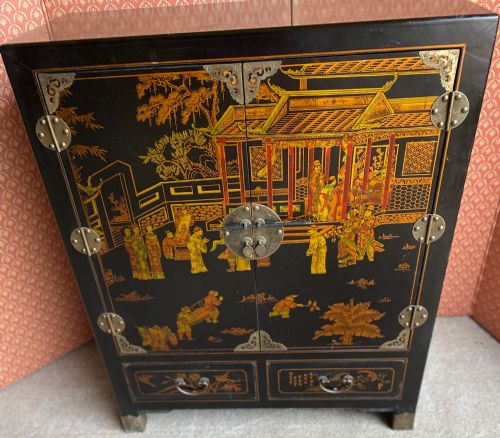
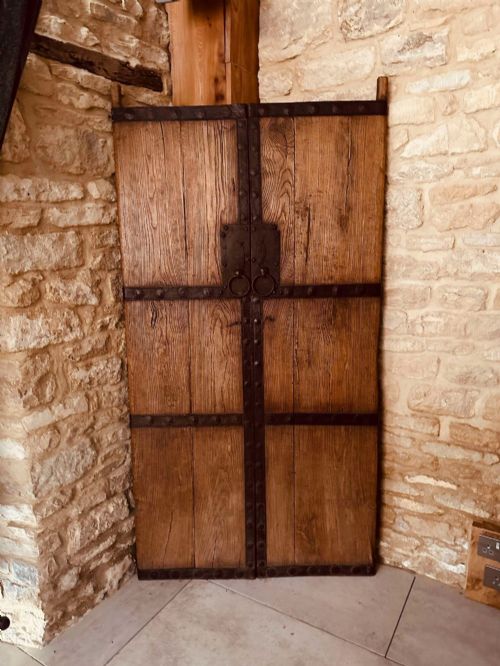
When buyers search for asian antique doors, they encounter solid architectural elements and related utilitarian objects from across Asia, spanning the eighteenth to the twentieth centuries. The selection includes carved tribal panels, storehouse entrances, and painted cart entrances alongside smaller related items like hanging rugs and cabinet hardware.
The objects frequently originating from Chinese, Japanese, and Southeast Asian traditions reflect distinct regional aesthetics and domestic functions. Large carved doors from Toraja or painted Chinese cart entrances represent the primary architectural forms met in this category.
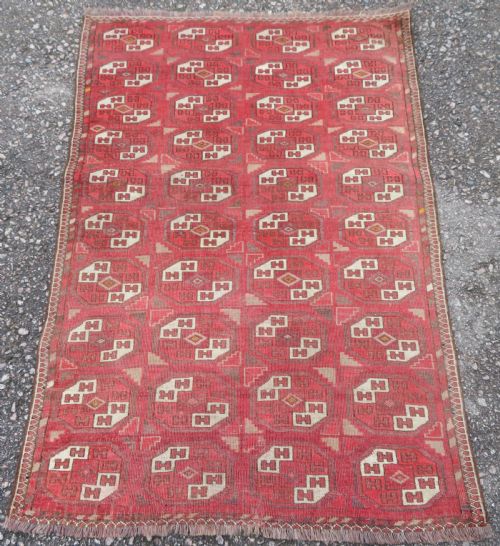
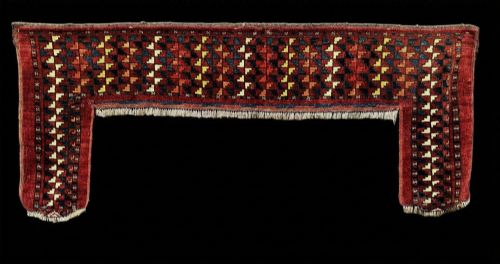
Beyond full doorways, the grouping extends to textile equivalents such as Turkmen tent door rugs known as ensi or gapylyk. These woven pieces share the spatial purpose of marking a threshold despite utilising wool rather than wood.
Construction and Materials
The physical build relies heavily on dense woods including elm, keyaki, and various hardwoods joined to withstand heavy daily use. Iron and brass fittings such as handles, plates, and pulls reinforce the structural integrity while providing decorative contrast against the aged timber.
Surface treatments range from natural polished grain to red lacquer and painted finishes applied over wood or textile grounds. Wool and cotton appear extensively in the textile examples, utilising dyed yarns to form intricate tribal motifs.
Asian Doors Retail Price Guide 2026
Typical asking prices for asian doors among the pieces listed under this phrase on Sellingantiques today, from the lower quarter to the upper quarter. They describe what is for sale here now, not the wider market.
Several heavy iron door plates shaped as foo dogs stand ready to guard doorways against unwelcome spirits.
Gradations in Quality
Quality depends upon the depth and clarity of hand carving on wooden panels and the original integrity of surface finishes like lacquer or paint. Pieces retaining their early metalwork fixtures and authentic structural joins command greater interest than heavily altered examples.
In textile counterparts, quality is judged by the fineness of the wool weave, the precision of the tribal motifs, and the vibrancy of the remaining dye colours. Better specimens maintain strong structural foundations and clear regional characteristics without extensive later restoration.
The Asian Doors Glossary
- Engsi
- A tribal rug woven specifically to hang over the doorway of a yurt or tent. These wool carpets typically feature a candelabra design divided into four quarters.
- Gapylyk
- A traditional Turkmen tent door hanging used to decorate the interior entranceway. They often display intricate geometric patterns and rich red wool grounds.
- Tansu
- A traditional Japanese mobile chest of drawers constructed from wood with iron hardware. These cabinets served various domestic storage needs in merchants' homes and kitchens.
- Keyaki
- A species of Japanese elm highly valued for its dense grain and durability in traditional cabinet and architectural work. It forms the primary structure of many merchant chests.
Asian Doors: Frequently Asked Questions
How were antique asian doors used?
These doors served as structural entrances for homes, storehouses, and carts across different regions of Asia. They provided security and privacy while reflecting the social status of the property.
Textile versions like the Turkmen ensi hung over tent openings to keep out the elements while marking the threshold of the dwelling.
How do I live with an antique door?
Large architectural wooden doors function effectively as wall art when mounted securely or utilised as striking interior room dividers. Their substantial weight requires professional installation against solid walls.
Smaller panels and textile door hangings fit easily into standard domestic spaces, offering warmth and texture to plain interior walls.
What woods were used in these pieces?
Carpentry traditions relied on domestic timbers such as elm, keyaki, and general hardwoods selected for their strength and grain pattern. These woods were chosen to endure harsh climatic conditions and heavy daily use.
Surfaces were frequently finished with natural oils, red lacquer, or painted decoration to protect the timber.
How do I identify different regional styles?
Regional styles emerge through distinct construction methods, carving motifs, and hardware designs specific to each culture. Chinese examples often feature carved panels and red lacquer, while Japanese pieces emphasise clean joinery and iron fittings.
Tribal textiles utilise specific geometric layouts and wool colour palettes unique to groups such as the Yomud, Ersary, and Tekke.